People enjoy spicy food because of the body's response to capsaicin, which activates pain receptors but also leads to a sense of control and reward through desensitization and endorphin release, with cultural and psychological factors enhancing the experience.
A new study from China suggests that frequent consumption of spicy foods, particularly chili peppers containing capsaicin, is associated with a lower risk of heart and brain diseases, likely due to improved blood vessel function and blood flow. The research supports the idea that regular, moderate spicy eating can be beneficial for cardiovascular health, although causality has not been definitively established. Personal tolerance and overall diet quality should guide spicy food intake.
McDonald's is celebrating the 50th anniversary of the Egg McMuffin by introducing a limited-time Spicy McMuffin with McDonald's signature Spicy Pepper Sauce, catering to changing tastes and preferences, especially among younger generations like Gen Z, who favor bold and spicy flavors.
Demi Moore appeared on the YouTube show "Hot Ones" on her birthday, impressively handling the spicy sauce challenge without breaking a sweat. Known for her love of spicy food, Moore navigated the "gauntlet" with ease, even asking host Sean Evans for something stronger after completing the final sauce. Her composure and success on the show were celebrated with an ice cream cake, marking her as one of the toughest celebrity guests in handling spicy food.
Demi Moore appeared on the YouTube show "Hot Ones" on her birthday, impressively handling the spicy sauce challenge without breaking a sweat. Known for her love of spicy food, Moore navigated the "gauntlet" with ease, even jokingly asking host Sean Evans for something stronger after completing the final sauce. Her composure stood in contrast to previous guests, earning her a spot among the show's most resilient participants.
Spicy food, known for its capsaicin content, can offer health benefits such as improved heart health, metabolism, and longevity, but it also poses risks like gastrointestinal distress for some individuals. Capsaicin, the compound responsible for the heat, can trigger pain receptors, leading to a sensation of heat and potential digestive issues. While generally safe, spicy foods should be consumed in moderation, especially by those with certain health conditions. Building tolerance is possible, and consuming spicy foods as part of a balanced diet can be beneficial.
Fourteen high school students in Tokyo were hospitalized after consuming "super spicy" potato crisps made with ghost pepper, known for its extreme heat. The crisps, marketed as "R 18+ curry chips," come with multiple warnings about their spiciness and potential health risks. The company, Isoyama Corp, apologized and wished the students a swift recovery. The incident has sparked discussions and reactions online, including comments from X owner Elon Musk.
Heidi Klum appeared on the YouTube show "Hot Ones" where she struggled with increasingly spicy wings, eventually stripping down to her bra. The supermodel, known for her work with Victoria's Secret and elaborate Halloween costumes, shared anecdotes about her career and personal experiences while battling the heat. Despite the challenges, Klum completed the interview with humor and resilience.
Heidi Klum struggled with the intense heat of Da' Bomb hot sauce on "Hot Ones," leading her to unbutton and eventually remove her top to cool down, much to the surprise of host Sean Evans. Despite her initial difficulties, she managed to handle a hotter sauce later in the episode.
A variety of hot sauces with different heat levels, ranging from 5,800 to 2,693,000 Scoville Heat Units, are recommended for those seeking unique flavors and intense spice. The set includes sauces like Buffalo Hot Sauce, Blistered Shishito & Garlic Hot Sauce, and The Last Dab, with a promising review highlighting the diverse flavors and heat levels. Available for purchase at Heatonist for $120.
The experience of eating spicy food involves a complex journey through the body, triggering reactions from the nervous system, digestive system, and more. Capsaicin, the oil in chile peppers, activates TRPV1 receptors, leading to sensations of heat, salivation, and even euphoria for some. The body's response includes increased saliva, sweating, and a rush of endorphins to alleviate the perceived pain. While eating spicy food is usually harmless, extreme amounts can lead to serious health issues. Additionally, a diet rich in hot peppers may have protective effects on the cardiovascular system, although the exact reasons remain a mystery.
Adding heat to your food without overwhelming your tastebuds can be achieved by using chili oils or hot sauce as finishing sauces, gradually incorporating fresh peppers known for their heat, and experimenting with dried chilis in moderation. Adjust the spice level by removing the ribs and seeds of peppers, testing the spiciness before adding, and diluting the dish with watery ingredients if it becomes too spicy. Pairing spicy dishes with bread, butter, or yogurt dip can help alleviate the heat.
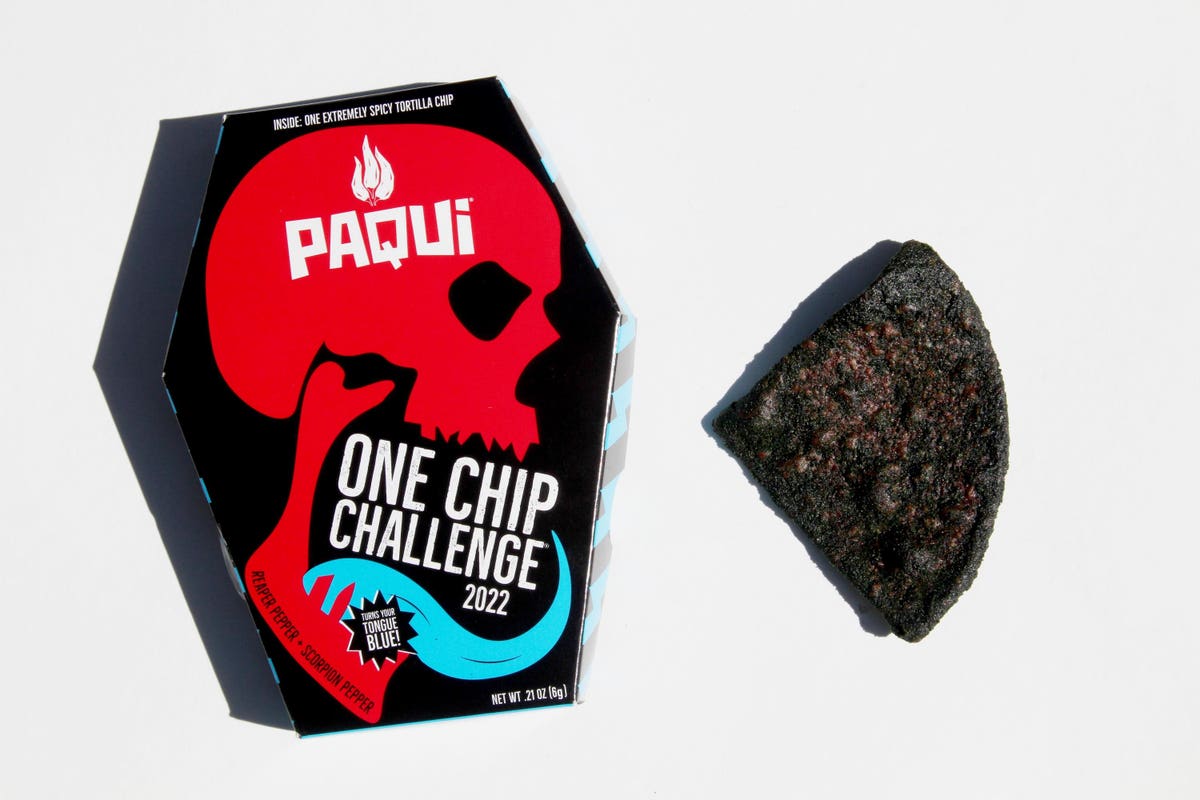
A 14-year-old boy tragically died after participating in the Paqui One Chip Challenge, where participants eat a tortilla chip dusted with the Carolina Reaper and Naga Viper peppers. While the cause of death has not been confirmed, the boy had complained of feeling unwell after consuming the chip and later experienced a rapid deterioration in his condition. The challenge has gained popularity on social media, with videos showing people suffering from extreme discomfort after eating the chip. The effects of capsaicin, the compound responsible for the heat in these peppers, can cause swelling, difficulty breathing, chest pain, stomach cramping, nausea, vomiting, and painful bowel movements. It is important to listen to your body and avoid consuming excessively spicy foods, as they can pose serious health risks.
A 14-year-old boy in Massachusetts died after participating in the viral "One Chip Challenge," which involves eating an extremely spicy tortilla chip seasoned with capsaicin from Carolina Reaper and Naga Viper peppers. It is unclear if the chip contributed to his death, and an investigation is underway. Capsaicin consumption can cause mouth and throat pain, as well as more serious health issues such as heart attack and esophageal damage.
A 14-year-old Massachusetts teen died after participating in the viral "One Chip Challenge," where participants eat an extremely spicy chip and see how long they can last without relief. The teen developed a stomach ache after consuming the chip at school, but started feeling better at home before passing out and being rushed to the hospital, where he was pronounced dead. The cause of death is still unknown, but the teen's family believes it was related to the spicy snack. The chip's company warns of potential adverse medical effects and advises seeking medical assistance if experiencing trouble breathing or prolonged nausea.