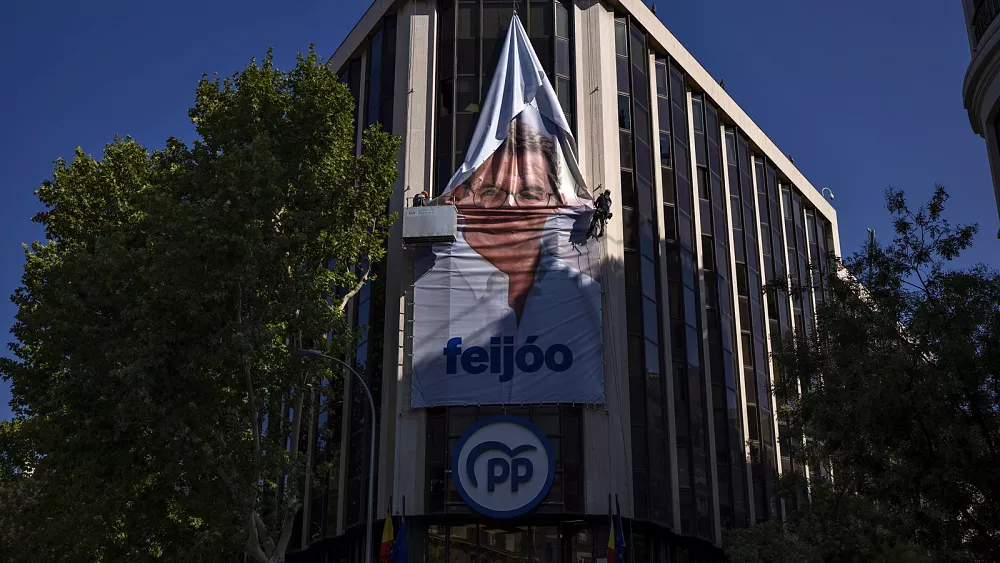
The inconclusive results of Spain's general election have left the European Union uncertain about the political direction of its fourth-largest member. The conservative Partido Popular (PP) won the highest share of votes, but neither PP nor the socialists (PSOE) of incumbent prime minister Pedro Sánchez have enough seats to secure a majority. The far-right party Vox underperformed, denting its potential as a coalition partner. The election outcome raises questions about the future of the EU and the possibility of repeat elections in Spain. The country's ongoing political gridlock may also impact its role as the current holder of the EU Council presidency.
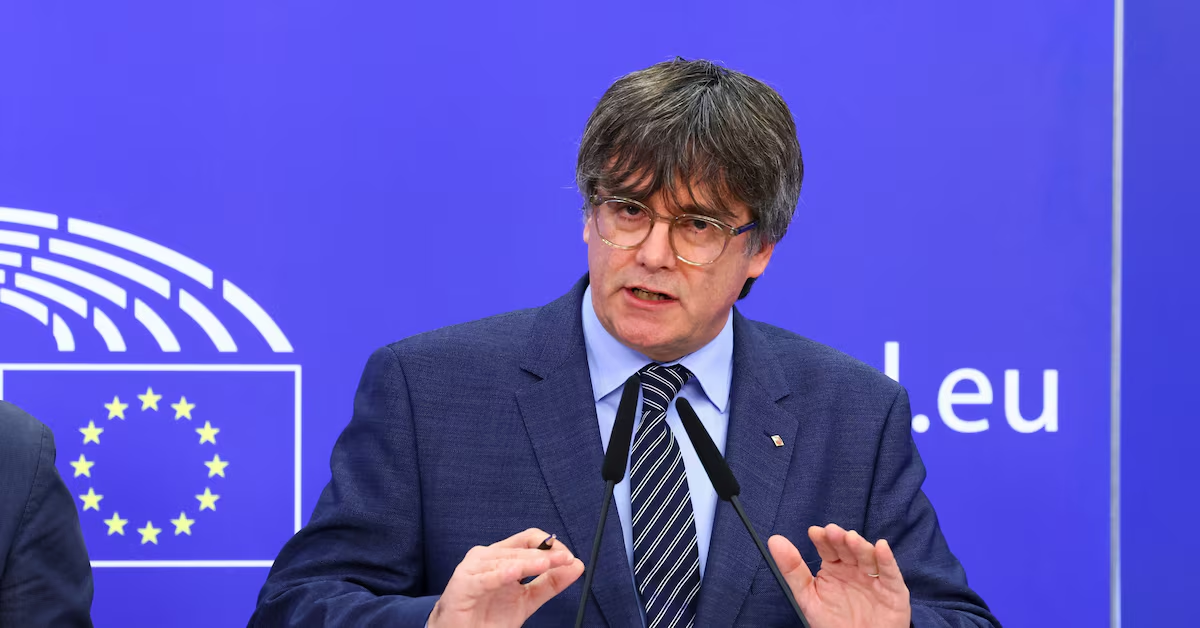
The recent Spanish election resulted in a hung parliament, with no bloc on the left or right winning enough seats to form a majority. Former Catalan regional government head Carles Puigdemont, who is in self-imposed exile in Belgium, could hold the key to breaking the impasse. Socialist Prime Minister Pedro Sanchez may need the support of Puigdemont's Junts party in exchange for concessions on independence. The ruling Socialists and far-left Sumar have more possibilities for negotiating support from small Basque and Catalan separatist parties. However, Puigdemont has previously stated that his party will not support Sanchez. The Catalan independence movement continues to lose votes, and negotiations are expected to be challenging. If no candidate secures a majority within two months, new elections must be held.