Spain's parliament has passed a bill granting amnesty to hundreds of Catalan secessionists involved in the 2017 independence bid, including exiled leader Carles Puigdemont. The controversial bill, which faced significant opposition and legal challenges, aims to resolve Spain's political crisis but may still encounter further legal hurdles. Prime Minister Pedro Sanchez supported the bill to secure parliamentary backing from Catalan parties. Public opinion on the amnesty is divided, with significant protests and varying regional support.
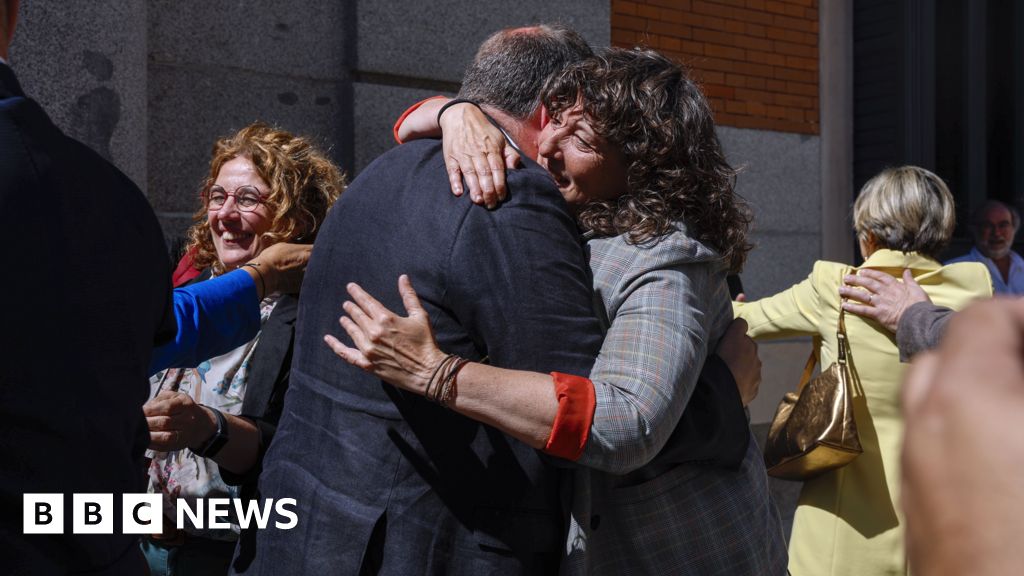
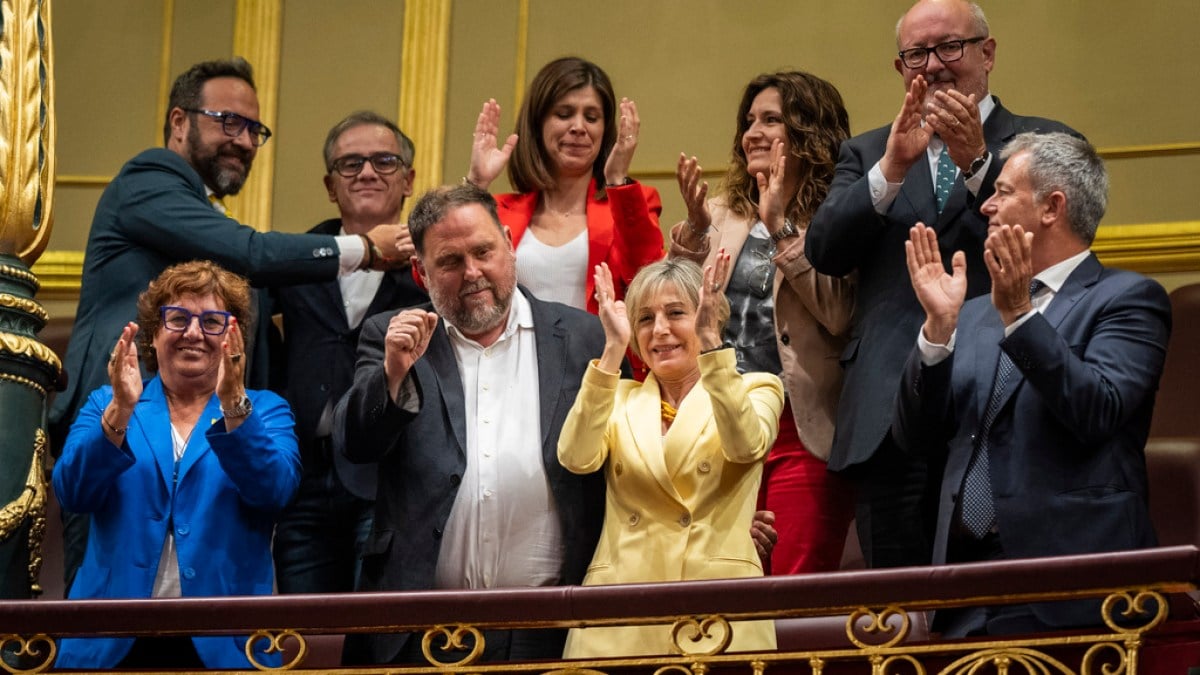
Spain's Congress has approved a controversial amnesty law for Catalan nationalists, which will withdraw pending legal actions related to separatist activities, including the 2017 independence referendum. The law, backed by a narrow majority, is expected to benefit nearly 400 individuals, including former Catalan president Carles Puigdemont. The opposition has criticized the law as political corruption, while supporters argue it is a necessary redress.
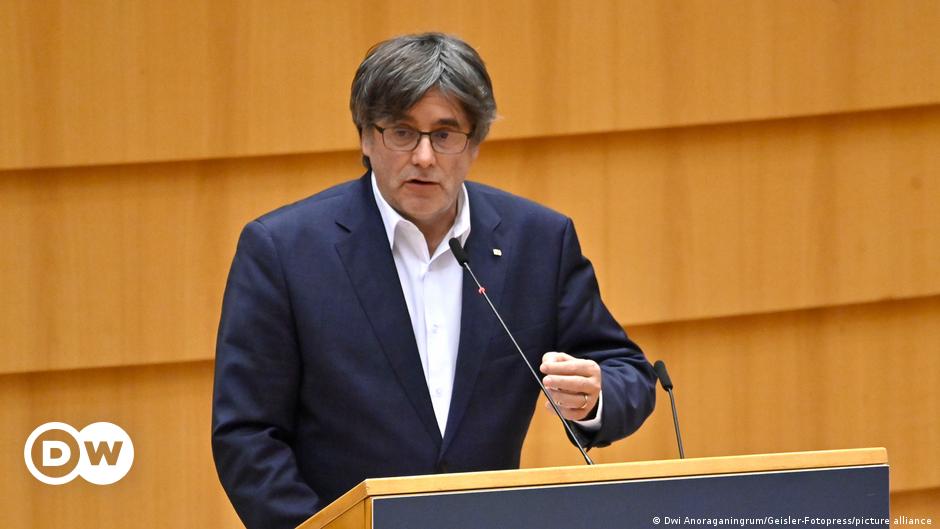
Carles Puigdemont, the Catalan separatist leader currently living in Belgium, has announced his candidacy for the upcoming regional elections in Catalonia, expressing confidence in the controversial Catalan amnesty bill that may allow him to return to his native land. Despite facing uncertainty and opposition, Puigdemont sees the election as a de facto referendum on Catalonia's independence from Spain and is determined to reclaim the presidency he was removed from following the 2017 independence vote.
Spanish lawmakers rejected a divisive Catalan amnesty bill, dealing a blow to Prime Minister Pedro Sanchez's left-wing minority government, which depends on a patchwork of support to pass legislation. The bill, demanded by the hardline separatist party JxCat in exchange for its parliamentary support, was voted against after its last-minute amendments were rejected. The bill, which would apply to those wanted by the justice system over the 2017 Catalan independence bid, faces hurdles in the Senate and legal challenges, with some members of the judiciary opposing it.
Spain's congress rejected an amnesty law aimed at aiding Catalan separatists involved in the 2017 independence bid, with the Junts party voting against it to protect their leader Carles Puigdemont. The bill's failure highlighted the fragility of the government's alliances, as it fell five votes short of the majority needed. The rejection raises uncertainty about Puigdemont's potential return and exacerbates tensions in the ongoing Catalan independence issue, with the bill now set to be redrawn within two weeks and facing opposition in the Senate.
Carles Puigdemont, the Catalan separatist leader, has once again made waves in Spanish politics by providing crucial support for a Socialist-led government in Madrid. In return, Puigdemont secured a promise of amnesty for Catalan separatists, including himself, which has sparked protests and divided the country. Puigdemont, who has been living in self-imposed exile in Brussels since 2017, played a key role in Catalonia's failed bid for independence in 2017 and has faced charges of disobedience and misuse of public funds in Spain. Despite facing extradition requests, he has managed to avoid lengthy detention.
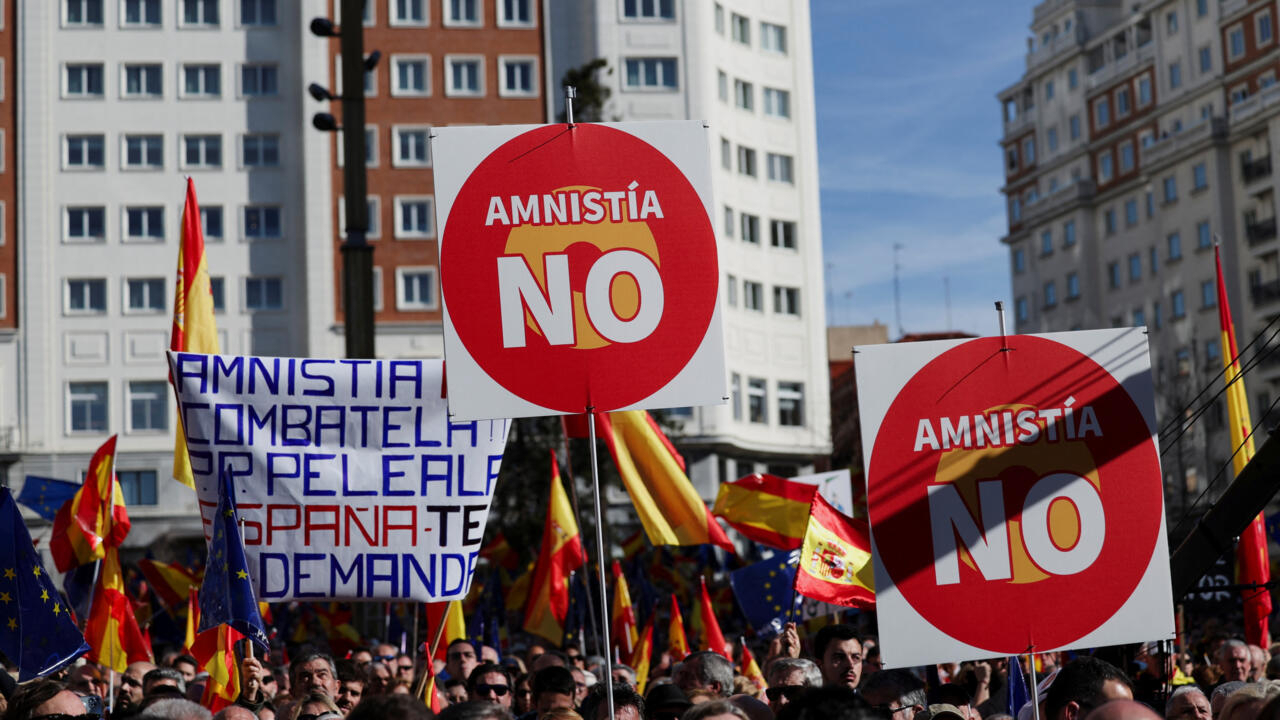
Thousands of far-right protesters, mainly from the Vox party, demonstrated in Madrid against Spanish Prime Minister Pedro Sánchez's support for amnesty for Catalan separatists. Sánchez argued that amnesty was necessary for a "total reunion" in Catalonia and to gain support from Catalan parties. Protesters feared the amnesty would benefit Carles Puigdemont, the leader of JxCat, whom they consider an "enemy of the state." The amnesty is part of Sánchez's efforts to secure support in parliament after failing to gain a majority in July's leadership contest.
Carles Puigdemont, the former Catalan leader who fled to Belgium in 2017, has demanded amnesty for himself and other separatist leaders as a condition to support the Spanish Prime Minister, Pedro Sánchez. Puigdemont's demand comes as negotiations are underway to form a new government in Spain, and he seeks to secure a political solution for Catalonia's independence movement.
The recent Spanish election resulted in a hung parliament, with no bloc on the left or right winning enough seats to form a majority. Former Catalan regional government head Carles Puigdemont, who is in self-imposed exile in Belgium, could hold the key to breaking the impasse. Socialist Prime Minister Pedro Sanchez may need the support of Puigdemont's Junts party in exchange for concessions on independence. The ruling Socialists and far-left Sumar have more possibilities for negotiating support from small Basque and Catalan separatist parties. However, Puigdemont has previously stated that his party will not support Sanchez. The Catalan independence movement continues to lose votes, and negotiations are expected to be challenging. If no candidate secures a majority within two months, new elections must be held.
The Court of Justice of the European Union has upheld the decision to strip former Catalonia leader Carles Puigdemont and two other Catalan separatist MEPs of their legal immunity. The ruling means that Puigdemont, who lives in exile in Belgium, could be extradited to Spain where he still faces charges of disobedience and embezzlement. The court dismissed the MEPs' arguments and stated that the charges are within the remit of Spanish authorities. Puigdemont plans to appeal the ruling.