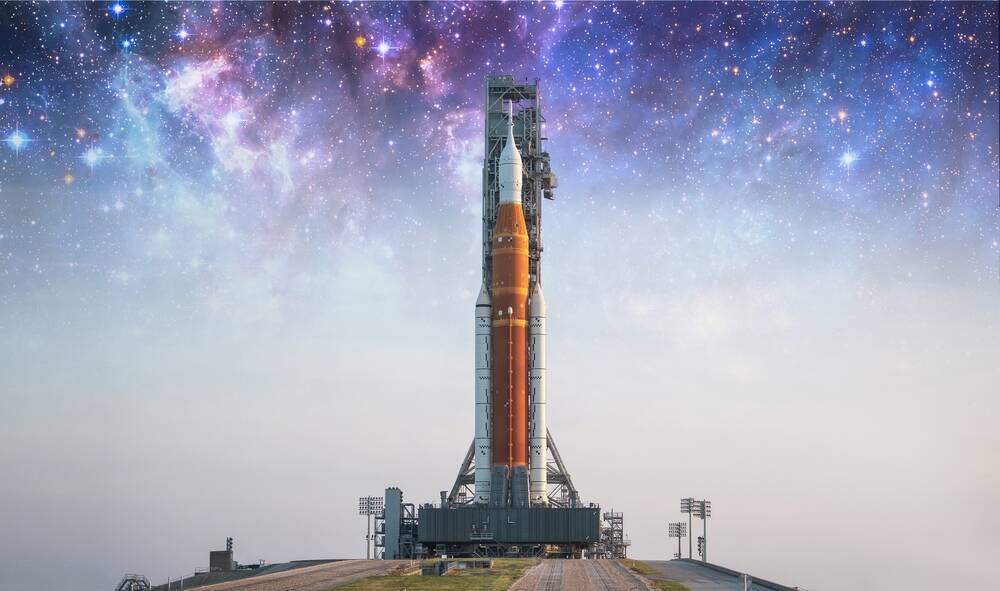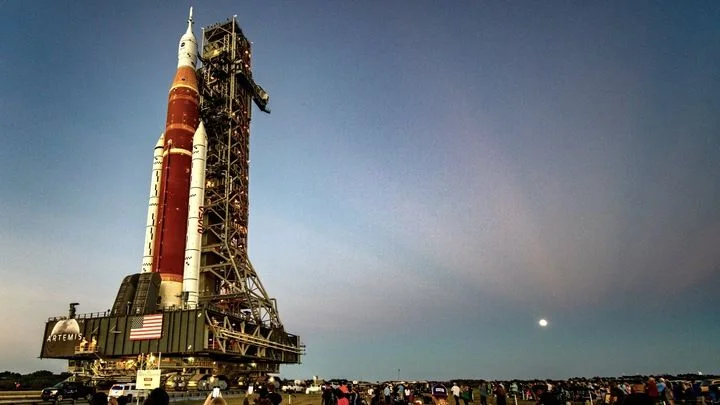
NASA has begun assembling the SLS rocket for the Artemis III lunar landing mission planned for 2027, aiming for a landing at the lunar South Pole, with potential delays and uncertainties due to budget issues and challenges with SpaceX's Starship tests.
The article discusses the challenges of manufacturing modern smartphones in the US, highlighting that most processors are not made domestically, and reviews recent tech news including SpaceX's failed Starship test, AI image generation via WhatsApp, and new wearable sleep trackers from Garmin.
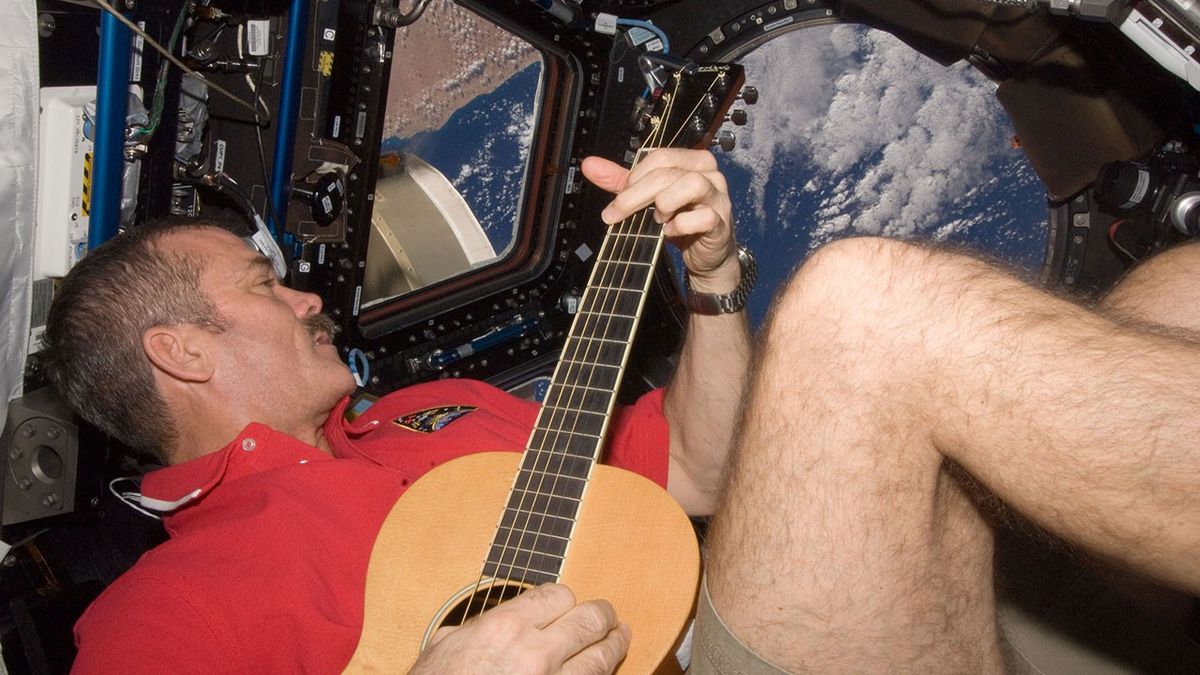
Astronaut Chris Hadfield, the retired Canadian Space Agency astronaut known for his social media presence during his time on the International Space Station, expressed his interest in flying on SpaceX's Starship for a trip around the moon. Hadfield, who is a consultant to SpaceX, praised the potential of the Starship and stated that he would love the opportunity to fly it. He also discussed the growth of Canada's space program and highlighted the upcoming missions involving Canadian astronauts, including Jeremy Hansen's flight around the moon with Artemis 2 and Josh Kutryk's mission to the International Space Station on Boeing Starliner. Hadfield also mentioned Jenni Gibbons as a potential future Canadian astronaut to set foot on the moon.
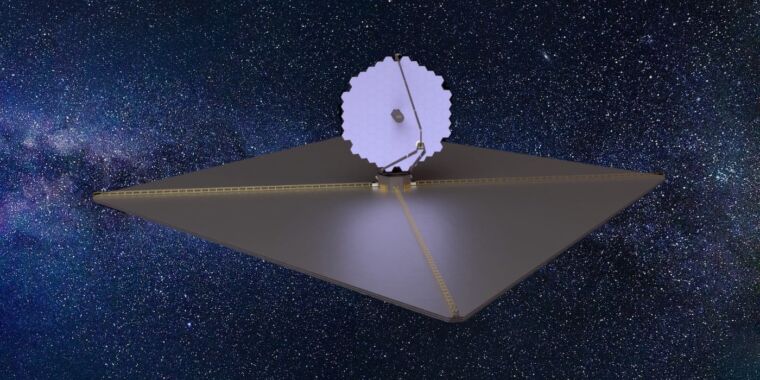
Leading American astronomers are advocating for NASA's next generation of space telescopes to be launched using giant rockets like SpaceX's Starship or Blue Origin's New Glenn. These rockets offer greater lift capabilities, allowing telescopes to be larger and more complex without the constraints of mass and volume limitations. The astronomers believe that taking advantage of these new launch vehicles will revolutionize future astronomy missions and enable the study of exoplanets and the formation of stars, black holes, and galaxies. NASA is expected to follow the recommendations of the scientific community and begin development of these new telescopes by the end of the decade.
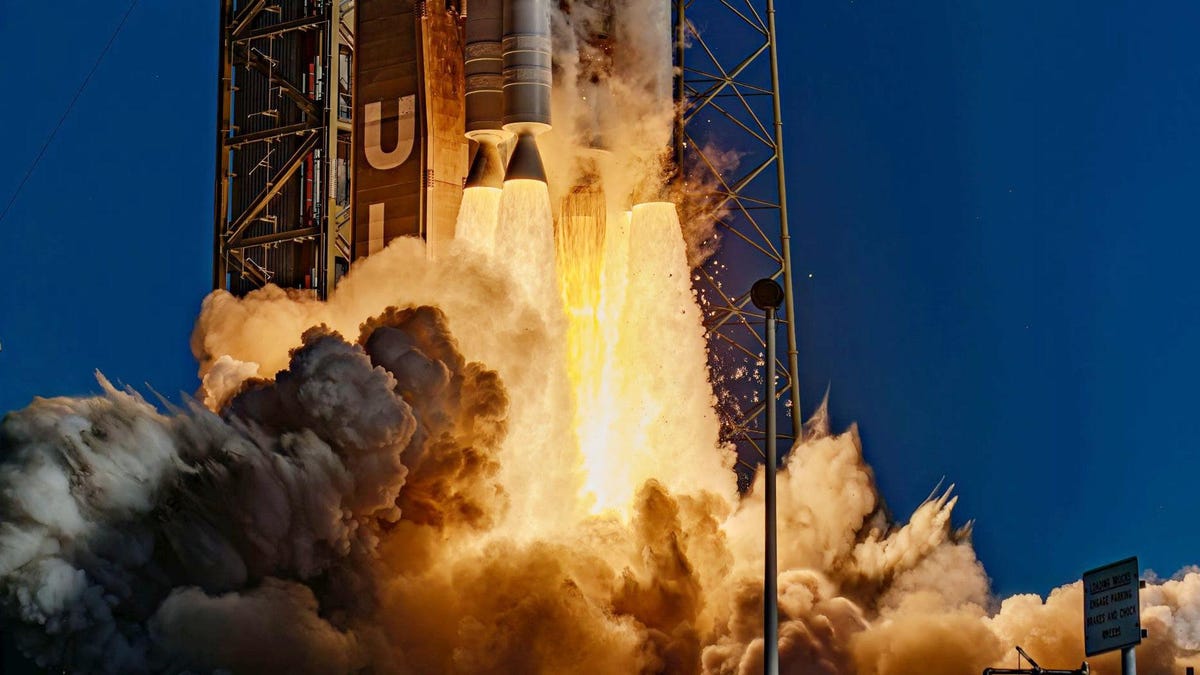
September was filled with exciting moments in spaceflight, including the successful landing of a capsule containing samples from asteroid Bennu collected by NASA's OSIRIS-REx mission, the capture of images of India's Chandrayaan-3 lunar landing site by NASA's Lunar Reconnaissance Orbiter, the modification of a camera on the Solar Orbiter probe to capture unique images of the Sun's corona, the successful test flight of Stoke Space's reusable second-stage rocket, and the stacking of SpaceX's Starship upper stage for its second flight. Additionally, NASA astronaut Frank Rubio set a new record for the longest single spaceflight by a U.S. astronaut, spending over a year on the International Space Station.