Rick Tumlinson, founder of SpaceFund, discusses the evolving concept of family in space settlements, emphasizing that survival in such extreme environments will necessitate close-knit, interdependent units. He argues that these new space families, formed by shared goals and mutual trust rather than bloodlines, will revive and enhance the concept of family, fostering a culture of openness and cooperation essential for survival.

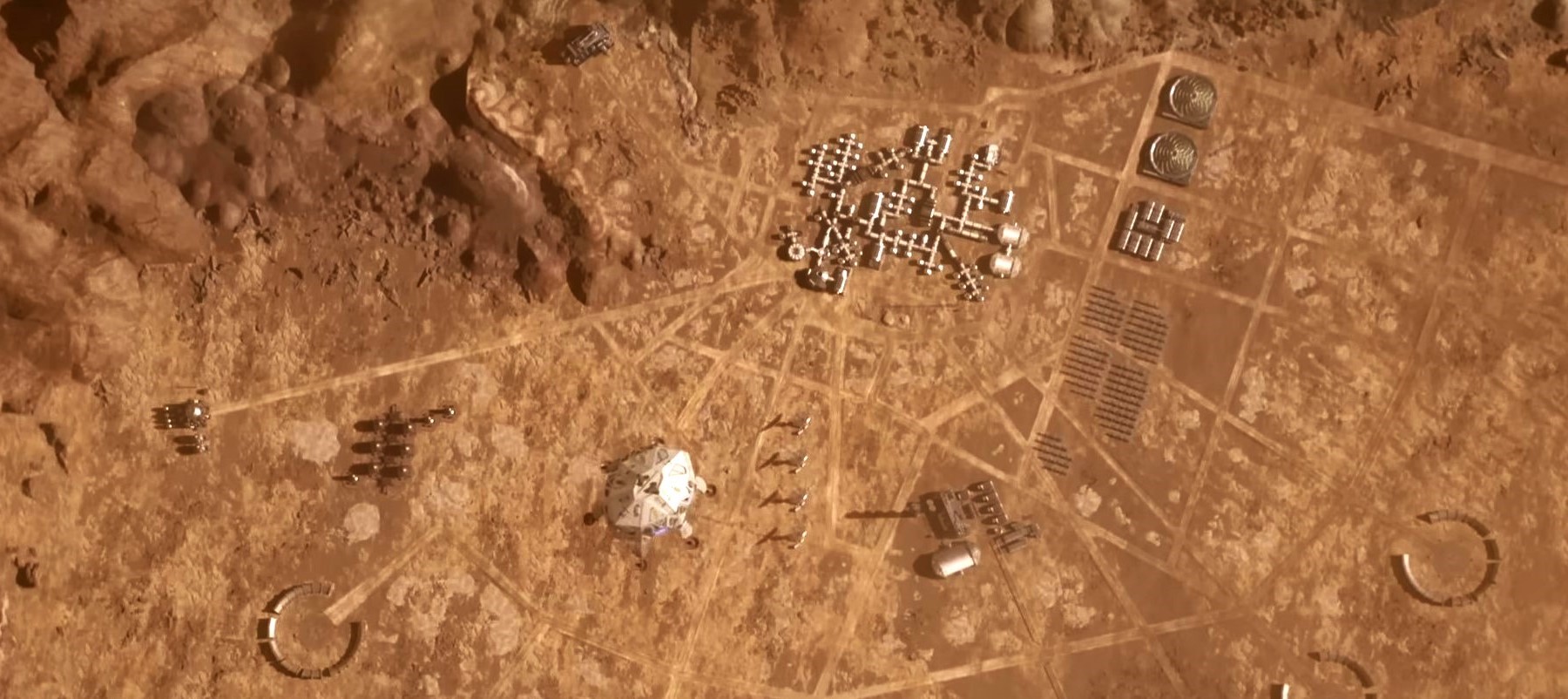
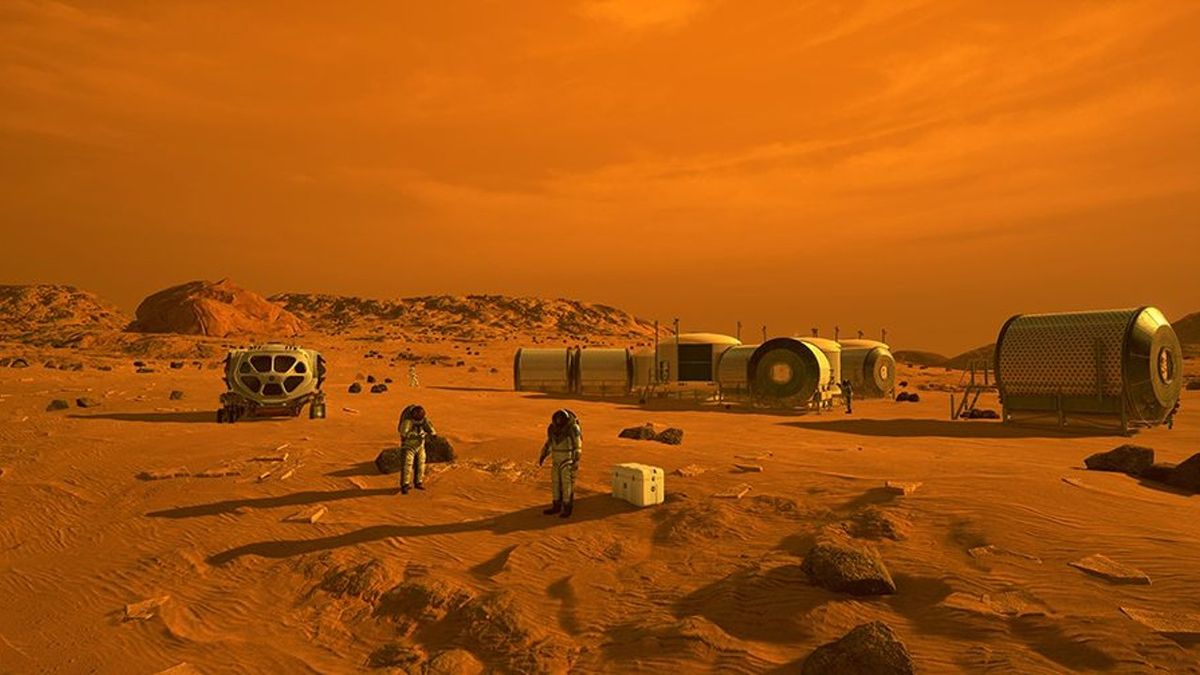
In their new book, "A City on Mars: Can We Settle Space, Should We Settle Space, and Have We Really Thought This Through?", authors Kelly and Zach Weinersmith debunk the myths surrounding the idea of colonizing Mars. They highlight the lack of knowledge about the long-term effects of space on the human body, the challenges of transporting food and supplies, the potential for territorial conflicts, and the inhospitable conditions on Mars. While they acknowledge the potential of Mars as a second home for humanity, they argue for a cautious and long-term approach, waiting for significant advancements in science, technology, and international law before sending large numbers of settlers.
A new book titled "A City on Mars" by Kelly and Zach Weinersmith explores the challenges and uncertainties surrounding the idea of building cities in space. The authors found that there is little research on the long-term health effects of living on the moon or Mars, particularly in relation to human reproduction and development. They also highlight the legal complexities and potential conflicts over property rights in space. The Weinersmiths argue that more research and international negotiations are needed before humanity can realistically establish sustainable space settlements.
SpaceBorn United, a biotech startup, plans to send a mini lab into low Earth orbit next year to study human reproduction away from Earth. The CEO, Egbert Edelbroek, aims to explore the possibility of in vitro fertilization (IVF) in space and understand the effects of space on the human reproductive system. With the rise of space tourism, it is crucial to prepare for potential pregnancies in space. While some animal studies suggest normal reproductive function in space, others indicate potential complications. The mini lab, about the size of a shoebox, will systematically isolate each step of the reproductive process and replicate different gravitational environments. The embryos will be cryogenically frozen for their return to Earth.