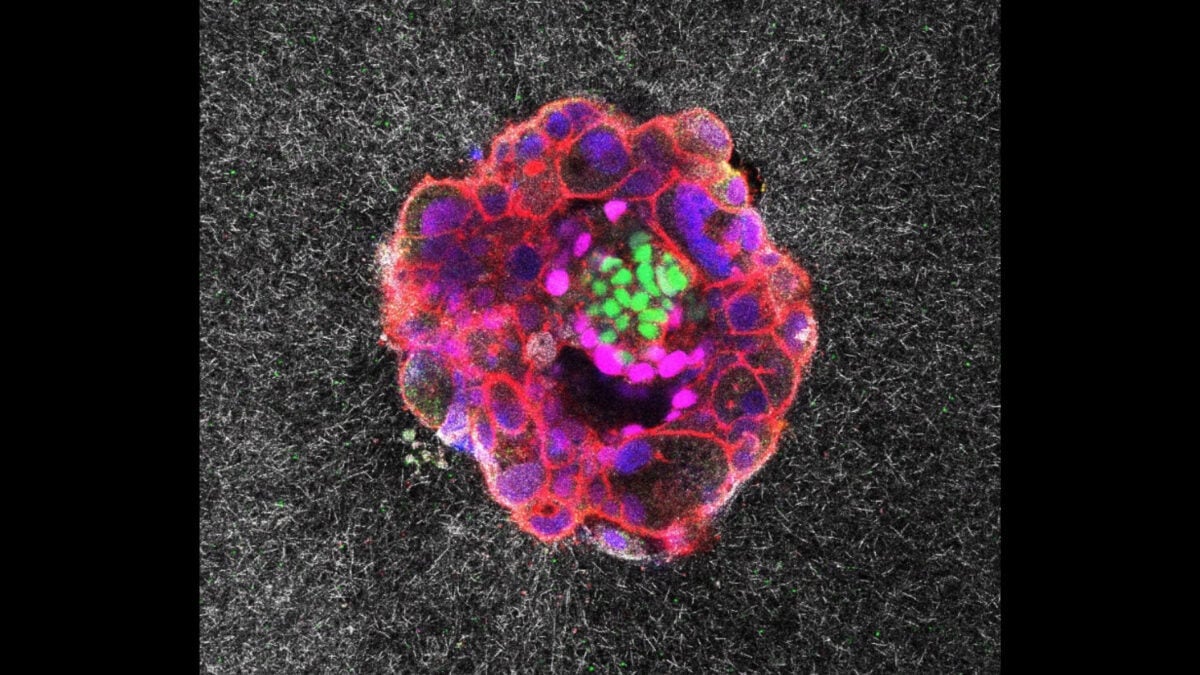
Scientists at IBEC and Dexeus University Hospital captured the first real-time footage of human embryo implantation, revealing that human embryos use force to burrow into the uterus, which could lead to improved fertility treatments and a better understanding of early pregnancy failures.
SpaceBorn United, a biotech startup, plans to send a mini lab into low Earth orbit next year to study human reproduction away from Earth. The CEO, Egbert Edelbroek, aims to explore the possibility of in vitro fertilization (IVF) in space and understand the effects of space on the human reproductive system. With the rise of space tourism, it is crucial to prepare for potential pregnancies in space. While some animal studies suggest normal reproductive function in space, others indicate potential complications. The mini lab, about the size of a shoebox, will systematically isolate each step of the reproductive process and replicate different gravitational environments. The embryos will be cryogenically frozen for their return to Earth.
The first sexual encounters between humans in space could happen within the next decade as space tourism becomes more prevalent, but experts are concerned about the potential risks of human conception in space. The lack of knowledge about the impact on human reproduction and the potential for developmental abnormalities in embryos conceived in space raises concerns. Pre-spaceflight counseling and legal waivers to absolve space tourism operators of liability are suggested as possible solutions to mitigate the risks.