The ISDC 2025 conference in Florida will gather global space leaders to discuss innovations, missions, and strategies for space exploration and settlement, with topics including Mars, lunar bases, planetary defense, and international collaboration, featuring notable speakers like Pascal Lee and Gretchen Green.
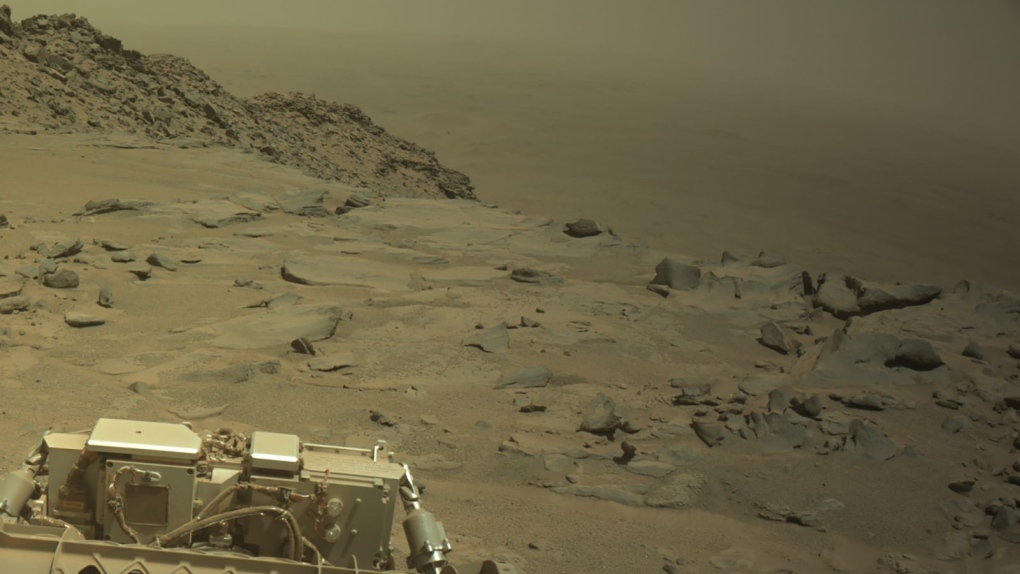
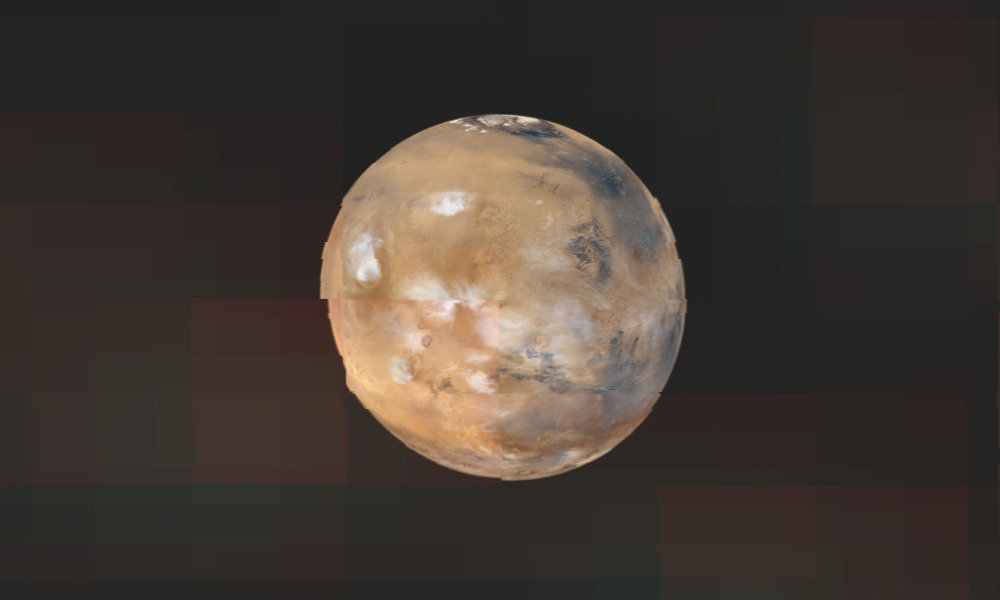
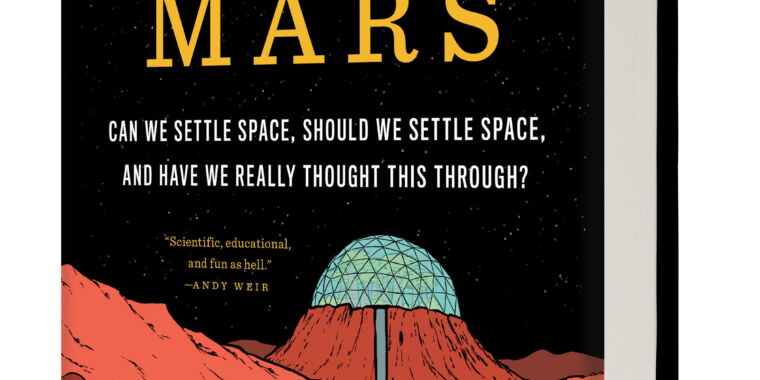
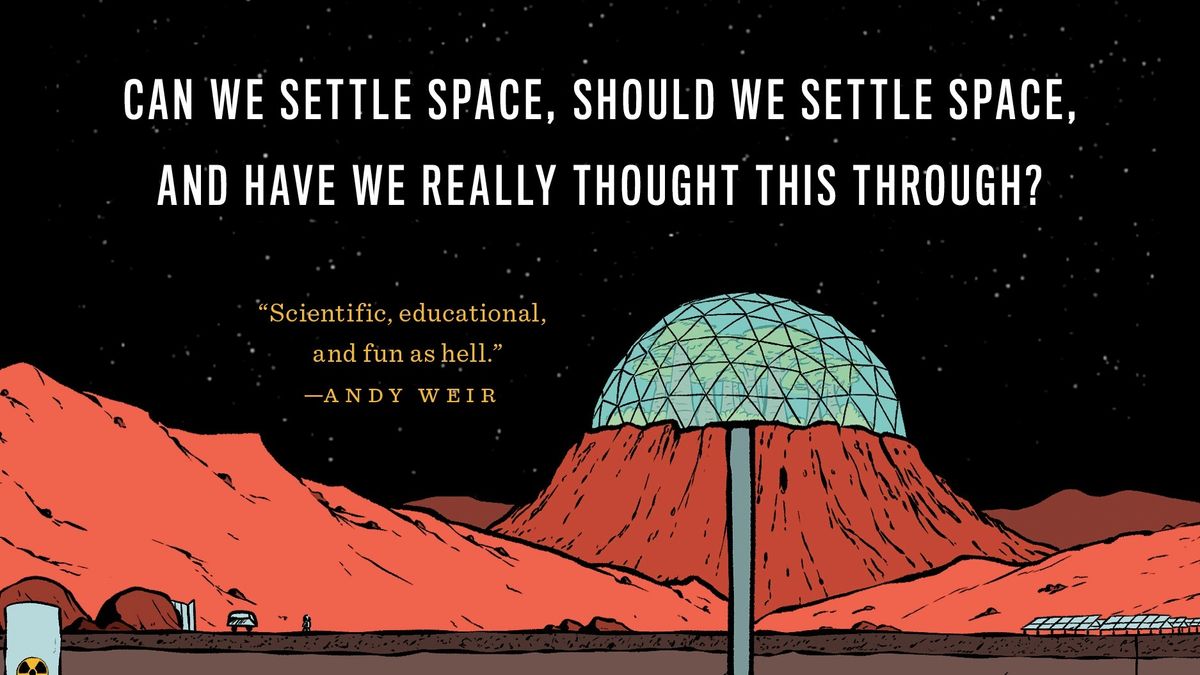
The book "A City on Mars" by Kelly and Zach Weinersmith, which won the 2024 Royal Society Trivedi Science Book Prize, argues that Elon Musk's plan to settle Mars within 30 years is unrealistic due to the planet's harsh environment and numerous unresolved challenges. The authors, initially optimistic about space colonization, became skeptical after researching issues like reproduction, radiation, and ecological sustainability on Mars. They suggest that while research and exploration are feasible, establishing a self-sustaining human settlement on Mars is unlikely in the near term.
The concept of terraforming, or transforming the surface of a planet or moon into a more Earth-like environment, raises complex ethical considerations regarding potential harm to existing extraterrestrial life and ecosystems. Advocates see it as a crucial step toward creating a multi-planet civilization, while opponents argue that it could inadvertently exterminate unique species or ecosystems. The debate over whether to terraform a planet like Mars, especially if microbial life is discovered, highlights the ethical dilemma of balancing human expansion in space with the preservation of potential extraterrestrial life.
The possibility of settling space depends on extensive research and addressing the challenges and risks involved. While there is enthusiasm for living in space, there is still much that is unknown, particularly regarding the human experience in future settlements. Research on closed-loop ecologies and space medicine is crucial, as well as understanding the radiation risks and physical effects of living on Mars or the Moon. Additionally, the legal framework governing space exploration needs to be updated to ensure the protection of human rights. Despite the challenges, there is a path forward, and investing in research and creating a peaceful and sustainable future in space is essential.
"A City on Mars" by Kelly and Zach Weinersmith explores the challenges and uncertainties of establishing a human settlement on Mars. The book delves into various aspects such as human biology, technology, law, and population viability, highlighting the lack of knowledge and preparedness in these areas. The authors argue for thorough research and experimentation on Earth before sending people to Mars, emphasizing the need to address practical problems and clarify space laws to avoid potential conflicts. Ultimately, the book questions the ethical implications of risking human lives without sufficient understanding of the long-term effects of space settlement.
Authors Kelly and Zach Weinersmith argue that the current discourse around space settlement, particularly on Mars, is naively optimistic and lacks realism. In their book "A City on Mars," they address the unanswered questions and challenges of human life in space, including reproduction, space farming, democracy, and legal frameworks. The authors emphasize the need for more research and a comprehensive understanding of the complexities involved before humans can actually live in space. While remaining excited about space exploration, the Weinersmiths advocate for a slower and more thoughtful approach to space settlement.