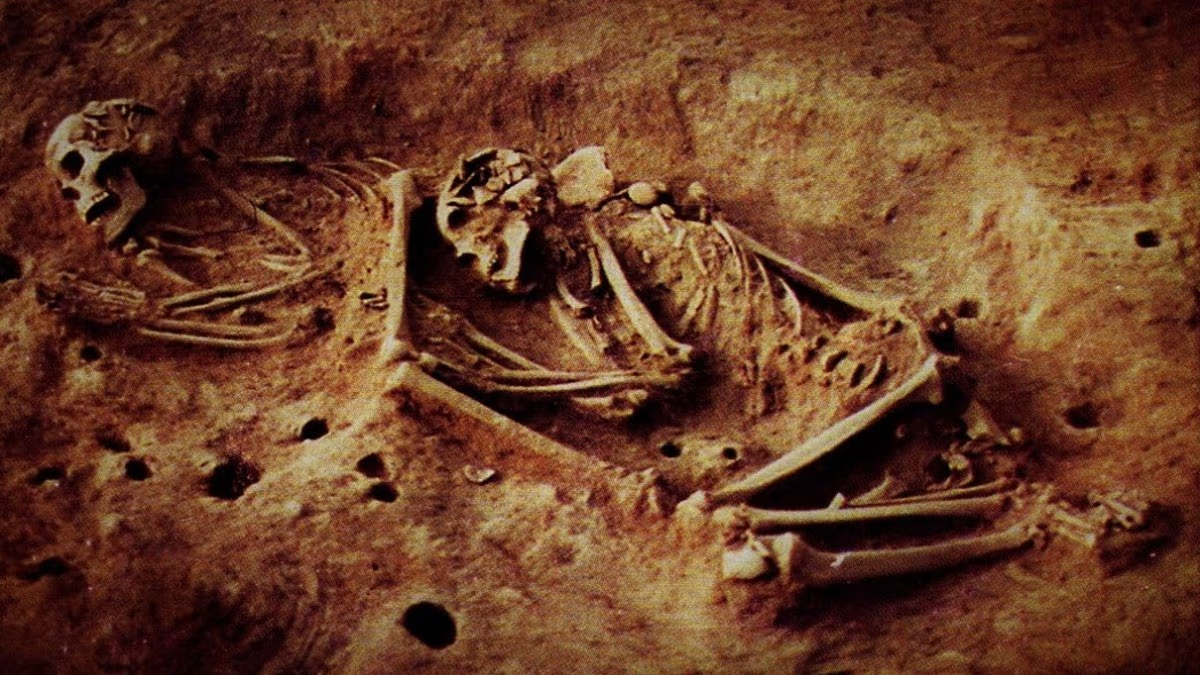
Archaeologists in Colombia uncovered 6,000-year-old skeletons with unique DNA that suggests a now-extinct lineage of early South Americans, revealing new insights into human migration and population changes in the region over millennia.
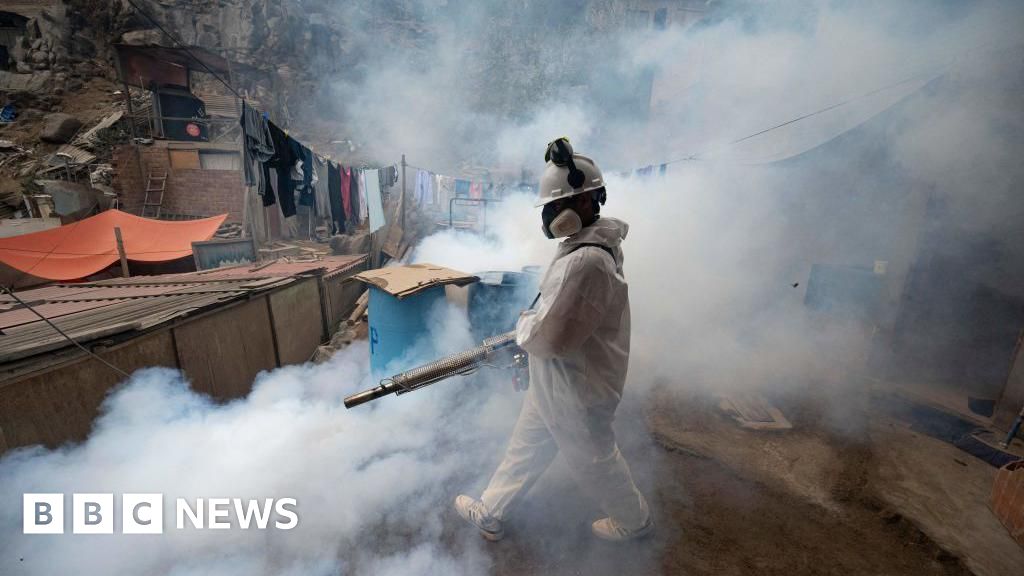
Central and South America are experiencing a record outbreak of dengue fever, with cases nearly tripling to over 12.6 million and 7,700 deaths, according to the Pan American Health Organisation. Brazil, Argentina, Colombia, and Mexico are the most affected. The outbreak is attributed to a hotter, wetter climate and poor waste management, which increase mosquito breeding. Children are particularly at risk, with a significant percentage of severe cases and deaths occurring in those under 15. Vaccination efforts are underway in some regions, while others plan to start in 2025.
Authorities are investigating a potential connection between a series of home burglaries targeting high-profile athletes, including Patrick Mahomes, Travis Kelce, and Bobby Portis, and a South American crime ring. These burglaries, which occurred while the athletes were away for games, are part of a broader pattern of thefts in wealthy communities across several states. Law enforcement is exploring various leads, including local involvement, as they work to solve these cases.
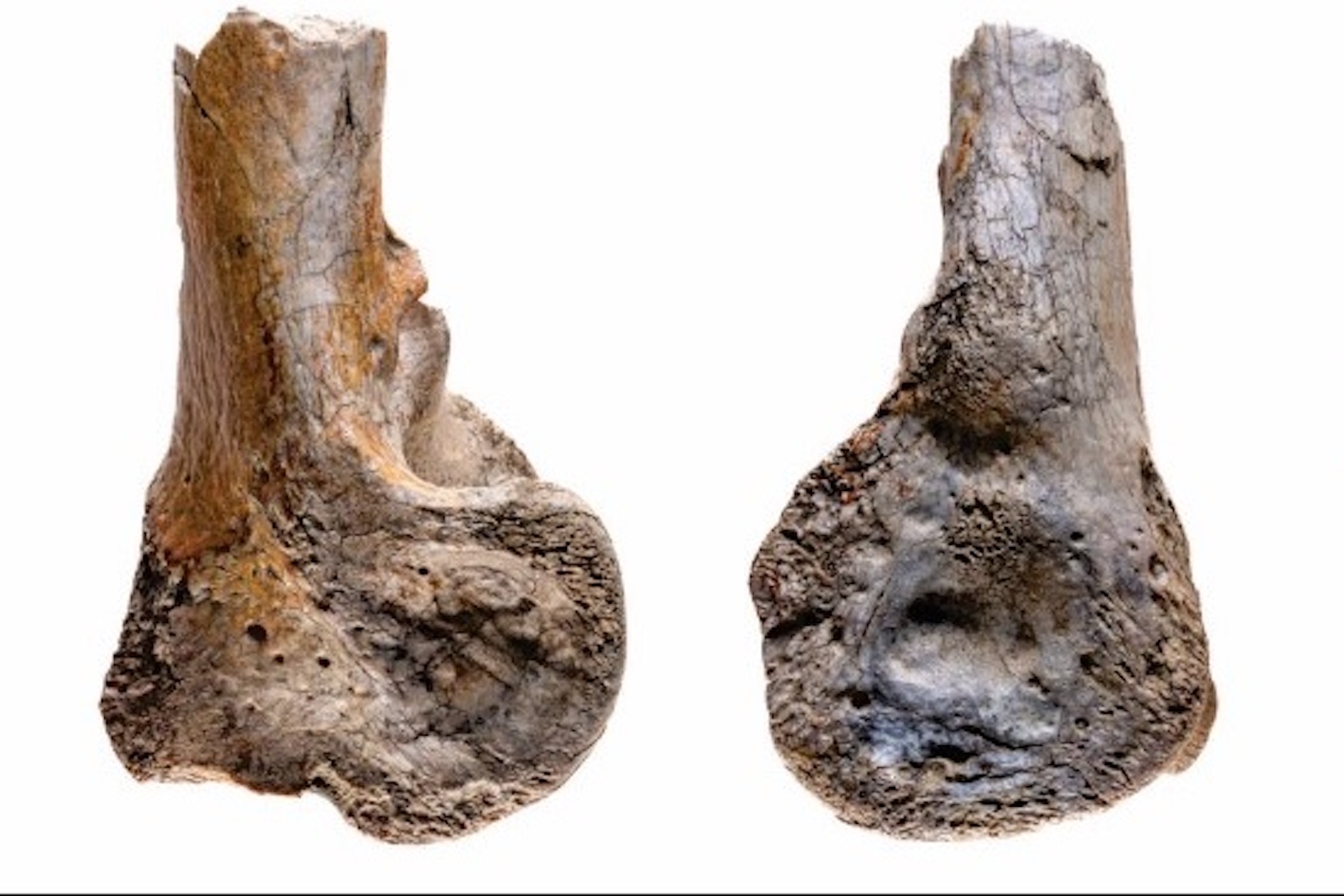
A newly identified fossil of a 'terror bird' from the Middle Miocene era, discovered in Colombia, may represent the largest known member of its kind. The fossil, a fragment of a lower leg bone, suggests the bird was over 2.5 meters tall and weighed more than 150 kilograms. This discovery, detailed in a study published in Papers in Palaeontology, marks the northernmost evidence of such birds in South America and hints at a possible new species within the phorusrhacid group, although the limited material prevents definitive classification.
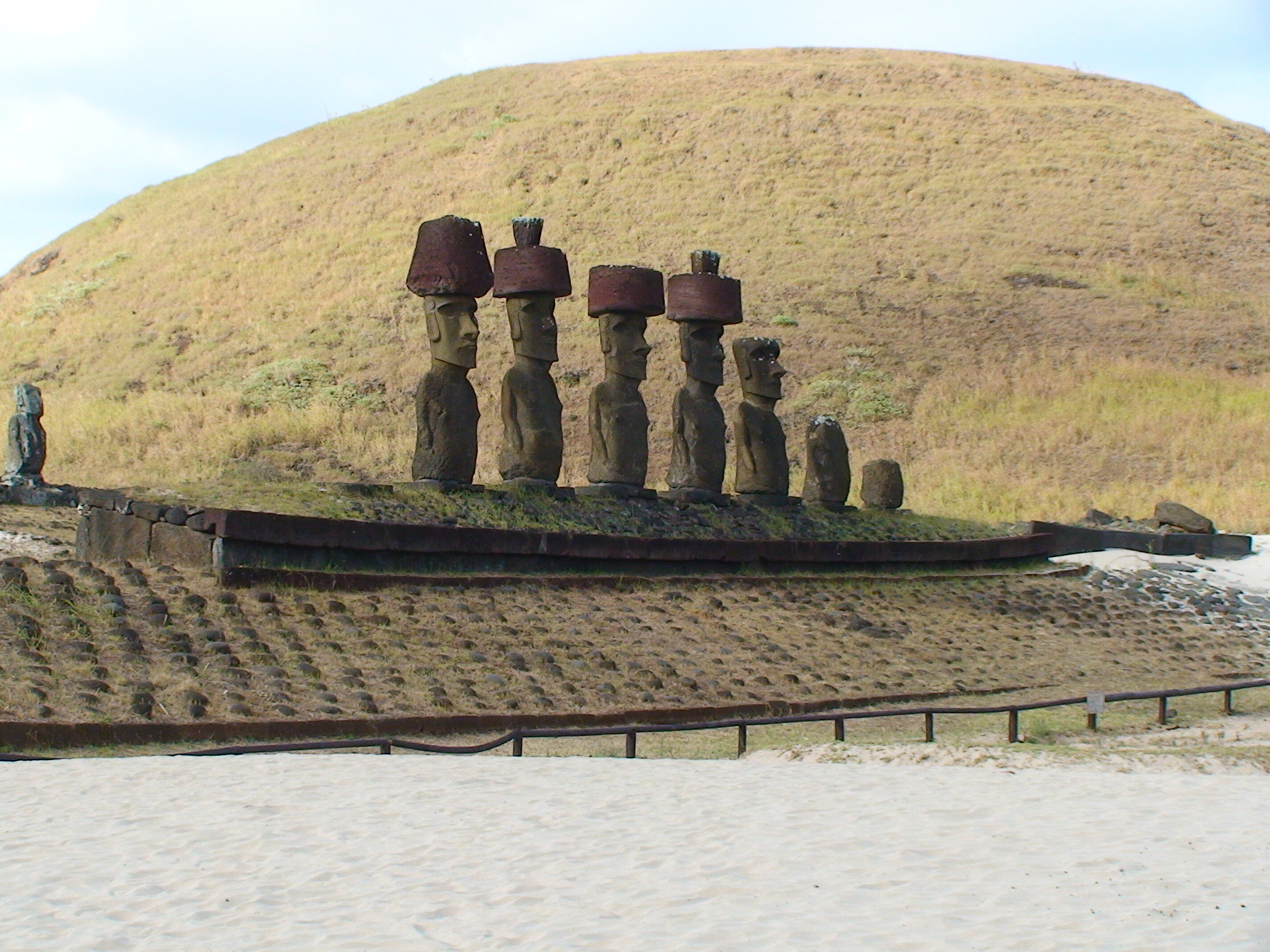
Archaeologists studying obsidian blades on Rapa Nui have found plant material suggesting that early settlers from the island visited South America and returned, possibly multiple times. Analysis of the plant material revealed the presence of South American crops such as cassava, sweet potato, and achira, as well as Tahitian apple and breadfruit, which do not naturally grow on Rapa Nui. This discovery supports the idea that the settlers made voyages to South America and brought back food that was then cultivated on the island.