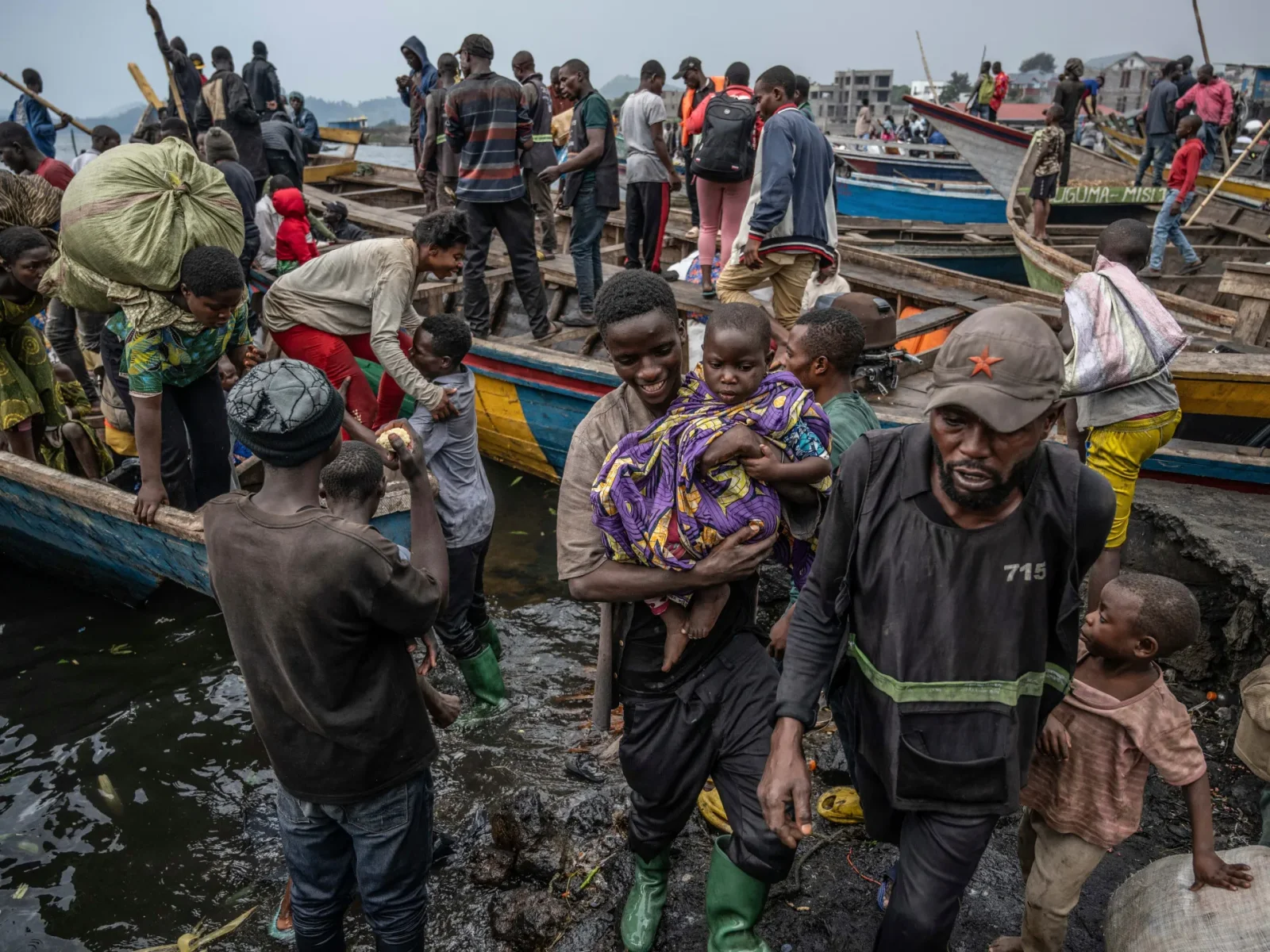
The year 2025 was marked by global turmoil, including conflicts in Gaza, Sudan, India-Pakistan tensions, climate disasters, and widespread protests, as captured in powerful photographs reflecting deepening crises worldwide.
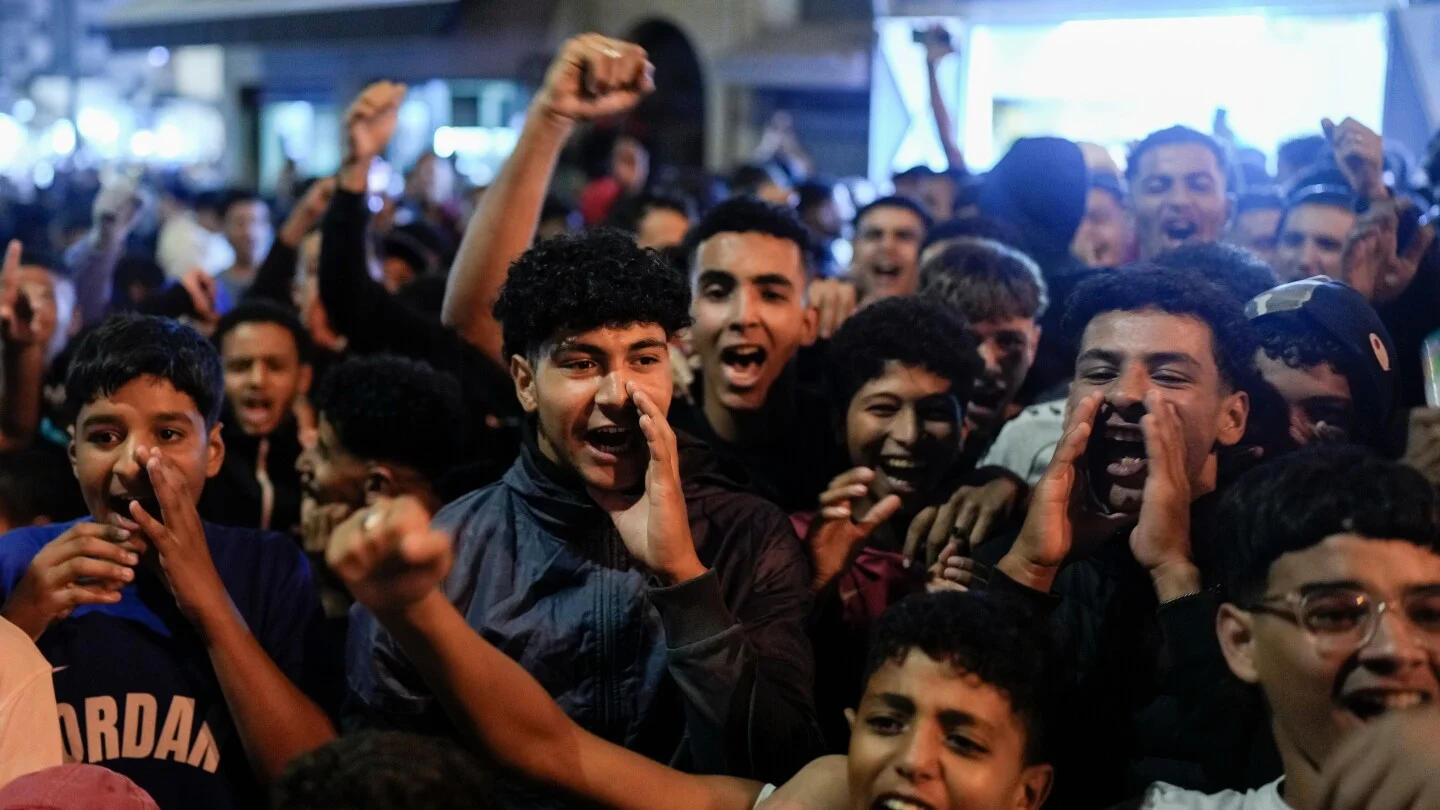
Moroccan authorities arrested over 400 people as youth protests demanding reforms in health and education sectors turned violent, with clashes resulting in injuries and property damage across several cities, driven by discontent over economic disparities and government priorities.
Anti-government protests in Morocco have turned violent for the fourth consecutive night, driven by youth anger over inadequate social services and government spending priorities, especially amid preparations for the 2030 World Cup. The protests, which began peacefully, escalated with clashes, vandalism, and arrests across various cities, highlighting widespread dissatisfaction with healthcare, education, and economic conditions. Authorities have responded with arrests and police measures, while human rights groups and international organizations call for dialogue and reform.
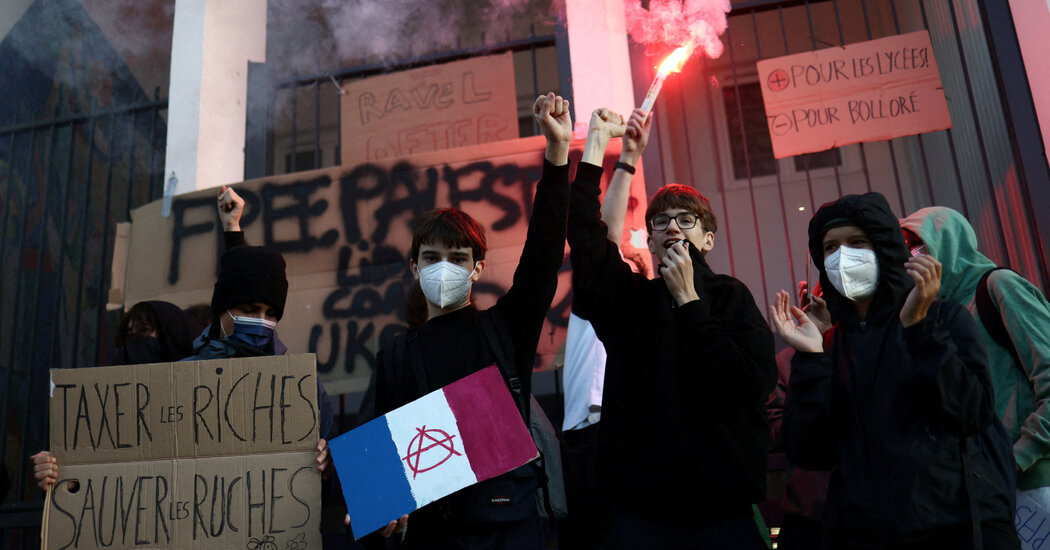
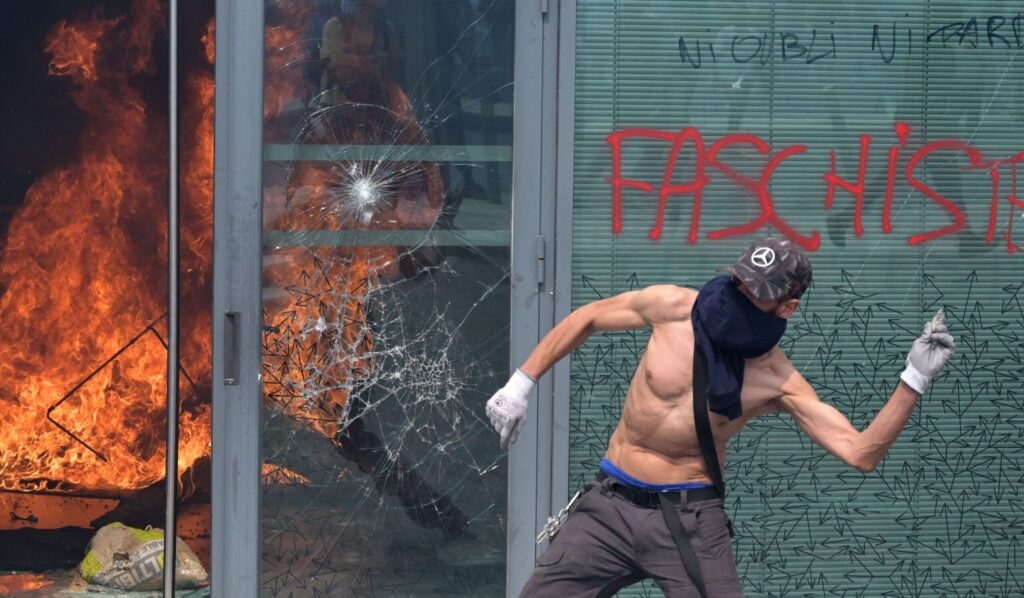
France is experiencing widespread anti-austerity protests and strikes across the country as labor unions and citizens oppose government budget cuts and austerity measures, leading to significant disruptions and political turmoil for Prime Minister Sébastien Lecornu.
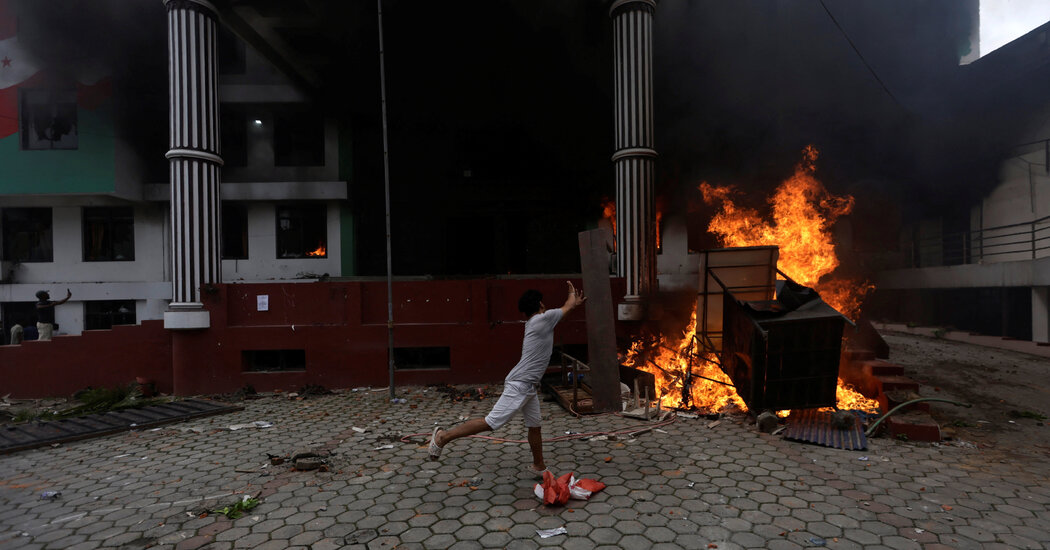
Nepal's Prime Minister K.P. Sharma Oli resigned amid widespread protests over corruption, social media restrictions, and economic issues, with violence and property damage occurring across Kathmandu, leading to a government retreat on social media bans and ongoing political instability.
Dozens of people, including 26 police officers, were injured during unrest at an Eritrean cultural festival in Stuttgart, Germany. Around 200 protesters gathered outside the event and began throwing stones and bottles at police officers and participants. This incident is part of a series of clashes surrounding Eritrean cultural events in Germany and elsewhere. The event was organized by groups close to the Eritrean government, highlighting the divide among the Eritrean diaspora. City officials will take steps to prevent similar unrest in the future.
Activists and counter-protesters clashed during a rally commemorating Eritrean Independence in Bergen, Norway. Counter-protesters threw bottles and stones at rally attendees, resulting in one person injured. Police have closed streets in the area and are responding to the incident, causing disruptions to local road traffic and businesses. Authorities advise avoiding the area and following local security and travel advice.
Protests by Eritrean asylum seekers in Tel Aviv have resulted in around 100 injuries, including police officers. The protests, which started in northern Tel Aviv and spread to southern neighborhoods, were in opposition to the Eritrean government and a cultural event it was hosting. The Eritreans caused extensive damage to a venue and clashed with police, who used stun grenades to disperse the crowd. Similar protests have occurred worldwide.
Widespread riots in France following the police killing of a teenager have given a new platform to the far right, as more voices embrace a hard line against immigration and blame immigrants for the country's social problems. The far right's anti-immigration rhetoric is seeping into mainstream politics, with some politicians linking immigration to the riots. The far-right National Rally party, led by Marine Le Pen, has gained popularity by blaming immigration from North Africa for France's social issues. However, critics argue that successive French governments have failed to integrate new arrivals, leading to higher poverty, unemployment, and discrimination among communities with immigrant backgrounds. The far right's influence is growing, with Le Pen winning over 41% of the vote in the presidential runoff last year.
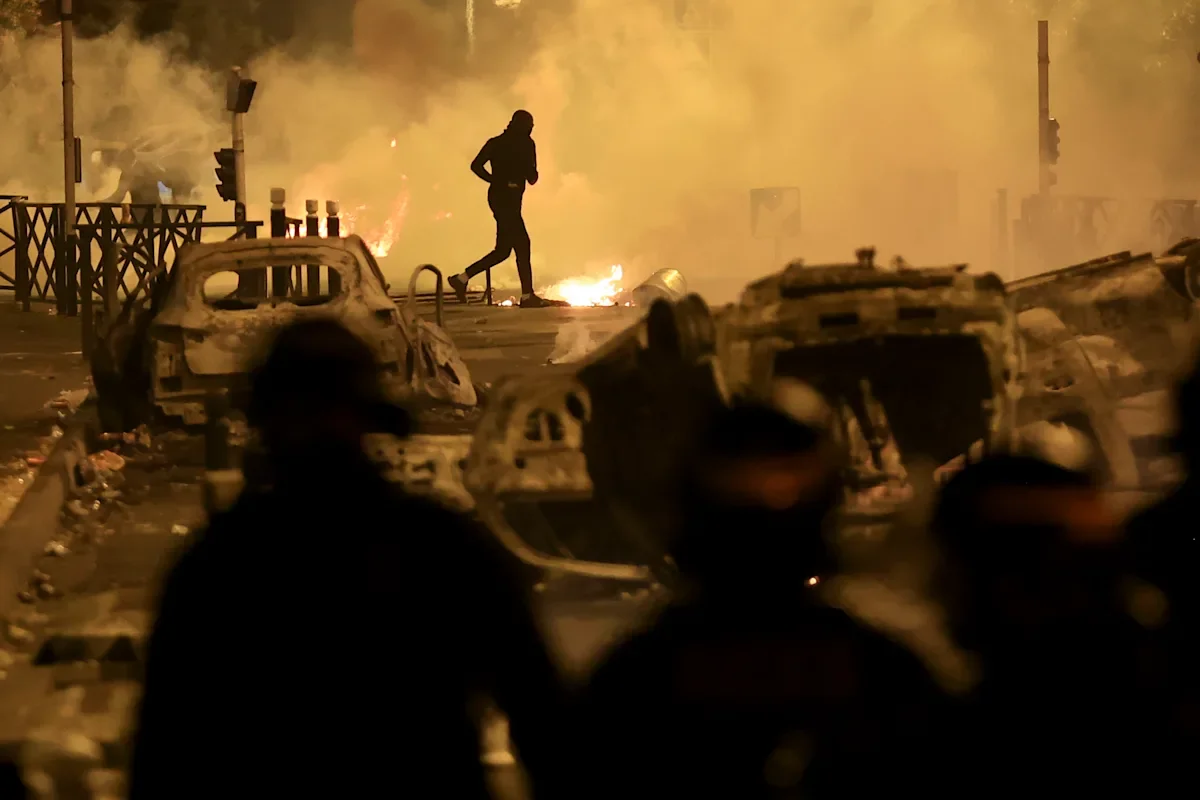
Youth riots erupted across France following the police killing of a 17-year-old boy of Moroccan and Algerian descent. The riots resulted in widespread destruction, with over a thousand buildings burned, damaged, or looted. The violence has sparked debates about abusive policing, economic opportunity, and neglect from the state. While politicians offer various solutions, the riots are expected to have long-term consequences, including boosting the popularity of far-right candidate Marine Le Pen, deepening anger in immigrant-populated suburbs, and further eroding trust in the police force.
The recent riots in France highlight the deep-rooted and growing inequalities within the country, as protesters express their frustration over economic disparities and social inequality. The unrest serves as a reminder of the urgent need to address these entrenched inequalities and work towards a more equitable society.
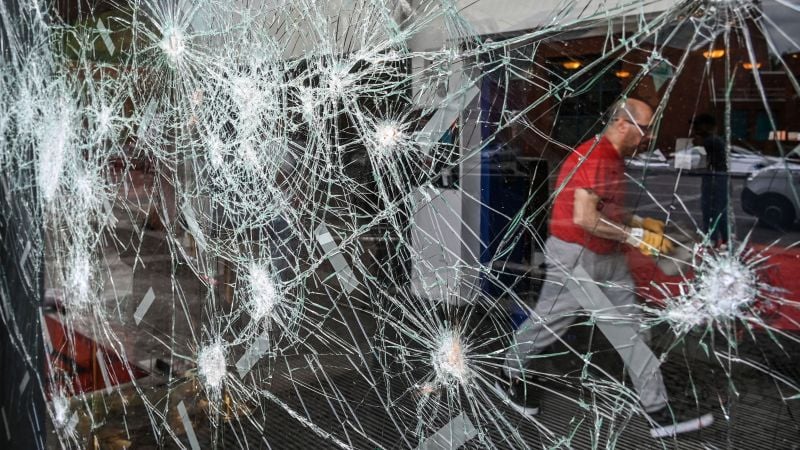
Riots in France, sparked by the fatal shooting of a teenager by a police officer, have caused over $1.1 billion worth of damage, including looting of stores and destruction of bank branches and corner shops. The French government is considering measures to assist affected businesses, but insurance claims are expected to fall short of the estimated damages. The unrest has also led to a decline in tourism, with foreign tourists canceling 20-25% of planned trips to Paris. The disruption comes at a challenging time for the French economy, which has already experienced protests and strikes over pension reforms.
The recent riots in France, triggered by various immediate causes, highlight underlying discontent in the population. Rising food prices, with a 22% increase since 2021, and declining food consumption of nearly 17% have contributed to this unrest. The decline in food consumption disproportionately affects the poorest, who spend a higher proportion of their income on food. Fertilizer shortages, caused by sanctions against Russia, are likely responsible for the rising food prices. These dynamics are creating a febrile situation across Europe, with rising food prices and falling consumption serving as effective predictors of social unrest.
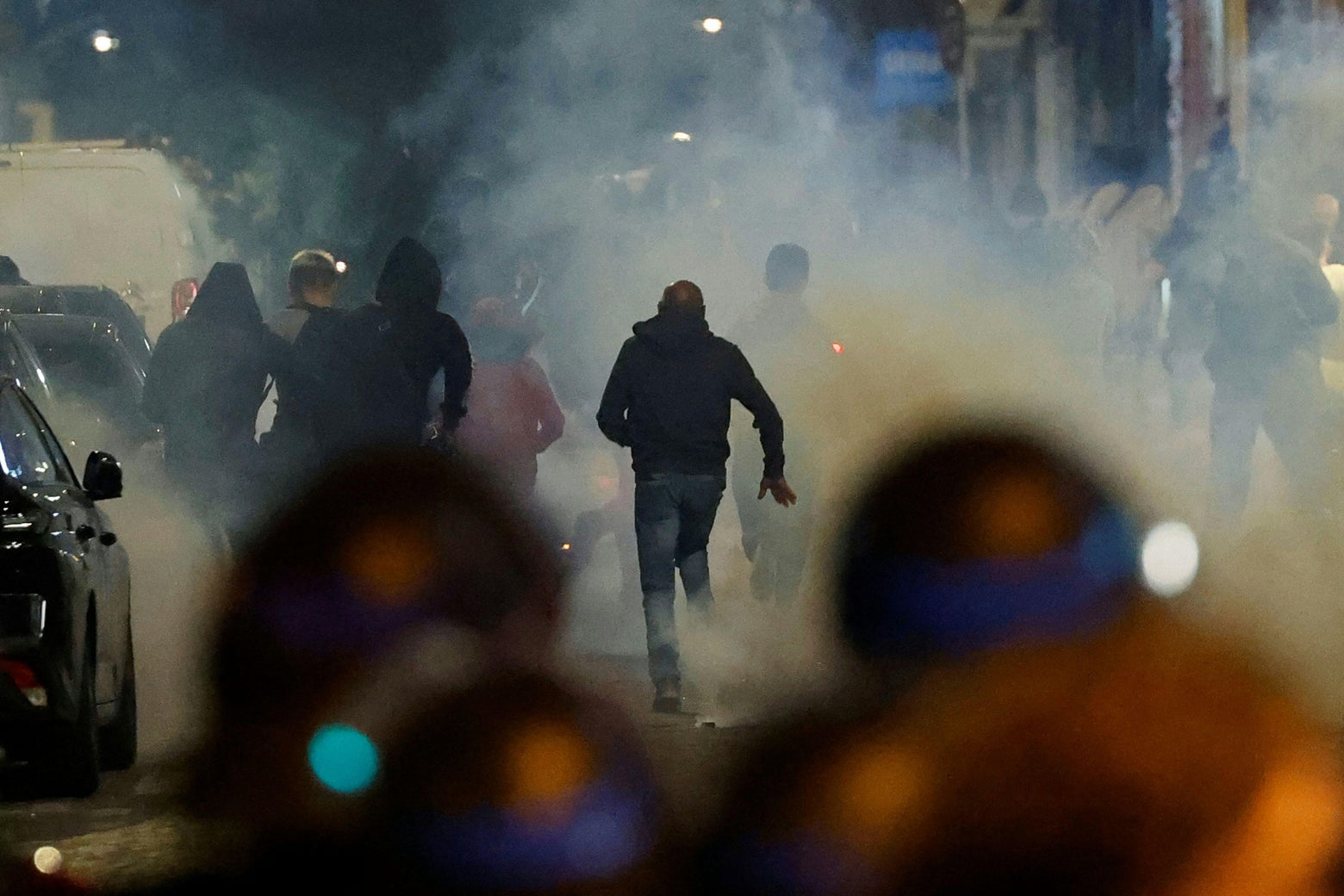
After six nights of protests, the unrest in France has started to ease, with a decrease in the intensity of demonstrations and clashes between protesters and police.