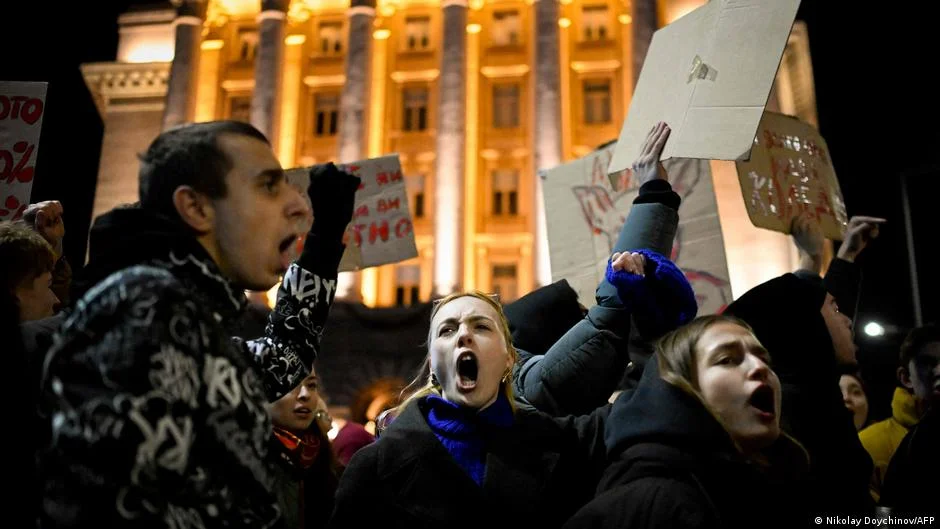
Mass protests in Bulgaria, driven by anti-corruption sentiments, led to the resignation of the government, coinciding with Bulgaria adopting the euro, signaling a significant political and economic shift.
Tens of thousands of Bulgarians protested in Sofia and other cities against the government's 2026 budget, which includes tax hikes and increased social security contributions, amid widespread anger over corruption and governance issues. The protests, the largest in years, saw some clashes with police, and calls for the government's resignation as Bulgaria prepares to adopt the euro in 2026.
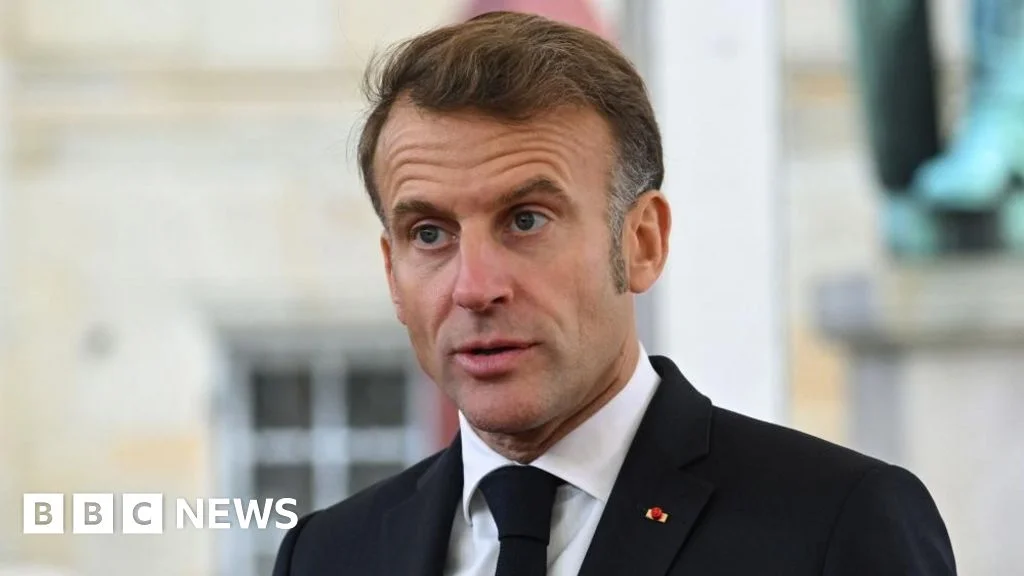
France's political crisis deepens as Macron faces calls from allies to resign early and call presidential elections, following the resignation of his third prime minister in a year, amid struggles to pass a budget and maintain parliamentary support.
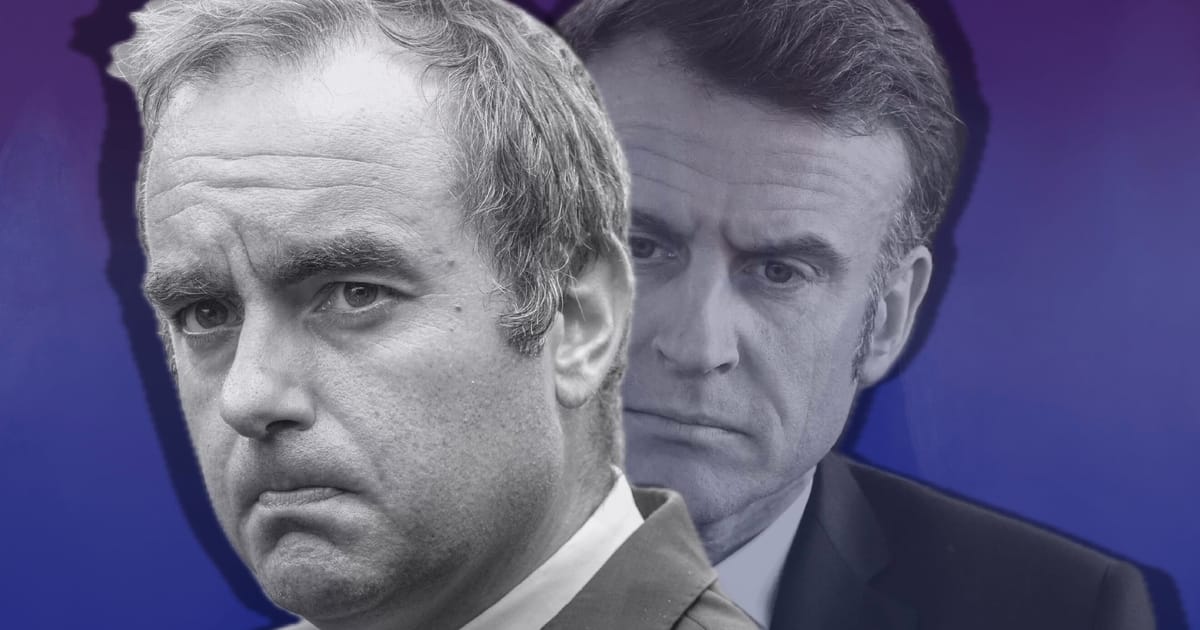
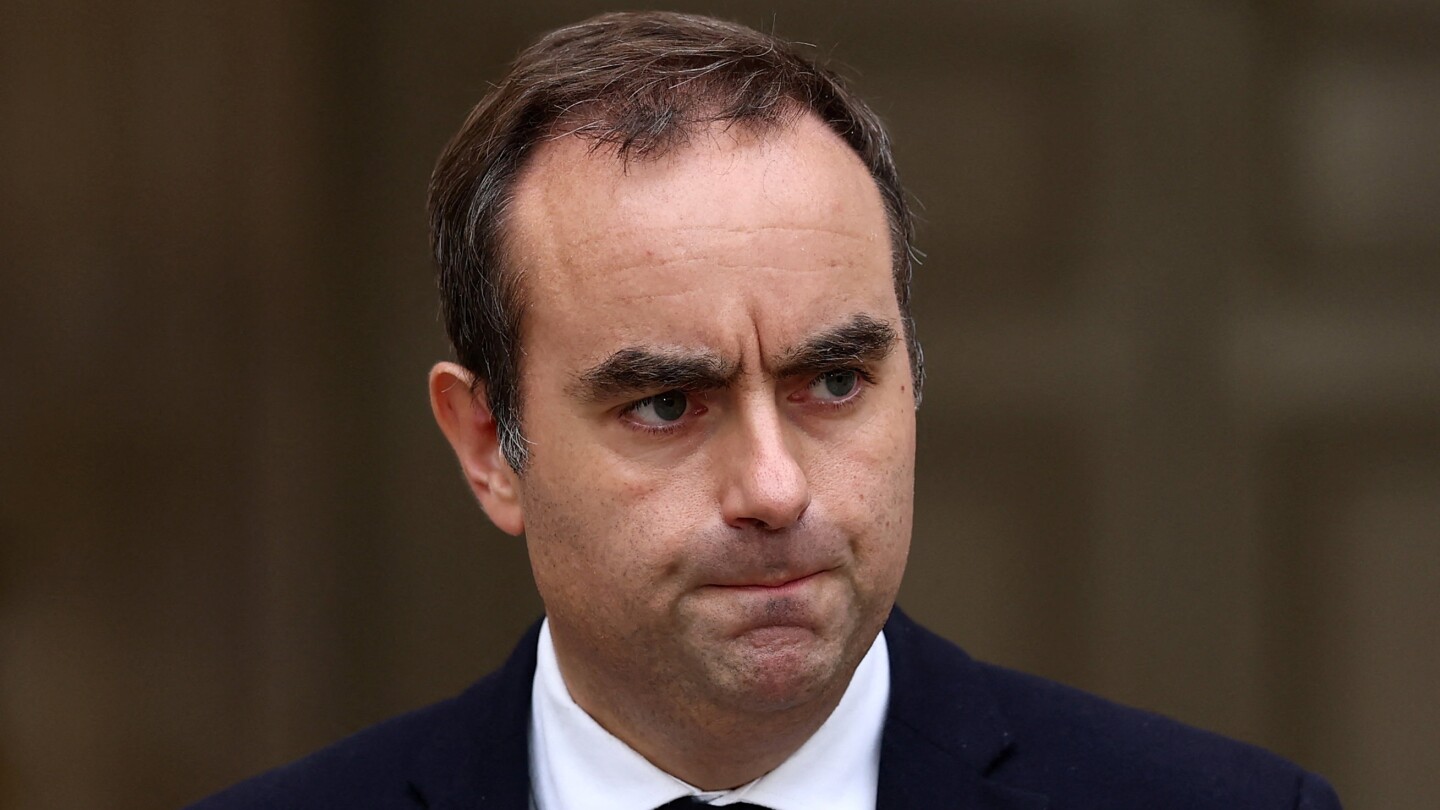
France is experiencing a political crisis with the resignation of Prime Minister Sébastien Lecornu's government, leading far-right leader Marine Le Pen to call for new elections and opposition parties to fill the void. Macron faces limited options, including appointing a new prime minister, calling a snap election, or resigning, amid ongoing debates and international implications such as stalled defense projects and European Parliament motions.
France's Prime Minister Sébastien Lecornu resigned less than 24 hours after forming his government amid widespread criticism, deepening the country's political crisis and causing market declines, with opposition parties calling for new elections and President Macron facing increased pressure.
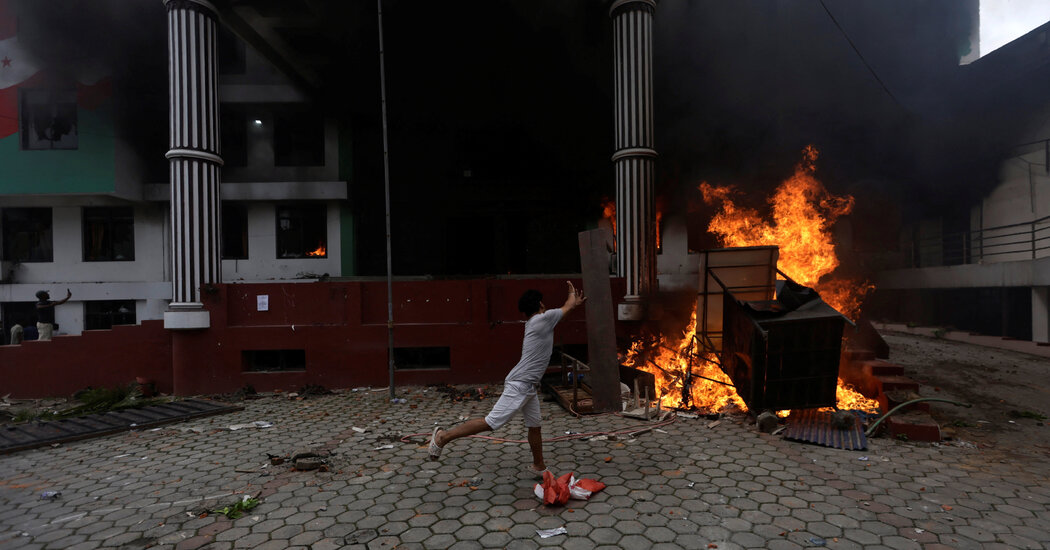
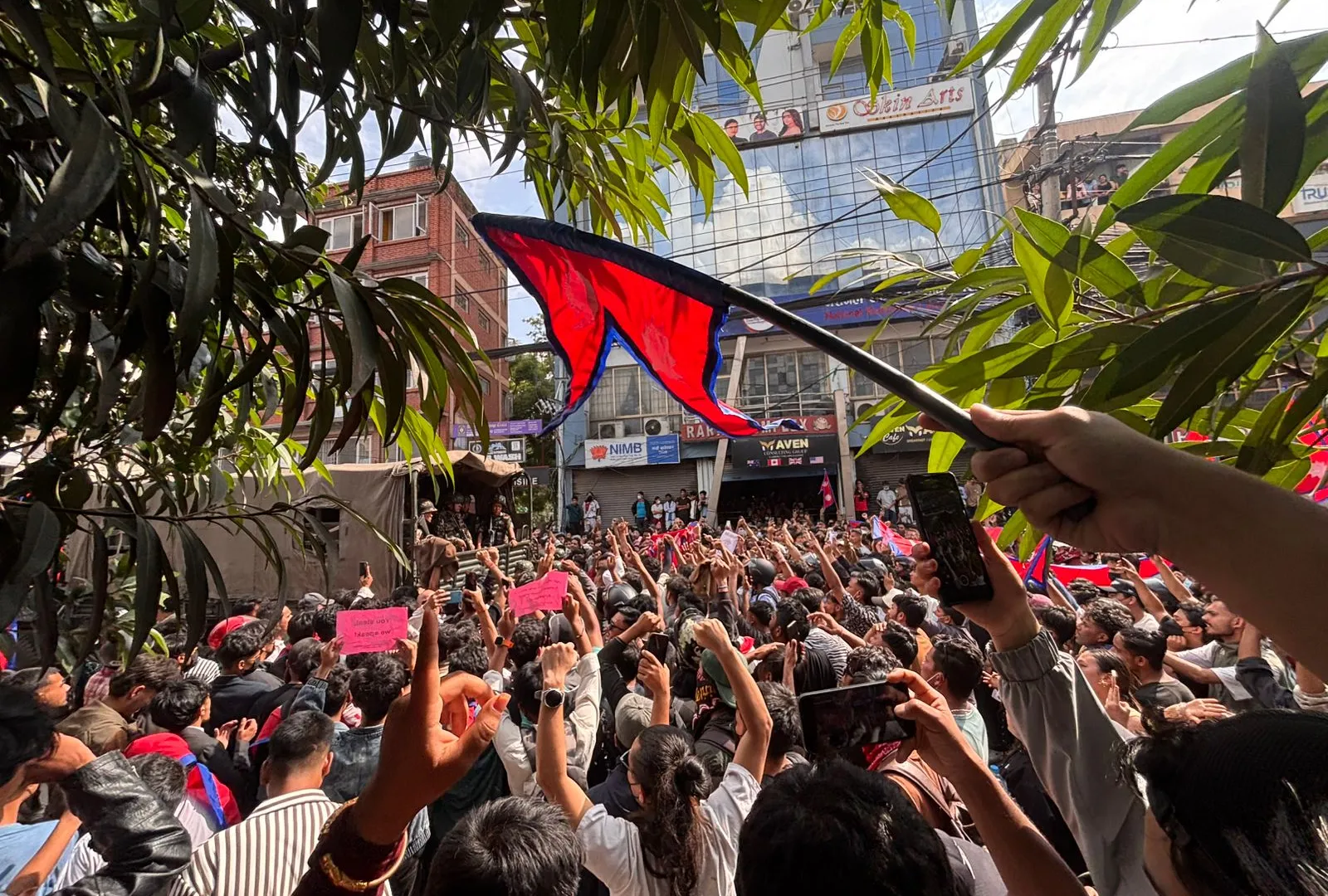
Nepal's Prime Minister K.P. Sharma Oli resigned amid widespread protests over corruption, social media restrictions, and economic issues, with violence and property damage occurring across Kathmandu, leading to a government retreat on social media bans and ongoing political instability.
Nepal's youth-led protests against government corruption and internet bans turned violent, resulting in 19 deaths and prompting the resignation of key officials, with protesters demanding the dissolution of parliament and new elections.
Shas's spiritual leadership decided to quit Prime Minister Netanyahu's government but will not support no-confidence motions, following the resignation of UTJ members over failed negotiations on a bill to regulate Haredi military service, amid internal disputes and political tensions.
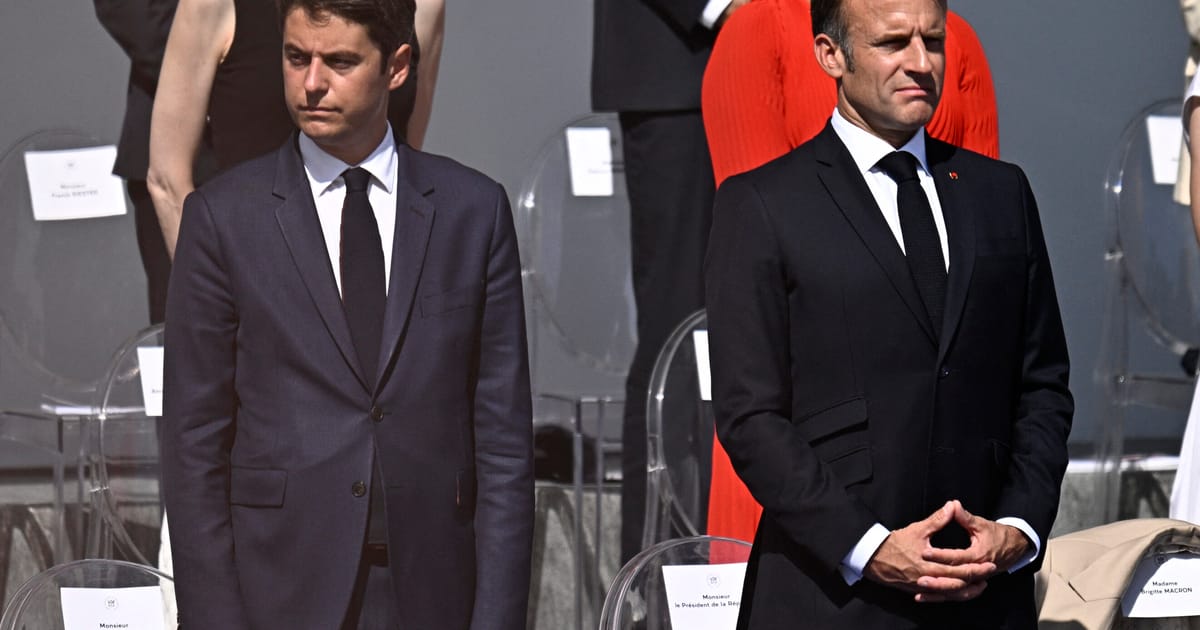
The French government, led by the Attal administration, will resign on Tuesday, initiating a transition period with a caretaker government until a new prime minister is appointed. This period, typically brief, is complicated by France's fragmented political landscape and the recent snap election results. President Macron has called for cross-party dialogue to form a solid majority. The transition coincides with the upcoming Paris 2024 Olympics and critical budget law discussions, adding to the uncertainty.
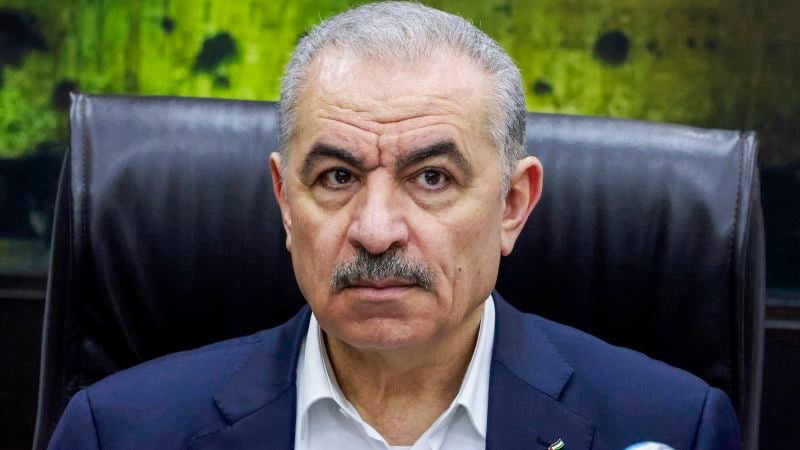
Palestinian Authority Prime Minister Mohammed Shtayyeh and his government have resigned amid pressure from the United States to reform and improve governance in the Israeli-occupied West Bank. The PA, established in the mid-1990s, exercises nominal self-rule in parts of the territory and is dominated by the Fatah political party. The US favors a reformed PA controlling both the West Bank and Gaza as part of a future independent state, but Shtayyeh has expressed skepticism about the current US administration's political will to end the Israeli-Palestinian conflict.
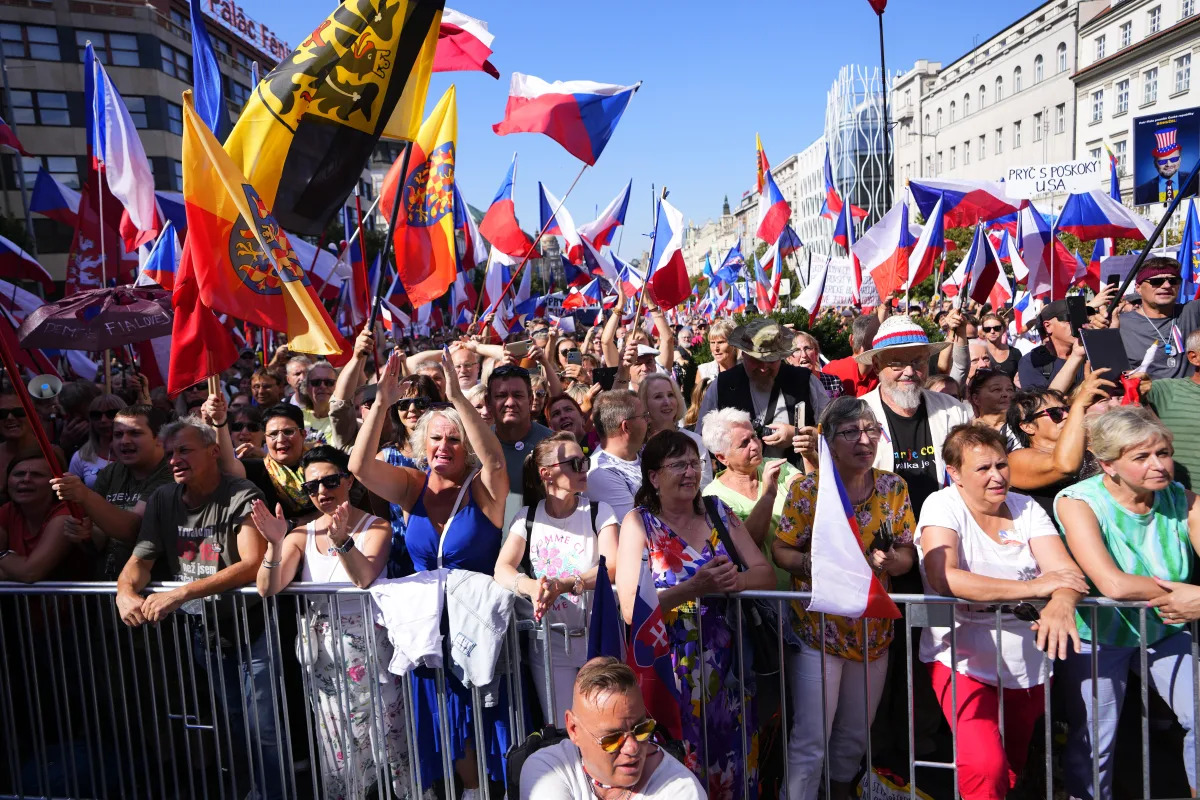
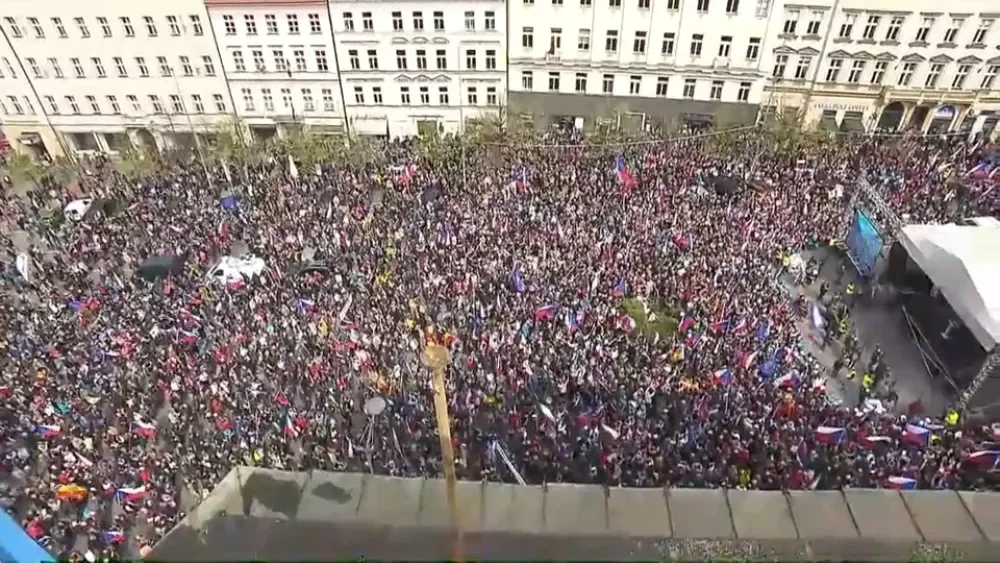
Thousands of Czechs gathered in Prague to demand the resignation of the government due to high energy prices and its stance on the war in Ukraine. The protest, organized by the new political party PRO, brought together far-right and far-left forces. Demonstrators chanted for the ruling coalition to step down, blaming the government for following orders from Brussels and criticizing its support for Ukraine and close ties with the United States. Some protesters also called for the country to leave NATO.
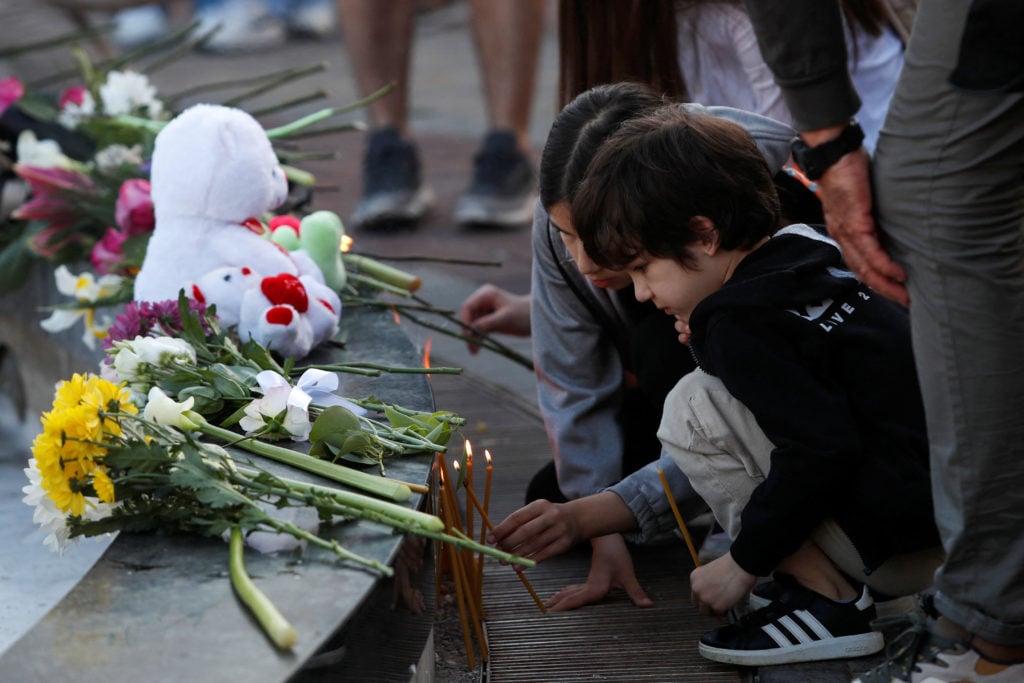
Thousands of protesters are expected to rally in Serbia's capital for the third time in a month, demanding the resignation of two senior ministers and the revocation of broadcasting licenses for two TV networks following two mass shootings that left 18 people dead. Prime Minister Ana Brnabic rejected opposition criticism of the government's handling of the crisis and accused the opposition of fueling violence in society. The protests are seen as an attempt to topple President Aleksandar Vucic and the government by force. The government has launched a gun crackdown and sent police to schools to boost security.
Thousands of people protested in Prague against high inflation and energy prices, calling for the government's resignation. The rally was organized by a new non-parliamentary political party PRO, which criticized the government's handling of the energy crisis and poor communication with voters. Both inflation and energy costs have risen, affecting household budgets and causing concern for the future.