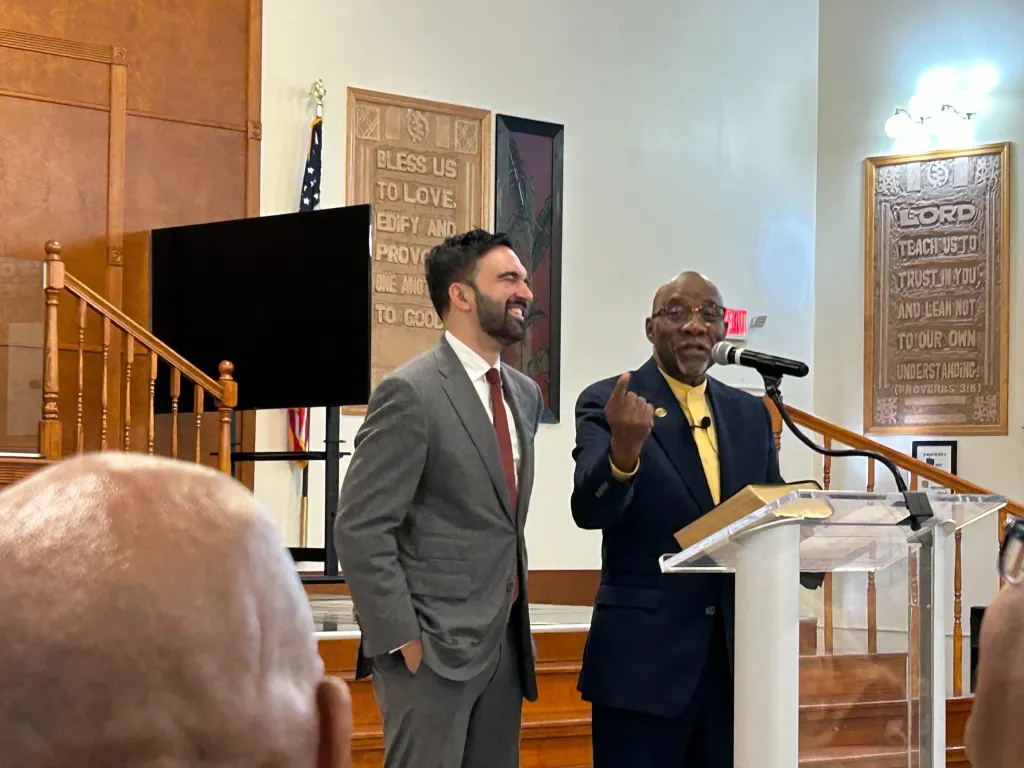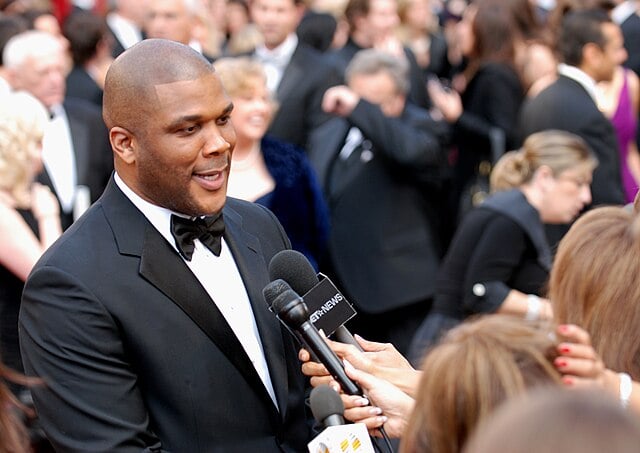
Mario Rodriguez, an actor and model, publicly accused Tyler Perry of sexual misconduct in a social media post before filing a $77 million lawsuit, exemplifying a new approach where social media campaigns precede legal action in allegations of misconduct. Perry denies the allegations, and the case highlights the evolving landscape of public and legal battles in the #MeToo era.
California Governor Gavin Newsom has adopted a Trump-like, meme-filled social media strategy to boost his online presence and challenge Republicans, using parody, trolling, and AI-generated visuals to engage and energize Democratic supporters while irritating GOP figures, potentially shaping future political campaigning.
California Governor Gavin Newsom has adopted a provocative social media strategy mimicking Donald Trump's style, including exaggerated posts and AI-generated images, to criticize Trump and highlight the normalization of his controversial online behavior. This approach has garnered significant attention and praise from Democrats, contrasting with conservative criticism, and aims to energize the Democratic base while challenging Trump's influence.
Zohran Mamdani, a young progressive candidate in New York City's mayoral race, has gained significant momentum through a populist platform focused on affordable housing, free public services, and tax hikes on the wealthy, supported by a strong social media presence and youth volunteer base, despite skepticism about his experience and funding plans.
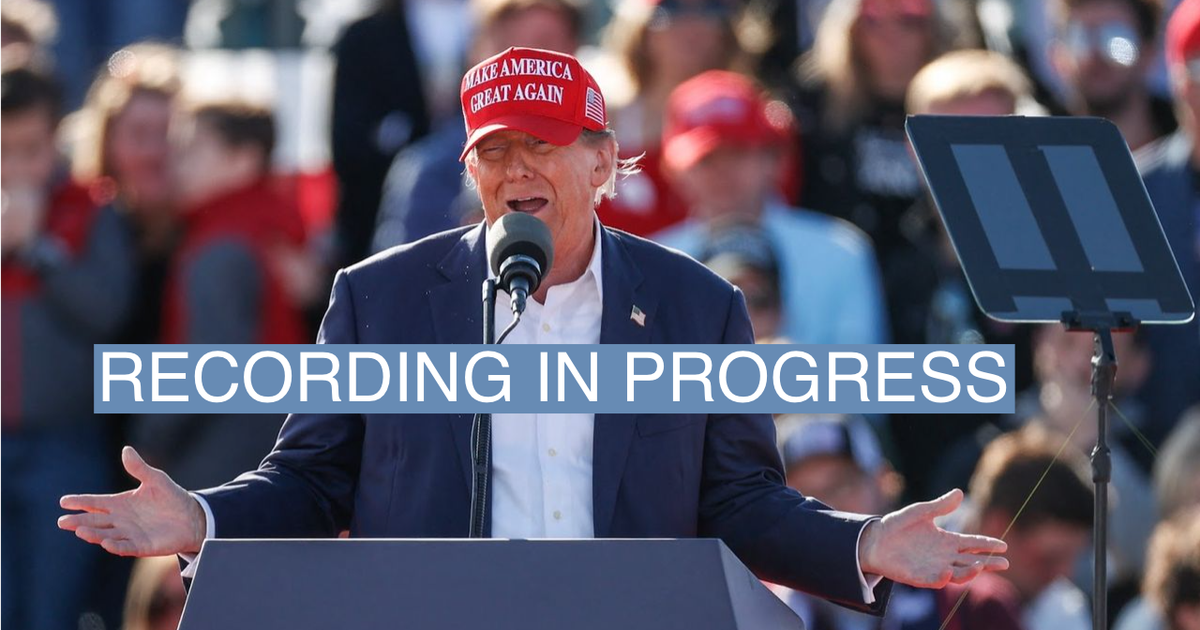
The rise of liberal video influencers on social media platforms like X has shifted the dynamics of political campaigning, with independent video-clippers like Rupar and the MeidasTouch team playing a crucial role in shaping campaign coverage by relentlessly seeking out and sharing viral moments from Trump interviews and rallies. The Biden campaign has also bolstered its rapid response team to share potentially viral videos, garnering one billion impressions since its relaunch. This shift highlights the natural advantages that online personalities have over traditional media and campaign accounts in shaping the news cycle and influencing public opinion.
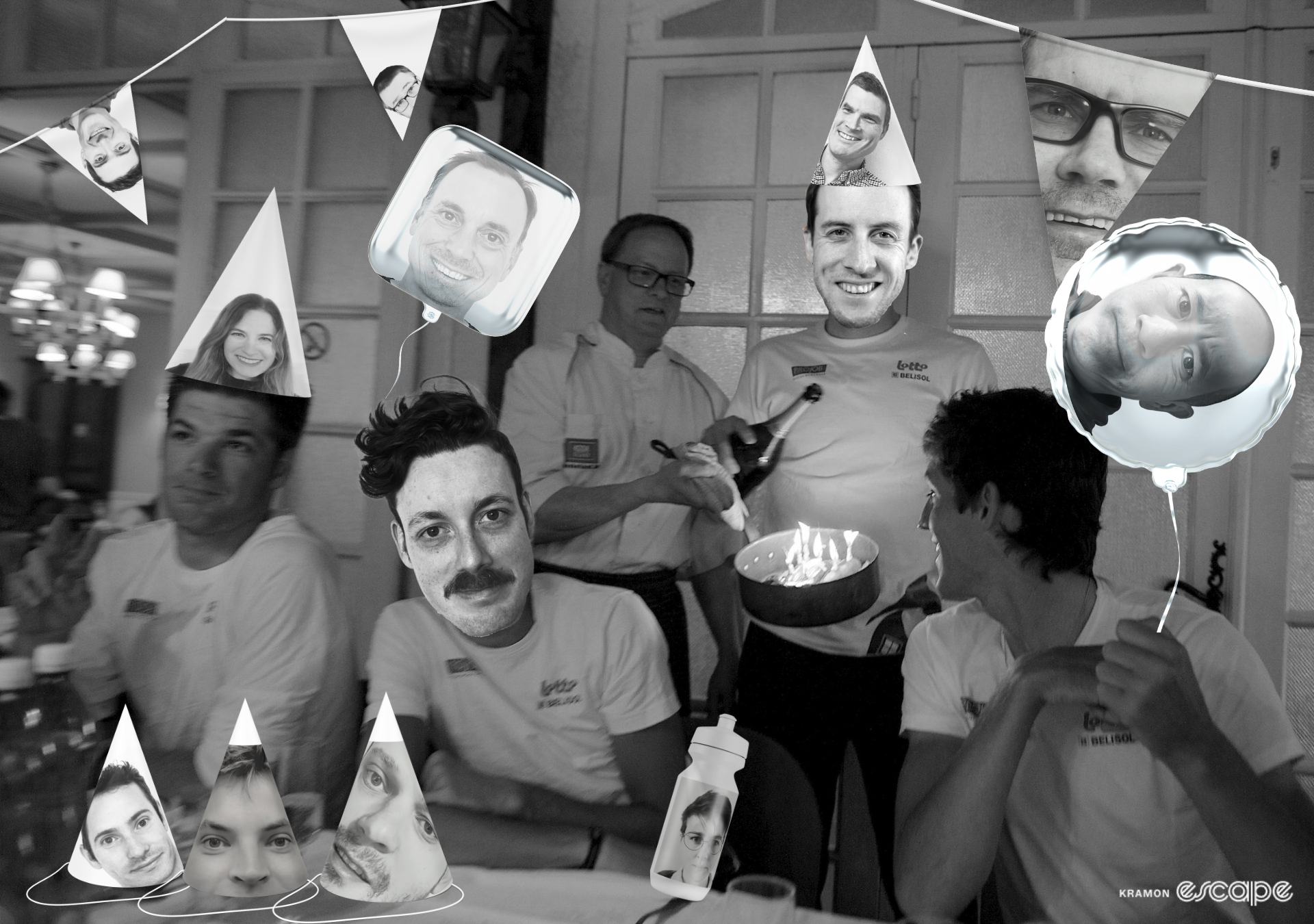
Escape Collective, a member-funded content platform, reflects on its first year, emphasizing its lean team and minimal overhead costs. The platform has focused on producing a high volume of quality content, including podcasts, original reporting, and essays, while also investing in travel for on-the-ground coverage of key events. Although not yet profitable, the company is confident in its audience and business model, allowing for future hires and expansion into new content areas such as mountain biking and gravel. Additionally, the platform is adjusting its social media strategy to increase visibility and attract new members.
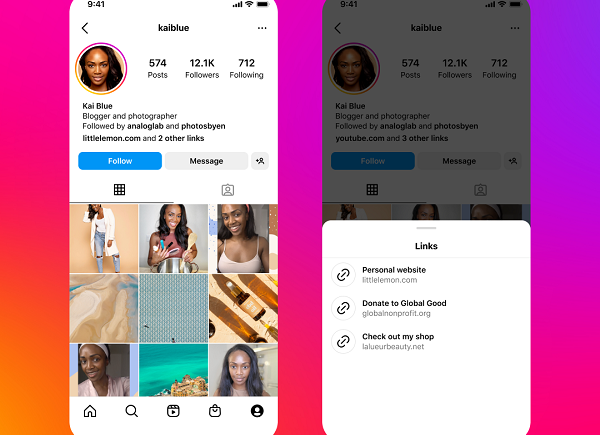
Instagram has launched an update that allows users to add up to five links in their bio, making it easier for creators and users to highlight their passions, promote brands, and showcase their businesses. This feature will compete with third-party link aggregator tools like Linktree, which have been popular due to Instagram's opposition to external links. However, some businesses may still prefer third-party tools for branding and link display options. To add multiple links, users can go to 'Edit profile' > 'Links' > 'Add external link'.
Swedish public broadcaster Sveriges Radio has decided to stop using Twitter as part of its social media strategy, citing concerns over "recent turbulence" at the company surrounding its ability to fight fake news and hate speech. The broadcaster says only an estimated 7% of Swedes are active on Twitter, and they've experienced a drop in interactions and less dialogue around their tweets in recent years. SR has made it clear they're not restricting their staff from using Twitter accounts, and the decision to stop using the micro-messaging platform is only for editorial output.