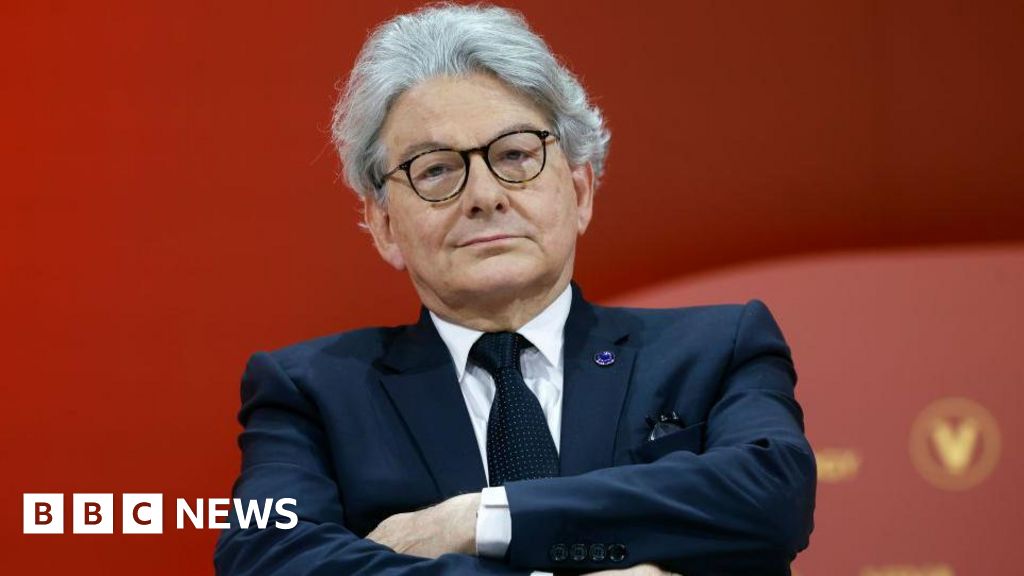
The US has denied visas to five individuals, including a former EU commissioner, over their efforts to influence social media censorship, citing concerns about foreign interference and suppression of American speech, amidst tensions over EU regulations and free speech debates.
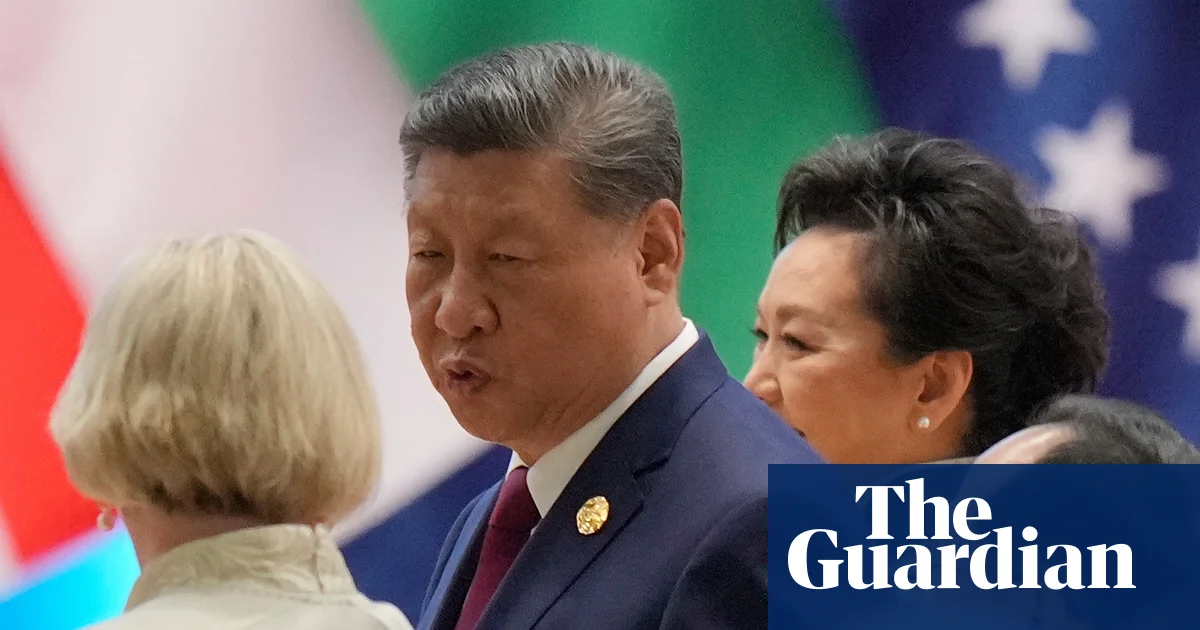
While Xi Jinping praised China's progress in women's rights at a global summit, he has simultaneously overseen a crackdown on feminist activism and independent voices, limiting public discussion and policy advocacy for women's issues in China.
The article discusses the increasing efforts by government officials and political figures to target and suppress left-wing organizations and speech, especially in the wake of recent political violence and the assassination of Charlie Kirk's supporter, leading to a broader crackdown on perceived threats and dissent in the political landscape.
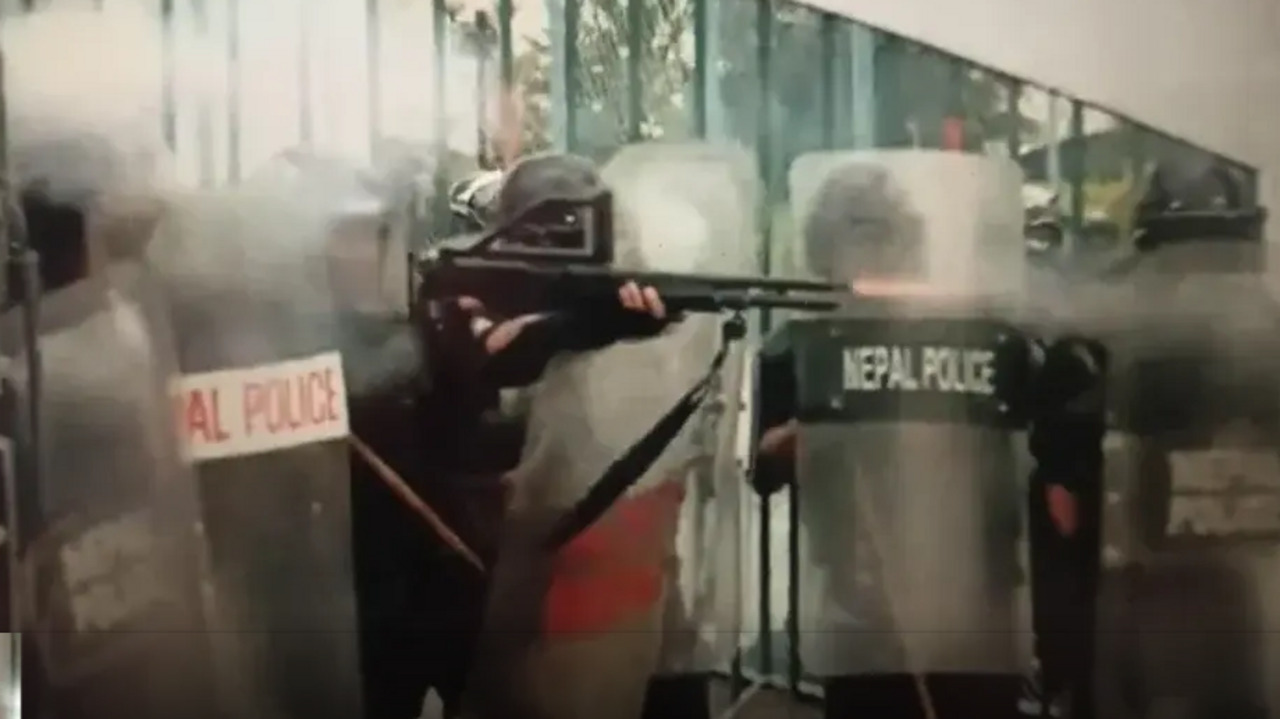
Mass protests in Nepal turned deadly when police used military-grade live ammunition against demonstrators, resulting in at least 72 deaths over two days. The protests, initially peaceful and sparked by social media campaigns exposing government corruption and inequality, escalated after police fired on crowds near parliament, with videos showing serious injuries and the use of assault rifles. The government resigned, and the army took control of Kathmandu amid international calls for investigation into police conduct.
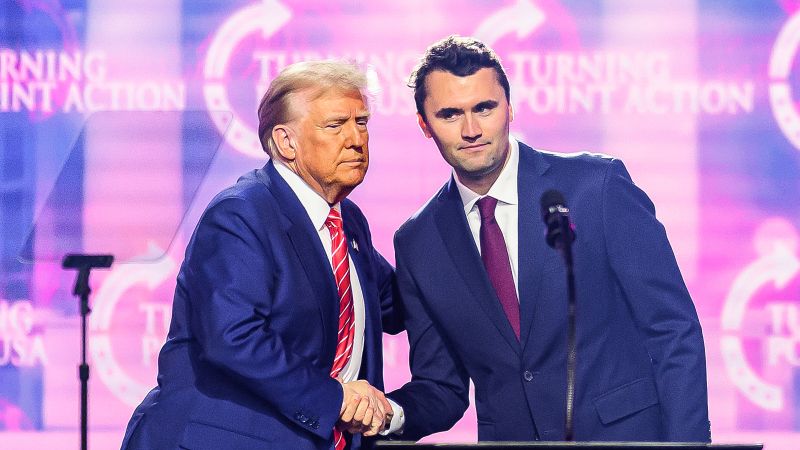
Following the assassination of conservative activist Charlie Kirk, President Trump intensified his rhetoric against 'the radical left,' blaming them for political violence and calling for accountability, while other Republicans and officials discuss social media repercussions for comments on Kirk's death.
The US announced it will deny visas to foreign officials who block Americans' social media posts, citing concerns over censorship and sovereignty, amid ongoing global debates over free expression and online regulation.
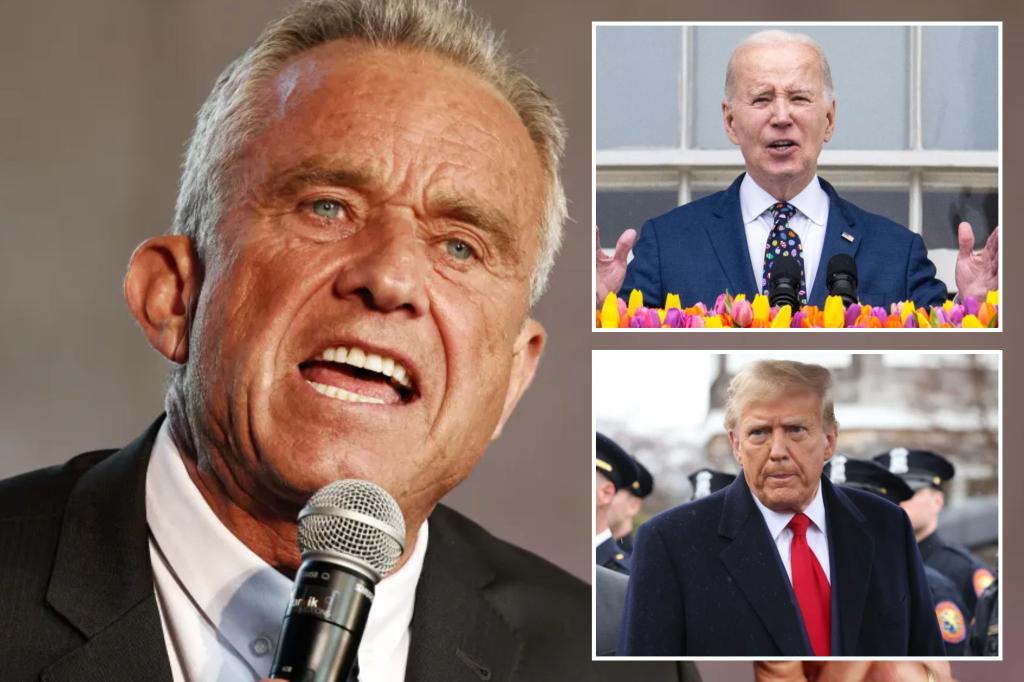
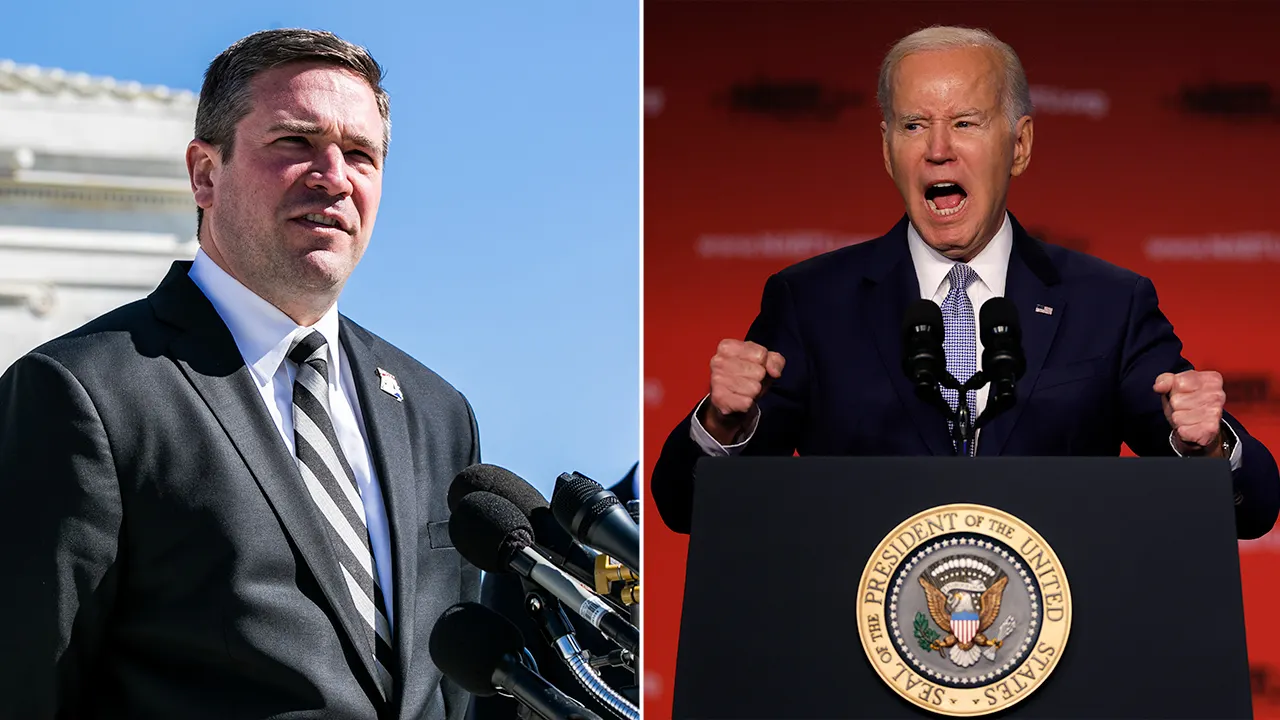
Robert F. Kennedy Jr. criticized President Biden, claiming that Biden's use of social media censorship against political opponents poses a greater threat to democracy than Trump. Kennedy's remarks have drawn backlash from Democrats, who argue that Biden's actions are not comparable to Trump's alleged autocratic leanings. Kennedy, an independent presidential hopeful, has been criticized by both Trump's and Biden's campaigns, and is currently polling at 12.3%.
Independent presidential candidate Robert F. Kennedy Jr. argues that President Joe Biden poses a greater threat to democracy than former President Donald Trump, citing social media censorship during the Biden administration as an effort to undermine the First Amendment. Kennedy, who has made freedom of speech a central focus of his campaign, believes Biden is using federal agencies to censor political speech. He downplays concerns about being a spoiler candidate and emphasizes his goal of changing the nature of governance in the country. Kennedy's comments come after some of his family members, including his siblings, have criticized him for challenging Biden, but he maintains that he feels loved by them despite their political differences.
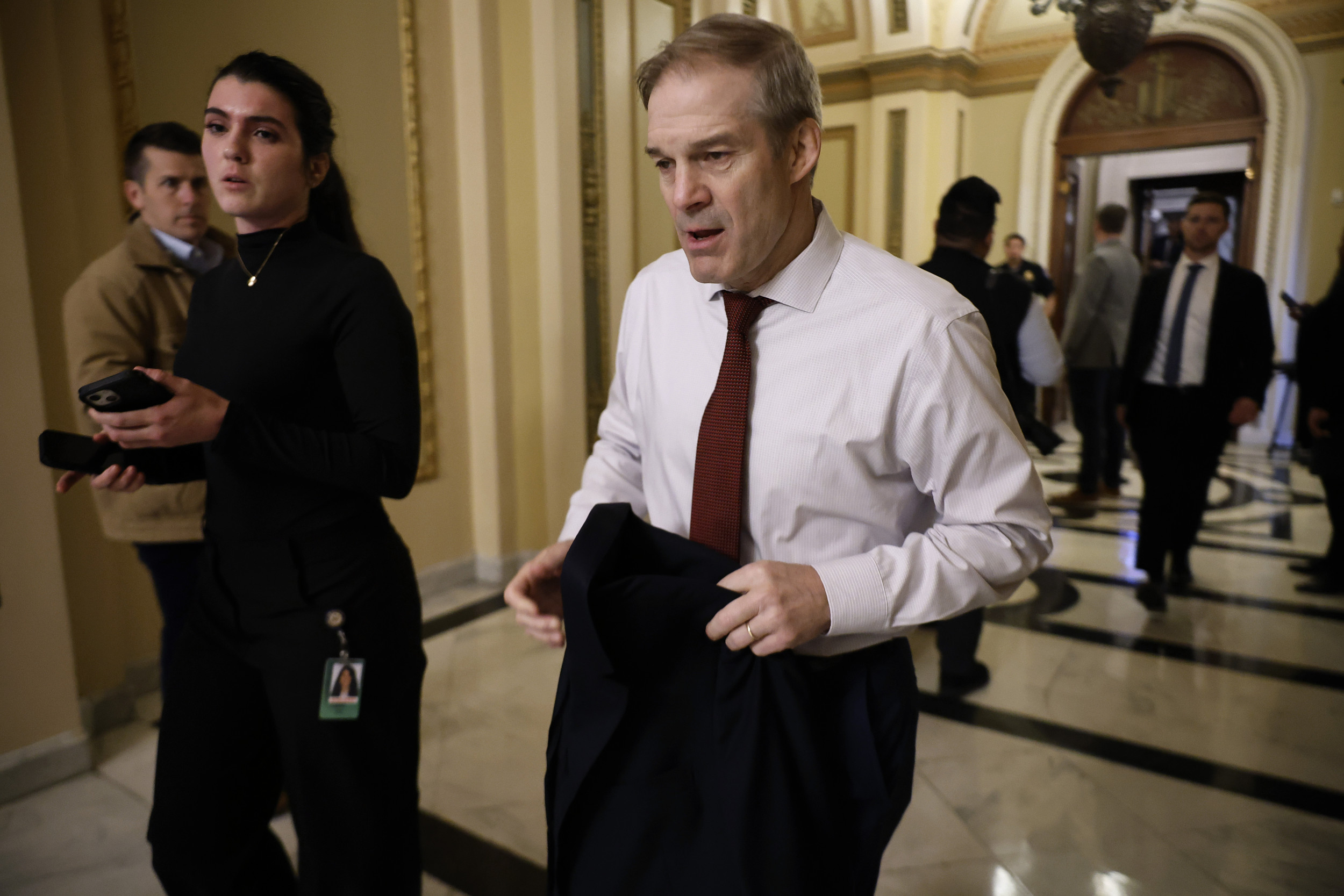
During a 60 Minutes interview, Congressman Jim Jordan stumbled when challenged on the 2020 election results, stating that Americans should determine online accuracy. When asked about the false claim of a stolen election, Jordan initially expressed concerns but later conceded that most Americans do not question President Biden's victory. The Supreme Court is set to rule on the government's ability to pressure social media companies to combat misinformation, with justices leaning towards favoring the Biden administration.
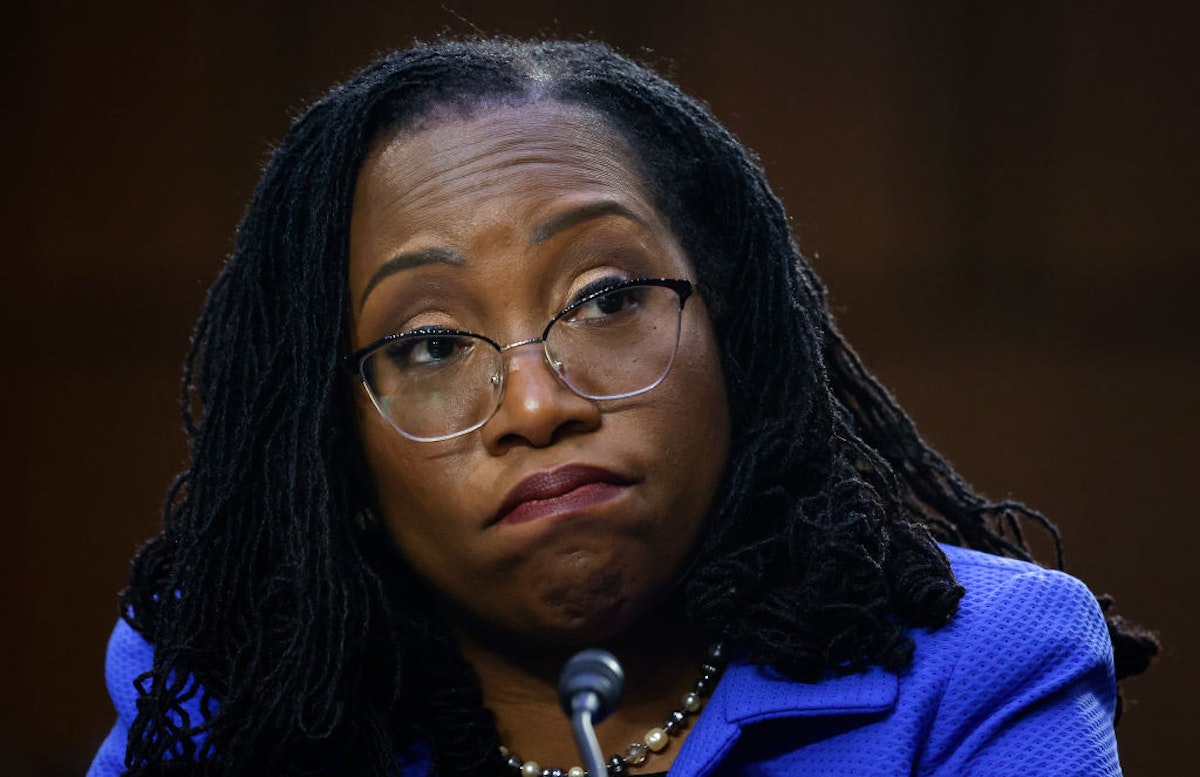
During oral arguments in the social media censorship case Murthy v. Missouri, Justice Ketanji Brown Jackson expressed concerns over the First Amendment restraining the government, suggesting that the government should have the power to dictate what can be posted on social media, particularly in times of crisis like the COVID pandemic. Her comments have sparked criticism from Rep. Jim Jordan and others, who argue that her view goes against the intended purpose of the First Amendment and could lead to government censorship of political speech.
Cease-fire negotiations in Gaza are progressing, with plans for a temporary truce and discussions for a new Palestinian government; the Supreme Court hears a case on social media censorship laws in Florida and Texas; Congress faces a potential government shutdown as funding for several departments runs out; Kara Swisher discusses her disillusionment with the tech industry in her memoir; craftswomen in Nepal are repurposing waste from the Himalayas into art and economic opportunity.
Social media platform X, formerly known as Twitter, has taken down accounts and posts related to the ongoing farmers' protests in India following a government order, sparking concerns about freedom of expression. The move has reignited the debate over foreign technology giants' operations in India and their compliance with government regulations. X expressed disagreement with the action and highlighted its ongoing legal challenge against the Indian government's content blocking orders, emphasizing the need for transparency and accountability in such decisions.
X, formerly known as Twitter, has removed the verified badges from accounts of Iranian media outlets, including Press TV, following a report alleging that the platform is providing premium services to individuals and groups sanctioned by the US government. The move has raised concerns about potential violations of US sanctions, and comes amid pressure from the Israeli lobby on media covering Israeli actions in Gaza.
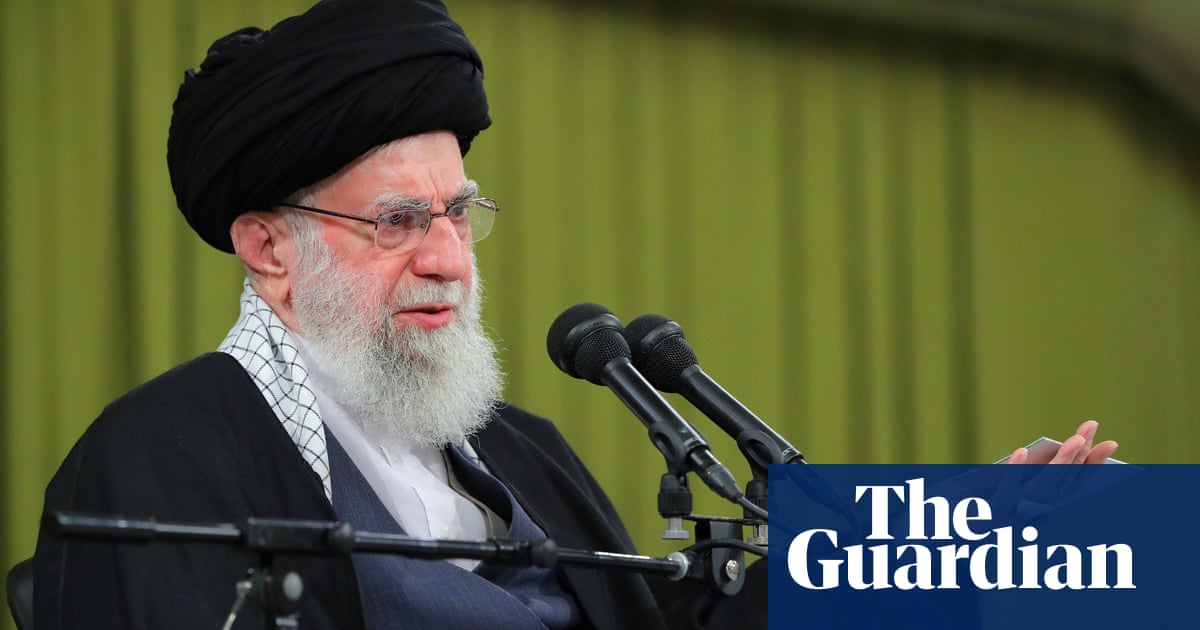
Meta has removed Instagram and Facebook accounts associated with Iran’s supreme leader, Ayatollah Ali Khamenei, citing violations of its Dangerous Organizations and Individuals policy due to support for Hamas. Khamenei's praise for the group's attack on Israel led to the removal, though he still maintains a presence on X. Pressure on online platforms to remove Khamenei has grown, particularly after protests in 2022. Iran has provided support to Hamas, and tensions in the Middle East have escalated since the attack, with Iranian-backed militias launching attacks against Israel.
The Biden administration is set to challenge a court order that blocked federal officials from collaborating with social media companies to censor speech. The Justice Department will argue in the Fifth Circuit Court of Appeals to lift the order, which was issued on July 4 by a federal judge. The order accused the government of violating the First Amendment by working with tech companies to censor speech on topics such as Hunter Biden's laptop, COVID-19 origins, and face masks. The judge's injunction described the government's actions as an "Orwellian 'Ministry of Truth.'" The Biden administration's appeal claims that the order may prevent the government from working with social media companies to protect the American people and democratic processes.