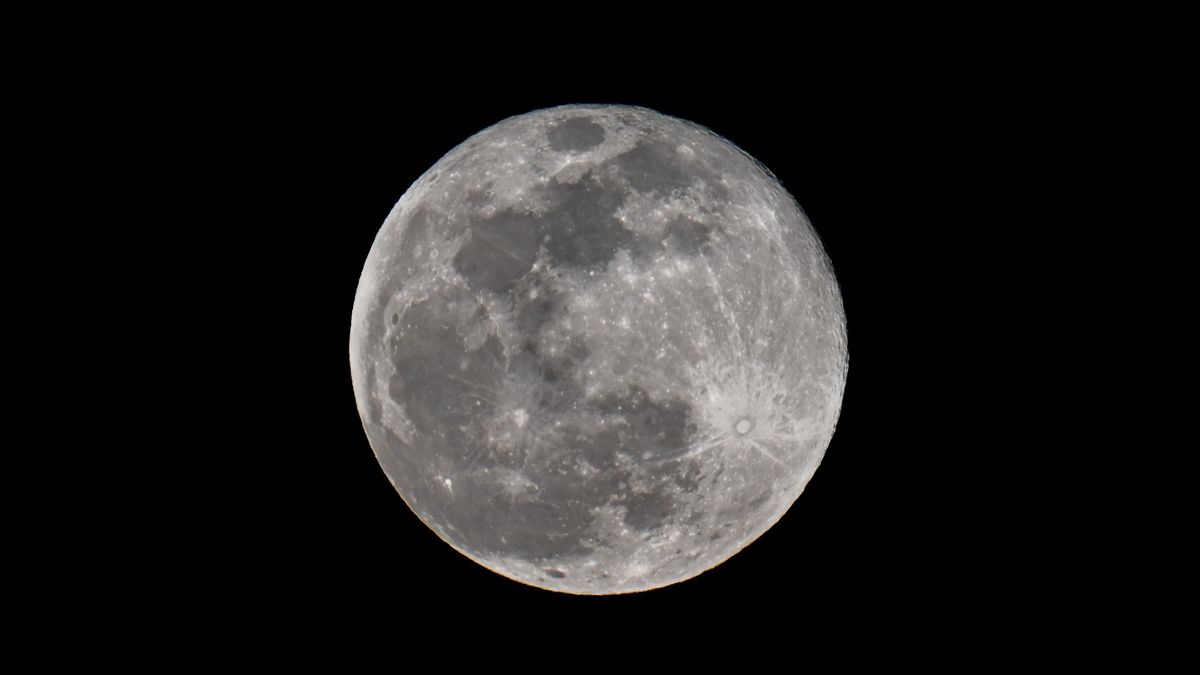
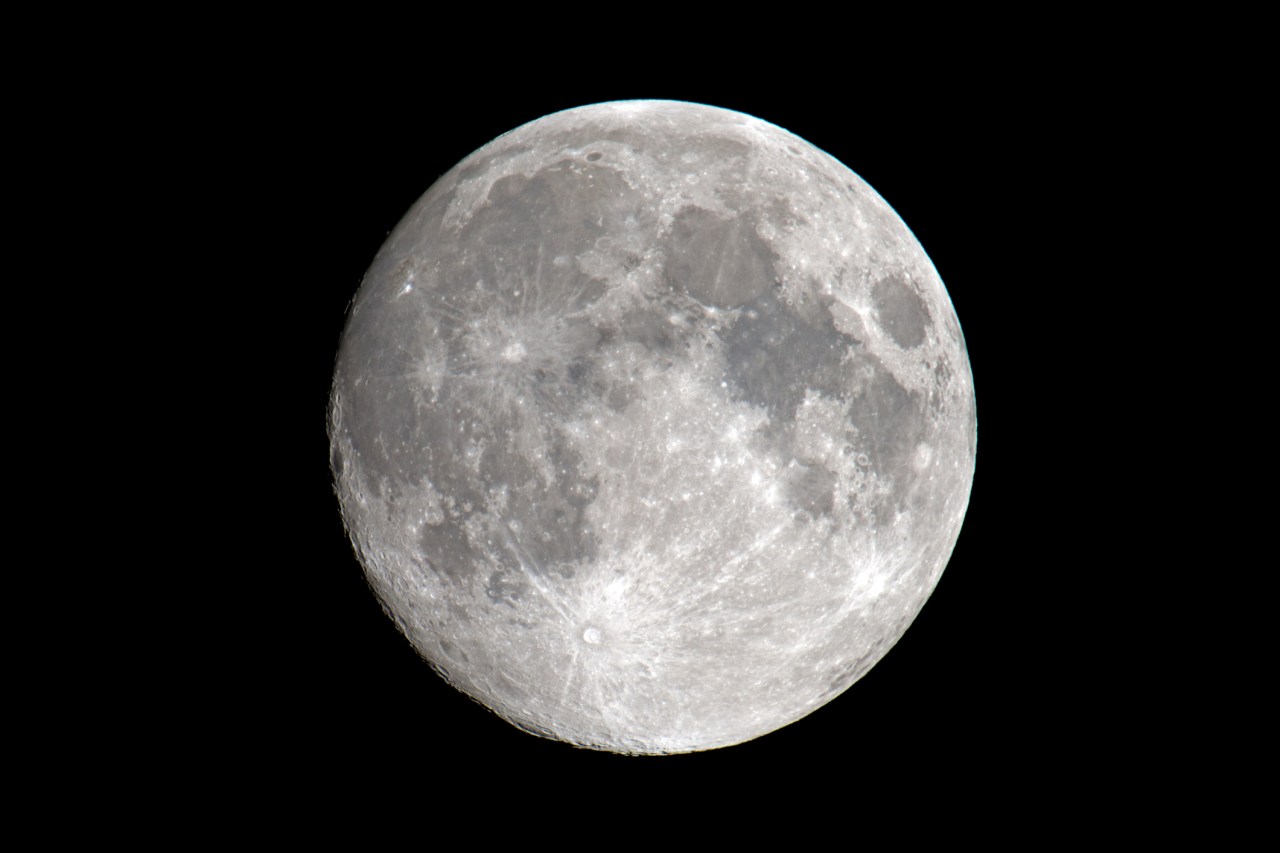
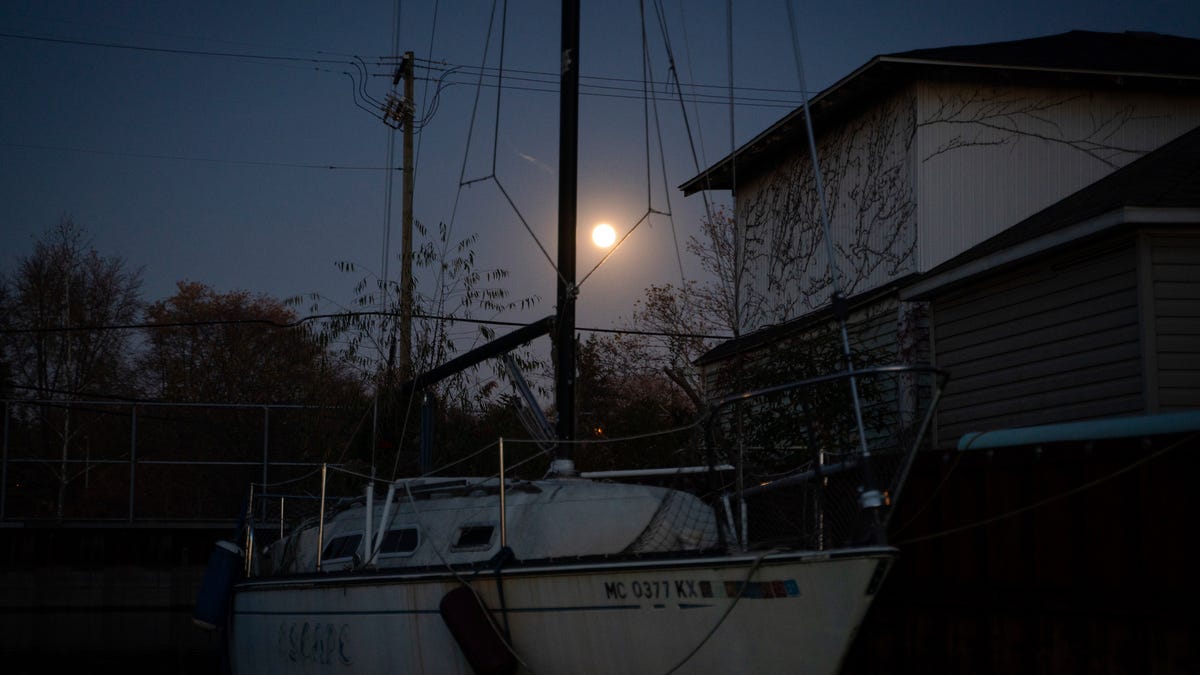
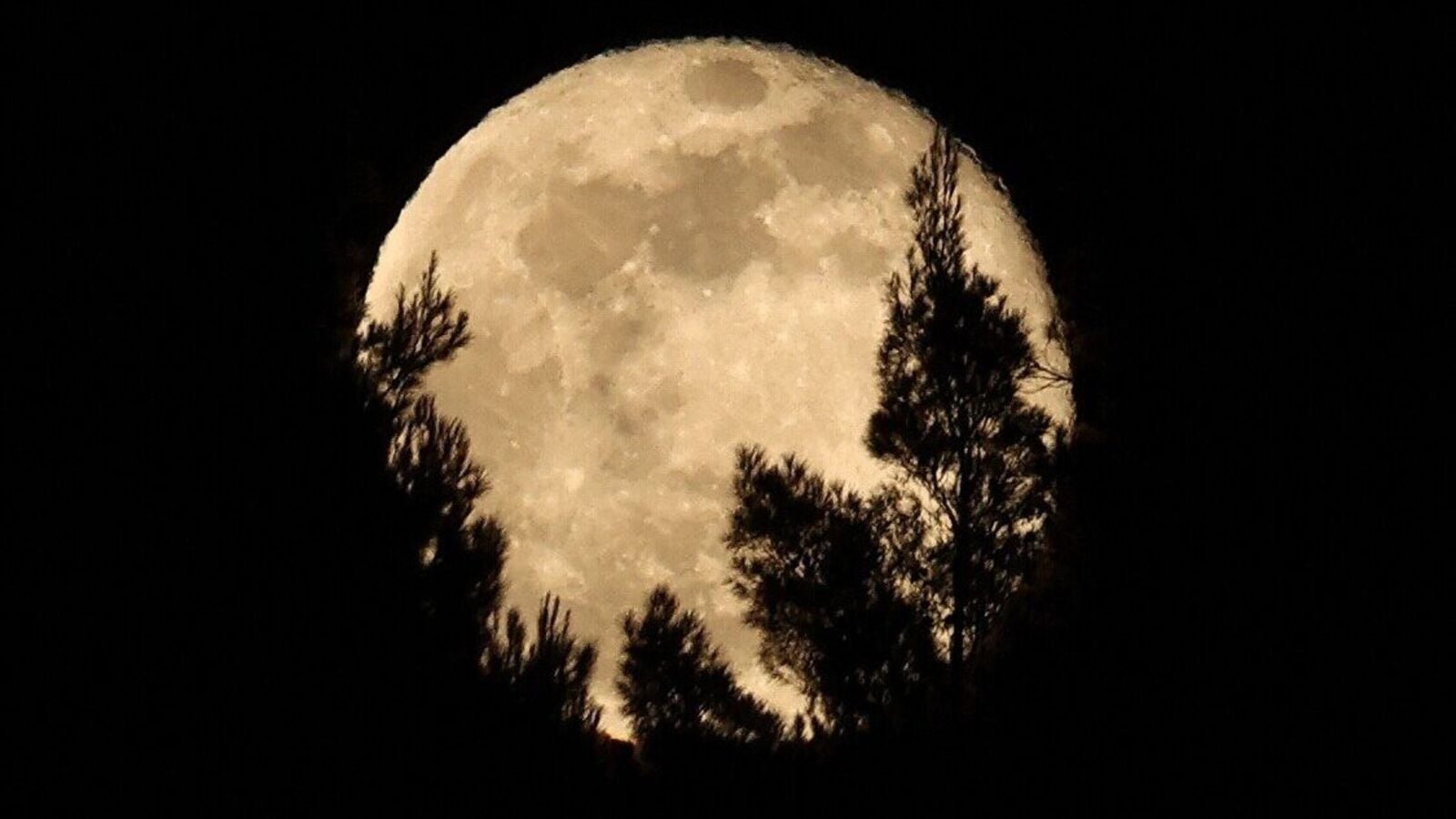
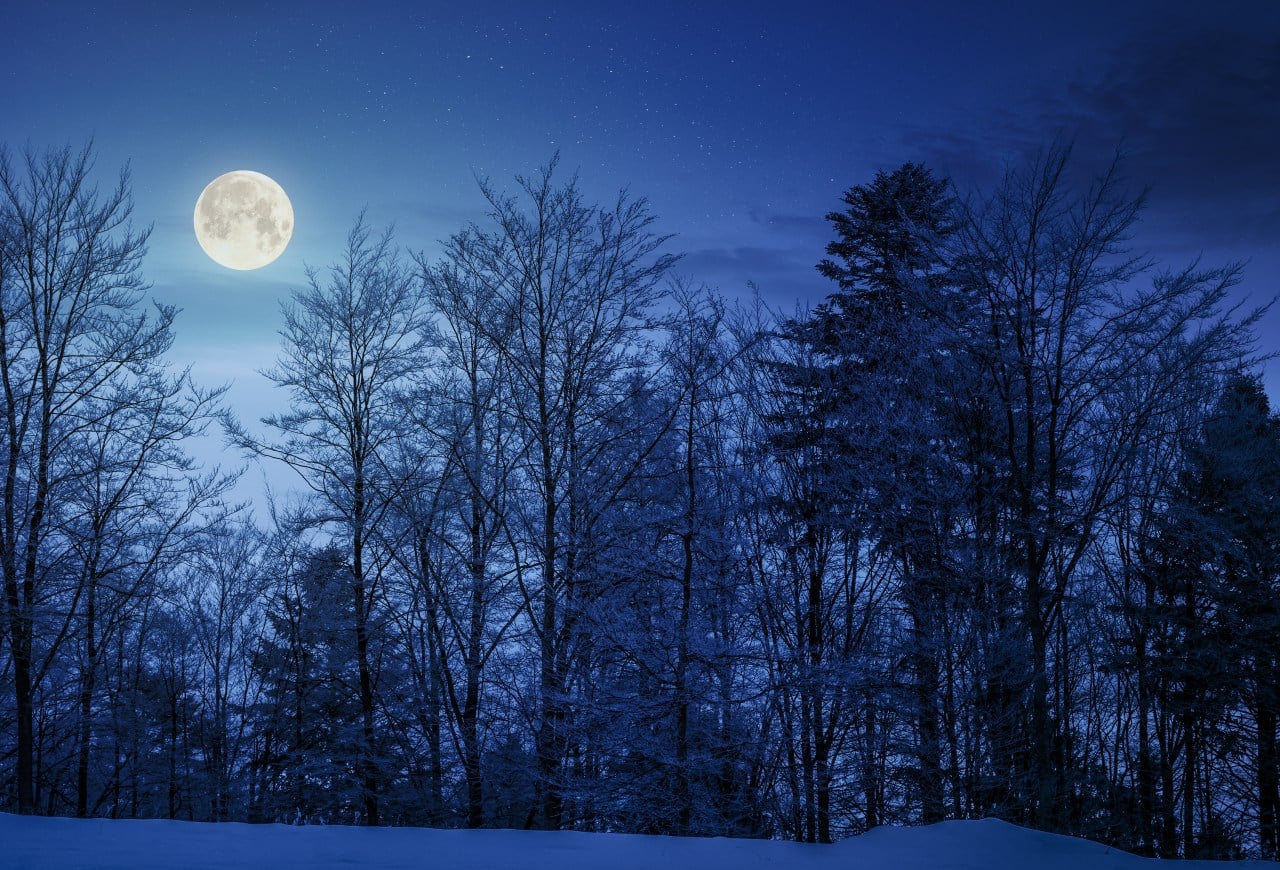
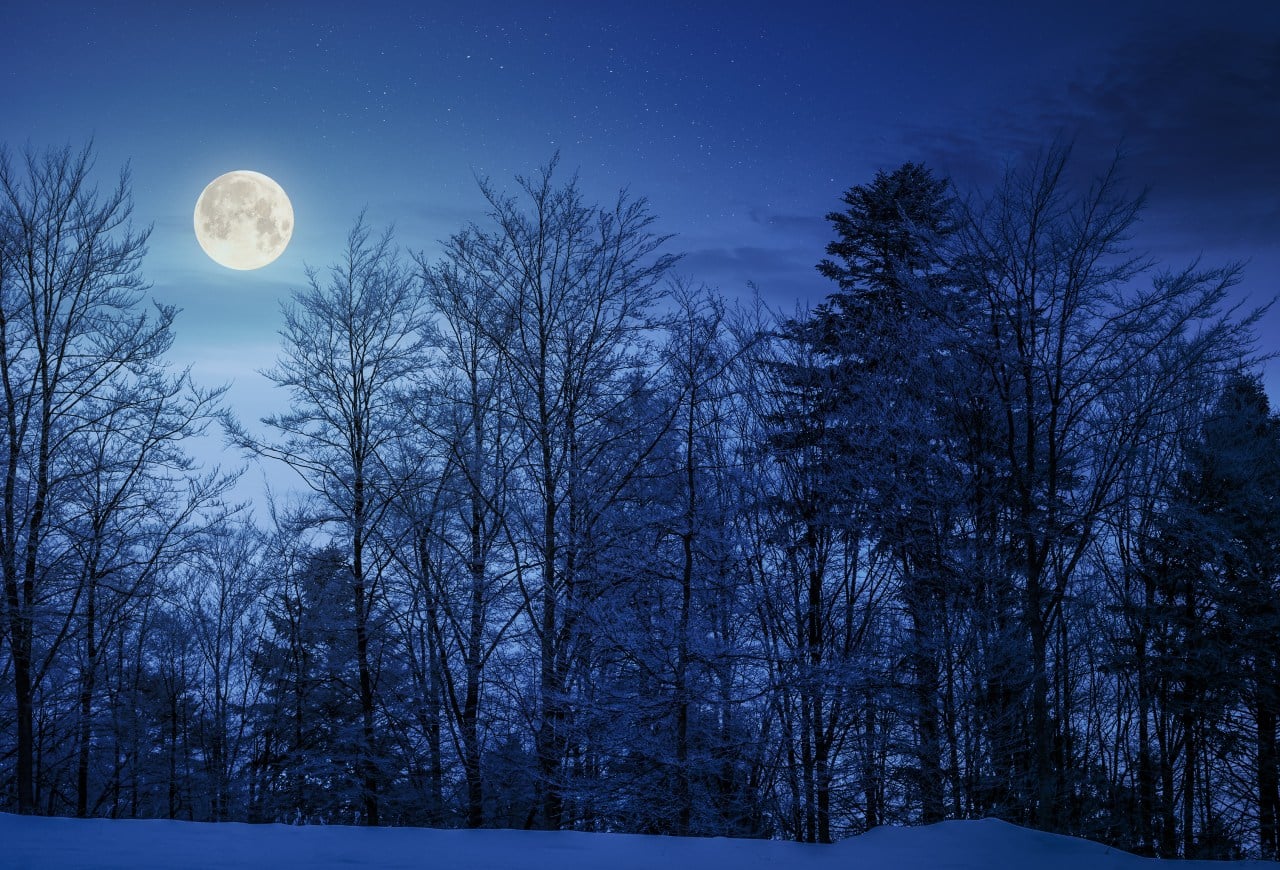
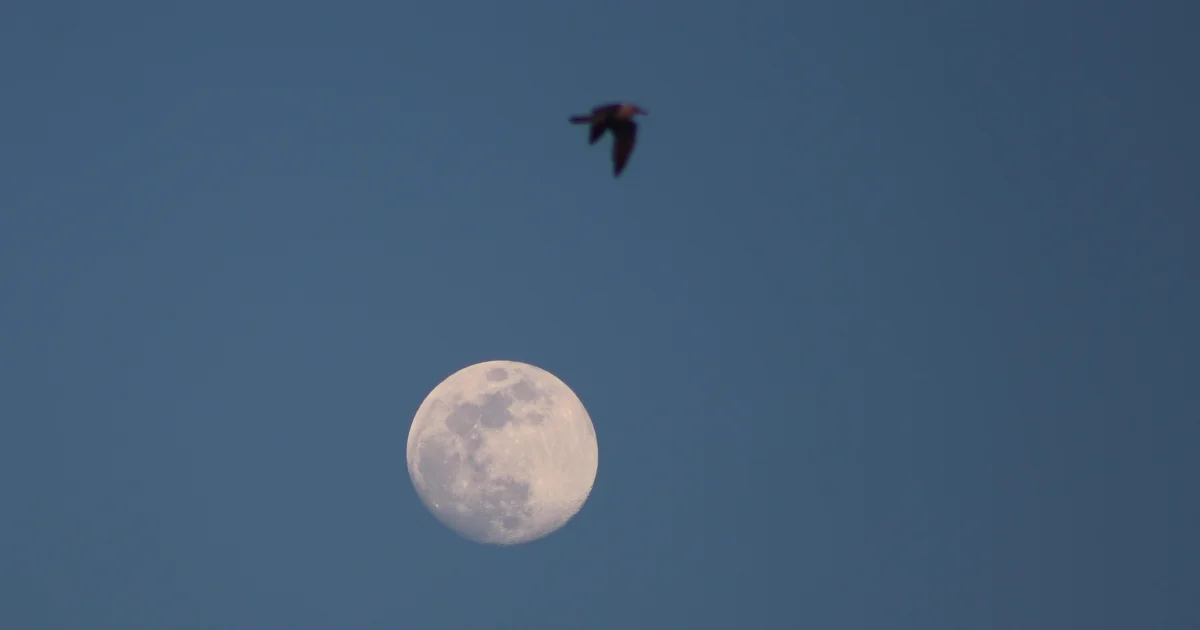
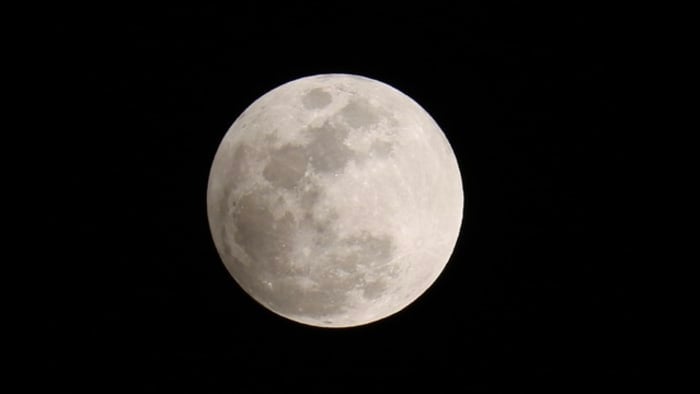
The February 2026 full moon, known as the Snow Moon, will peak on February 1st and is visible worldwide, offering a great opportunity for skywatchers to observe lunar details and related celestial events, with tips for optimal viewing and photography.
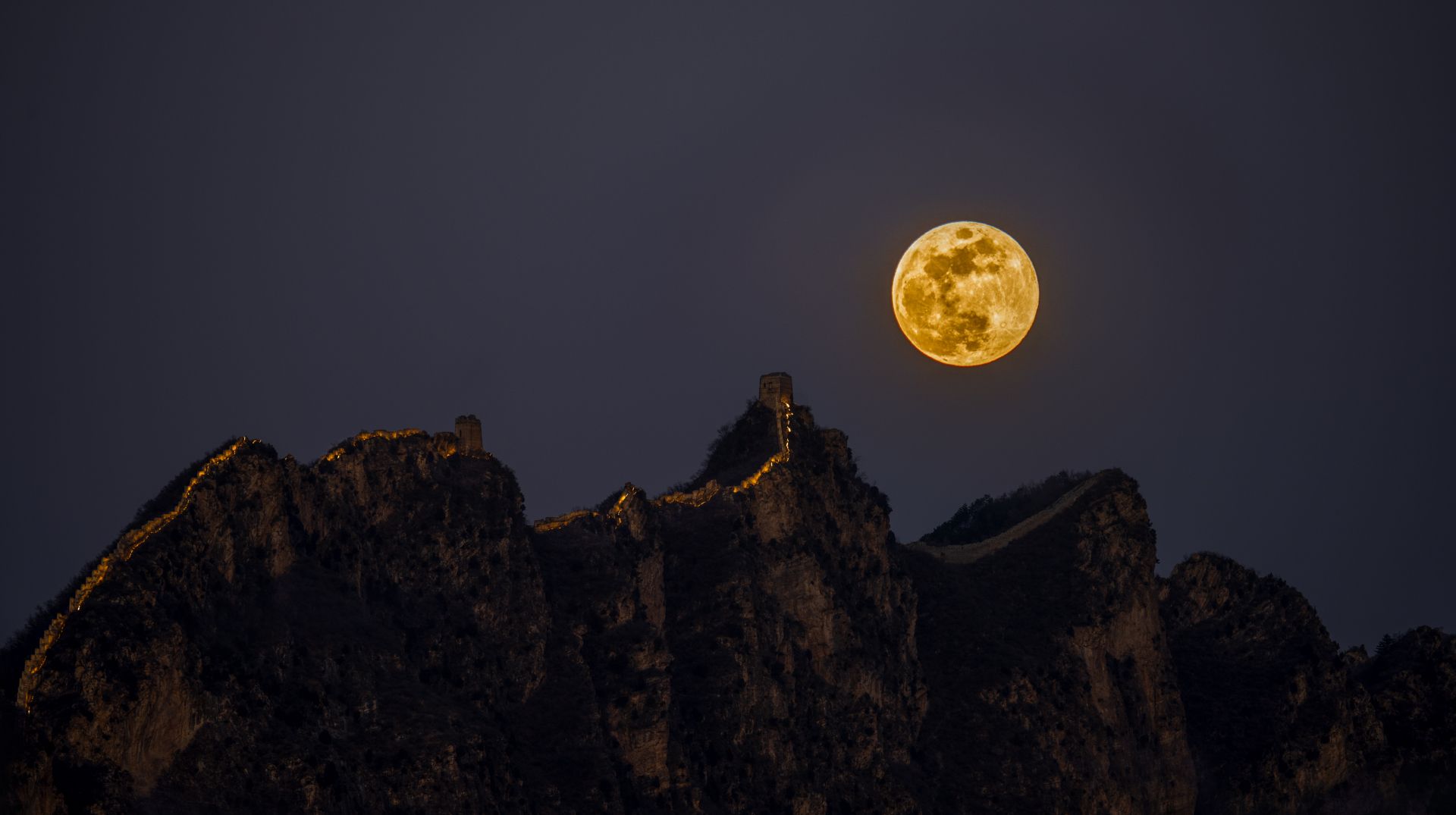
The "Snow Moon," the year's second full moon and the smallest-looking, was captured by photographers worldwide next to famous landmarks. Also known as the Hungry Moon, Storm Moon, and Wolf Moon, its arrival signaled the end of the Spring Festival and the start of the Lantern Festival. The "Snow Moon" was the year's smallest full moon due to its elliptical orbit, and it marked the beginning of an "eclipse season" leading up to the "Worm Moon" on Mar. 25, which will feature a penumbral lunar eclipse visible in North and South America, Europe, East Asia, Australia, and New Zealand. Additionally, a total solar eclipse will occur on Apr. 8, visible across parts of northwest Mexico, 15 U.S. states, and six Canadian provinces.
The "Snow Moon," a Micromoon, will light up the sky on the night of February 23-24, 2024, offering a captivating celestial spectacle. This full moon, named for February's snowy conditions, is also known by various alternative names in different cultures. Micromoons occur when the moon is at its farthest point from Earth, appearing slightly smaller and dimmer. Despite its reduced size, the event promises to be a captivating sight for moon gazers. The article also delves into the myths and legends surrounding full moons across different cultures, highlighting the universal appeal and powerful place of the moon in human imagination and spirituality.
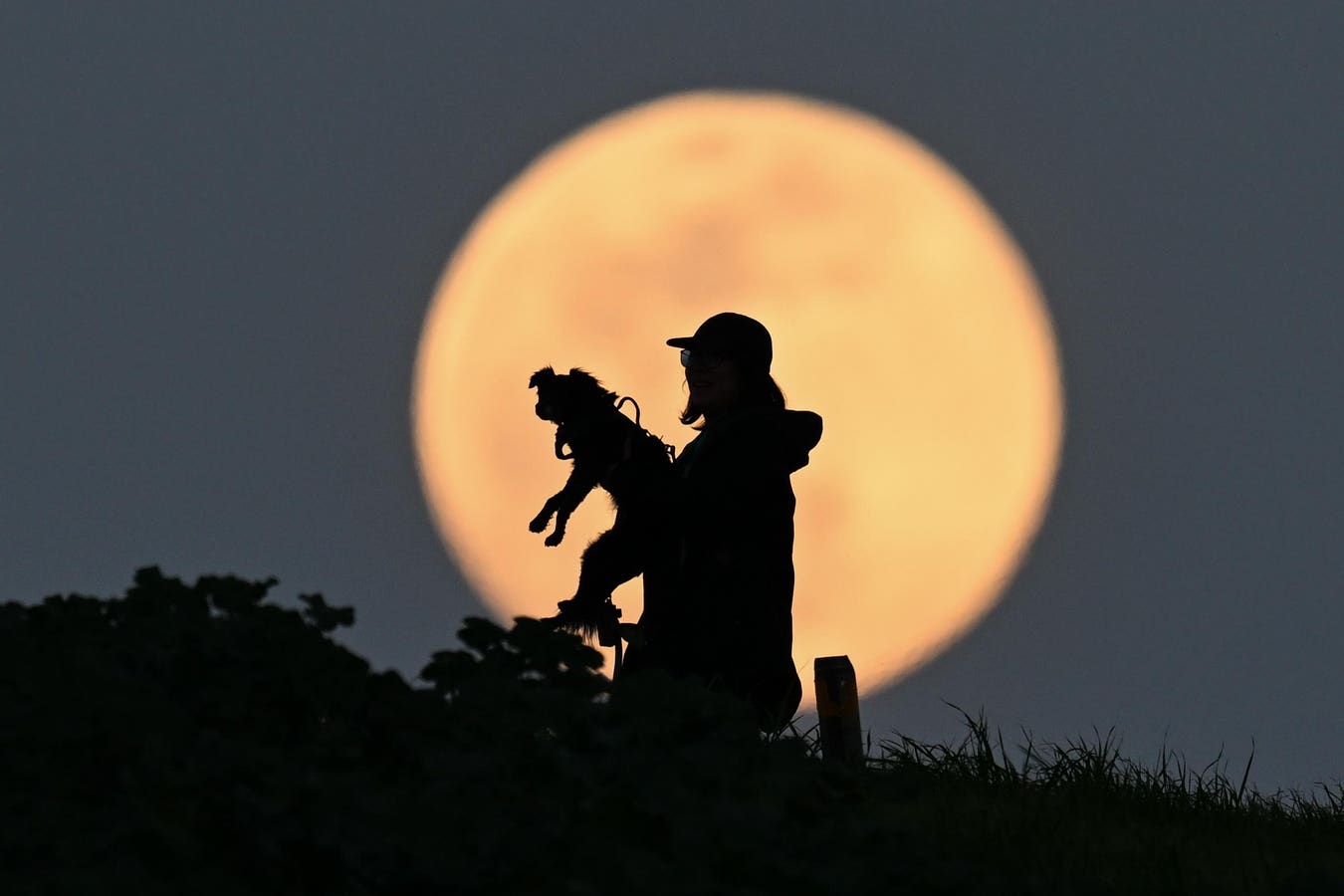
Skywatchers around the world captured stunning images of February's full Snow Moon, the smallest full moon of 2024, as it rose over various landmarks and landscapes. Despite its smaller appearance, astrophotographers managed to capture the moon's beauty from locations such as New York City, California, New Jersey, the U.K., Pakistan, India, and Italy. The next full moon, the Worm Moon, is set to rise on March 25, and enthusiasts can prepare for it with guides on telescopes, binoculars, and astrophotography.
Tonight's micro moon, also known as the snow moon, will be visible with clear skies, marking the last full moon of winter as it reaches its farthest point from Earth. This phenomenon, also called the bony moon or hungry moon, is the opposite of a super moon and is typically associated with heavy snowfall in February, despite the lack of snow in many areas this year. The next full moon is expected to reach its peak illumination on March 25, coinciding with the start of spring on March 19.
Tonight's full moon in Michigan marks a "micromoon," the smallest appearance of the moon this year, as it aligns with apogee, the furthest point in its orbit from Earth. Named the "snow" moon, it's associated with heavy snowfall during winter, although this February has seen near-record highs and little snow in Michigan. The full moon began at 7:30 a.m. Saturday, marking day 15 of the lunar cycle, and it's the last full moon of winter before the next one on March 19.
The full moon on February 24, 2024, known as the "Snow Moon" or "Hunger Moon", will also be the smallest of the year, rising during dusk. Referred to as a "minimoon" or "micromoon" by NASA, it occurs a little over a day before apogee, when the Moon is farthest from the Earth in its orbit. The name "Snow Moon" originates from the 1930s when the Maine Farmers' Almanac began publishing "Indian" names for full Moons, with the northeastern US tribes calling it the Snow or Storm Moon due to heavy snows in the season, while "Hunger Moon" reflects the difficult hunting conditions caused by bad weather and heavy snowstorms.
Kansans will witness a special 'Snow Moon' event on the night of Feb. 23, known as a 'micro Moon' due to its occurrence during apogee, the farthest point in the Moon's orbit around Earth, making it appear smaller than usual. The Moon is also known by various names such as Storm, Hunger, Wolf, or Candles Moon, with origins in European traditions and Native American inspiration.
Kansans can look forward to a special lunar event this Friday evening as the 'Snow Moon' or 'micro Moon' is set to appear, appearing smaller than usual due to occurring during apogee, the farthest point in the Moon's orbit around Earth. The names given to the Moon vary depending on the time of year and have roots in European traditions or Native American inspiration.
February's full moon, known as the Snow Moon, will be visible from Thursday evening through Sunday morning, reaching peak illumination at 7:30 a.m. ET on Saturday. This micromoon will be the smallest of the year, occurring when the moon is at its farthest point from Earth. The name "Snow Moon" comes from the heavy snowfall typically seen in February, and it marks the last full moon of winter before spring begins on March 19.
The "Snow Moon" is set to rise this weekend, potentially impacting sleep quality, according to a 2013 study that found people had around 20 fewer minutes of sleep, took longer to fall asleep, and experienced less deep sleep around the time of a full moon. Possible causes include the moon's magnetic charge and gravitational pull, though scientists say the effects would be negligible. Tips for improving sleep quality include investing in better bedding, blocking out light, keeping the room cool, limiting naps, disconnecting from devices, and being mindful of caffeine and alcohol consumption.
February will feature a series of celestial events including the ongoing α-Centaurid meteor shower, a new moon on February 9, a close approach of the Moon and Jupiter on February 15, a close approach of Venus and Mars on February 22, and the Snow Moon on February 24. Sky gazers can look forward to these spectacular events, with opportunities to witness meteor showers, planetary alignments, and the full moon at its peak splendor.