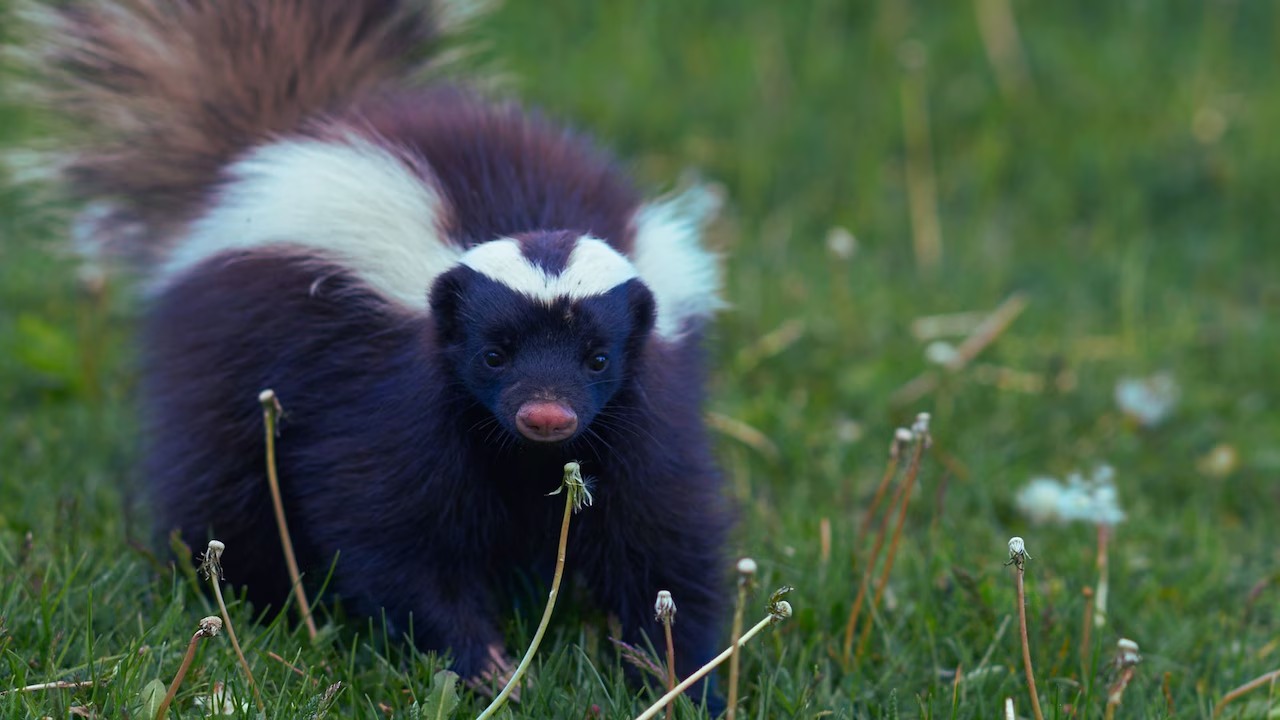
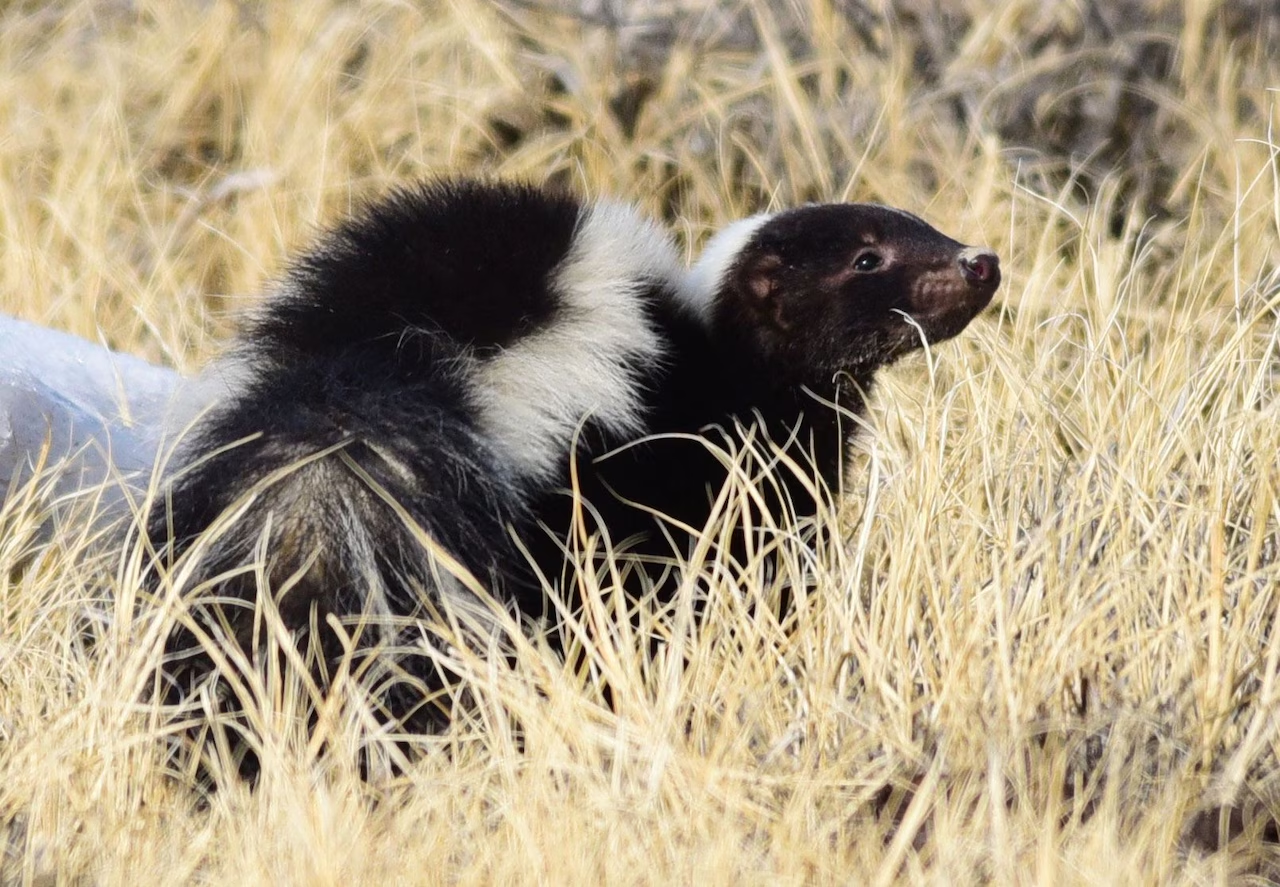
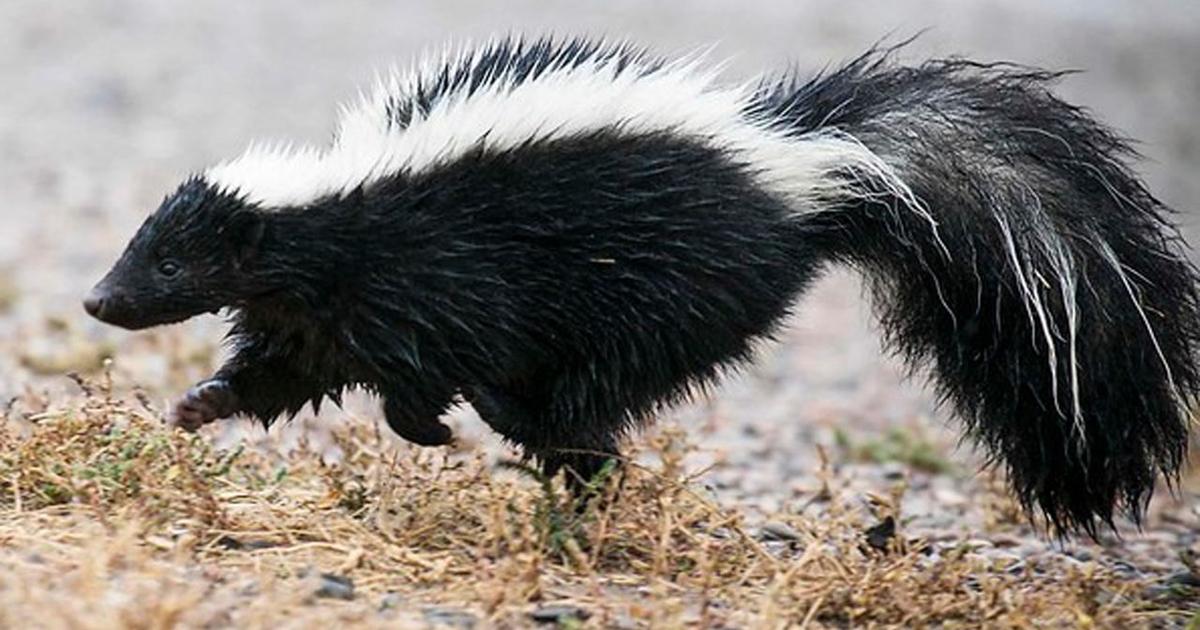
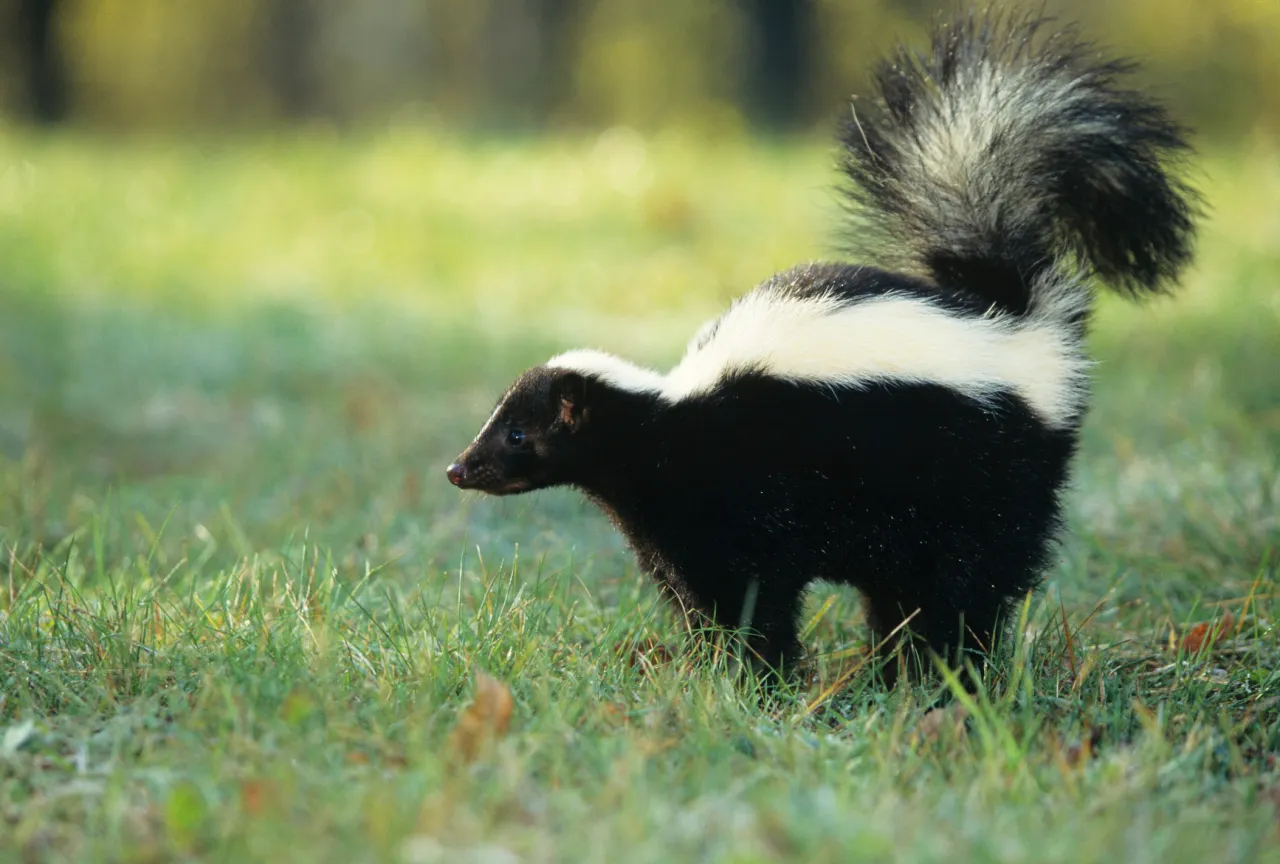
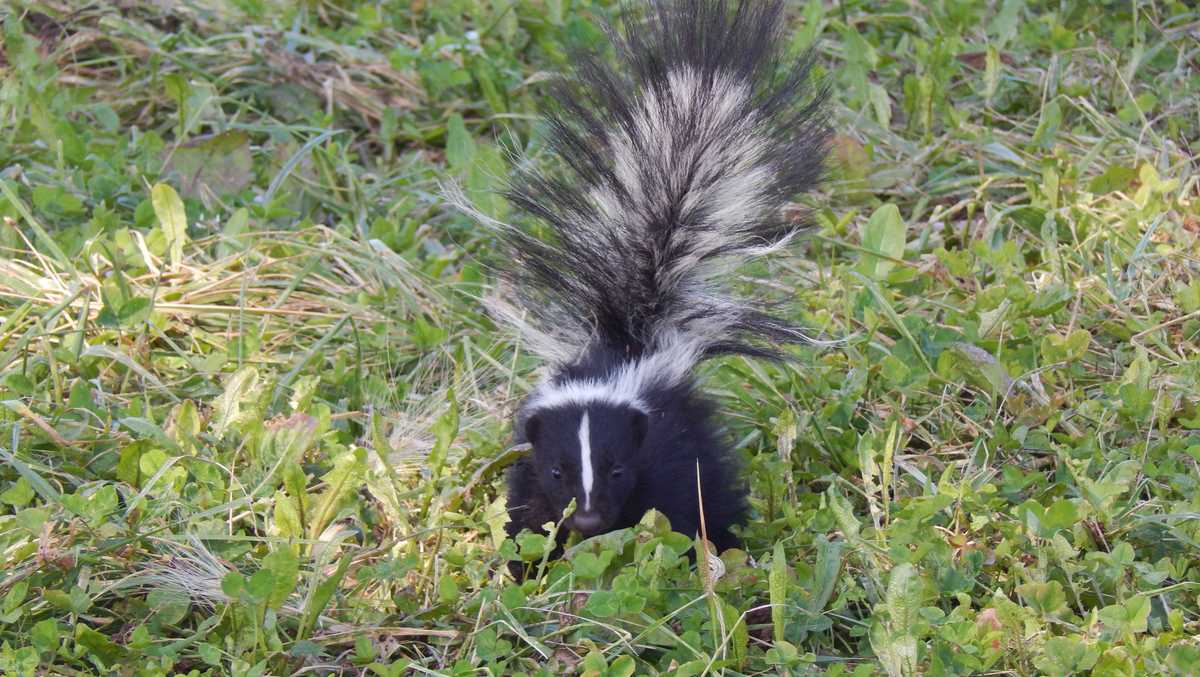
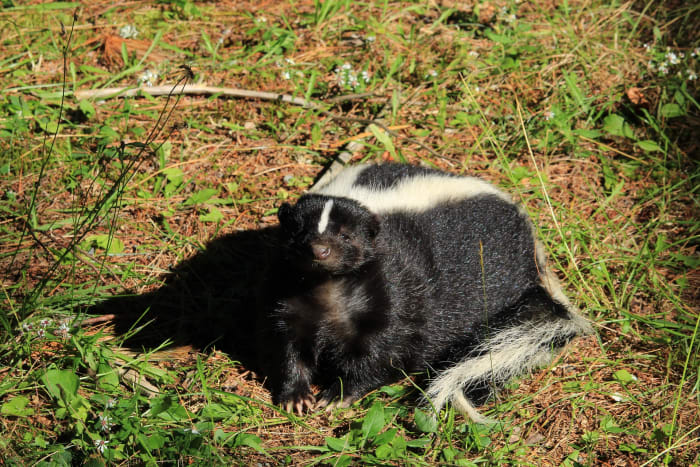
A 7-year-old in San Antonio was exposed to a rabid skunk, prompting health officials to urge precautions such as avoiding wildlife contact, ensuring pets are vaccinated, and reporting encounters with potentially rabid animals. The city has confirmed 18 rabies cases this year, mostly in bats, and offers free pet vaccination clinics to help prevent further cases.
A rabid skunk in Camden County, NJ, interacted with two dogs, leading to their quarantine and raising concerns about rabies in the area, which has seen multiple rabies cases this year.
A skunk showing signs of rabies was sighted in Hummelstown, Dauphin County, prompting officials to warn residents to avoid handling the animal, keep pets indoors, and report unusual animal behavior to authorities.
Indiana health officials have confirmed the first case of skunk rabies in 20 years, detected in Clark County, prompting a warning for Hoosiers to ensure their pets are vaccinated against the deadly disease. The viral infection is primarily spread through saliva and bites, and officials urge pet owners to keep their animals indoors or under supervision, and to spay or neuter pets to reduce stray populations. Rabies is not spread through blood, urine, feces, or skunk spray, and vaccination is crucial for preventing the spread of the disease.
A skunk in Clark County, Indiana, has tested positive for rabies, marking the first case in the state in 20 years. Officials emphasize the importance of vaccinating pets to prevent the spread of the deadly viral infection, which is primarily transmitted through the bite of an infected animal. They advise avoiding contact with wild animals, securing trash and pet food, and promptly seeking medical attention if bitten or scratched. Additionally, Indiana law requires dogs, cats, and ferrets to be vaccinated against rabies, and individuals are urged to report any sick wild animals to the appropriate authorities.
A person was bitten by a rabid skunk near US 64 in Lexington, North Carolina. Animal Control safely removed the skunk and confirmed it had rabies. This is the eighth confirmed case of rabies in Davidson County this year. The person who was bitten sought immediate postexposure prophylaxis treatment. The health department advises against engaging with wild animals, as they are more likely to transmit the potentially deadly virus. Rabies is 99.9% fatal in humans without immediate treatment. State law requires reporting all animal bites to the local health department and vaccinating domestic animals against rabies.
A skunk from Utica, New York, has tested positive for rabies, with one person being exposed to the rabid animal. The Oneida County Health Department advises residents to avoid approaching any wild or stray animals and seek medical attention if bitten or in contact with an animal's saliva. A rabies vaccination clinic is scheduled for October 19th, and the exact location of where the skunk was found has not been disclosed.
A skunk captured in Farmington, Connecticut, has tested positive for rabies, prompting authorities to urge pet owners to keep their animals up to date on vaccines and prevent interactions with wildlife. If anyone suspects exposure to a sick animal, they are advised to contact Farmington Animal Control.
The South Carolina Department of Health and Environmental Control (DHEC) has confirmed that a skunk found in Greenville County has tested positive for rabies. One person has been exposed and referred to their healthcare provider. Rabies is most commonly found in wildlife such as raccoons, skunks, foxes, and bats, but pets are also susceptible. It is important to keep pets up to date on their rabies vaccinations and avoid direct contact with wild or stray animals. This is the first case of rabies in an animal in Greenville County in 2023, with 32 cases statewide this year.
A skunk found in western Lubbock County has tested positive for rabies, the first reported case in Lubbock in 2023. Rabies is a viral illness that can be transmitted to humans through an infected animal’s saliva and is almost always fatal once symptoms begin. Officials advise seeking medical attention as soon as possible if coming in contact with a potentially rabid animal and remind the public to keep pets vaccinated and avoid contact with wildlife, particularly coyotes, bats, foxes, raccoons, and skunks.
Highly Pathogenic Avian Influenza (HPAI) has been found in a striped skunk in Texas, marking the first time the virus has been detected in the state. HPAI is highly contagious and easily transmittable among wild and domestic birds, as well as certain mammal species. Symptoms include lack of fear of people, sudden death, and other neurological issues. While the risk of transmission to humans is low, basic protective measures should be taken when handling wild animals. Wildlife rehabilitators should also be cautious when intaking animals with clinical signs consistent with HPAI.