
Tag

Silicon Isotopes

All articles tagged with #silicon isotopes

Controversial theory suggests Earth formed quickly, increasing likelihood of alien life.
astronomy2 years ago

Controversial theory suggests Earth formed quickly, increasing likelihood of alien life.

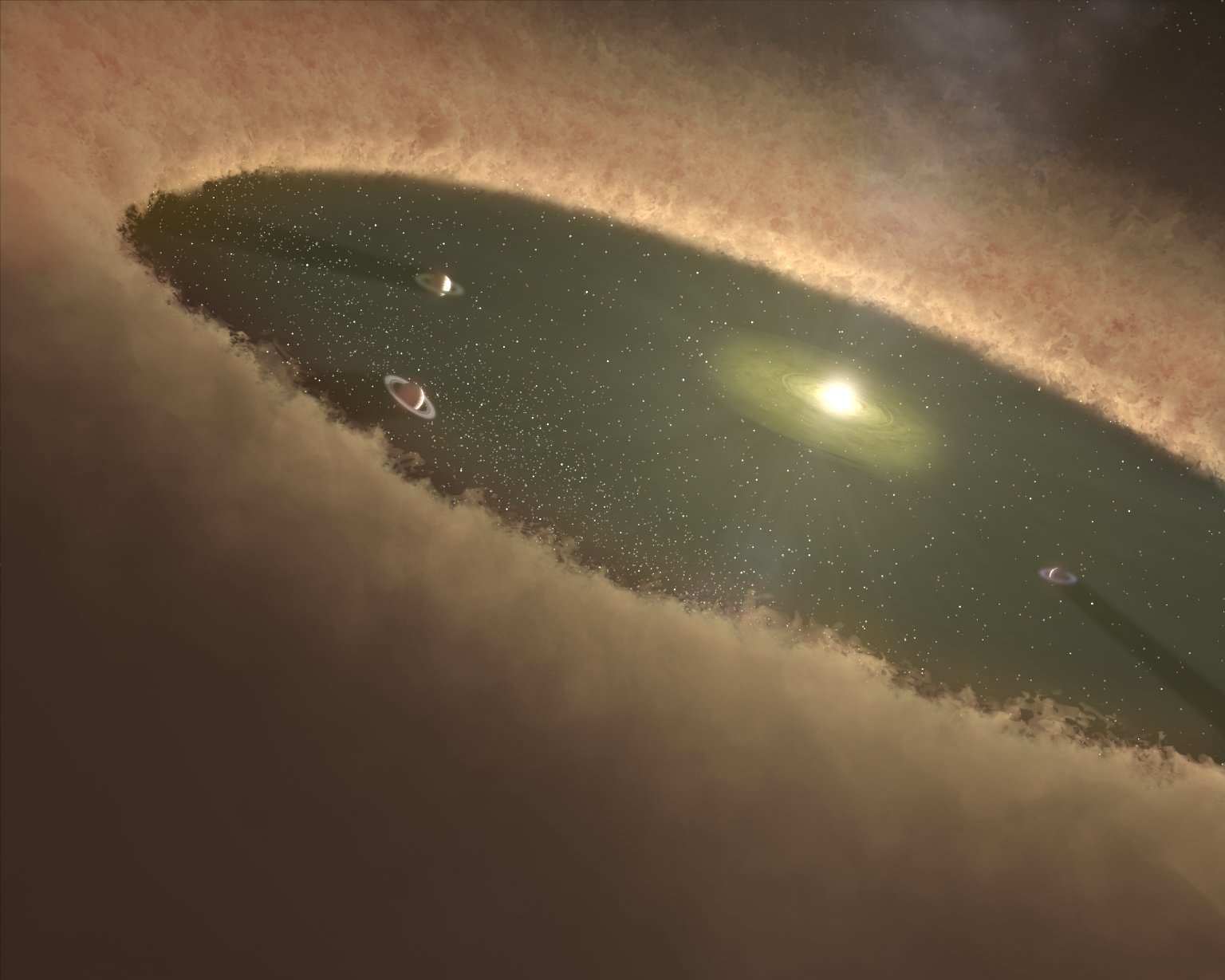
New research from the University of Copenhagen suggests that Earth formed more quickly than previously thought, in just a few million years, by accumulating small millimetre-sized pebbles from the protoplanetary disk. The research also suggests that Earth's water is a result of how it formed from those grains, rather than from incidental collisions with water-rich asteroids and comets. The study focused on the distribution of silicon isotopes in more than 60 different meteorites and planetary bodies, providing a novel perspective on the accretion history of terrestrial planets. The findings could have implications for the search for habitable exoplanets.
Controversial theory suggests fast Earth formation increases likelihood of alien life.
science2 years ago

Controversial theory suggests fast Earth formation increases likelihood of alien life.

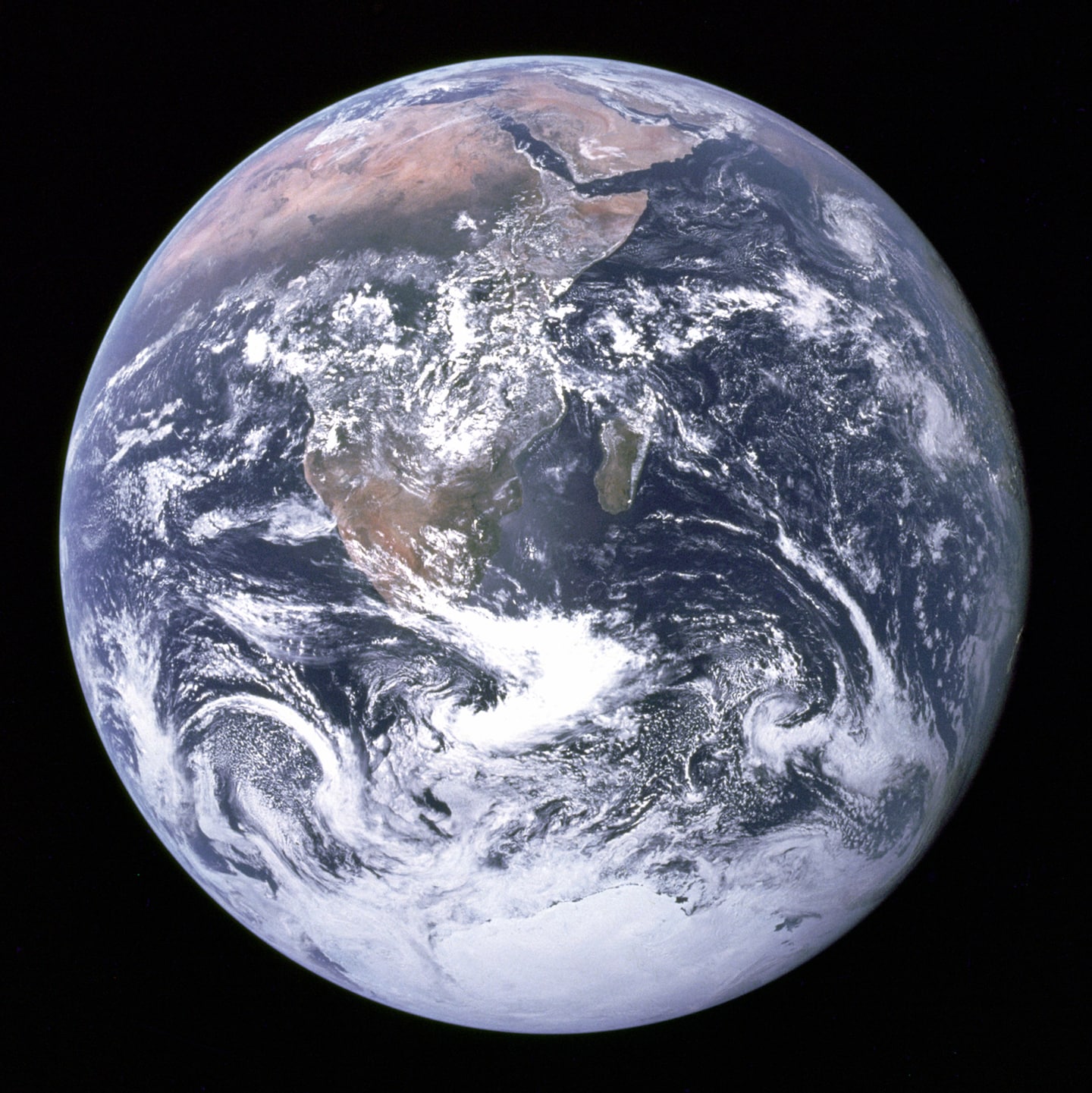
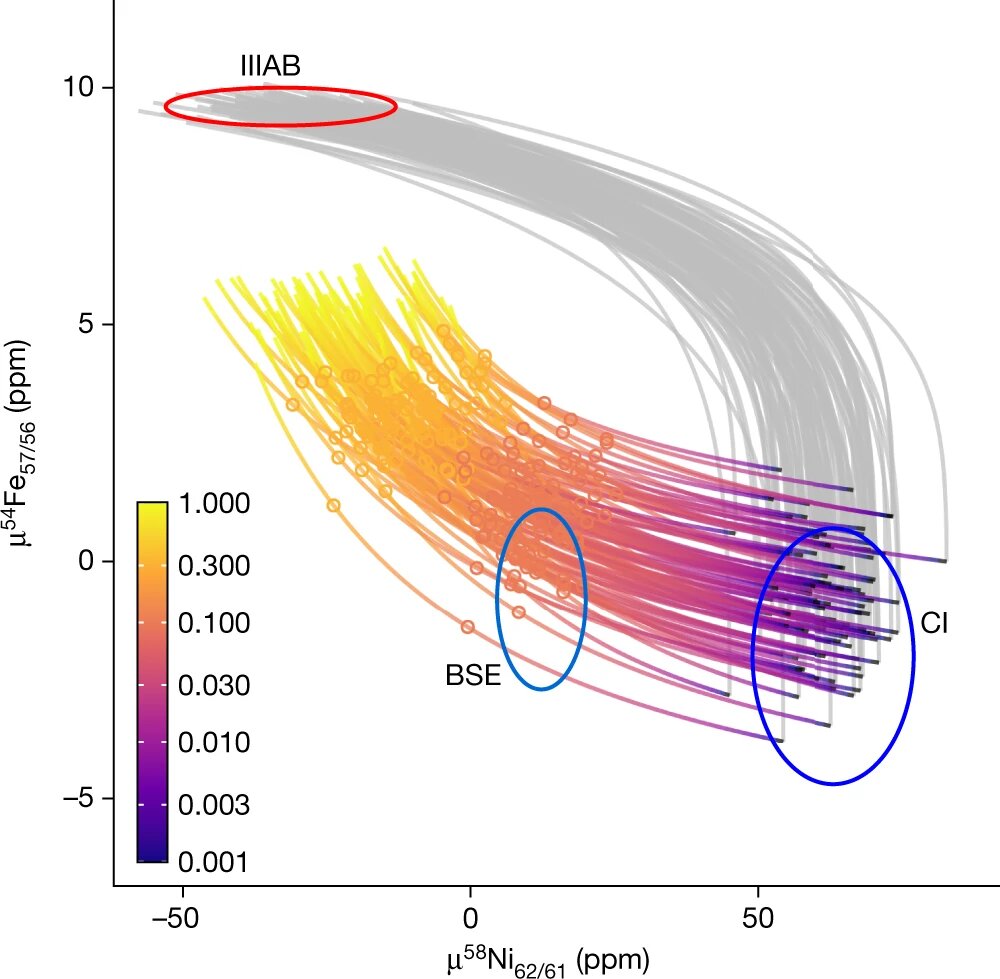
Earth formed within just 3 million years, much faster than previously thought, according to a new study. The authors assert that this rapid genesis occurred through a theory called pebble accretion. The team determined the time scale of Earth’s formation by looking at silicon isotopes from more than 60 meteorites and planetary bodies in the vicinity of Earth, which represent the rubble leftover after planet formation. This study provides “the strongest evidence” that terrestrial planets formed via pebble accretion.

Rapid Earth Formation and Water Origins Explored
science2 years ago

Rapid Earth Formation and Water Origins Explored

A new study from the University of Copenhagen suggests that the Earth was formed much faster than previously thought, in just a few million years, by the accumulation of small millimeter-sized pebbles. The presence of water on Earth is a predicted outcome of this formation process, rather than a chance event. The researchers used silicon isotopes to understand the mechanisms and timescales of planet formation and establish genetic relationships between rocky planets like Earth and Mars and other celestial objects. This new understanding of planet formation increases the chance of water being present on other planets, making the chance of having habitable planets in the galaxy much higher than previously thought.