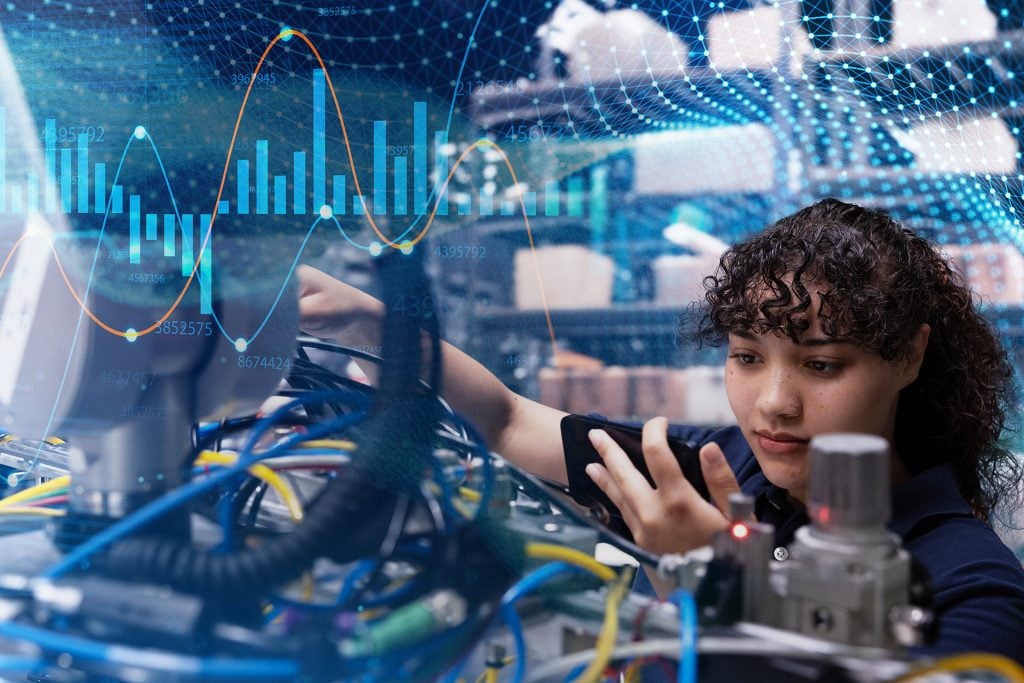
Nvidia announced at CES 2026 that it will accelerate Siemens' electronic design automation (EDA) software using its GPUs to speed up chip design processes and create digital twins for testing chips and systems before manufacturing.
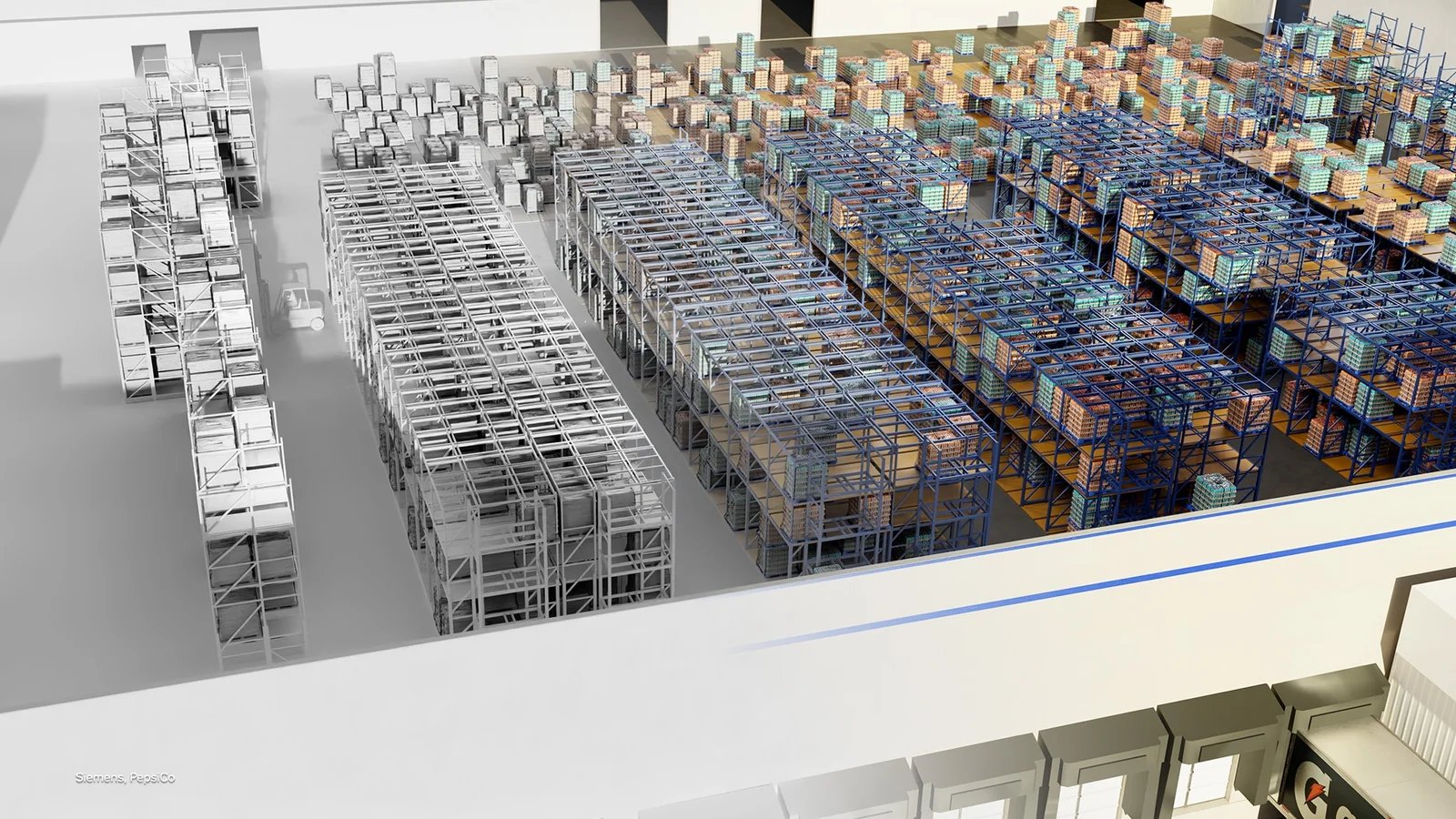
Siemens and NVIDIA are expanding their partnership to develop an Industrial AI operating system, aiming to revolutionize the entire industrial value chain with AI-driven solutions, including AI-native design, simulation, and adaptive manufacturing, starting with the goal of creating fully AI-driven factories by 2026.
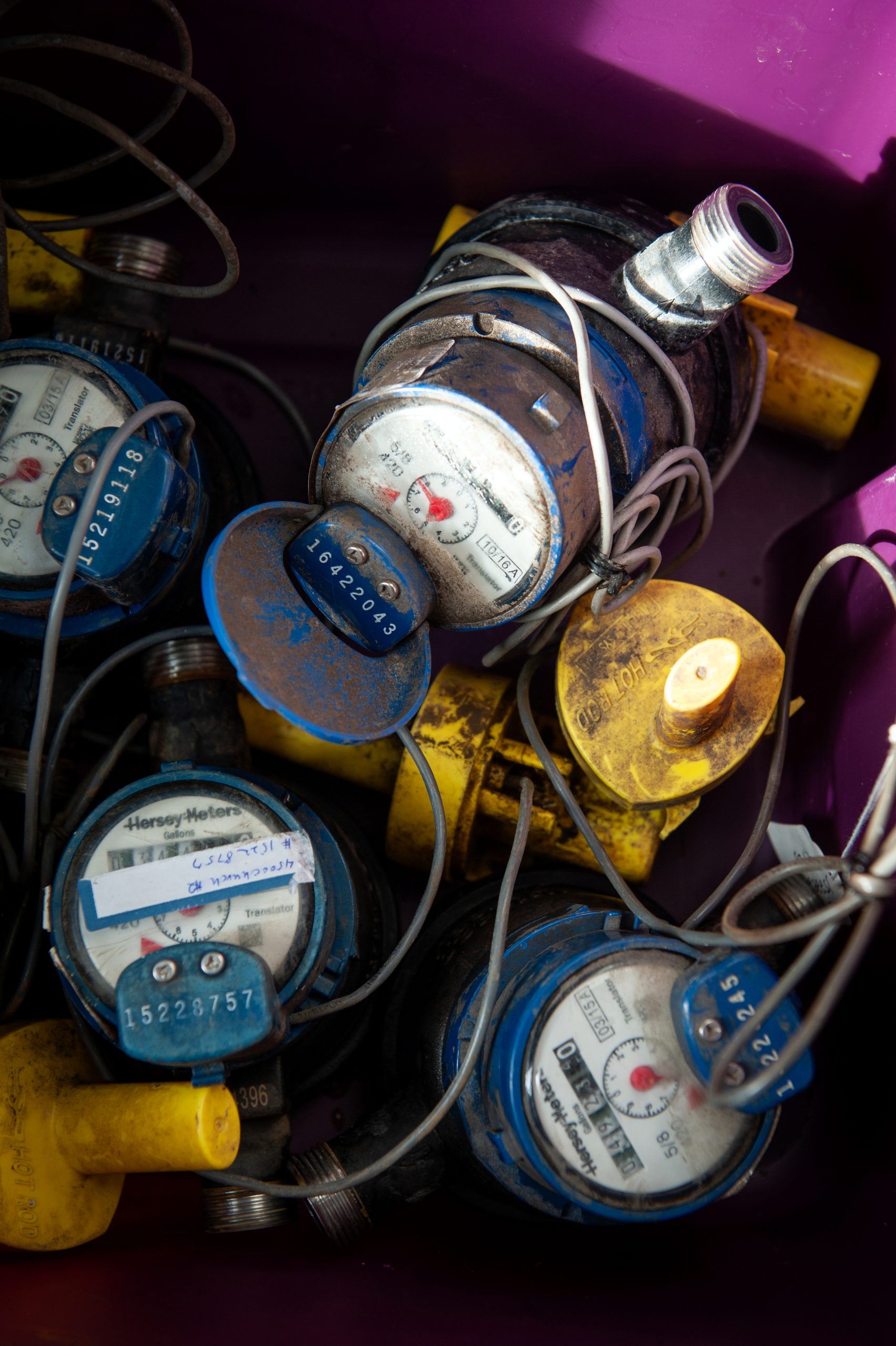
A New York Times investigation reveals how Siemens and other corporations made grand promises to modernize water systems and boost revenues in cash-strapped Mississippi towns, only to deliver faulty meters and inaccurate water bills. The involvement of a state agency that was supposed to vet the deals sheds new light on the situation. Small towns like McComb and Moss Point were financially crippled, and despite widespread problems and lawsuits, state and city officials continued approving contracts. Mueller, another company involved, faced similar issues in other states, raising questions about its products.
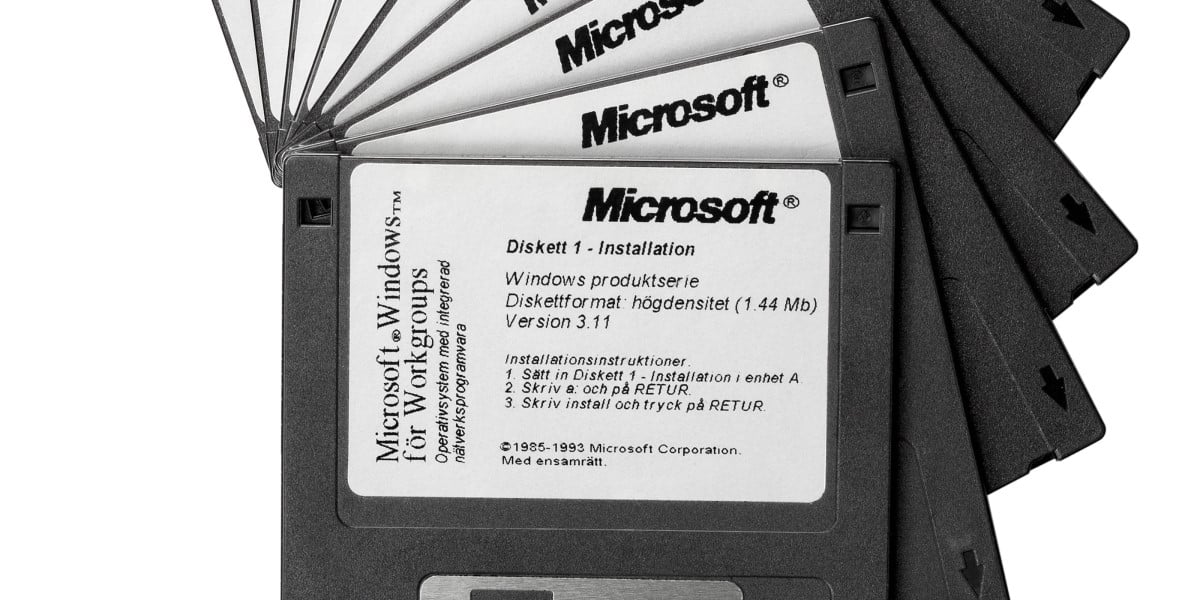
A job ad for a Windows 3.11 techie appeared on a German job site, seeking an administrator for the obsolete operating system to maintain and keep old systems running for German trains, likely with Siemens' rail tech division. The position required knowledge of MS-DOS, Windows for Workgroups, and the Siemens train control system, Sibas, highlighting the continued use of ancient and obsolete hardware by rail operators despite the push for modernization in the tech industry.
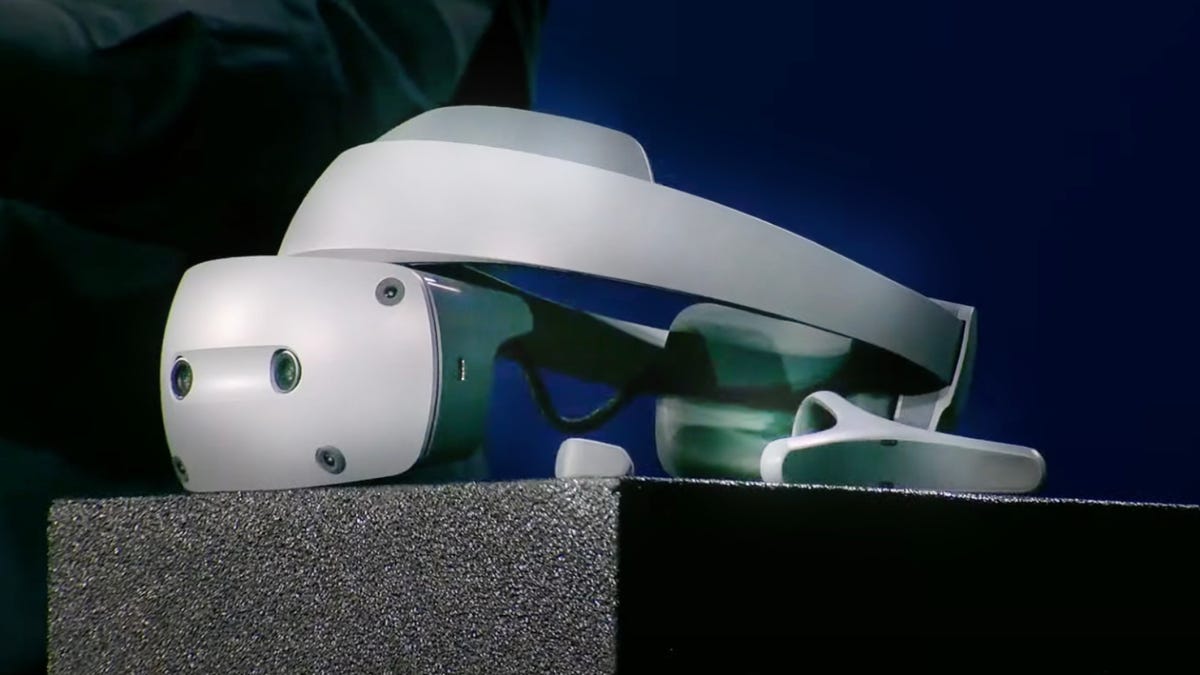
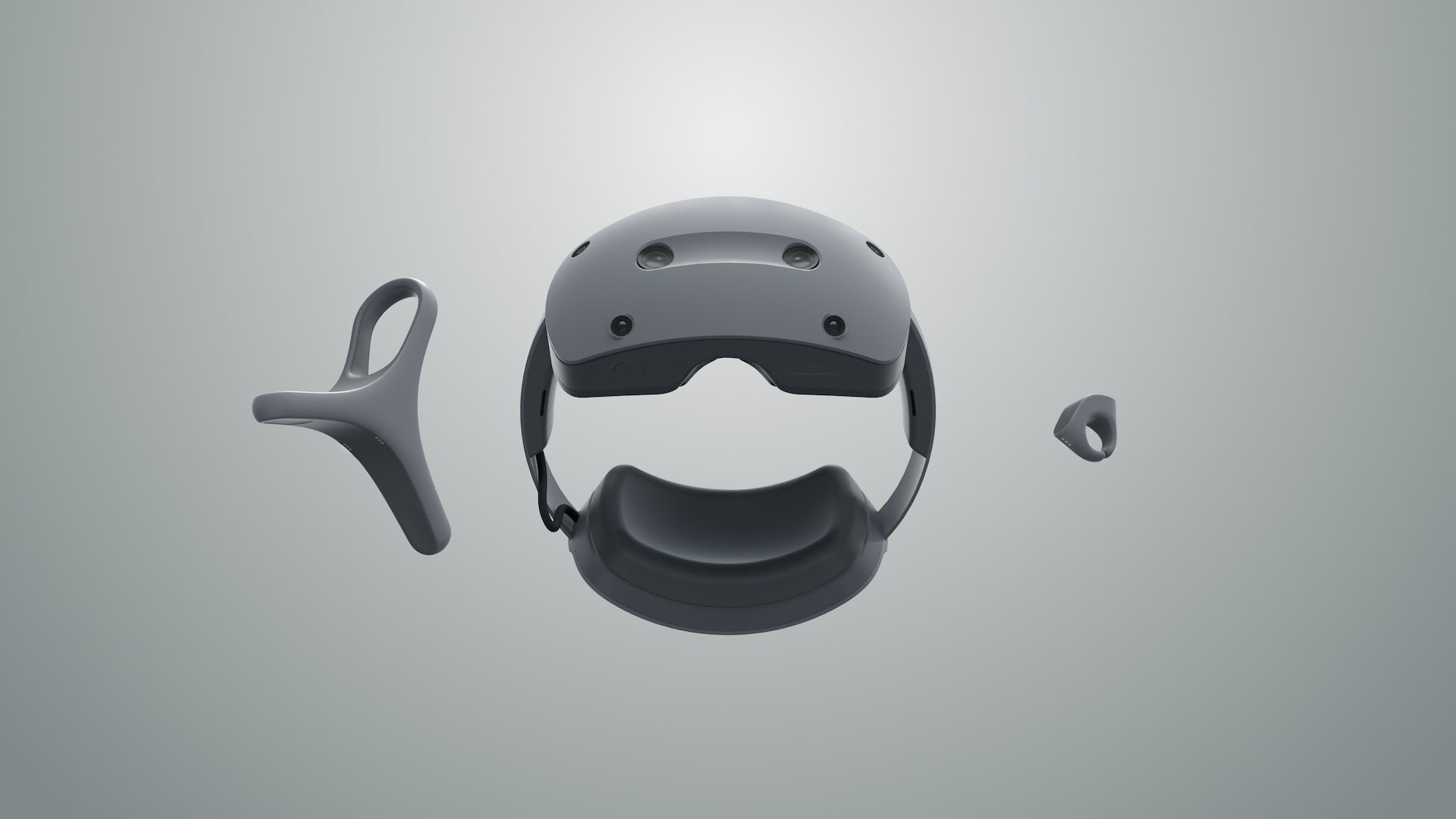
Sony unveiled a high-end XR headset at CES 2024, featuring 4K OLED microdisplays, the new Qualcomm XR2+ Gen 2 chipset, and wearable controllers, aimed at professionals, engineers, and product designers for creating 3D prototypes in virtual environments. The headset's flip-up facial interface and wearable controllers are highlighted as features that Apple's Vision Pro could benefit from for extended use in professional environments.
Sony and Siemens have unveiled a new VR headset with spatial content capture potential, featuring 4K OLED Microdisplays, unique controllers, and spatial recognition abilities enabled by six cameras and sensors. The headset, powered by Qualcomm’s Snapdragon XR2+ Gen 2 Platform, is designed for sophisticated 3D content creation in entertainment and industrial design fields, with Siemens supplying industry software to kickstart content creation for the industrial metaverse. Set for release in 2024, this project is not a commercial product and is not directly competing with Apple’s Vision Pro launch.
European stocks were cautious as positive sentiment cooled, with Siemens shares up 5% after posting record-breaking quarterly earnings but warning of a sales growth slowdown in 2024. Burberry shares plunged 10% as the luxury fashion brand warned of a potential miss in its annual revenue forecast due to a global spending slowdown. Hellofresh shares plummeted 20% after the German meal kit delivery company cut its profit forecast on weak sales growth and rising costs. Swedish games developer Embracer Group saw its shares jump over 14% after beating profit expectations.
Siemens reported a 10% increase in revenue growth for its fiscal fourth quarter, surpassing expectations with a record high of €21.4 billion ($23.2 billion). However, the German industrial conglomerate anticipates a slowdown in sales growth for 2024, projecting a 4-8% increase compared to the 11% recorded for the 2023 fiscal year. The muted outlook is primarily attributed to the industrial automation division. Despite this, Siemens achieved record quarterly and full-year results, with industrial profit reaching €3.4 billion in Q4 and a historic high of €11.4 billion for the year. The company also proposed an increase in dividend and expressed confidence in its strategy and the digital and sustainability transformations of its customers.
Siemens and Microsoft are partnering to drive cross-industry adoption of artificial intelligence (AI). They have introduced Siemens Industrial Copilot, an AI-powered assistant aimed at enhancing human-machine collaboration in manufacturing. The companies plan to develop additional copilots for industries such as manufacturing, infrastructure, transportation, and healthcare. Schaeffler AG, a leading automotive supplier, is an early adopter of Siemens Industrial Copilot. Additionally, Siemens Teamcenter app for Microsoft Teams will be available in December 2023, facilitating virtual collaboration and innovation across the product lifecycle.
Siemens has raised its full-year sales and profit guidance after beating sales forecasts during its second quarter. The German engineering and technology group now expects comparable revenue growth of 9% to 11% in the 12 months to the end of September, up from its previous outlook for an increase of 7% to 10%. The results of Siemens, whose sensors, controllers and software are used in factories, transport systems and buildings, are seen as indicators for the health of the broader industrial economy.
German companies Siemens and SAP have joined US tech giants in criticising the draft EU Data Act, which covers EU consumer and corporate data, for endangering trade secrets. The companies wrote a joint letter to the European Commission, calling for safeguards to allow companies to refuse requests to share data where trade secrets, cybersecurity, health and safety are at risk. The Commission confirmed receipt of the letter, saying it understood the importance of trade secrets but that companies should not use them as a pretext.
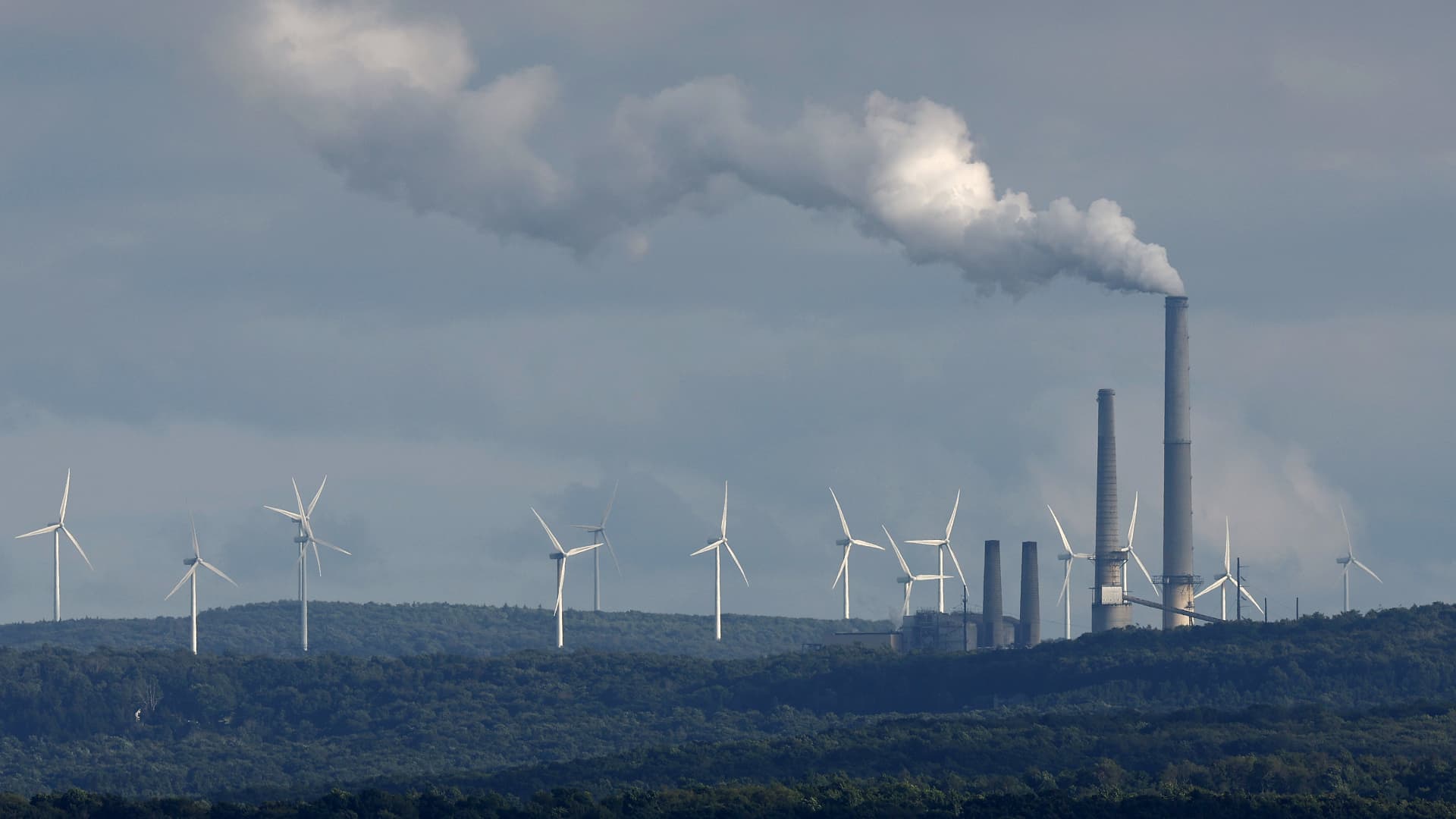
The US wind energy industry is optimistic about growth over the next decade, particularly in the nascent offshore wind niche, despite billions of dollars in losses over the past few years due to supply chain disruptions, rising inflation and interest rates, the war in Ukraine, and reduced tax incentives. The Biden administration's Inflation Reduction Act, which includes new tax credits and subsidies toward clean energy investments, is expected to drive investment of nearly $369 billion in clean energy and climate priorities. The US wind energy industry is in good shape, if the short-term economic issues can be overcome.