Shares of Boeing and GE rose following the recovery of flight data from the black boxes of the crashed Air India Flight 171, as investigators seek to determine the cause of the failure of the Boeing 787 shortly after takeoff.
GE stock surged by 7% after the company reported a quarterly profit beat and raised its guidance, attributing the success to the rapid growth of its aerospace business. GE Aerospace has experienced robust demand and solid execution, particularly in commercial engines and services. The company now expects adjusted earnings of $2.55 to $2.65 per share in 2023, up from the previous projection of no more than $2.30. Despite supply chain challenges, GE's commercial engine deliveries have increased by 30% year-to-date. CEO Larry Culp also highlighted the growth potential beyond the commercial category, including a deal with the US Army for test engines. GE's results reflect the success of its five-year-turnaround plan, which involved cost-cutting measures and divestment of businesses. The spin-off of GE Vernova, its renewable energy and power unit, is expected to occur in Q2 2024.
RTX's stock is falling after the company revised its full-year free cash flow expectations due to problems with Pratt & Whitney engines, impacting sales guidance. However, this news could be positive for Boeing and General Electric (GE).
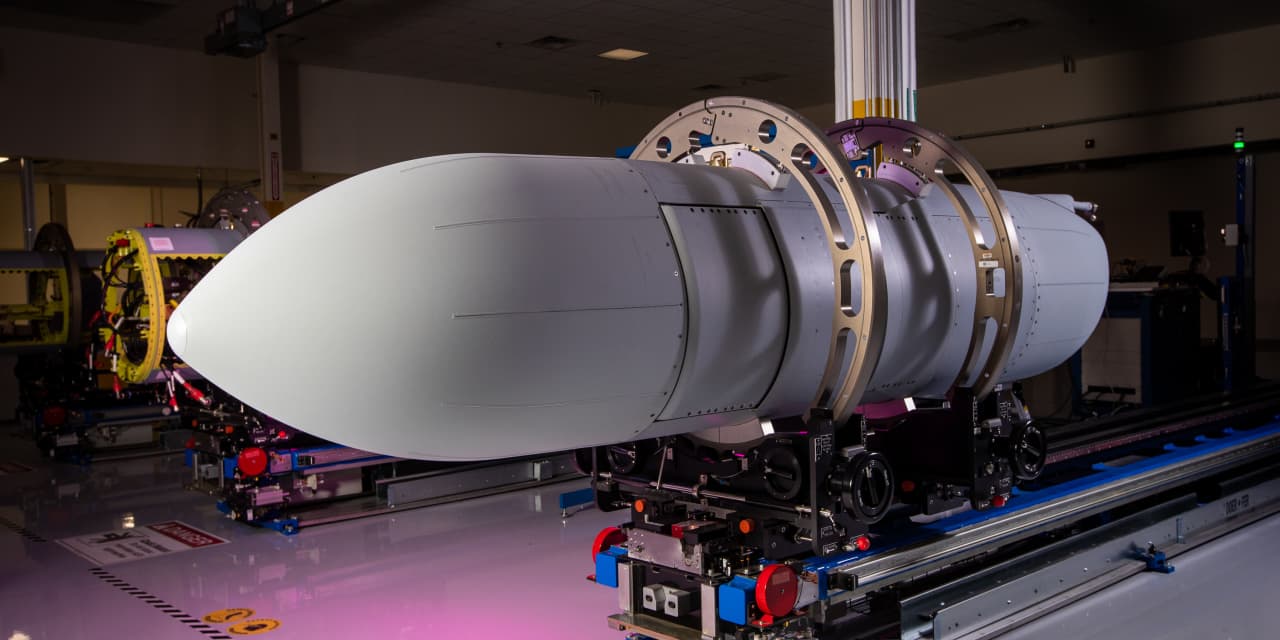
GE Chairman and GE Aerospace CEO Larry Culp said that all options are on the table regarding a potential larger version of the Airbus A220 jet, including investing in a new engine. Currently, the A220 is powered solely by engines from CFM competitor Pratt & Whitney. GE co-owns engine maker CFM International with France's Safran.
GE Aerospace CEO Larry Culp has expressed interest in providing a second engine option for Airbus' notional 170-seat A220-500, which would compete with Boeing's 737 Max 8. Airbus has been seeking a second engine option for the aircraft, which currently has transcontinental range out of reach of the existing engine and wing combination.
Analysts have issued calls on Tesla, Amazon, GE, Home Depot, Elanco, SeaWorld and more, as investors digest the latest earnings reports and economic data.
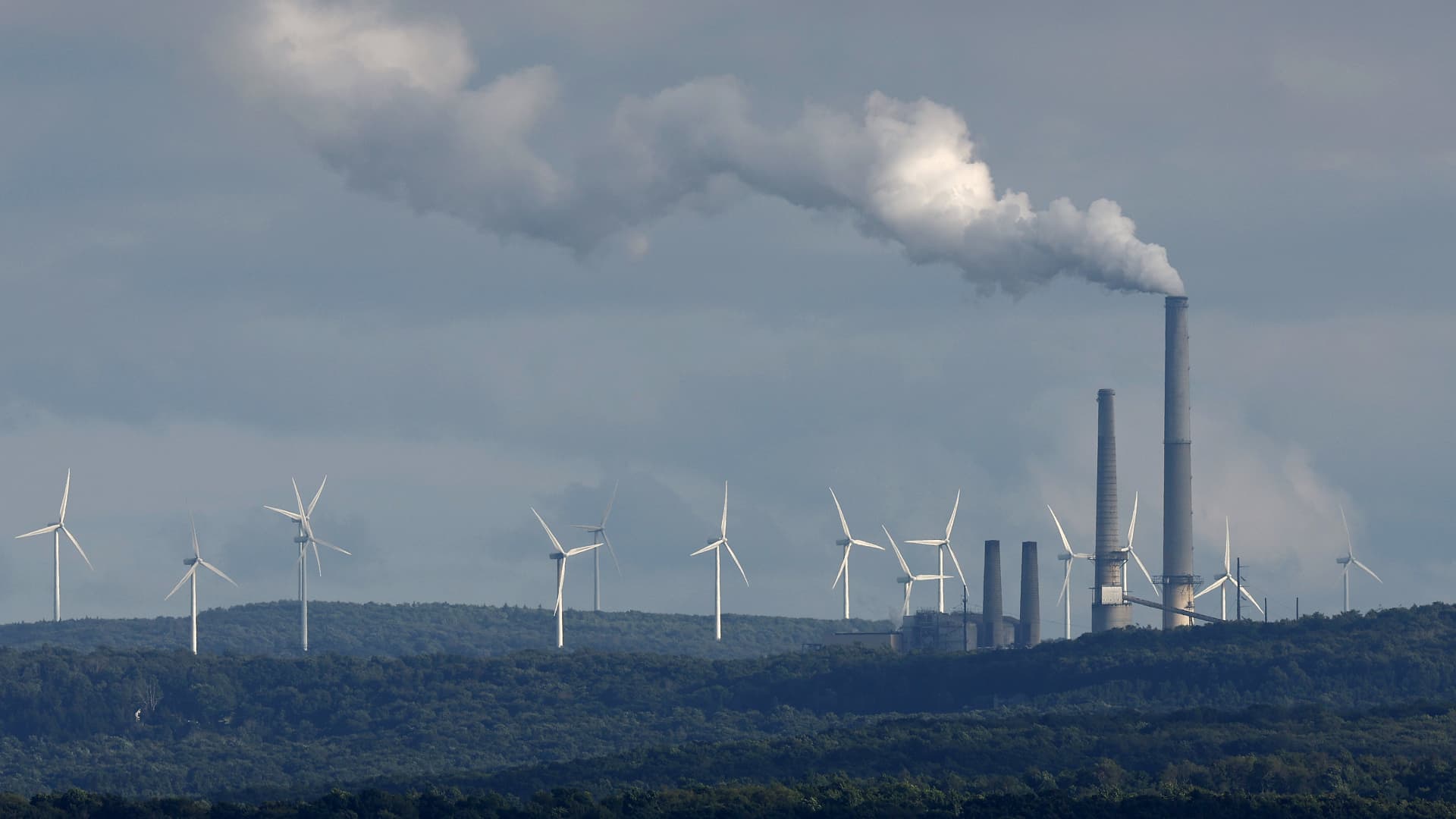
The US wind energy industry is optimistic about growth over the next decade, particularly in the nascent offshore wind niche, despite billions of dollars in losses over the past few years due to supply chain disruptions, rising inflation and interest rates, the war in Ukraine, and reduced tax incentives. The Biden administration's Inflation Reduction Act, which includes new tax credits and subsidies toward clean energy investments, is expected to drive investment of nearly $369 billion in clean energy and climate priorities. The US wind energy industry is in good shape, if the short-term economic issues can be overcome.