A wave of AI startups, including Ricursive Intelligence and Recursive AI, aims to build systems that improve themselves—designing better chips and AI models with less human input—backed by hundreds of millions in venture funding, signaling bold bets amid concerns of an AI bubble.
Nvidia announced at CES 2026 that it will accelerate Siemens' electronic design automation (EDA) software using its GPUs to speed up chip design processes and create digital twins for testing chips and systems before manufacturing.
Nvidia invested $2 billion in Synopsys, a leading chip-design software company, gaining a 2.6% stake to strengthen its supply chain and integrate AI tools into chip design, amid broader strategic investments in the AI and semiconductor sectors.
Nvidia has invested $2 billion in Synopsys to enhance collaboration in AI-powered system design, with Synopsys stock rising and Nvidia stock dipping amid market fluctuations. The partnership aims to address the increasing complexity of next-generation intelligent systems, leveraging AI capabilities to improve engineering solutions.
Intel's top Oregon executive and most senior female leader, Michelle Johnston Holthaus, is resigning after less than a year as CEO of Intel's chip design business, amid company restructuring and leadership changes, leaving only one woman among its top seven executives in Oregon.
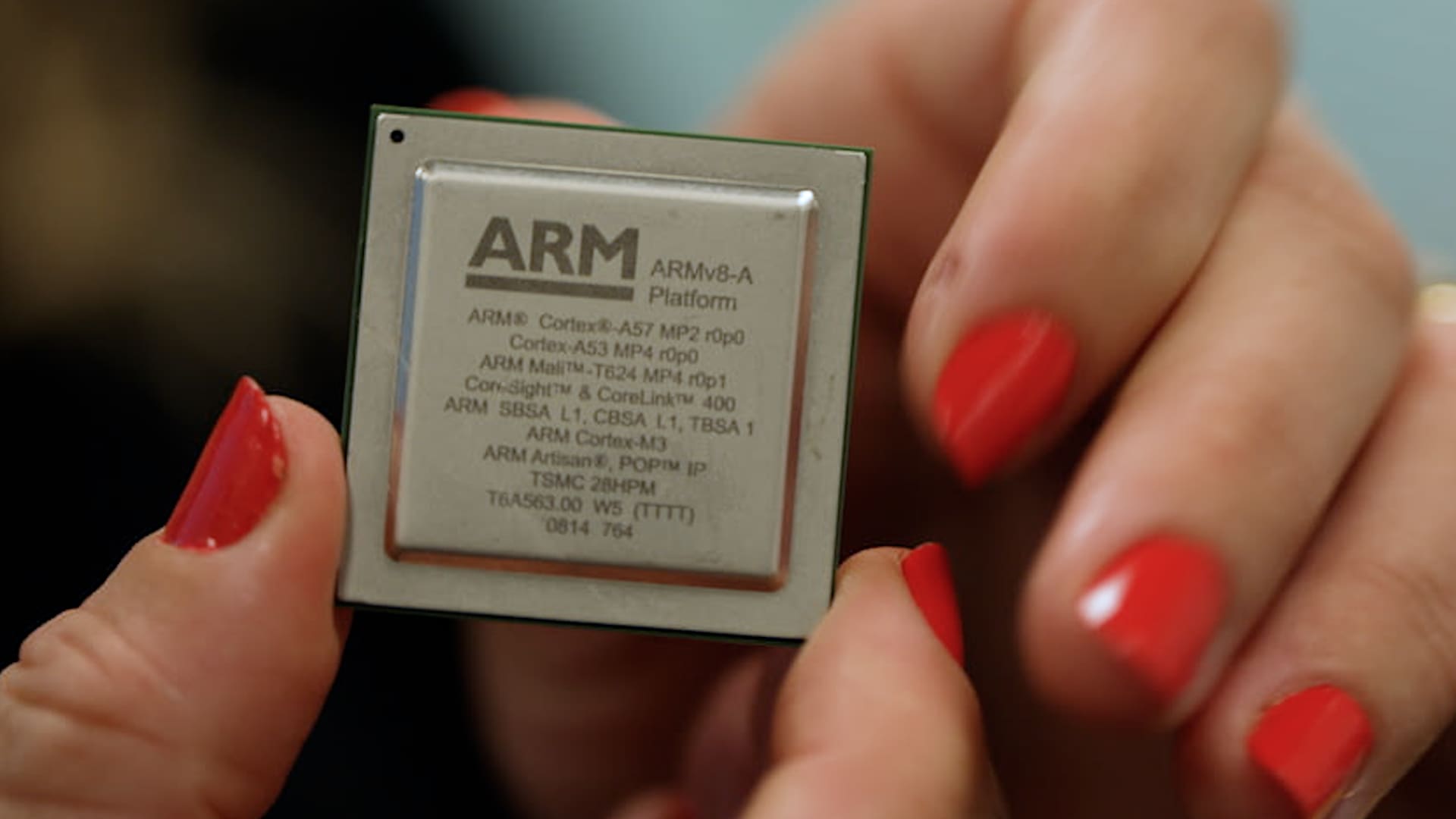
Arm Holdings unveiled new chip designs and software tools to enhance AI capabilities on smartphones, along with a new approach to delivering these designs to speed up their adoption. The company collaborated with Samsung and TSMC to provide ready-to-manufacture blueprints, aiming to help chipmakers bring products to market faster while focusing on integrating neural processing units for optimal AI performance.
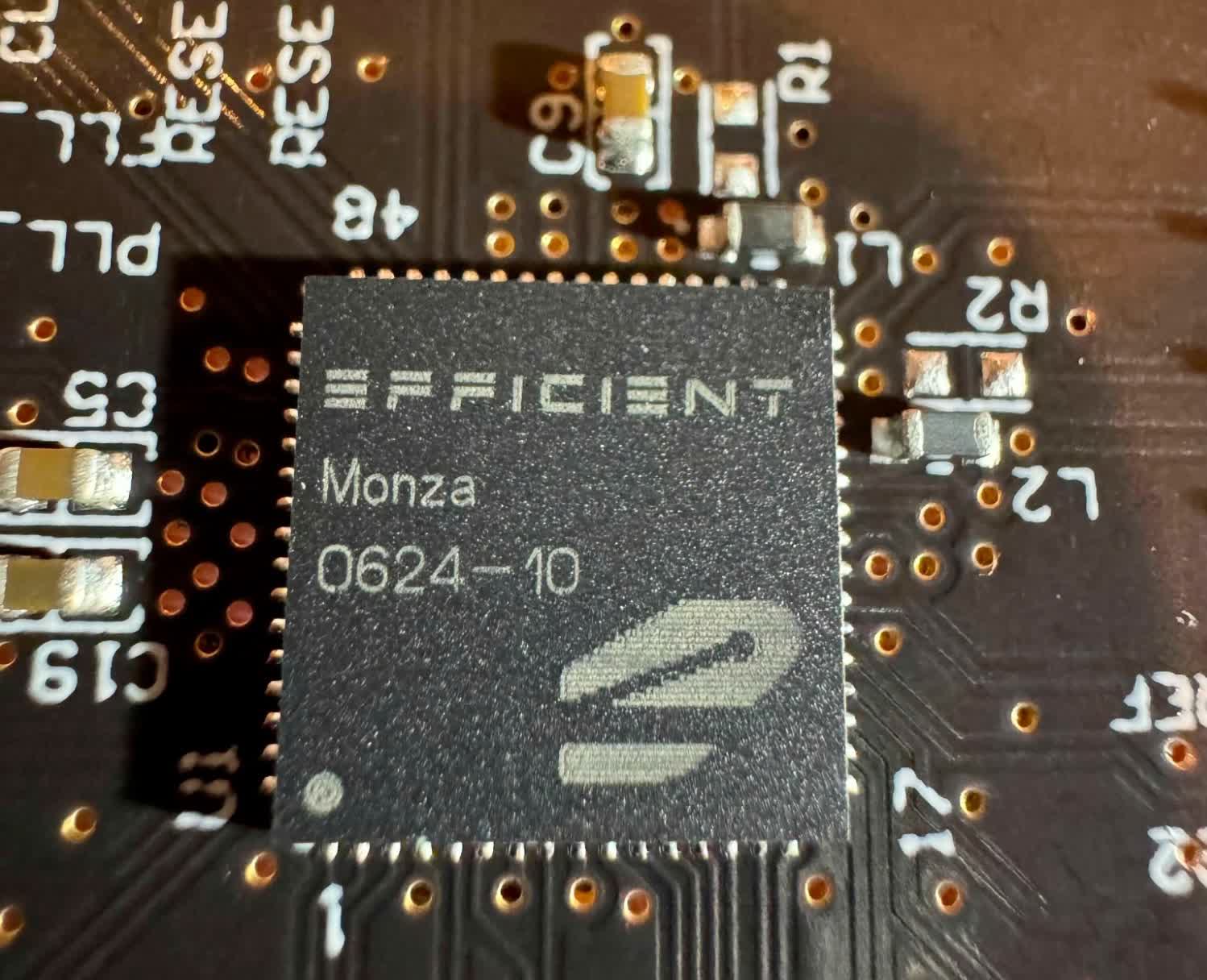
Efficient Computer Corp emerges from stealth mode with their "Fabric" chip design, claiming to be 100 times more efficient than current processors. The innovative design focuses on optimizing parallelism and spatial computing, with a software stack supporting major embedded languages. While the need for software recompilation may limit mainstream adoption, the startup has secured $16 million in funding and aims to target specialized sectors for initial deployment, with production silicon shipping in early 2025.
Penn Engineers have developed a new chip that uses light waves, rather than electricity, to perform complex mathematical computations essential to training AI, promising faster processing speeds, reduced energy consumption, and enhanced data privacy. The chip's design combines nanoscale manipulation of materials with silicon photonics, offering potential applications in accelerating AI systems and graphics processing units, while also rendering future computers virtually unhackable due to simultaneous computations that eliminate the need to store sensitive information in working memory.
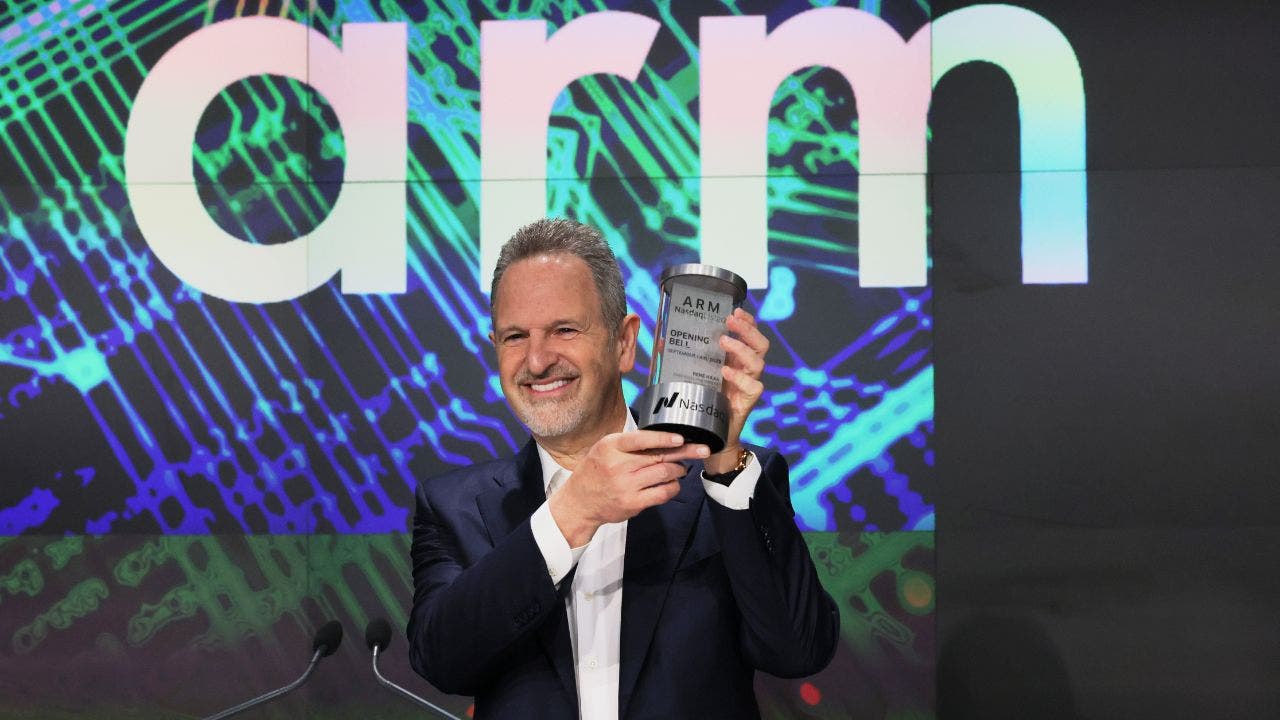
Arm Holdings CEO Rene Haas attributes the company's recent stock rally to its successful diversification beyond the smartphone market into data centers and automotive spaces, driven by increasing demand for their services fueled by artificial intelligence. The chip designer's stock saw its biggest single-day gain ever after beating Wall Street earnings and revenue estimates, with Haas noting that AI is now "everywhere" and bodes well for their growth, as the company pulls in new customers from various industries and expands its technology into products such as Teslas, Fords, Ring smart cameras, and LG appliances.
Arm Holdings' stock surged over 30% after the British tech company forecast fiscal fourth-quarter sales and adjusted profit above Wall Street expectations, driven by customers aiming to design new chips for artificial intelligence work, leading to higher royalties. The company's diversified business, with smartphones now representing 35% of overall units shipped, and its expansion into laptops and data centers, has contributed to its growing influence across tech businesses. Arm expects strong revenue from licensing chips for AI in data centers, phones, and PCs, and raised its full fiscal year revenue and adjusted earnings guidance, reflecting increased interest in newer designs and technologies due to AI.
Arm's shares surged 24% after the chip designer reported strong fiscal third-quarter earnings, beating estimates and providing a robust profit forecast for the current quarter. The company's revenue of $824 million and adjusted EPS of 29 cents exceeded expectations, leading to the significant stock increase. Arm attributes its success to increasing sales in AI and a recovery in the smartphone market, with royalty revenue up 11% annually. The company's emphasis on licensing more complete designs for semiconductor companies, particularly for AI applications, has contributed to higher licensing fees and revenue growth.
Synopsys has agreed to acquire Ansys in a $35 billion deal, creating a chip design software powerhouse with expertise in electronic design automation (EDA) and analysis/simulation tools. The acquisition aims to offer a comprehensive software package for designing next-generation processors and systems, enhancing competitive positions against rivals like Cadence and Siemens EDA. The deal is expected to expand Synopsys' total addressable market, generate significant cost and revenue synergies, and be funded through a combination of cash reserves and debt financing.
Synopsys Inc. has agreed to acquire software developer Ansys Inc. for approximately $34 billion in cash and stock, making it one of the largest deals announced globally in the past year. Ansys shareholders will receive $197 in cash and 0.345 shares of Synopsys stock per share, with the deal expected to close in the first half of 2025.
Synopsys has announced its acquisition of Ansys in a $35 billion cash-and-stock deal, marking the largest technology sector acquisition since Broadcom's takeover of VMware. The deal represents a 29% premium over Ansys' last close and is expected to bring together Synopsys' semiconductor electronic design automation tools with Ansys' simulation and analysis portfolio. The transaction is anticipated to close in the first half of 2025 and is likely to lead to more significant acquisitions in the technology sector.
Apple has allowed cameras into one of its processor labs for the first time, showcasing its approach to building its own chips like the M3. The lab, located in Apple Park, houses a team of engineers who focus on designing lean and efficient chips for Apple's products. The company's goal is to build the best technology that enables the creation of high-quality products. Apple's processor designs have expanded from iPhones to iPads, watches, and Macs, with the latest M3 Max MacBook Pro outperforming previous Intel models. While Apple is reportedly working on its own 5G modem, it continues to collaborate with manufacturers like TSMC and Amkor for chip production and packaging.