The article reports on verified images and videos showing the sinking of a Greek cargo ship in the Red Sea due to Houthi attacks, ongoing Russian strikes on Kyiv and other Ukrainian regions, and the aftermath of these conflicts, including damage and casualties. It also discusses the potential impact of recent maritime attacks on global shipping and the ongoing migration issues between the UK and France.
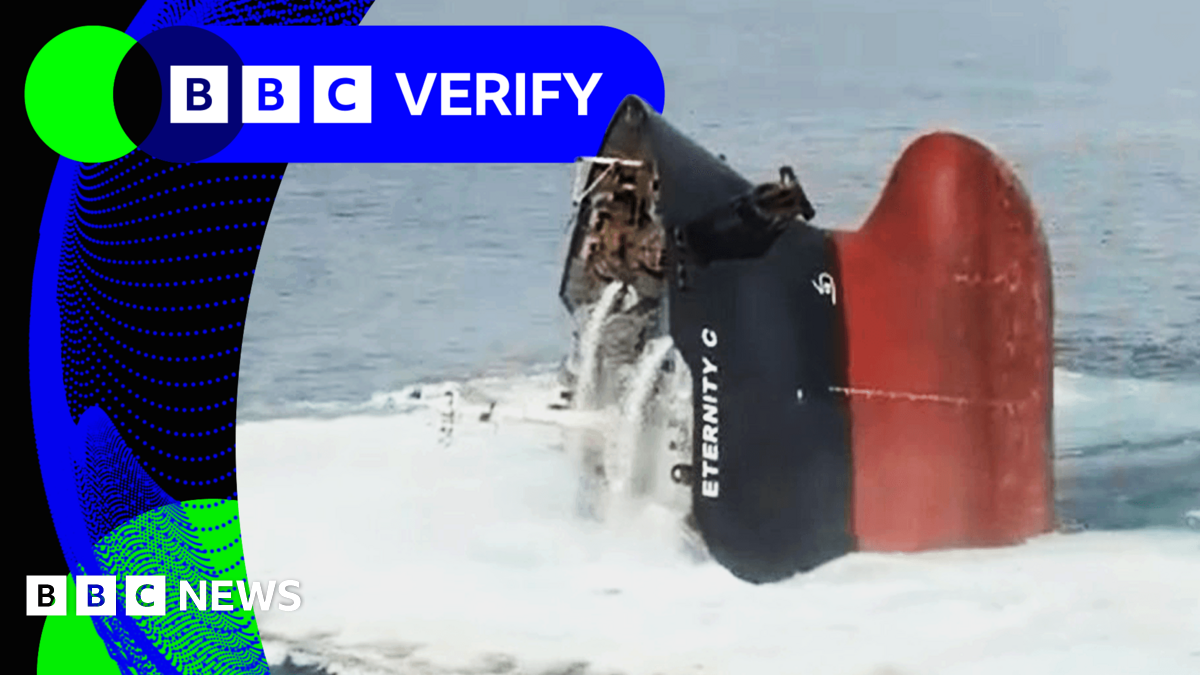
Rescuers found four crew members missing after Yemen's Houthi rebels sank the ship Eternity C in the Red Sea, with the US suggesting the rebels may have kidnapped others; the incident marks increased violence linked to regional conflicts, and efforts continue to locate and rescue all crew members.
Houthi rebels claimed responsibility for sinking a cargo ship in the Red Sea, resulting in at least two deaths and 15 missing crew members, amid ongoing regional tensions and attacks on maritime vessels linked to Yemen's conflict.
A ferry sank off the coast of Bali, Indonesia, resulting in at least four deaths and 30 missing persons. The vessel, carrying 65 people, capsized shortly after departure, with rescue efforts ongoing amid challenging conditions. Survivors report a possible engine room leak as the cause of the accident.
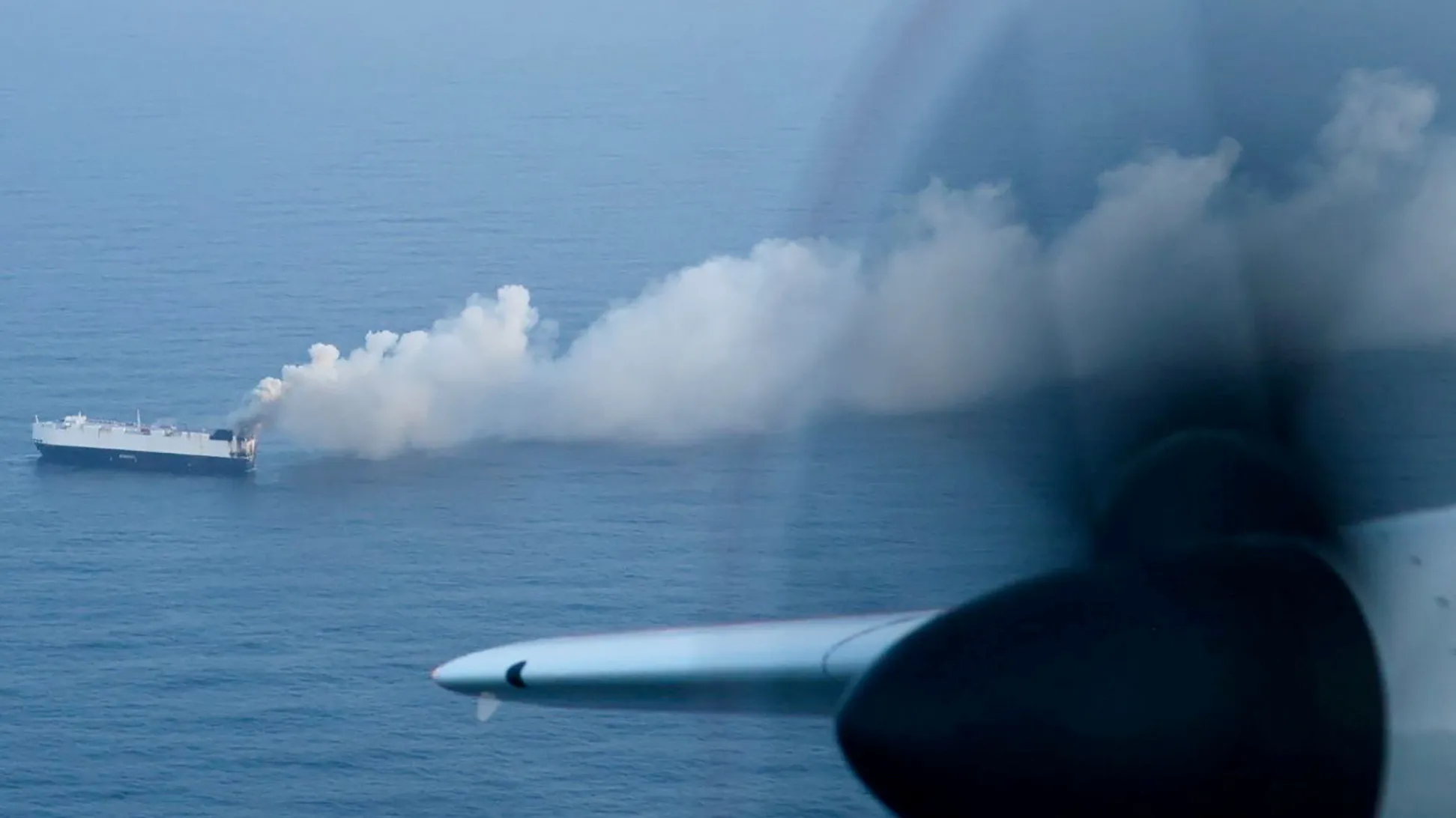
A large cargo ship carrying 3,000 vehicles sank in international waters off Alaska after a fire and heavy weather, with no injuries reported but ongoing pollution monitoring efforts.
The U.S. assesses that the sinking of the U.K.-owned commercial ship Rubymar, likely caused by a Houthi missile attack, resulted in the severing of three global telecommunications cables under the Red Sea by the ship's anchor. This incident has significantly impacted communication networks in the Middle East. The Houthis have been targeting commercial ships to protest the war in Gaza, with the Rubymar being the first ship to sink as a result of their attacks. The ship also poses an environmental risk due to the fertilizer it was carrying. Despite U.S. airstrikes against the Houthis, their attacks have persisted, with the recent attack on the Liberian-owned commercial ship True Confidence resulting in fatalities.
A British cargo ship sank in the Red Sea after being attacked by Houthi militants, carrying 21,000 metric tons of fertilizer, posing a significant environmental risk to the area. The sinking has raised fears of an environmental disaster, with concerns about the impact on marine ecosystems and coastal communities. The Houthi attack has led to disruptions in international commerce, as many ships have altered their routes to avoid the Red Sea, adding transit time and further complicating global trade.
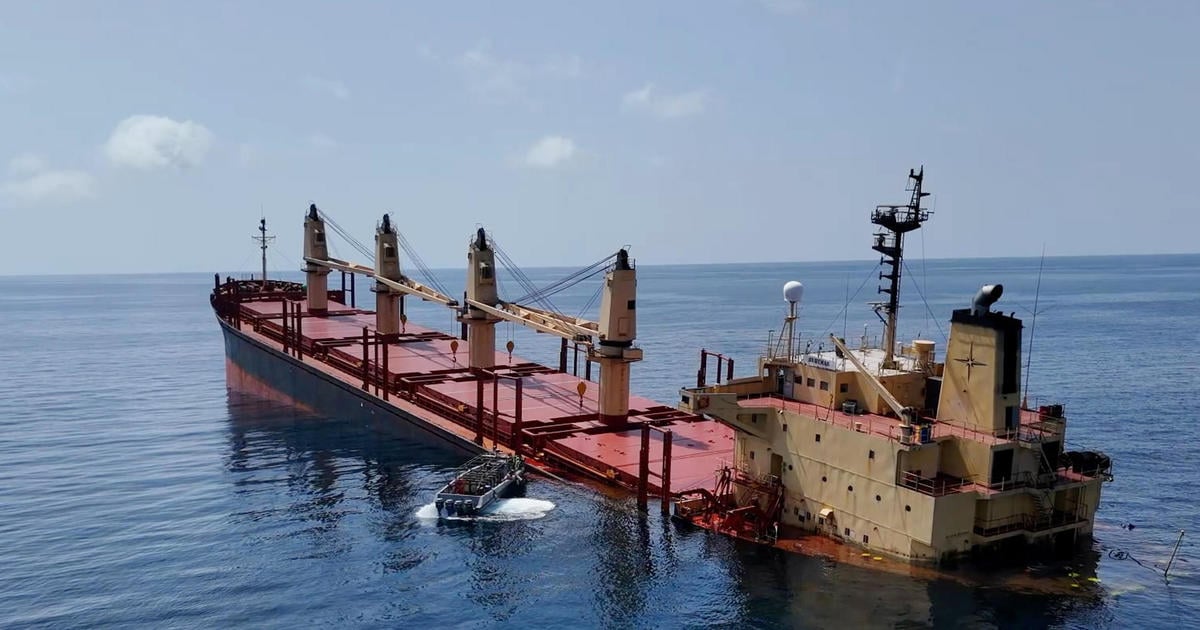
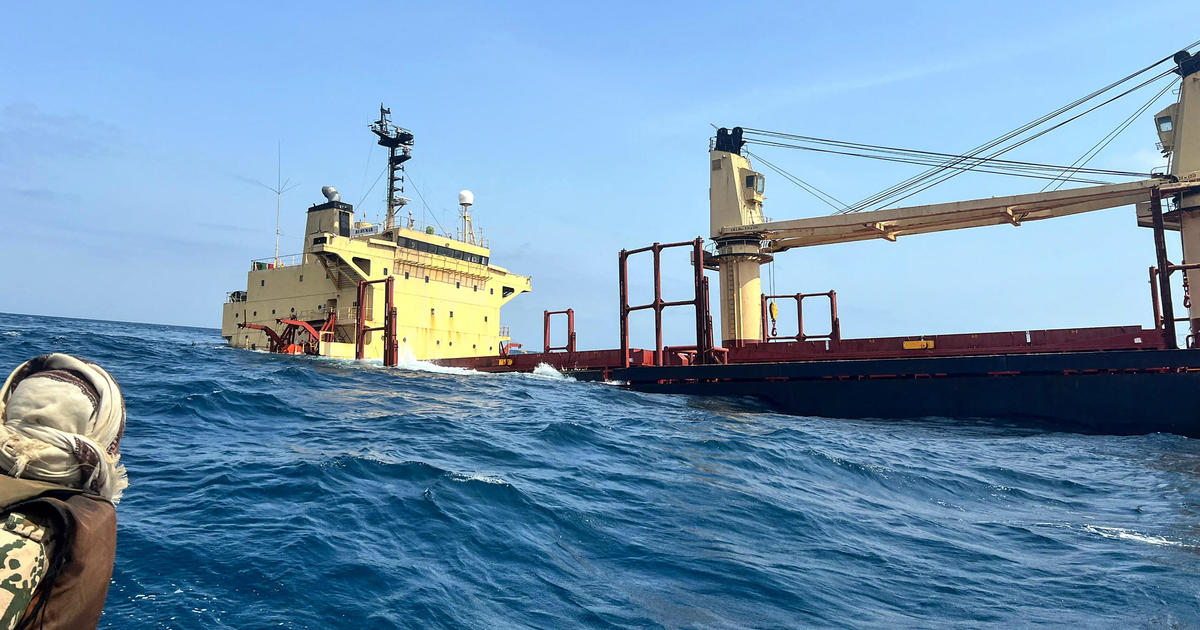
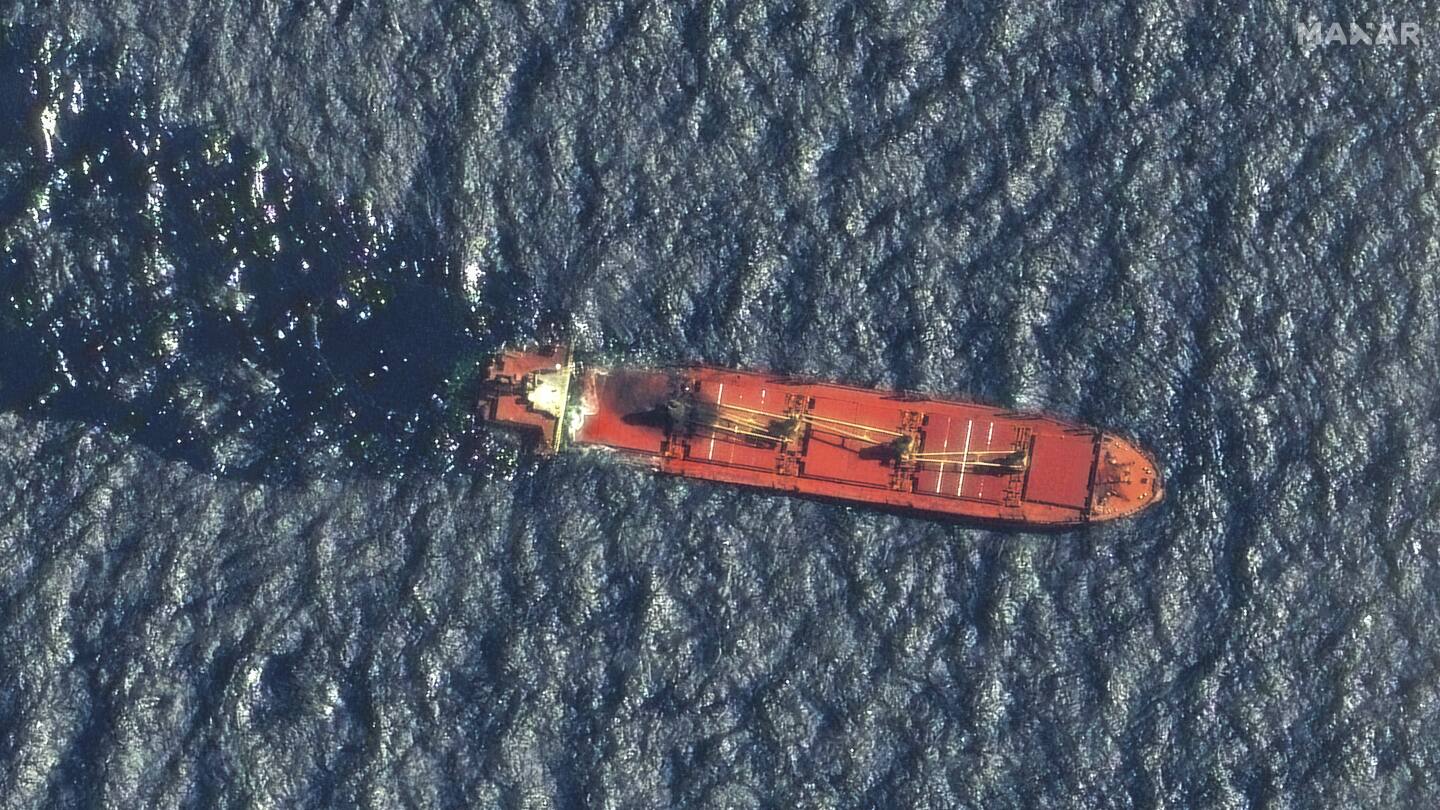
A ship attacked by Yemen's Houthi rebels, carrying fertilizer and previously leaked fuel, has sunk in the Red Sea, potentially causing ecological damage and disrupting traffic in the crucial waterway. The sinking could lead to higher insurance rates for vessels, affecting global inflation and aid shipments to the region. The Houthis have targeted ships in the Red Sea over the Israel-Hamas war, and despite U.S.-led airstrikes, they remain capable of launching significant attacks. The sinking of the Rubymar is seen as an unprecedented environmental disaster, with concerns raised about the release of fertilizer into the Red Sea and its impact on marine ecosystems.
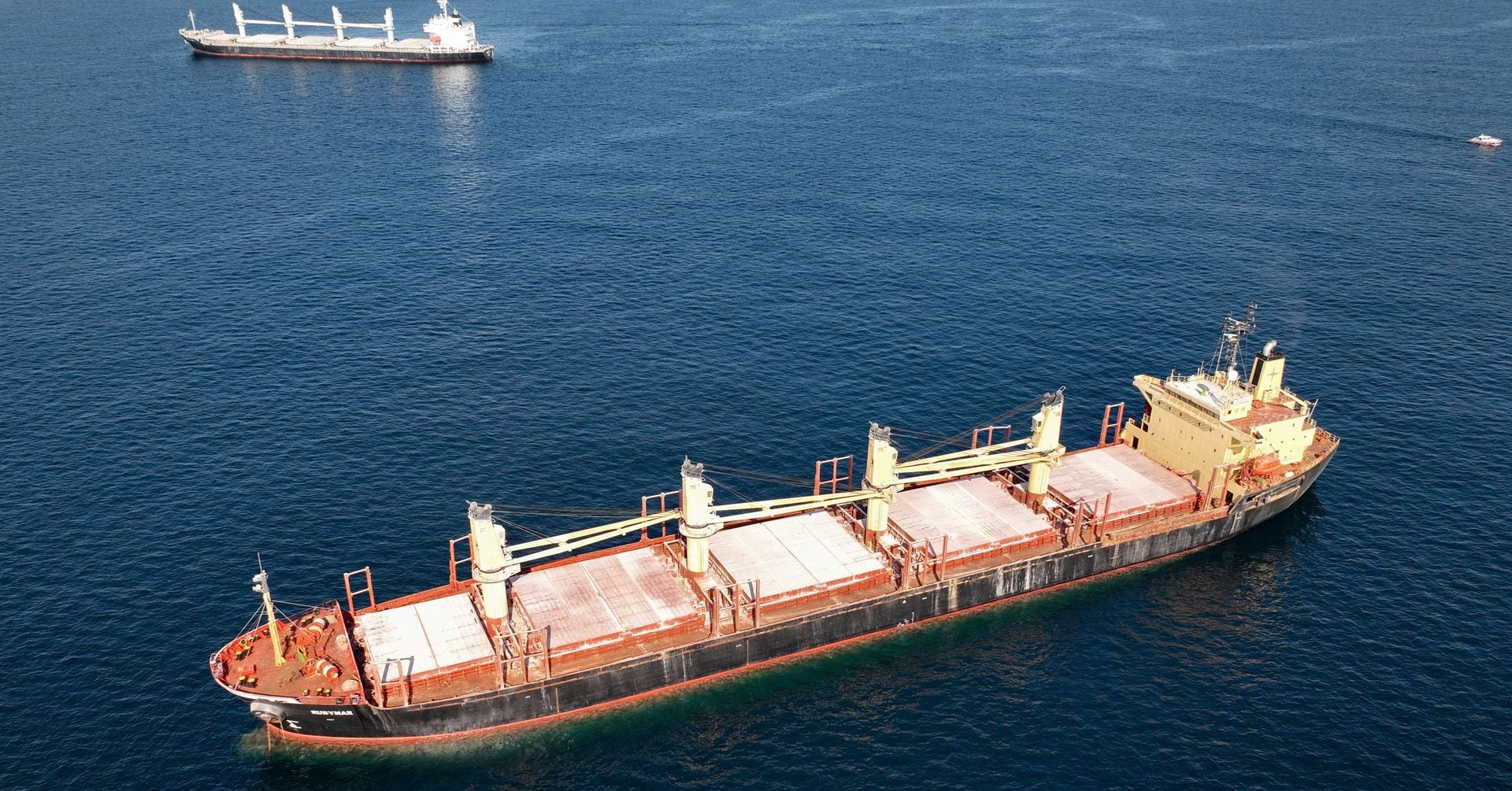
The Rubymar cargo ship, which was attacked by Houthi militants last month, has reportedly sunk in the southern Red Sea, according to Yemen's government. The ship was carrying Ukrainian grain and more than 41,000 tons of fertilizer when it came under attack. The sinking, if verified, would mark the first vessel lost since the Houthi militants began targeting commercial shipping in November. The attacks have prompted shipping firms to divert vessels on longer, more expensive routes and have raised concerns about the wider Middle East's stability.
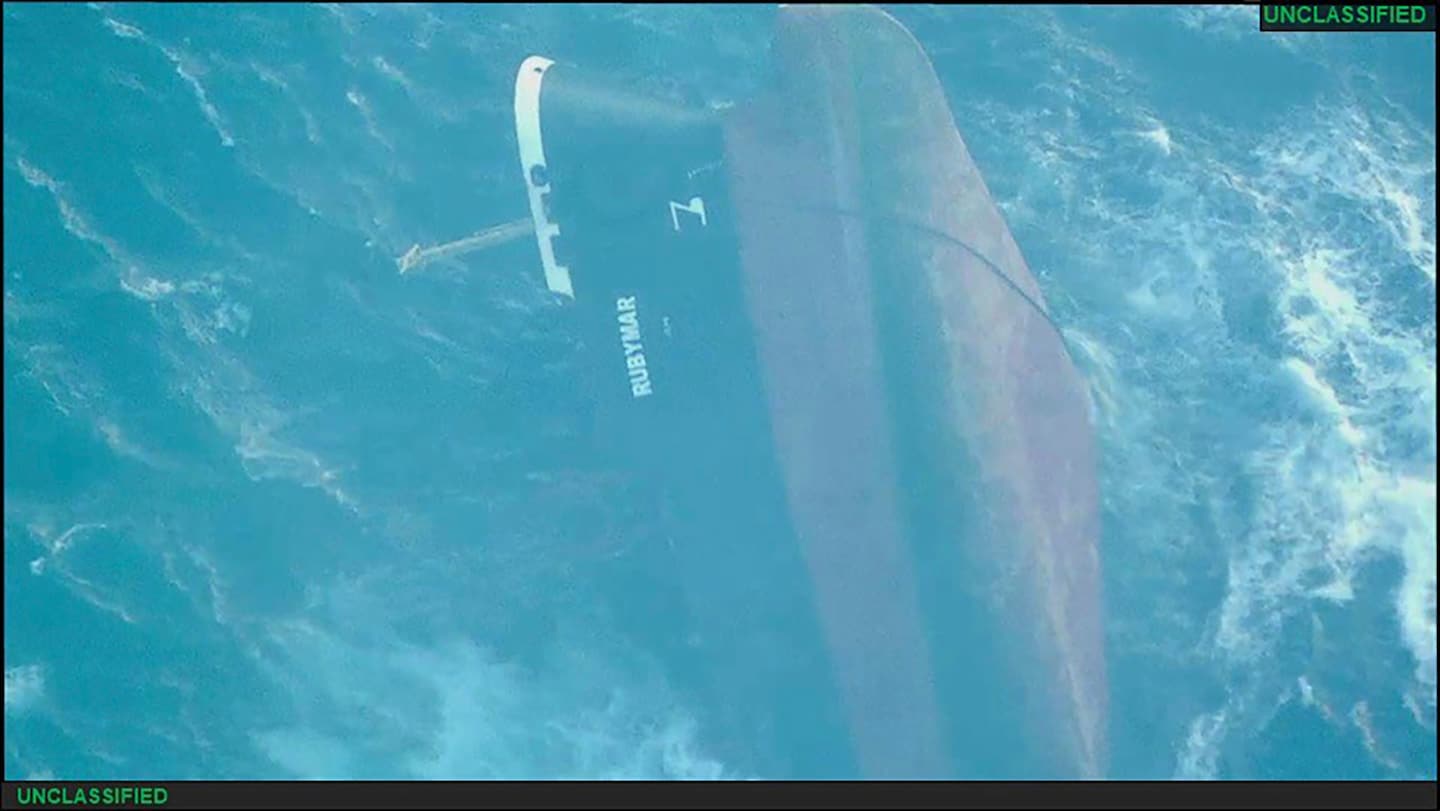
The Rubymar, a cargo ship attacked by Yemen's Houthi rebels on February 18, has sunk in the Red Sea after days of taking on water, becoming the first vessel to be fully destroyed in the conflict over Israel's war against Hamas. The ship, carrying combustible fertilizer, was damaged in a missile strike claimed by the Iran-backed Houthi rebels on February 25. Yemen's exiled government confirmed the sinking, attributing it to stormy weather, while the Houthi rebels did not immediately acknowledge the ship's sinking.
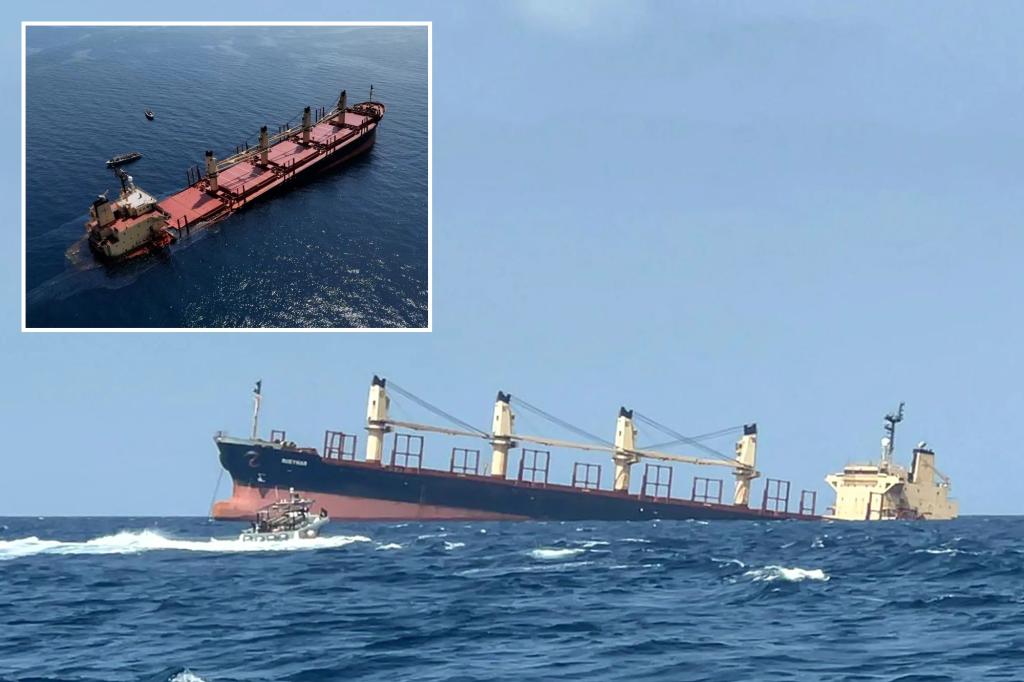
A ship attacked by Yemen's Houthi rebels has sunk in the Red Sea, marking the first vessel to be fully destroyed in the conflict over Israel's war against Hamas. The sinking of the Rubymar has disrupted shipping through the crucial waterway, potentially impacting global inflation and aid shipments to the region. The vessel had been drifting northward after being struck by a Houthi missile on Feb. 18 and sank late Friday, with concerns raised about ecological damage from its cargo of fertilizer and fuel leaking into the Red Sea. The Houthis, who falsely claimed the ship sank almost instantly after the attack, have been targeting ships in the region amid ongoing conflict with the Saudi-led coalition. Despite U.S.-led airstrikes, the rebels remain capable of launching significant attacks, insisting they will continue until Israel stops its combat operations in Gaza.
A ship attacked by Yemen’s Houthi rebels in the Red Sea has sunk after days of taking on water, marking the first vessel to be fully destroyed in their campaign over Israel’s war against Hamas in the Gaza Strip. The Rubymar had been drifting northward after the attack in the Bab el-Mandeb Strait, and Yemen’s exiled government confirmed its sinking, attributing it to stormy weather. The Iran-backed Houthis, who claimed the ship sank almost instantly after the attack, did not immediately acknowledge the sinking.