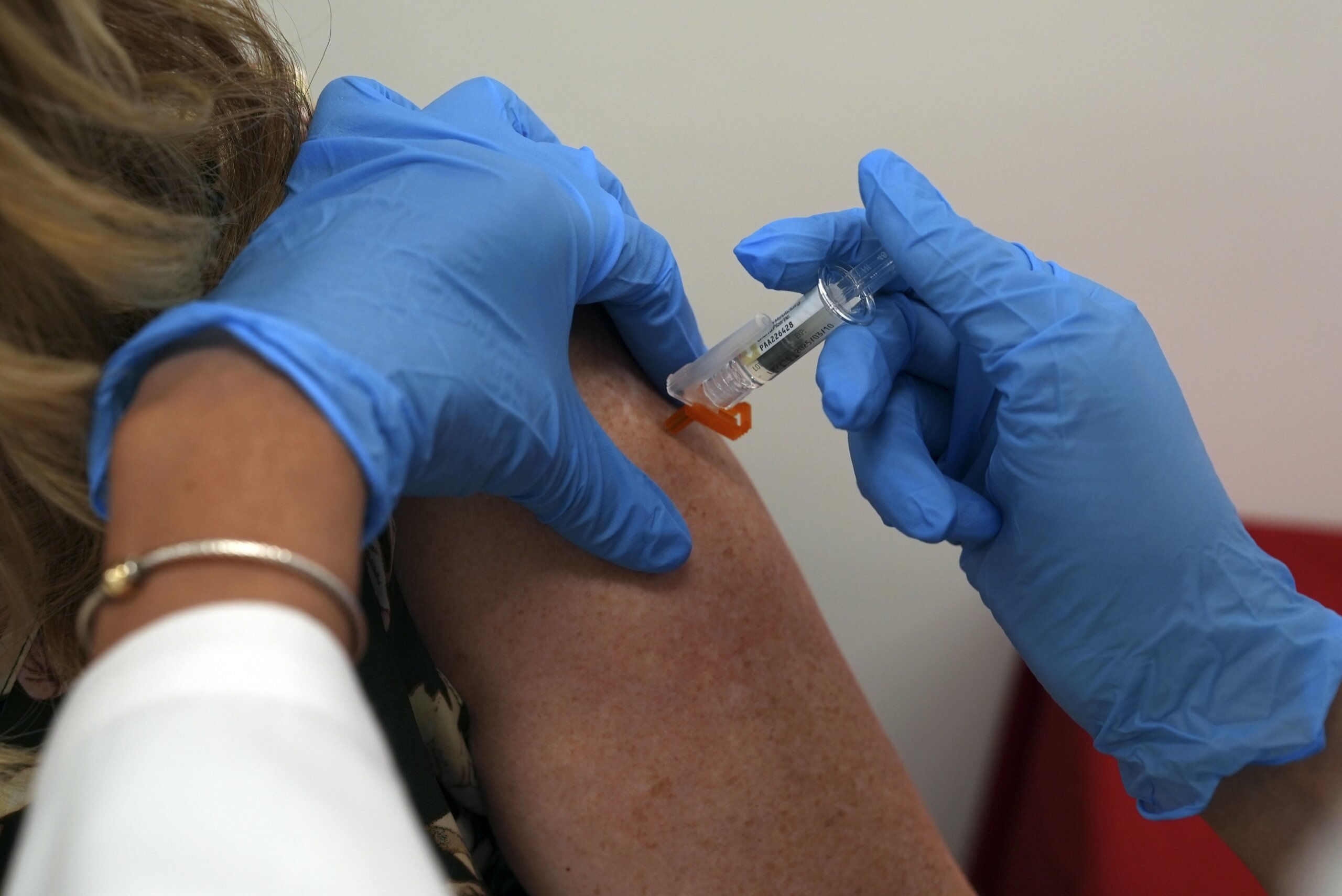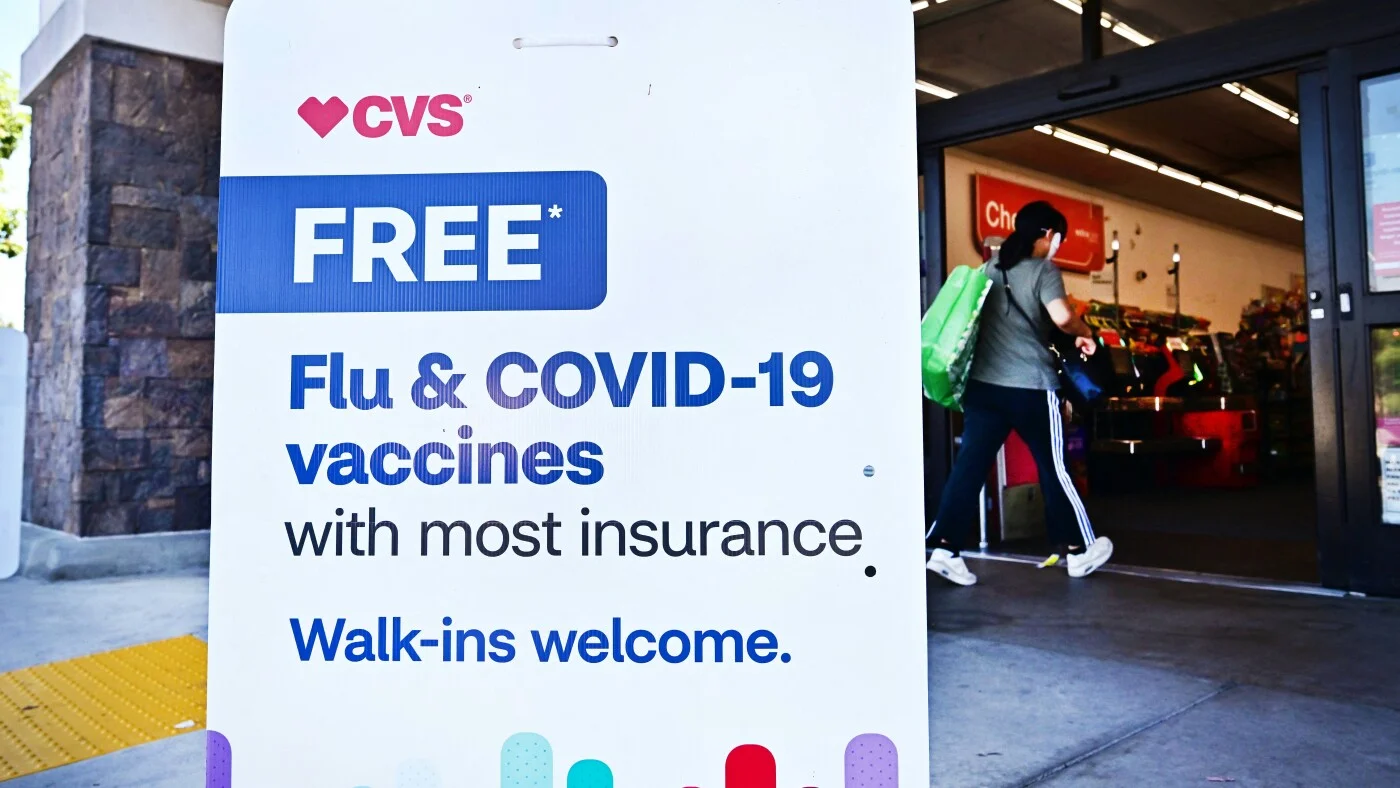
The CDC now recommends COVID-19 vaccinations based on shared clinical decision-making, allowing patients to discuss risks and benefits with healthcare providers like pharmacists, with most insurance plans continuing to cover the vaccines.
Most Americans with health insurance will still get COVID-19 vaccines at no cost, despite CDC's new recommendation requiring shared clinical decision-making, which introduces some ambiguity about coverage obligations. Major insurers have committed to covering recommended vaccines at no cost through 2026, but some insurers may argue they are not required to cover vaccines not explicitly recommended by the CDC, especially under shared decision-making guidelines. Medicaid will continue to cover vaccines at no cost, but changes are expected for other vaccines like MMRV for children.
The CDC has adopted new COVID vaccine guidelines requiring individuals to consult a healthcare provider before vaccination, emphasizing informed consent and potentially reducing vaccine uptake and coverage, especially for children and routine immunizations, amid ongoing debates and policy changes.
The Centers for Disease Control and Prevention (CDC) has issued guidance on two newly approved respiratory syncytial virus (RSV) vaccines for adults aged 60 and older. RSV is a common cause of respiratory illness in older adults, leading to hospitalizations and deaths. The vaccines have shown moderate to high effectiveness in preventing symptomatic RSV-associated lower respiratory tract disease. However, there have been reported cases of inflammatory neurologic events following vaccination, and further research is needed to determine any potential risks. The CDC recommends that older adults at highest risk for severe RSV and those most likely to benefit from the vaccines should be targeted. Individuals with certain medical conditions and compromised immunity are at higher risk for RSV-associated hospitalization. Vaccinations should ideally be given before the start of the RSV season, but the timing has been disrupted by the COVID-19 pandemic.
Geriatric healthcare providers should follow the "Geriatric 5Ms" (mobility, medications, mind, multicomplexity, and matters most) to manage patients with osteoporosis. This includes fall risk assessment, medication management, and considering the patient's medical complexity and preferences. Shared decision-making can help patients understand the risks and benefits of treatment. Exercise programs can also help reduce fear of falling and social isolation. Clinicians should address vision problems, psychotropic drugs, and heart rate and rhythm abnormalities, and suggest modifications to the home environment to prevent falls.