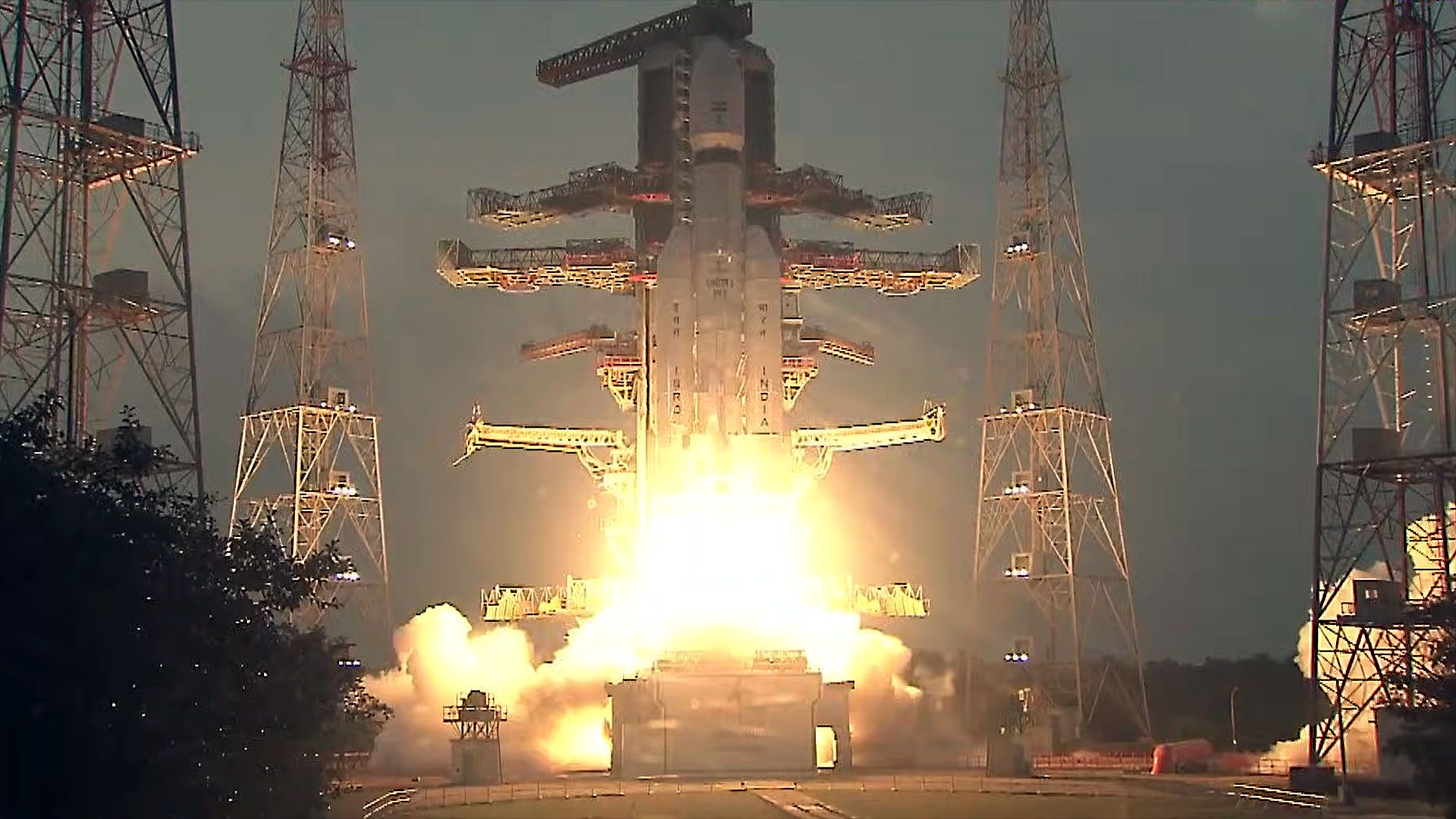
India successfully launched the CMS-03 military communications satellite into geostationary transfer orbit using its most powerful rocket, LVM3, enhancing secure communication capabilities for the Indian Navy.
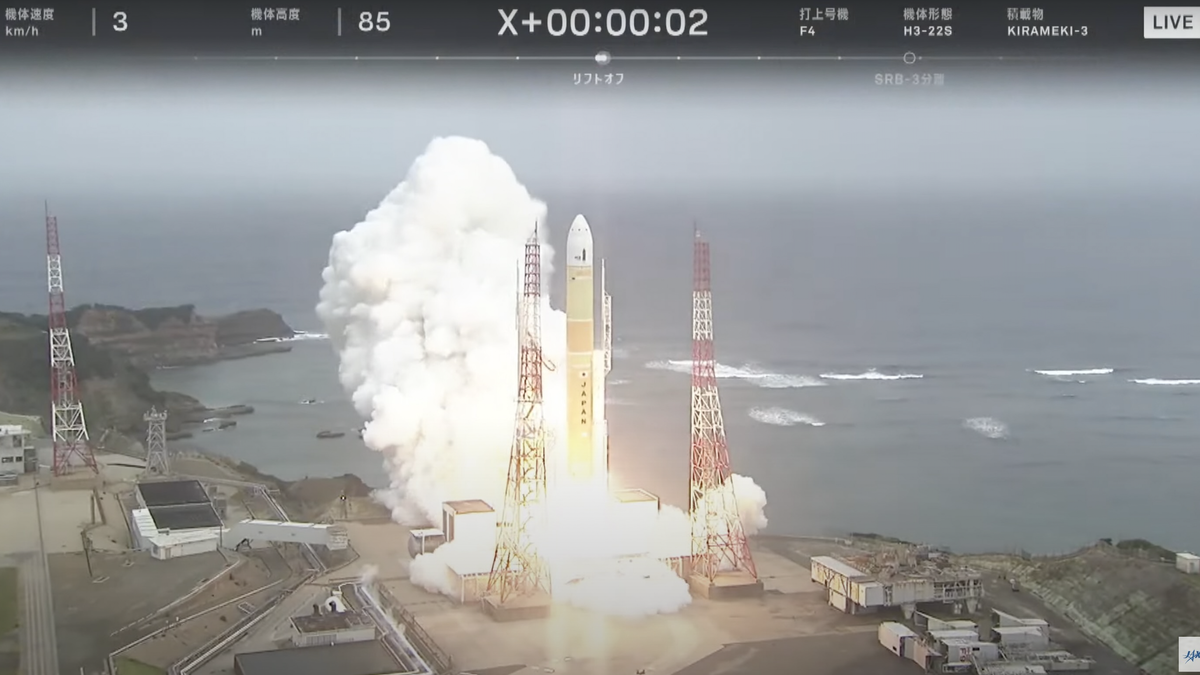
Japan's H3 rocket successfully launched the Kirameki 3 military communications satellite from Tanegashima Space Center, marking its fourth flight. The satellite, also known as DSN-3, will be used for military communications by the Japanese military and is positioned in geostationary orbit. This launch follows the H3's initial failed attempt and subsequent successful missions, solidifying its role as Japan's new medium-lift workhorse rocket.
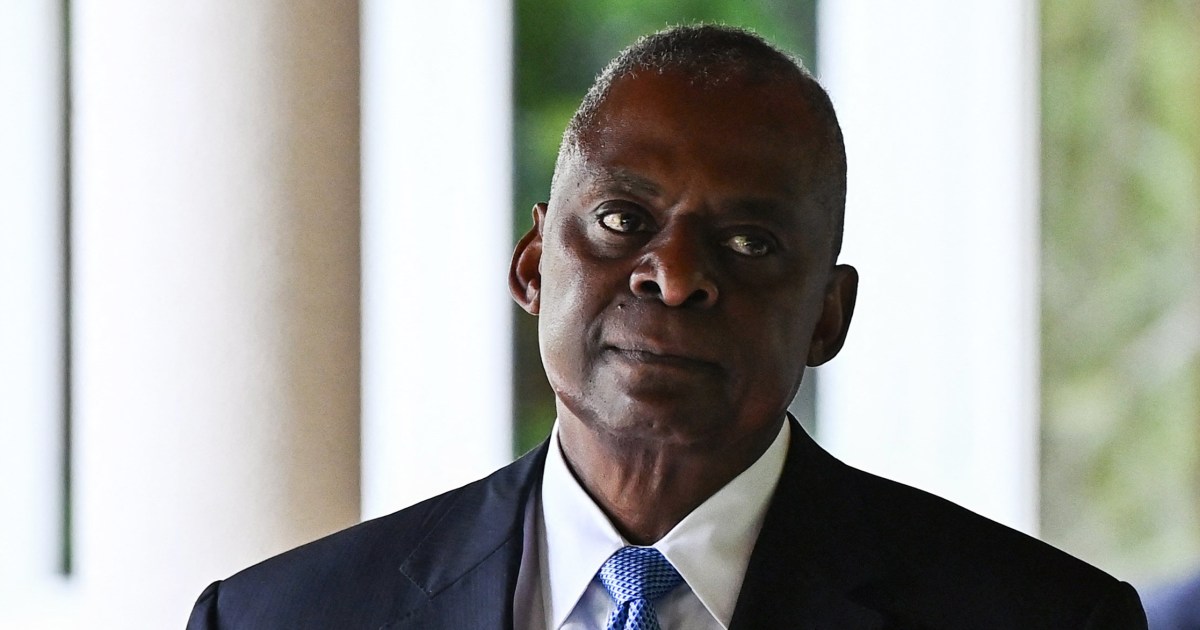
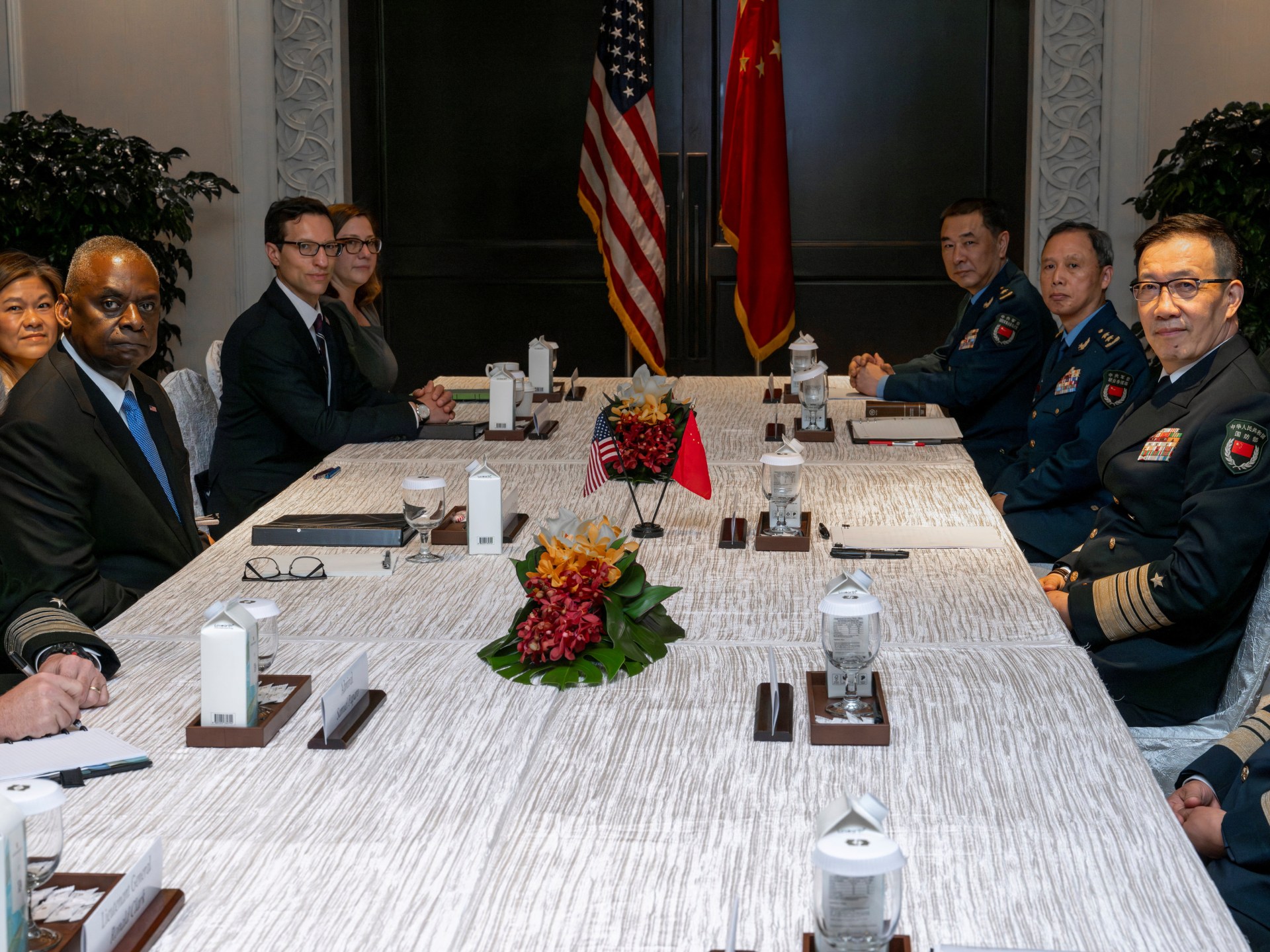
At the Shangri-La Dialogue in Singapore, U.S. Defense Secretary Lloyd Austin and Chinese Defense Minister Dong Jun clashed over Taiwan, with Austin expressing concerns about Chinese military activities near the island and Dong warning against U.S. interference. Both sides stressed the importance of maintaining open military communications. The summit also addressed South China Sea tensions, with Philippine President Ferdinand R. Marcos Jr. expected to discuss the region's geopolitical significance.
The US and China will resume military-to-military communications in the coming months, as announced by US Defense Secretary Lloyd Austin after meeting with his Chinese counterpart Dong Jun in Singapore. This move aims to ease tensions between the two nations, particularly over issues like Taiwan and the South China Sea. The meeting marks the first substantive face-to-face talks between the defense chiefs in 18 months and follows a video conference call in April. Both sides acknowledged the stabilizing effect of these talks but noted that not all bilateral issues could be resolved in one meeting.
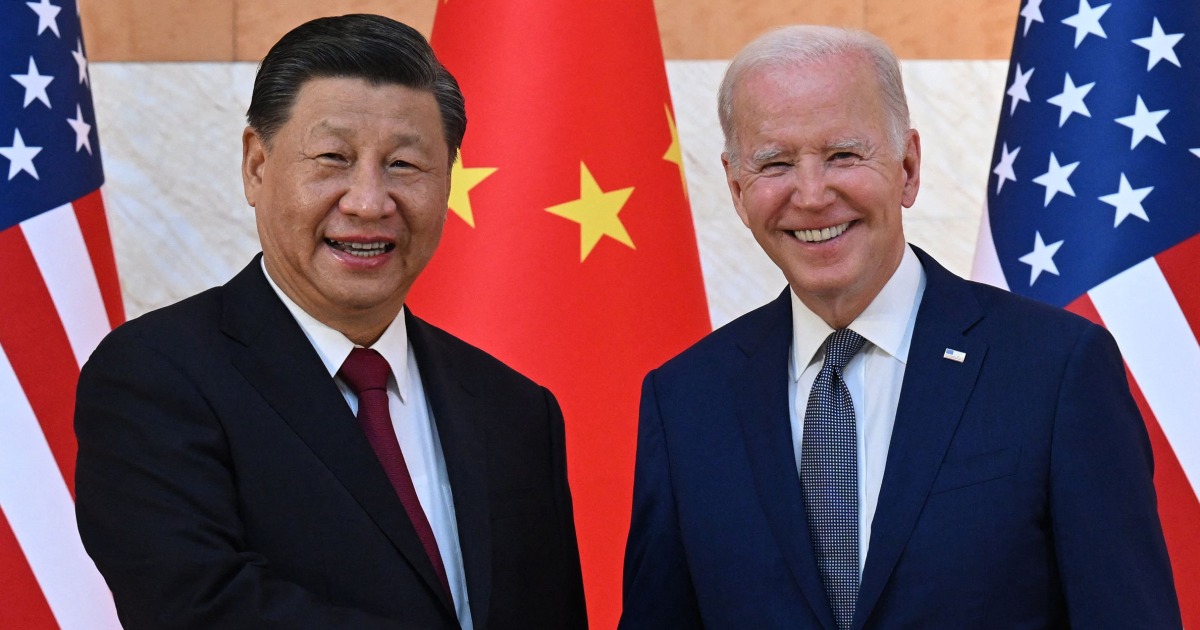
The upcoming meeting between President Biden and Chinese President Xi Jinping will address pressing issues such as the fentanyl crisis and the lack of effective military communication, according to the White House. The two leaders will discuss the need for China to cut off support for fentanyl precursors and crack down on Chinese companies involved in its production and distribution. Additionally, they will address the increasing incidents between Chinese and U.S. military forces, seeking to establish responsible mechanisms for crisis communication to prevent escalation.
As President Joe Biden and China's President Xi Jinping prepare for their high-stakes meeting, experts and officials have cautioned against expecting significant improvements in US-China relations. The meeting is seen as more symbolic, aimed at maintaining high-level communication and managing competition. The agenda is expected to cover military communications, human rights, and the South China Sea. Both countries are not willing to make significant concessions, and experts believe that the meeting may pave the way for future discussions rather than immediate solutions. The meeting also comes amid concerns over Chinese interference in Taiwan's upcoming presidential election.
President Joe Biden is expected to press Chinese President Xi Jinping on reopening military communications during their upcoming summit in San Francisco. The two leaders will discuss various issues, including cybersecurity and regional security concerns, with the aim of improving bilateral relations between the United States and China.
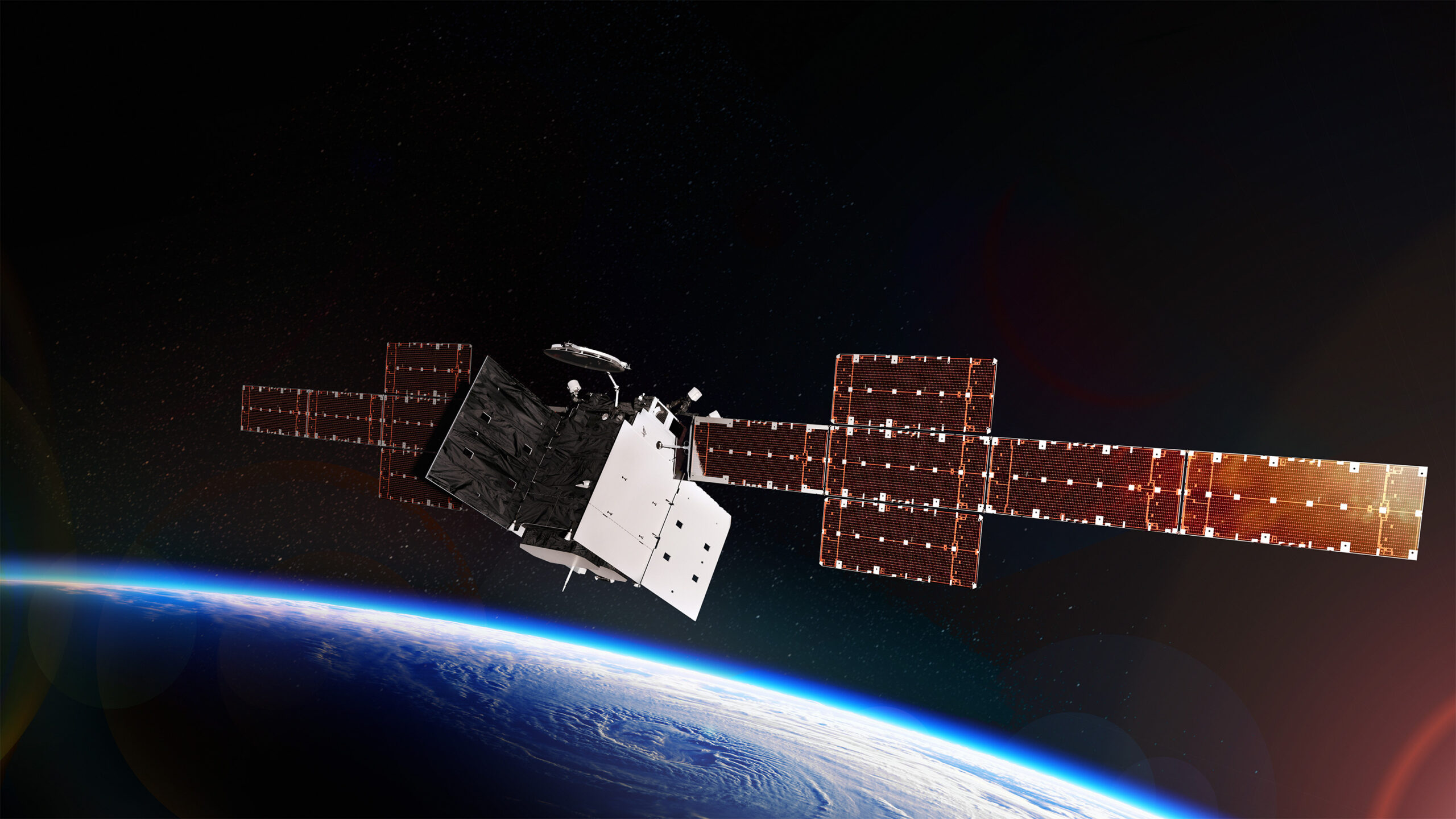
Boeing has unveiled a new version of the US military's Wideband Global Satcom (WGS) satellite, the WGS-11, which includes a new payload designed under a US Space Force contract. The Protected Tactical Satcom (PTS) payload, which operates a military waveform called PTW, will be hosted on the WGS-11 satellite, significantly increasing its capacity and providing an additional layer of anti-jam protection. The satellite is scheduled to launch in 2024 on a United Launch Alliance Vulcan rocket.