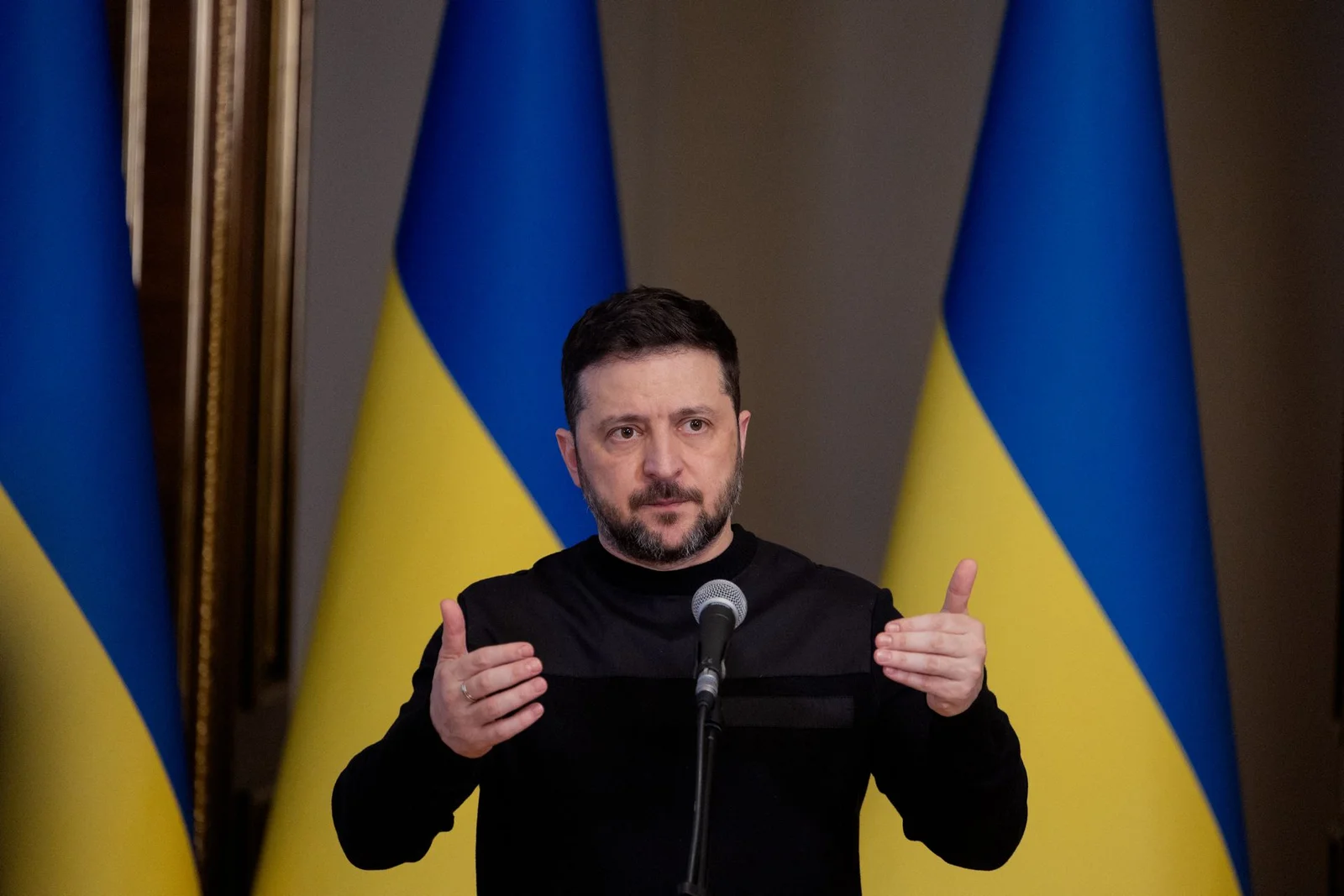
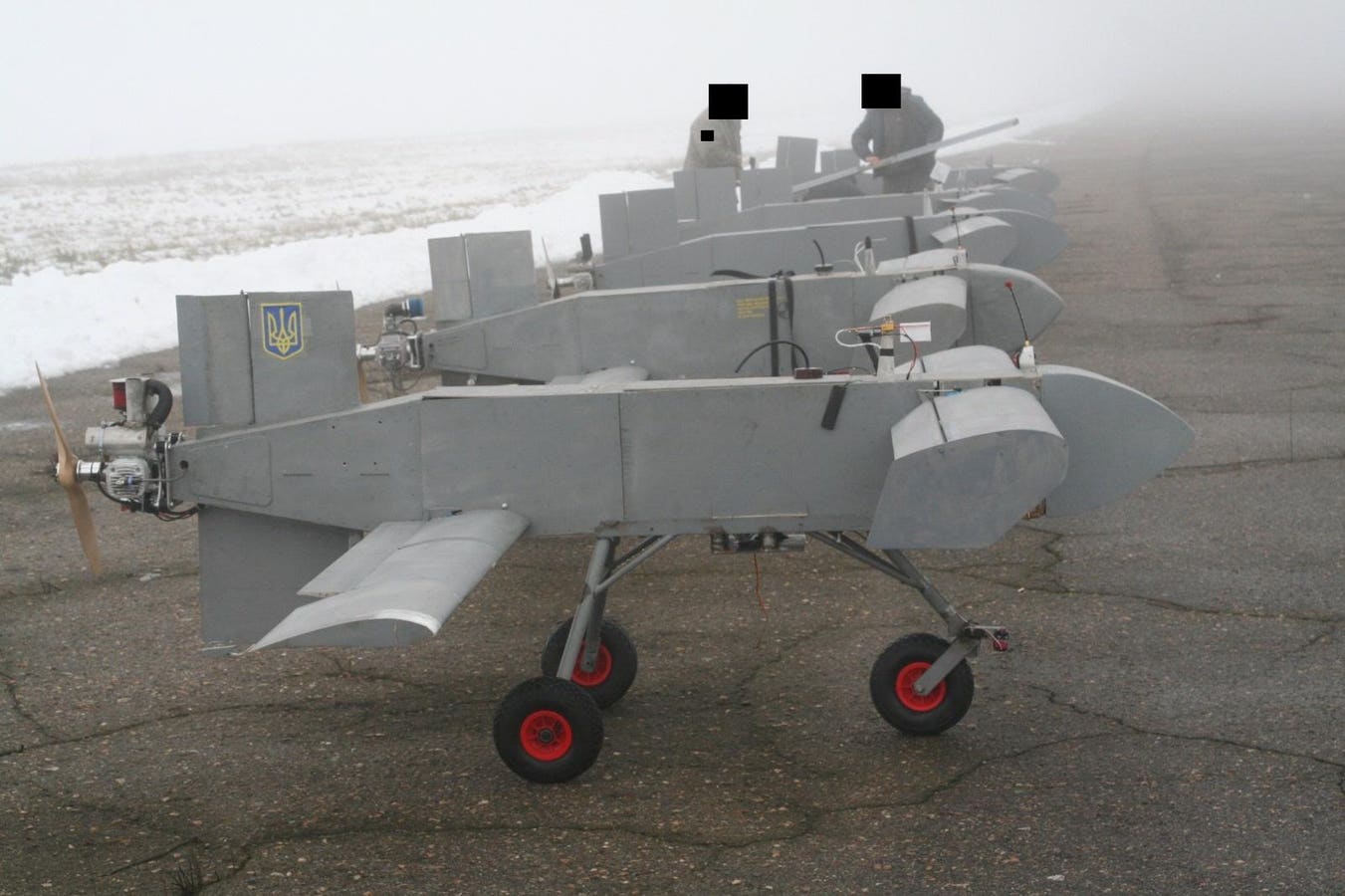
President Zelensky floated a quid‑pro‑quo: trading U.S.-made Patriot interceptor missiles for Ukrainian interceptor drones to blunt Iran‑backed Shahed drone attacks, highlighting a PAC‑3 shortage and urging allies to supply interceptors in an equal exchange to better defend Ukrainian skies.
A closed Capitol Hill briefing warned that Iran’s Shahed attack drones present a major challenge to U.S. air defenses: they fly low and slow, increasing evasiveness, and officials said Washington may not be able to intercept all of them as tensions with Iran rise and lawmakers debate next steps and potential authorization.
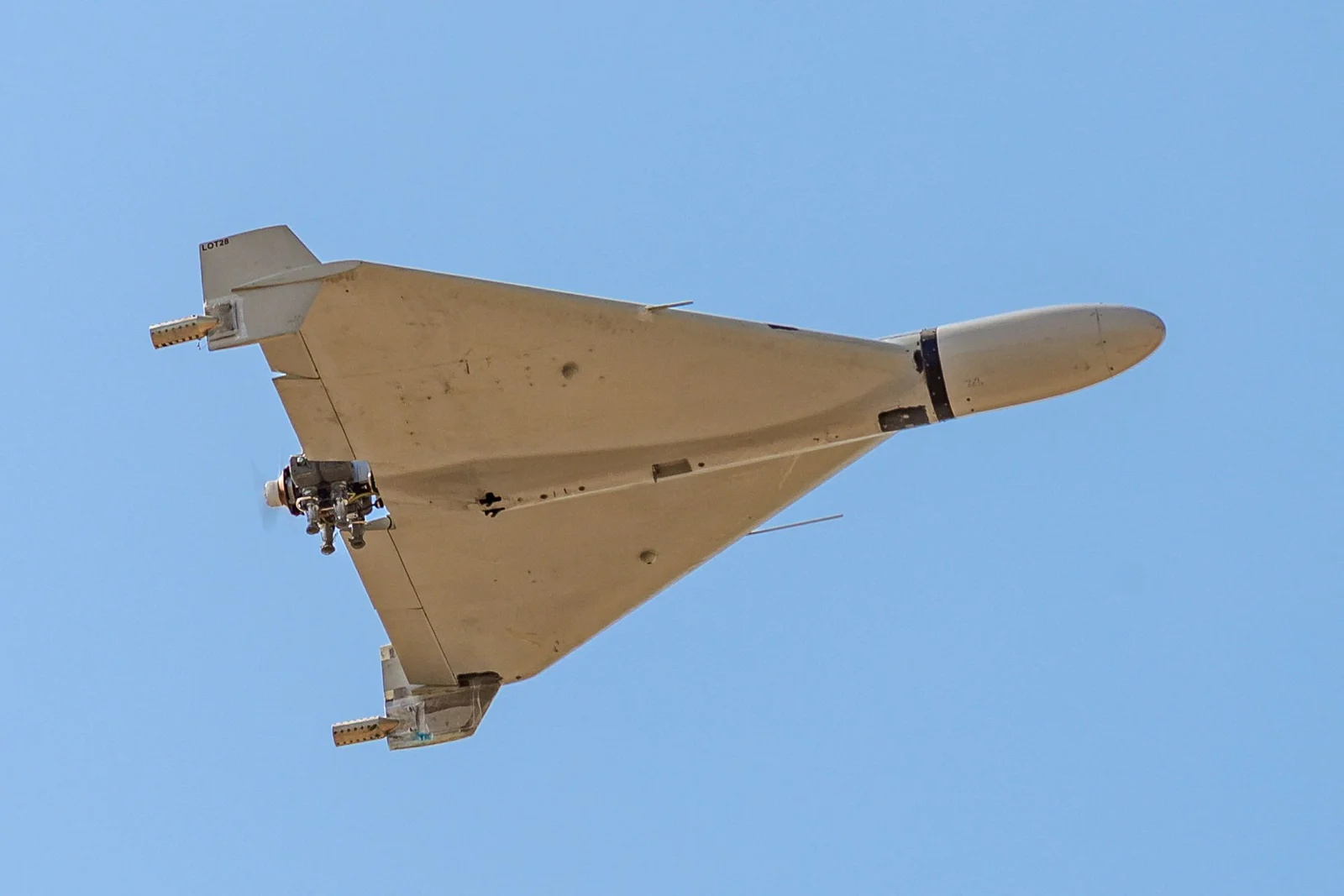
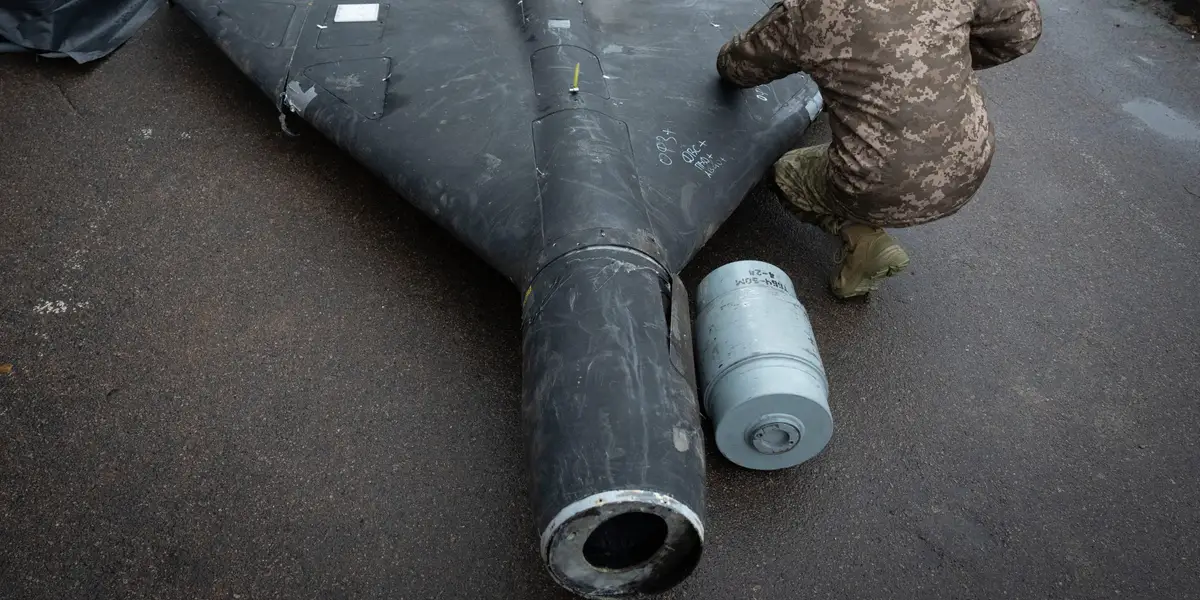
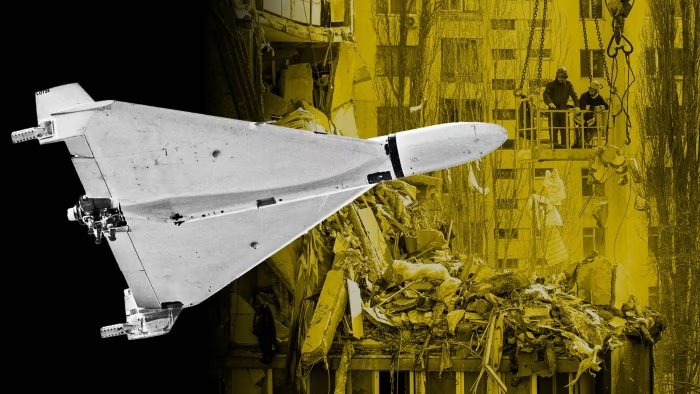
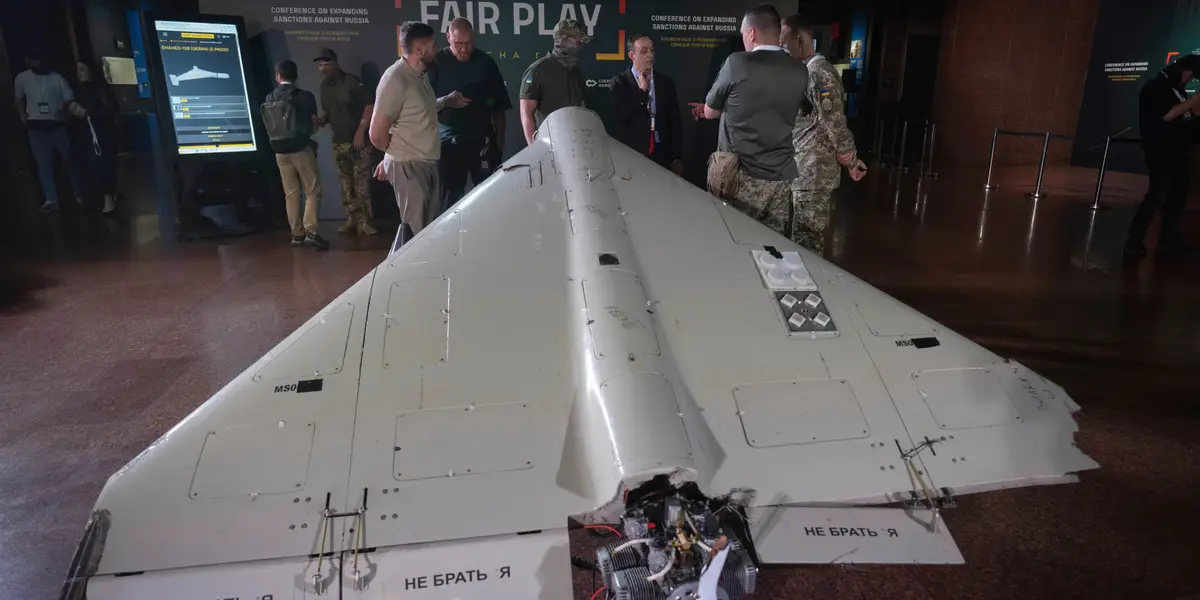
Long-range Shahed-136 drones—cheap, ‘kamikaze’ weapons used by Iran and linked to Russia—are now targeting Gulf states and beyond. The piece explains their size and range (basic Shahed variants can fly hundreds to about 2,000 km; Shahed-136 is around 3.5 m long with a 2.5 m wingspan and a 50-kg warhead) and why their buzzing final approach is psychologically unsettling. It also offers safety steps: if you hear or see a drone, avoid windows and move to an interior room with two to three surrounding walls, or seek a basement/stairwell, and shelter for the duration of the threat. While missiles cause larger blasts, Shahed attacks can still cause serious damage, so practical shelter and evacuation timing matter. The article situates the drone threat in a wider context of sanctions, export controls, and defense-sharing with Ukraine as drone warfare goes global.
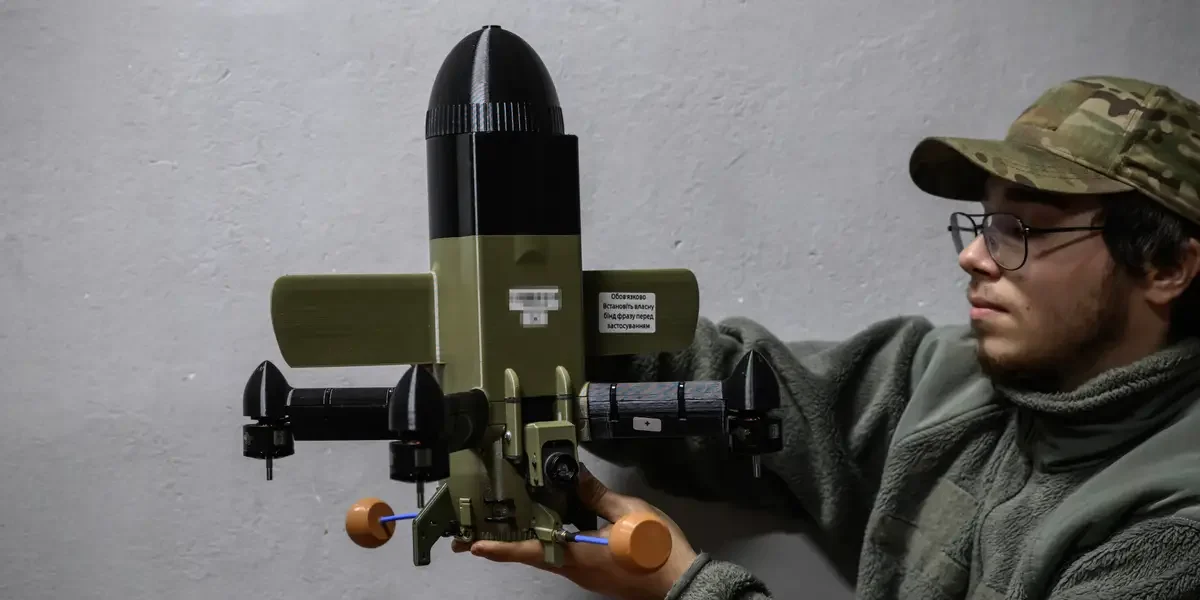
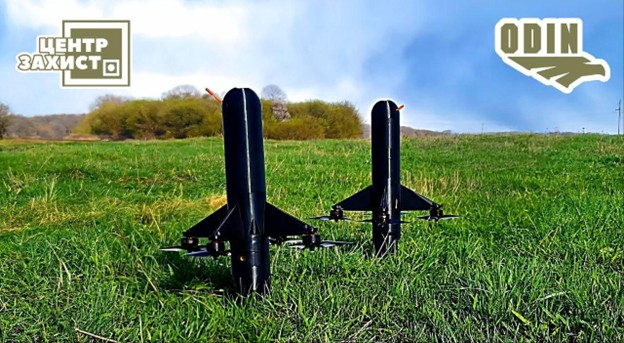
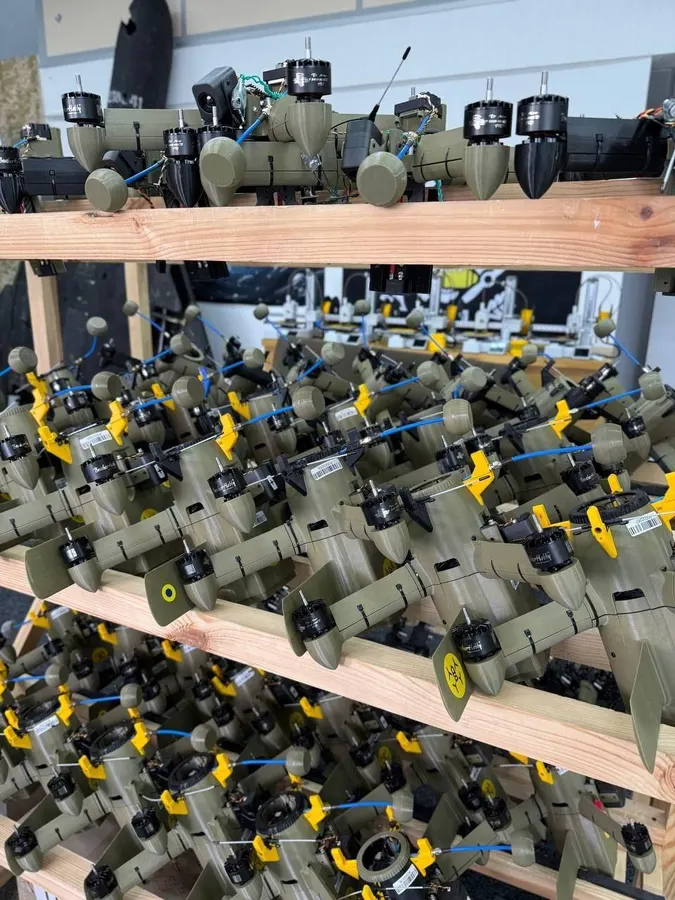
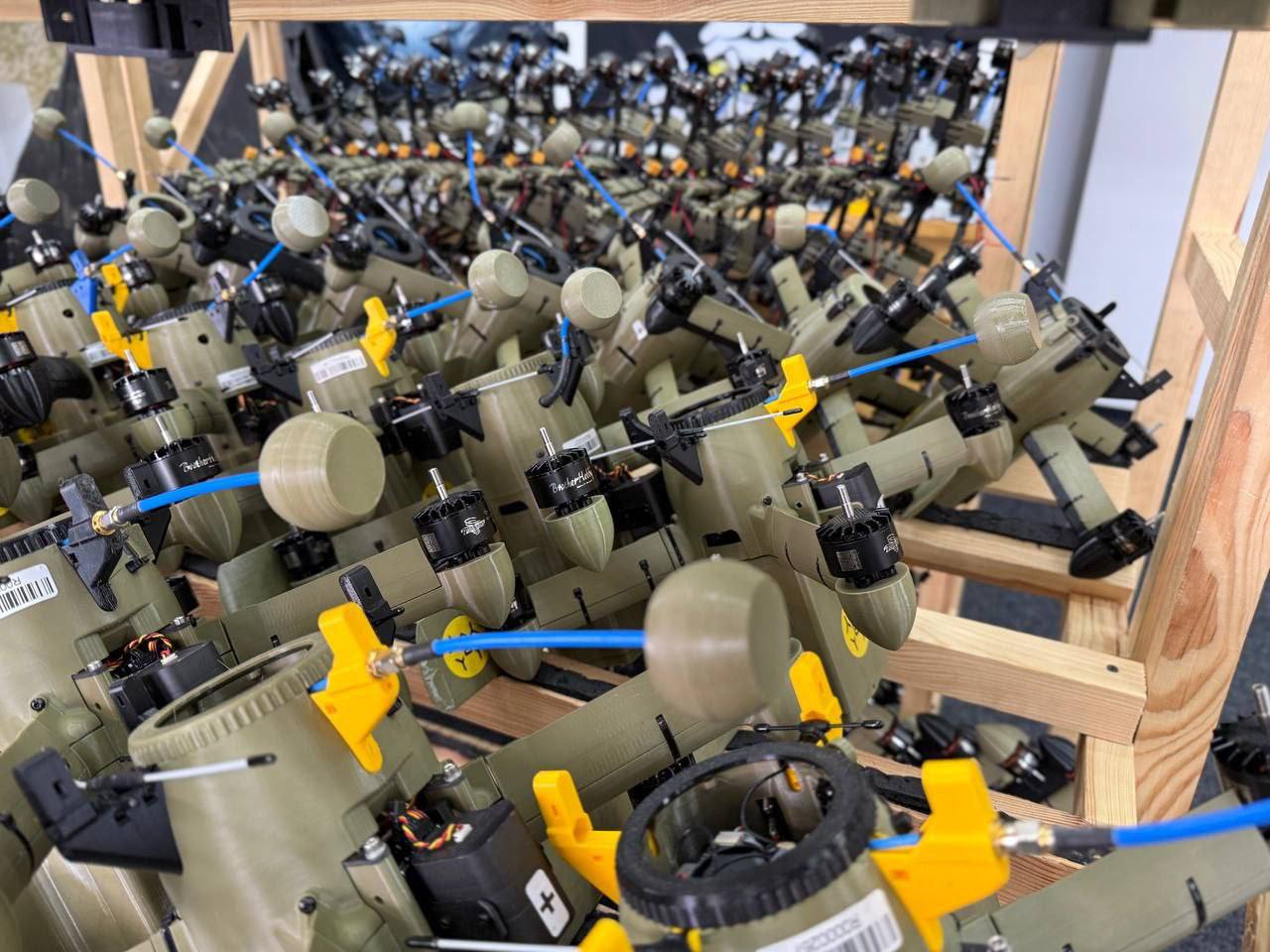
Ukraine says its inexpensive interceptor drones now account for about 30% of Russian aerial threats destroyed, a milestone as Kyiv ramps up production to roughly 950–1,000 per day and relies on fast, quadcopter interceptors to ram or explode into Shahed attack drones as part of a multi-layered air defense.
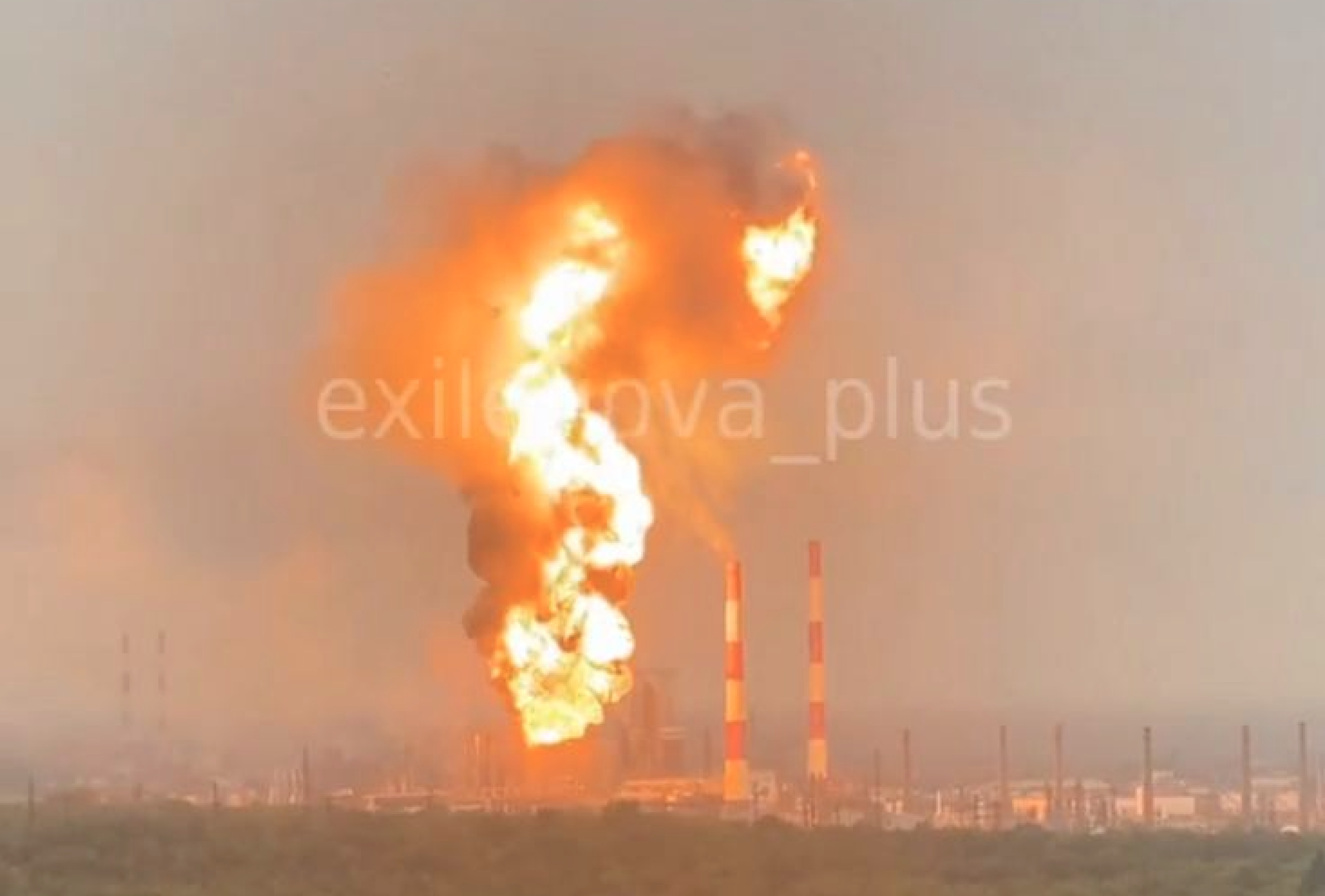
ISW reports China is quietly supplying Russia with hundreds of millions of dollars’ worth of dual-use tech—CNC machines, microchips, memory boards, bearings and other components—to the Russian defense industrial base, enabling production of Oreshnik missiles and Shahed drones without direct weapon transfers. Ukrainian forces conducted night strikes near the front and in the near rear on Jan 27–28, targeting manpower concentrations, drone-control points, depots, and other targets, while advancing near Pokrovsk as Kyiv counters Russian gains and sustains a mid-range strike campaign. Across multiple axes, Russian offensives remained limited with Ukrainian forces maintaining positions or making localized advances; Russia also conducted long-range strikes against Ukrainian infrastructure, including oil facilities near Voronezh. Belarus activity was minimal.,
Ukrainian drones targeted multiple industrial sites in Russia, including oil refineries and storage bases, in apparent retaliation for recent Russian attacks on Ukraine, with reports of fires and damage across several Russian regions, and a specific strike on a military airfield in Krasnodar Krai.
Ukraine reports encountering Russia's new jet-propelled Shahed drones, potentially capable of flying up to 500 mph, which could significantly challenge Ukraine's air defenses if used extensively. These drones, modeled after Iran's Shahed-238, pose a threat due to their high speed, making them difficult to intercept with current defenses, and mark a new escalation in the drone warfare in Ukraine.
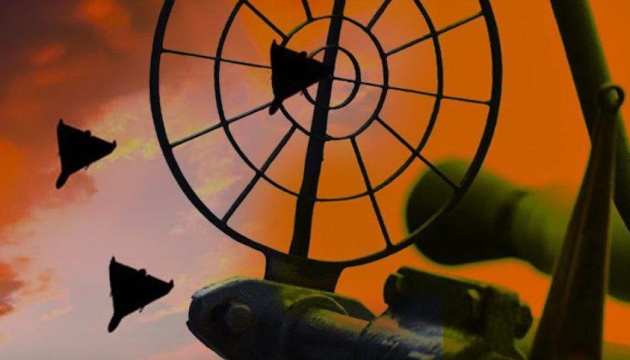
Russia's use of drone swarms, particularly Iranian-designed Shaheds, is increasingly overwhelming Ukraine's defenses, with a significant rise in attack volume and success rate, prompting Ukraine to develop new interception technologies amid ongoing conflict escalation.
Russia is rapidly increasing its production of Iranian Shahed drones, aiming to potentially launch up to 2,000 in a single night by November 2025, intensifying attacks on Ukraine and prompting calls for cheaper, more effective air defenses from Kyiv and its allies.
Ukraine's ODIN has developed the 'ODIN Win_Hit', a high-speed interception drone designed to shoot down Russian/Iranian Shahed kamikaze drones, with initial deployment to the front lines and plans for scaling up as part of Ukraine's broader efforts to counter drone threats using various technologies.
Ukraine is significantly scaling up its drone defense capabilities by contracting tens of thousands of interceptor drones to combat the massive volume of Iranian-designed Shahed attack drones used by Russia, aiming to improve interception rates and protect civilian areas amid ongoing drone assaults.
Ukrainian air-defense drones are rapidly evolving with upgrades like night-vision and advanced guidance to counter the increasing threat of Russian Shahed suicide drones, which are being produced in large quantities and flying at higher altitudes, challenging Ukraine's defense capabilities.
Ukrainian Air Defense Forces destroyed 98 out of 134 enemy Shahed 136/131 drones and a Ka-52 combat helicopter last week, with estimated enemy losses including 4,620 Russian occupants, 41 tanks, 99 armored combat vehicles, and other military equipment. The Defense Forces also carried out strikes on areas of enemy concentration and missile troops targeted various enemy assets, resulting in significant losses for the Russian occupiers.
Ukraine has developed the AQ-400 Scythe, a low-cost, long-range attack drone as a response to Russia's use of Iranian-made Shahed drones. The Scythe, produced by Terminal Autonomy, is designed for mass production and can be easily transported and operated. It carries a 42-kilo warhead and has a range of 750-900 km. The drone can navigate using a visual positioning system and is resistant to radio jamming. The Scythe is modular and can be modified for different missions. Ukraine aims to produce 1,000 units monthly, which could overwhelm Russian defenses and exhaust supplies of surface-air missiles.
The Ukrainian Air Force spokesperson, Yuri Ihnat, addressed the challenges posed by the increasing frequency of Russian Shahed kamikaze drone attacks on Ukraine. In September alone, a record 503 Shahed drones attacked the country, launched from three different directions. These drones fly in groups or "swarms," putting a strain on Ukrainian air defenses, especially when combined with cruise and ballistic missile attacks. Despite this, Ukraine has managed to destroy over 5,000 enemy UAVs during Russia's full-scale invasion.