SpaceX, with its xAI unit, has entered a six-month, $100 million Pentagon contest to develop voice-controlled, autonomous drone swarms capable of coordinating air and sea missions, a move that accelerates AI-enabled defense tech while raising ethical concerns about lethal autonomy in combat.
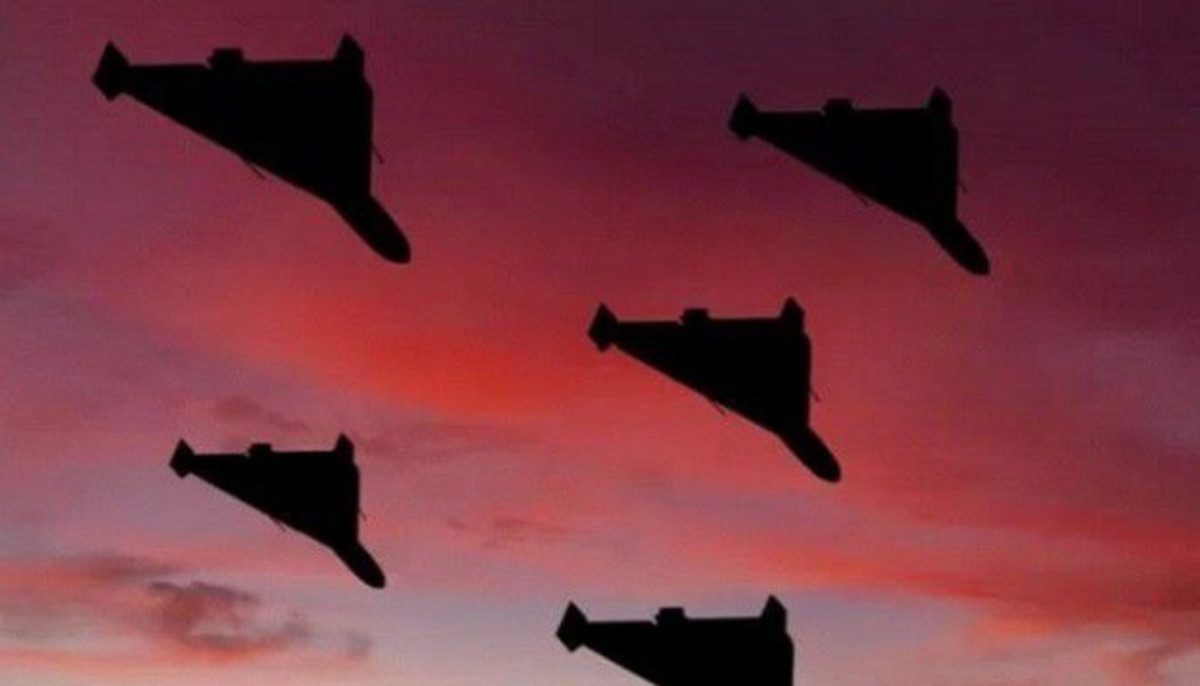
Russia's use of drone swarms, particularly Iranian-designed Shaheds, is increasingly overwhelming Ukraine's defenses, with a significant rise in attack volume and success rate, prompting Ukraine to develop new interception technologies amid ongoing conflict escalation.
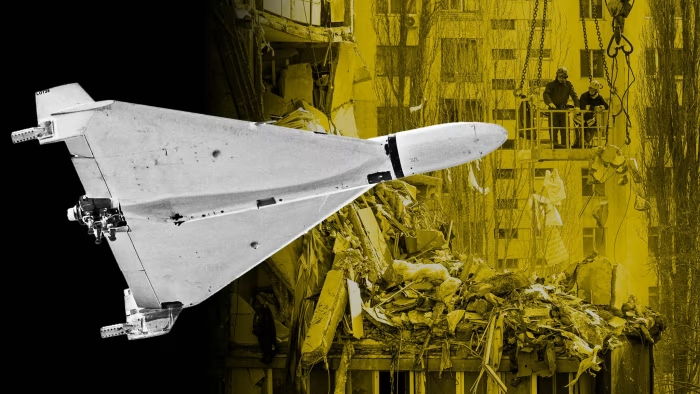
Russia has been using cheap and disposable kamikaze drones, known as Shaheds, to launch attacks on Ukraine. These low-tech drones have been causing damage to buildings and forcing Ukrainian civilians into air raid shelters. The Ukrainian military has been relying on mobile, automatic weapons fire and the use of anti-aircraft systems like the German Gepard to counter these drone attacks. Russia has been exploiting Ukrainian concerns about protecting major population centers and has been launching multiple waves of drones from different directions to confuse and overwhelm the Ukrainian defense. The scale of the attacks has been increasing, with Russia reportedly placing a $2 billion order with Iran to produce thousands more drones. The Ukrainian military believes that Russia will continue to improve the quality of these drones, making them more difficult to detect and counter.
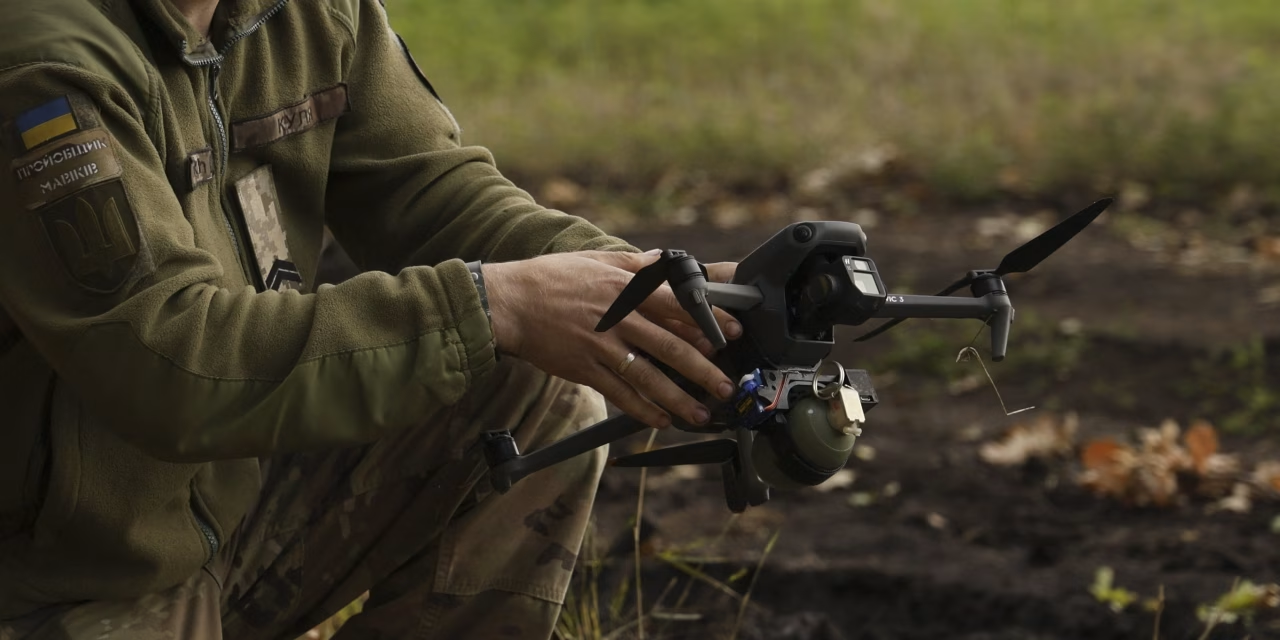
The conflict in Ukraine has showcased the future of warfare with the use of drone swarms, specifically kamikaze drones. These unmanned aerial vehicles (UAVs) have been employed by both sides, demonstrating their effectiveness in targeting enemy positions and infrastructure. The use of drone swarms in Ukraine highlights the evolving nature of warfare and raises concerns about the potential for widespread adoption of this technology in future conflicts.