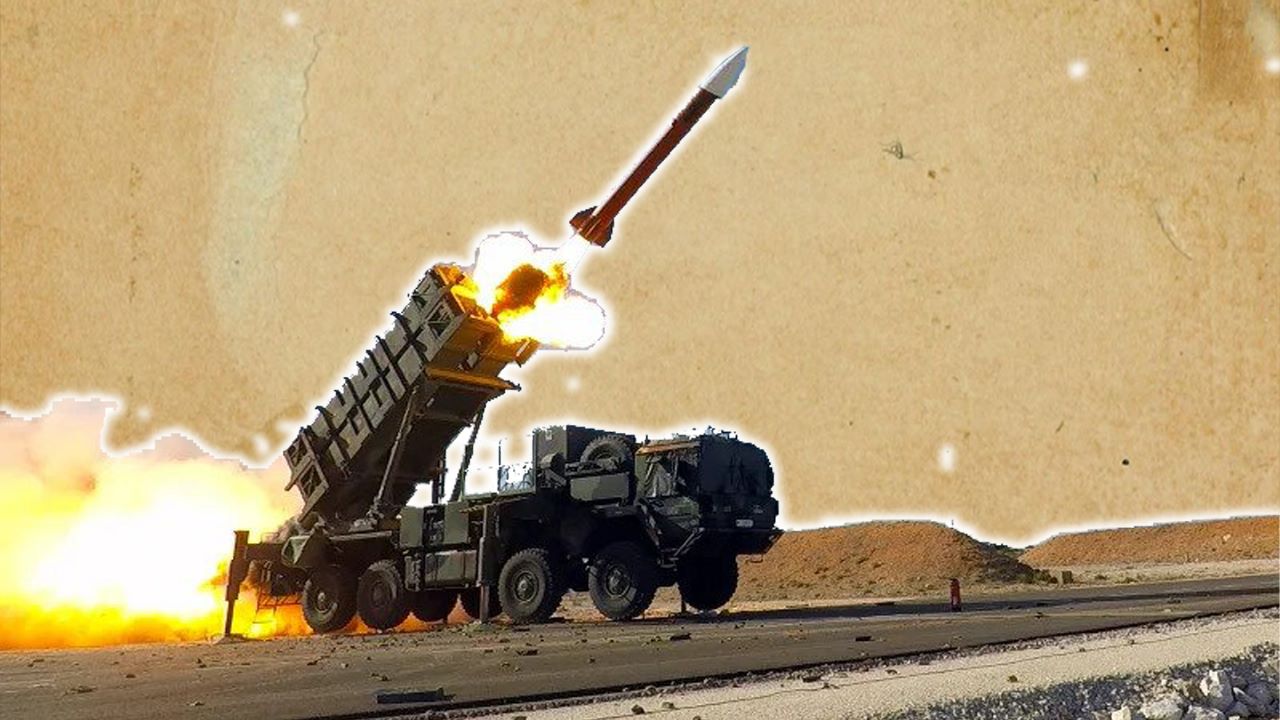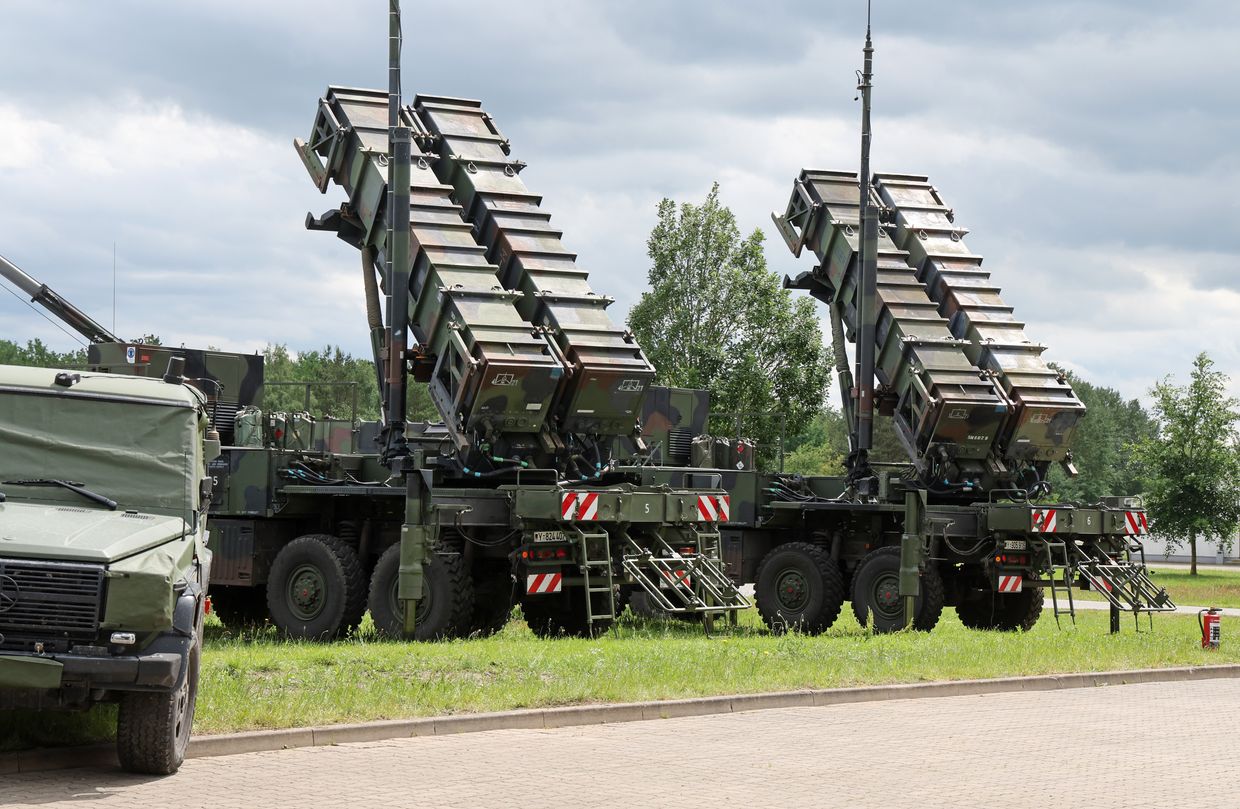
The US is rerouting its Patriot air defense systems to Germany to expedite the delivery of two Patriot batteries to Ukraine, amid escalating Russian attacks and urgent Ukrainian defense needs. This move is part of a broader US effort to facilitate military aid to Ukraine through individual NATO member deals, with additional support from Germany, Norway, Denmark, and others. The initiative aims to strengthen Ukraine's air defenses against ballistic missile threats and is the first major US facilitated weapons delivery to Ukraine since recent political support.
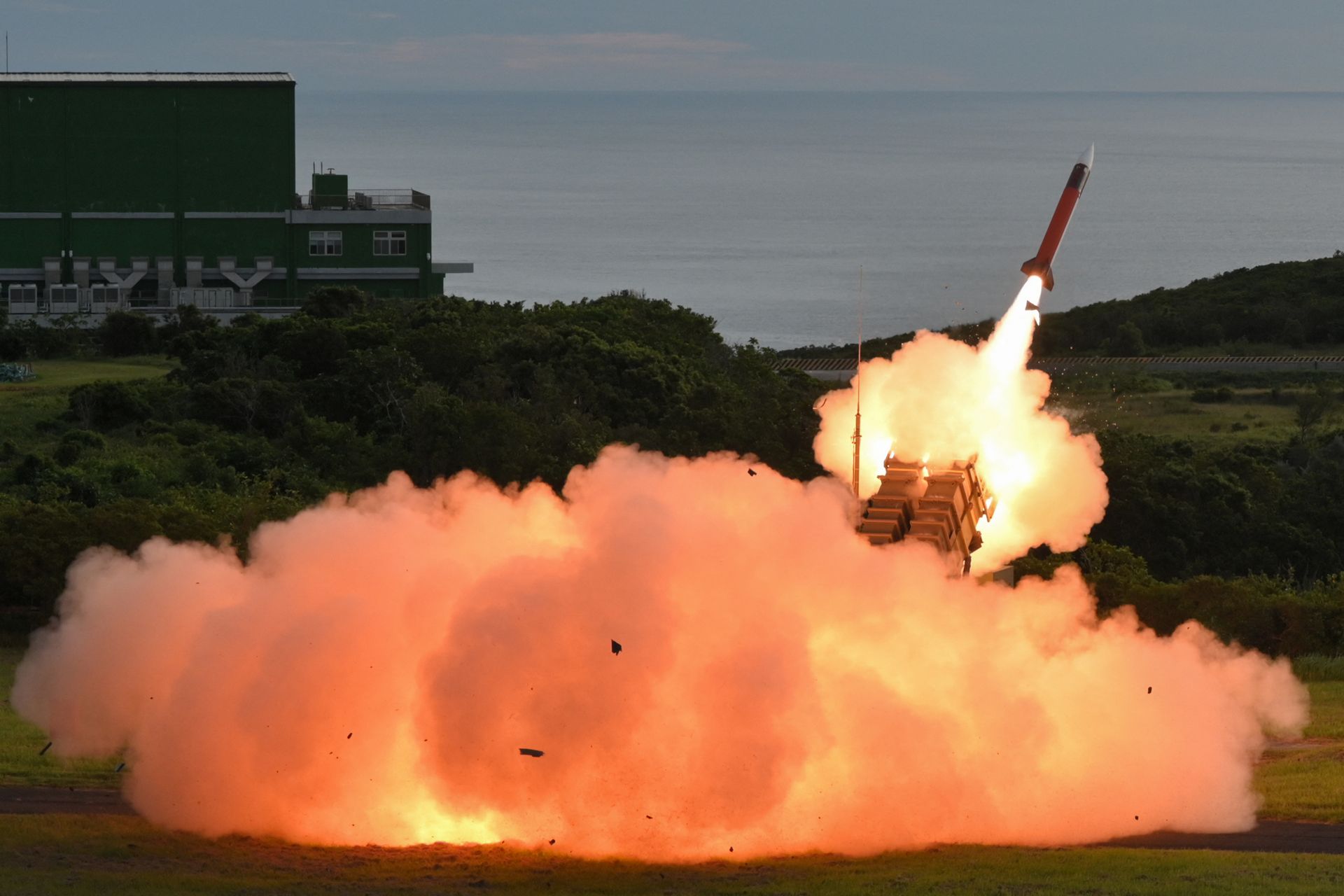
The article discusses the global demand for Patriot PAC-3 interceptor missiles, especially by Ukraine, due to escalating Russian missile attacks. It explains the capabilities of Patriot missiles, differences between PAC-2 and PAC-3, and the challenges in replenishing stocks amid geopolitical tensions and production limitations. The article emphasizes Ukraine's urgent need for more systems to defend against high-speed ballistic threats and the slow pace of international support and production.
US President Donald Trump announced the US will send Patriot air defense systems to Ukraine to aid in its conflict with Russia, with costs to be covered by NATO and the EU, as part of ongoing military support and diplomatic efforts.
Donald Trump expressed frustration with Vladimir Putin, announced plans to send Patriot missiles to Ukraine, and threatened to escalate US trade tariffs. The US Supreme Court approved mass federal layoffs, and a new Pentagon report revealed $2.4 trillion in military spending funneled to private contractors. Additionally, federal agencies face cuts amid climate-related disasters, and AI scams impersonating officials pose new threats.
The US may resume military aid to Ukraine after a temporary pause, which included crucial weapons like Patriot missiles and artillery rounds, amid ongoing Russian attacks that have caused civilian casualties and targeted Ukrainian infrastructure.
U.S. President Donald Trump discussed the need for Patriot missiles to bolster Ukraine's defenses amid ongoing Russian attacks, expressing frustration with Putin's refusal to pursue a ceasefire and highlighting the importance of joint defense efforts with Ukraine and Germany. Trump also criticized previous U.S. weapon shipments to Ukraine and noted recent escalations, including a massive drone attack on Kyiv.
The US has paused some military aid to Ukraine, including Patriot missile shipments, which could have deadly consequences amid ongoing Russian attacks, despite Ukraine's urgent need for air defense systems to protect civilians. The move, welcomed by Russia and criticized by Kyiv, highlights the strategic and logistical challenges in supporting Ukraine's defense against Russian aggression, with European countries increasing their aid in response.
The U.S. has paused some military aid to Ukraine, including air defense interceptors like Patriot missiles, due to dwindling stockpiles, raising concerns about Ukraine's ability to defend against escalating Russian air assaults amid ongoing conflict and shifting U.S. priorities.
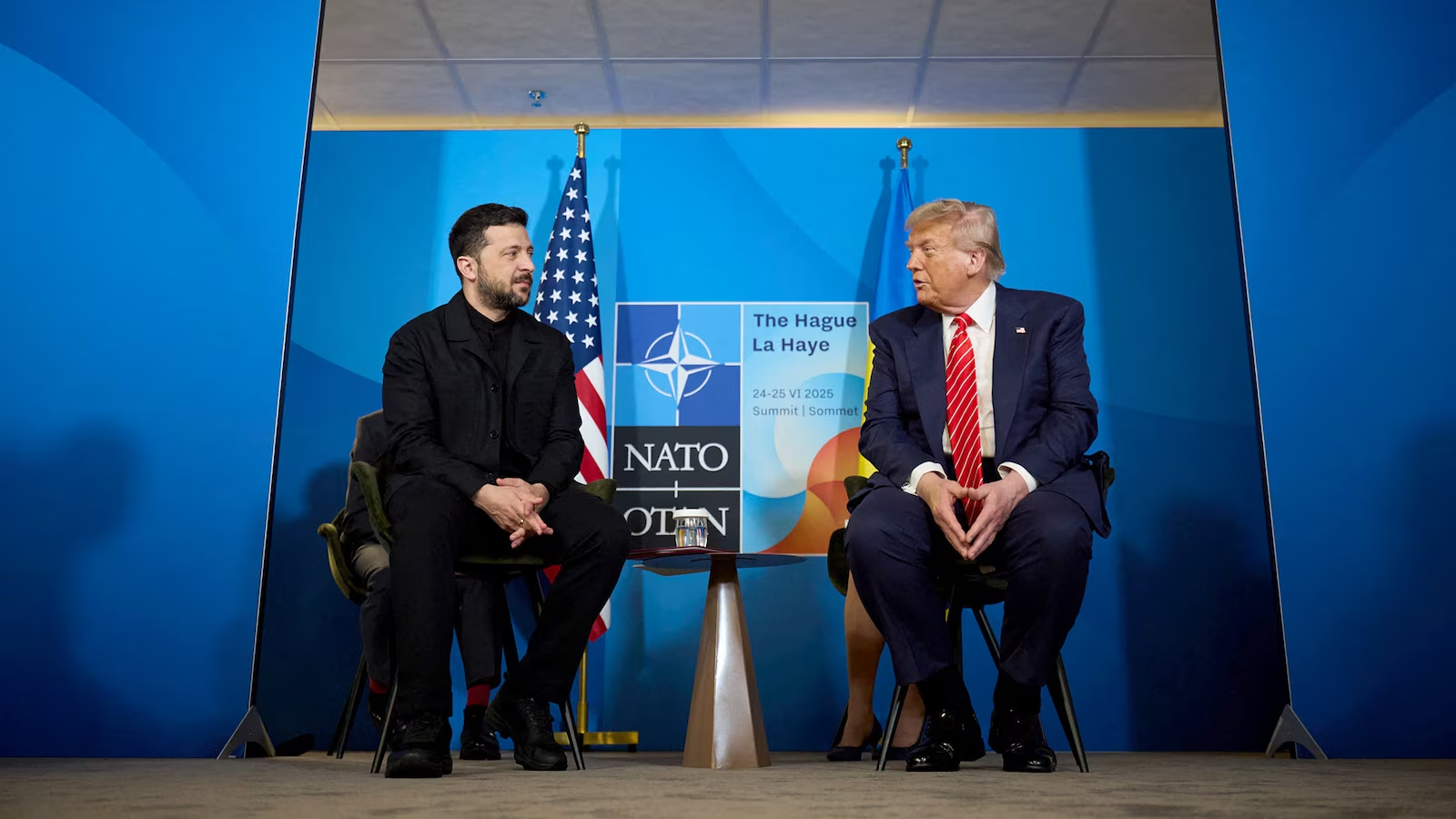
Following a meeting with Ukrainian President Zelenskyy at the NATO Summit, Donald Trump indicated he might provide Ukraine with additional monetary and defense aid, including Patriot air-defense missiles, amidst ongoing tensions with Russia. Trump also praised Zelenskyy and discussed the broader context of the Ukraine conflict, shifting his tone from previous criticisms to more supportive remarks.
Bild journalist Julian Röpke revealed that Ukraine has run out of Patriot and Iris-T missiles for its air defense systems, with most other stocks depleted or destroyed. He expressed frustration at the lack of support, noting that Western countries have hundreds of systems and thousands of missiles in warehouses. While a Ukrainian Air Force spokesman acknowledged the need for more missiles, he reassured that partner countries are aware of the situation and will provide assistance.
As Russia continues its attacks, Ukraine is urgently trying to dig enough trenches for defense while also appealing for air defenses, specifically Patriot missiles, from its allies. The country is facing a soldier shortage as the initial surge of volunteers has diminished over the years of conflict. Additionally, a recent terror attack claimed by the Islamic State has sparked a blame game between Moscow and Kyiv.
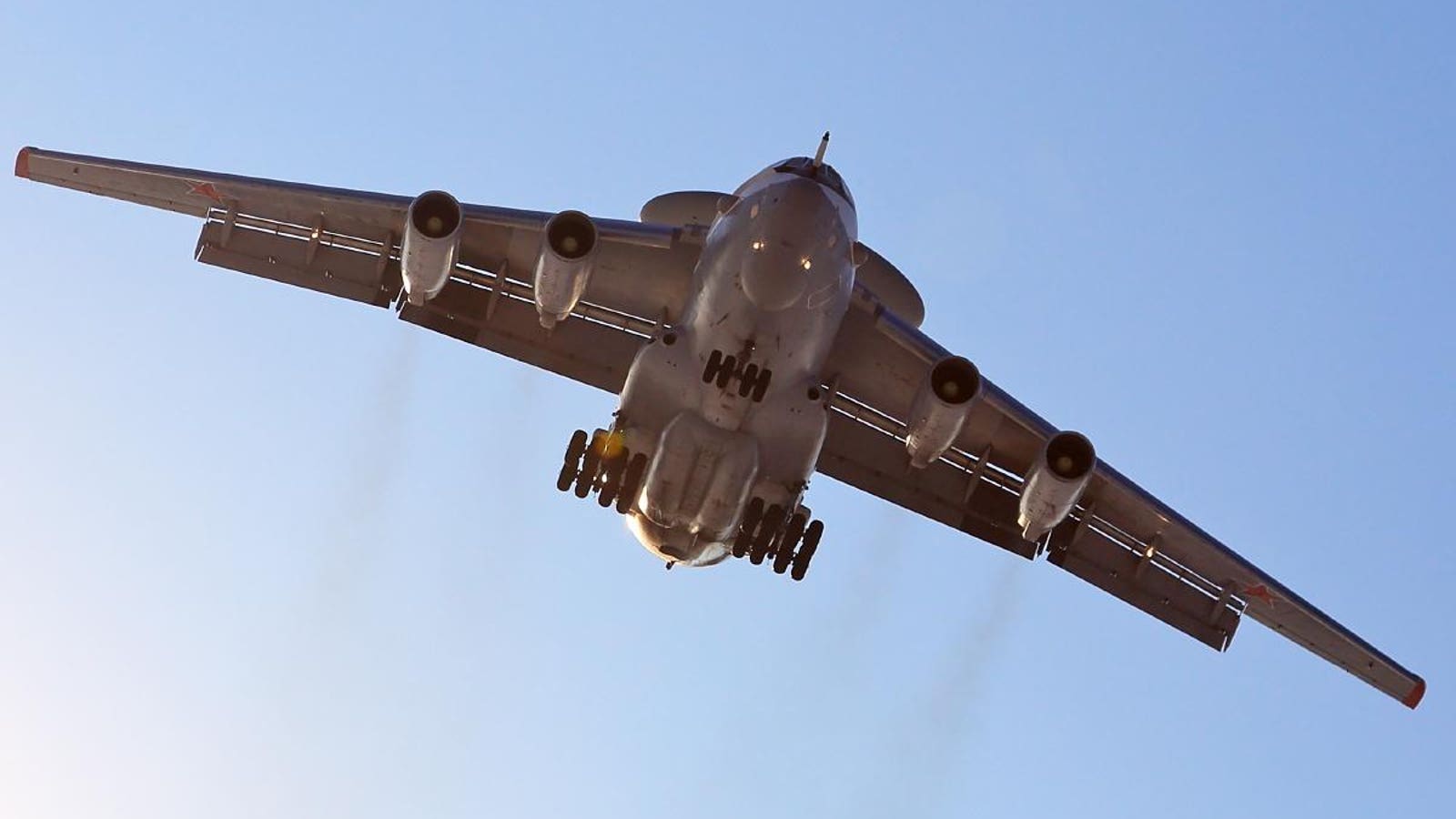
The Russian air force has lost another rare A-50 radar early-warning plane, possibly due to a mechanical failure or being shot down by the Ukrainian air force, marking the ninth loss of its best planes in just a month. The A-50s play a crucial role in Russia's war on Ukraine, but their reduced numbers and the loss of experienced airmen are impacting the air force's operations. Russian industry is working on modernizing a new A-50 as a replacement, but the cost is significant, and the Ukrainian air force's stock of Patriot missiles is also decreasing.
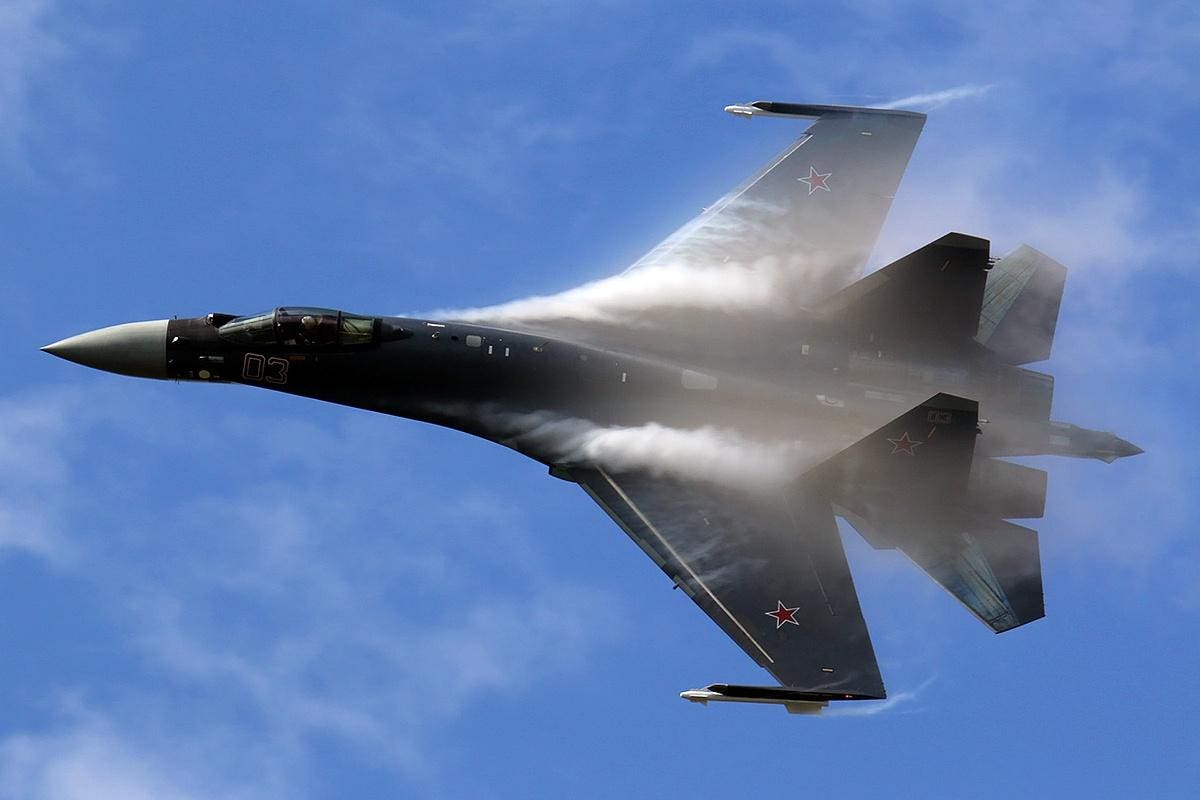
The Ukrainian air force has reportedly shot down six Russian fighter-bombers, including four Sukhoi Su-34s and two Su-35s, in just three days using their dwindling supply of Patriot air-defense missiles. This high rate of loss for the Russian air force is unsustainable, with 95 jets lost since February 2022 and a recent rate of 60 per month. However, the Ukrainian stock of Patriots is dropping to a critical level, potentially impacting their capacity to continue shooting down Russian warplanes.
The shootdown of a Russian Il-76 transport plane has sparked controversy over who ordered it, with Russia claiming it was hit by US-made Patriot missiles fired by Ukrainian forces. The incident, which resulted in the deaths of 74 individuals, including Ukrainian prisoners of war, has raised questions about the involvement of Ukrainian military intelligence and its leader, Kyrylo Budanov. Russia has called for an international investigation, while Ukraine denies receiving any prior notification from Russia about the flight. The situation has prompted inquiries into the nature of the advisory sent to Ukraine, the actions taken by both sides in prior prisoner exchanges, the personnel manning the Patriot system, and the potential involvement of American operators.
European nations, in response to the ongoing conflict with Russia, have decided to manufacture their own Patriot air defense missiles under a new NATO contract. This move aims to bolster the European Sky Shield program and replenish stockpiles depleted by aid to Ukraine. A €5.1 billion deal has been struck for up to 1,000 Guidance Enhanced Missiles-T (GEM-T), with production facilities to be established in Germany. The initiative, led by Germany and excluding Poland, involves 17 European countries and strengthens NATO's integrated air and missile defense capabilities. The Patriot system has proven effective against Russian missiles in Ukraine, but there are concerns about depleting supplies due to Russia's strategy of attrition.