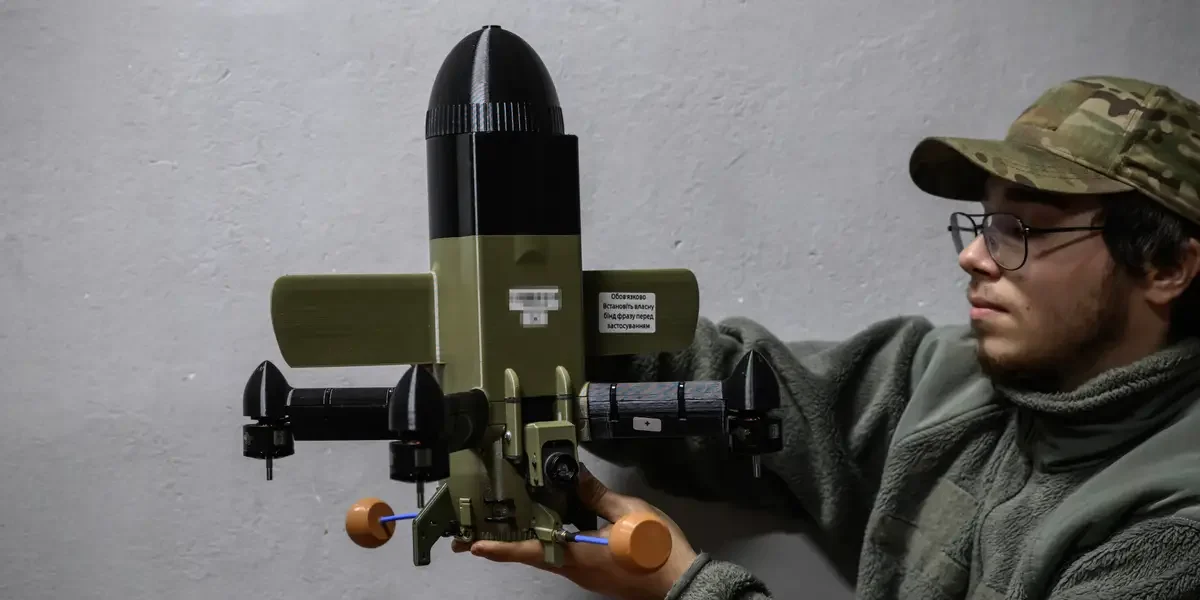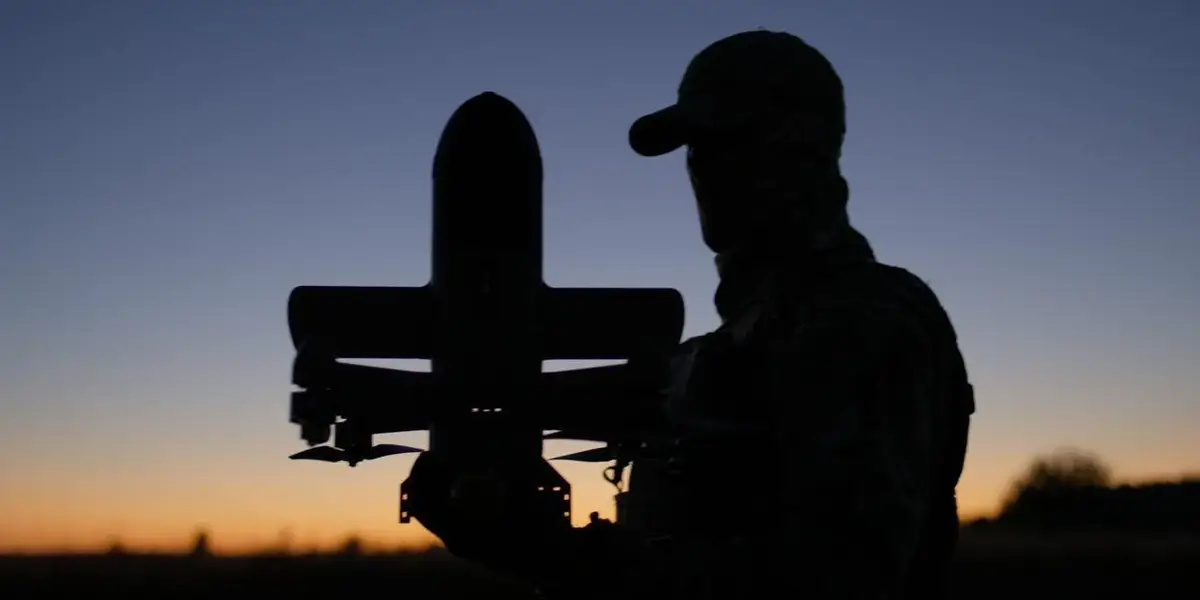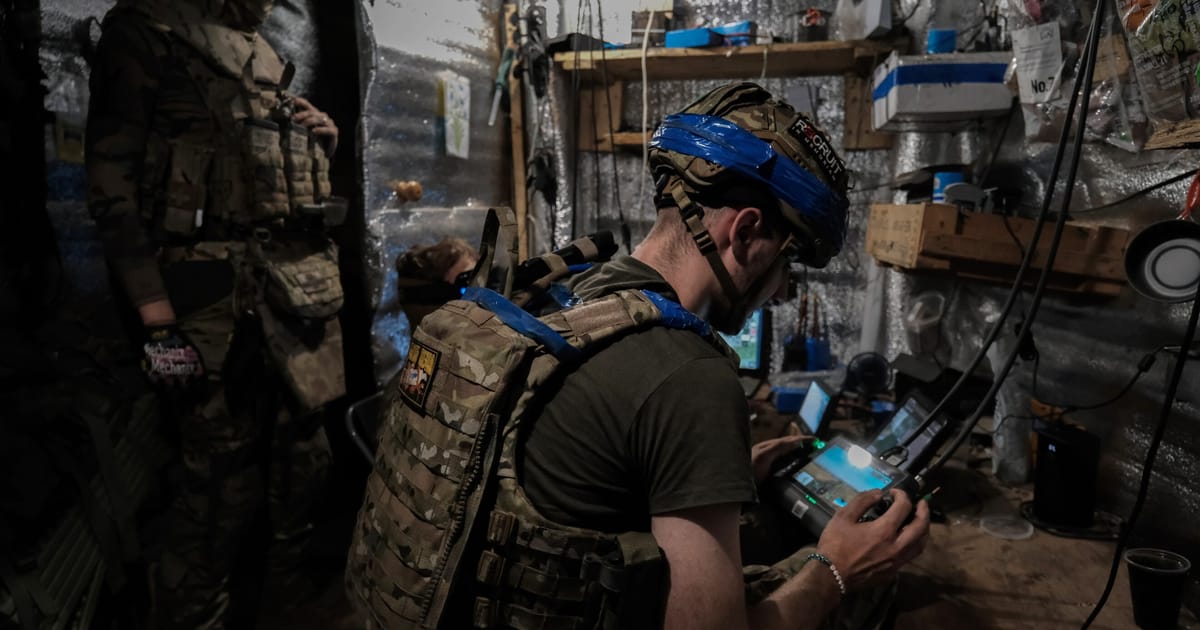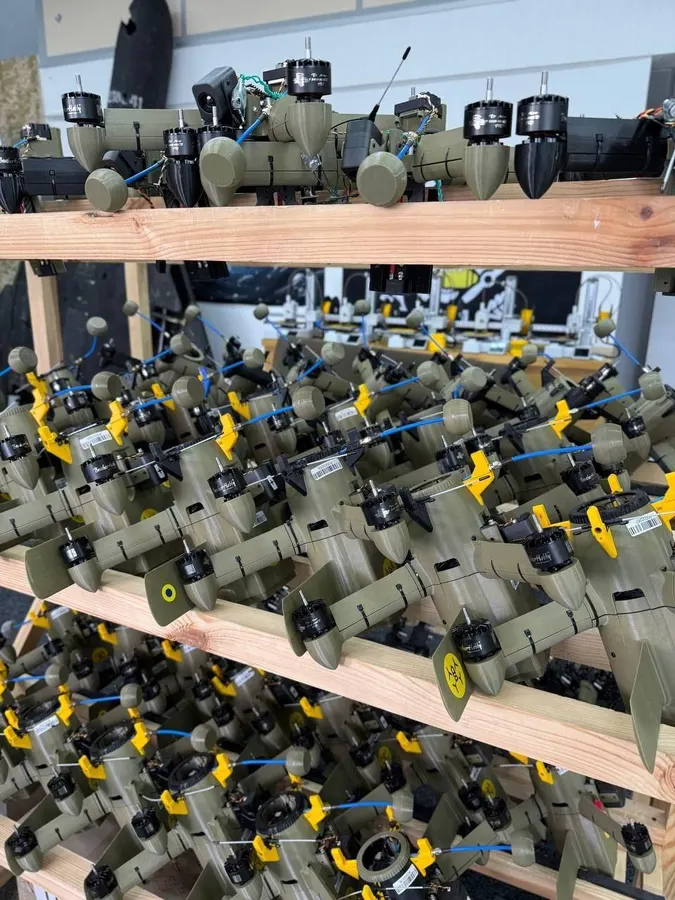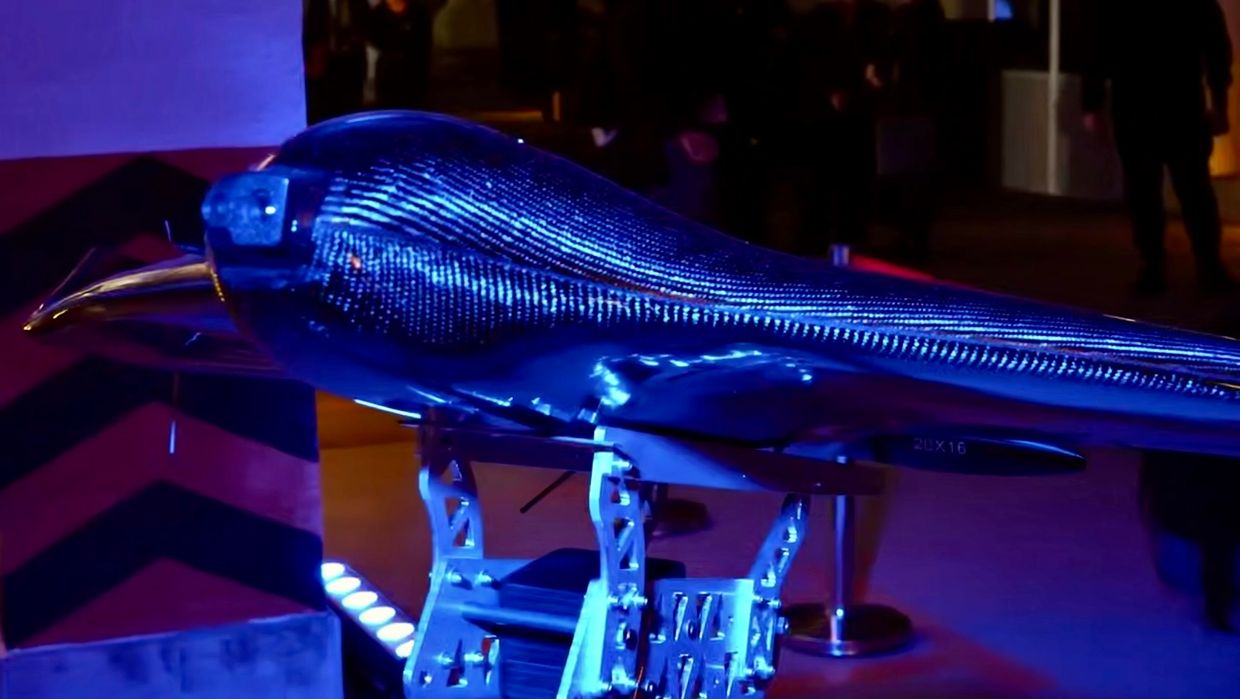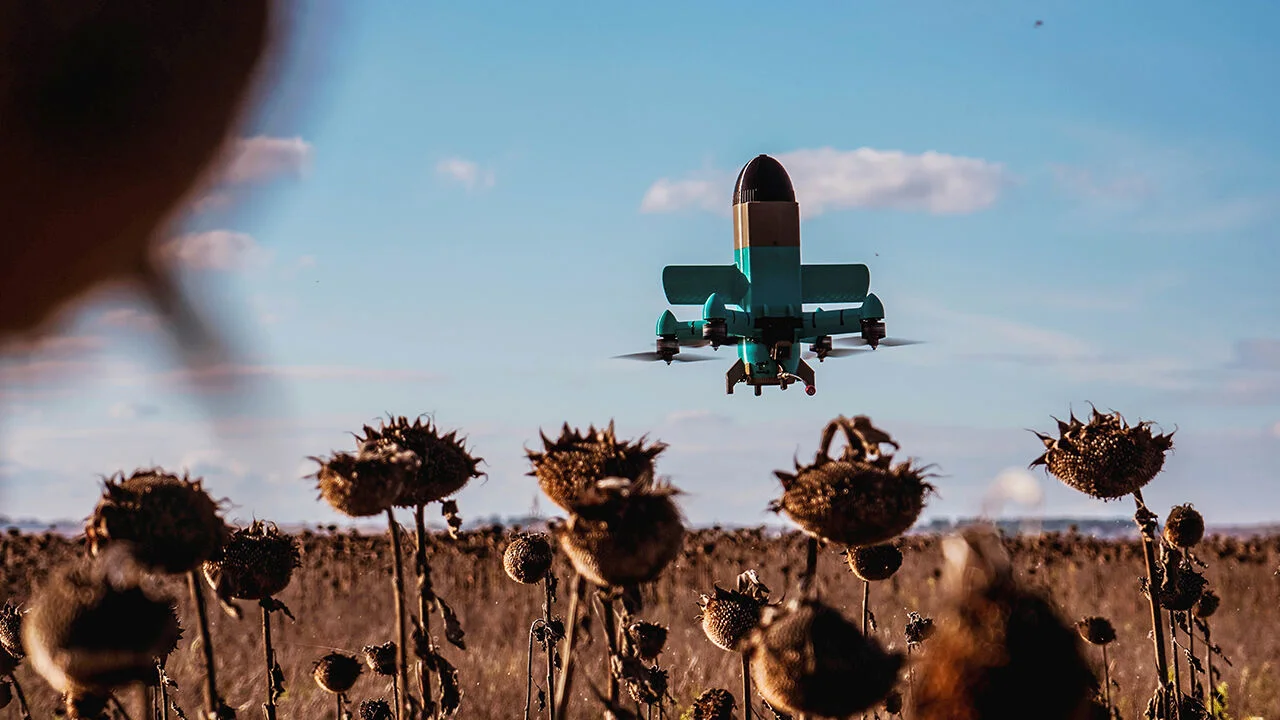
Ukraine has developed low-cost interceptor drones, like the Sting, to combat Russian attack drones, significantly enhancing its air defense capabilities and influencing future warfare strategies with a focus on affordable, effective drone countermeasures.
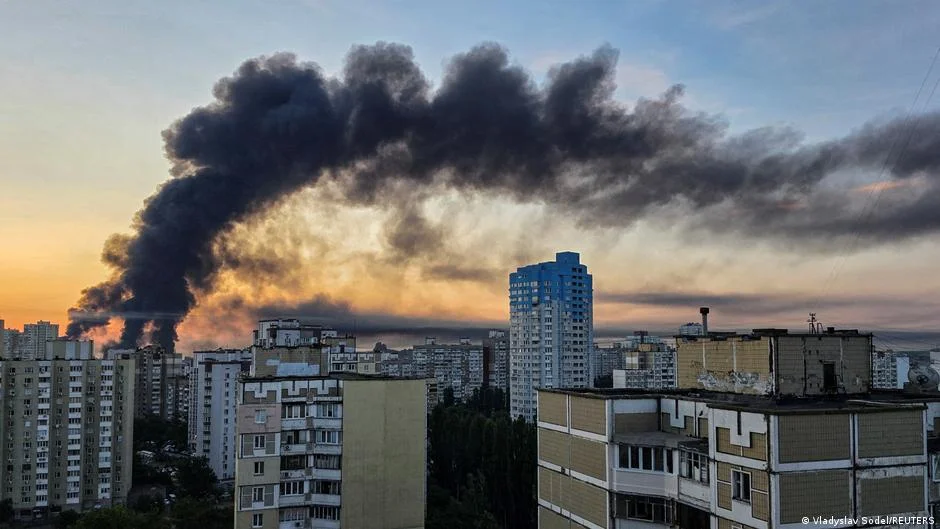
Ukraine is developing low-cost interceptor drones to combat Russian Shahed drones amid ongoing drone attacks, aiming to improve its air defense capabilities and reduce dependency on expensive Western missile systems, while Russia adapts its drone technology in response.
Ukraine is significantly scaling up its drone defense capabilities by contracting tens of thousands of interceptor drones to combat the massive volume of Iranian-designed Shahed attack drones used by Russia, aiming to improve interception rates and protect civilian areas amid ongoing drone assaults.
Ukraine has contracted tens of thousands of interceptor drones, which are now entering mass production, to bolster its air defense against escalating Russian drone attacks, with plans to expand production through international aid and funding models like the 'Danish model'.
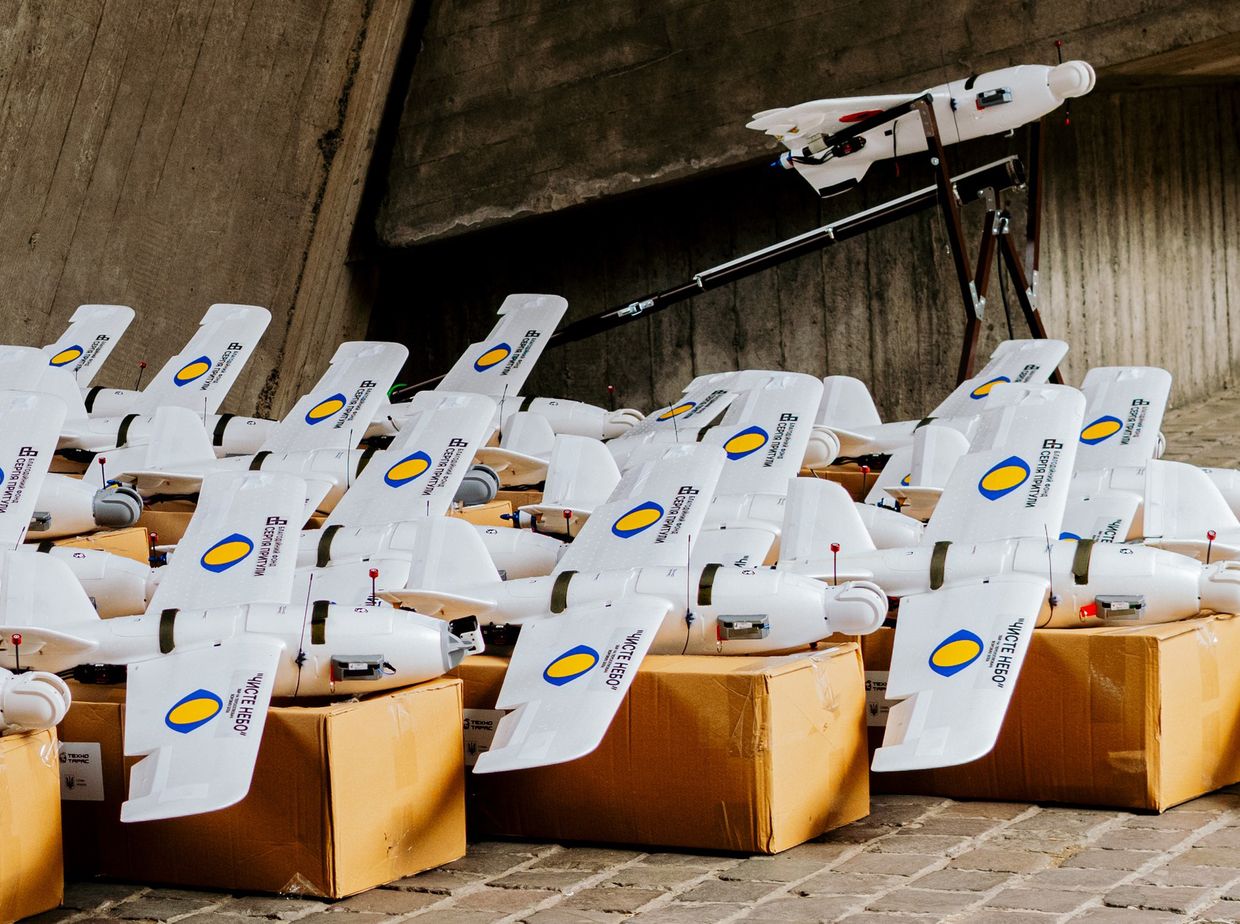
Ukraine is deploying domestically developed interceptor drones to defend Kyiv against increasing Russian drone attacks, with the Clear Sky project intercepting nearly 550 drones during testing and aiming to protect critical infrastructure and civilians amid ongoing escalations.
Ukraine is exploring the use of interceptor drones to combat increasing Russian drone attacks, particularly Shahed drones, which fly at high altitudes and are difficult to intercept with traditional methods. The country is rapidly developing and deploying specialized drones to improve its air defense, considering the high costs of missile-based defense systems and the potential for more cost-effective drone-based solutions.