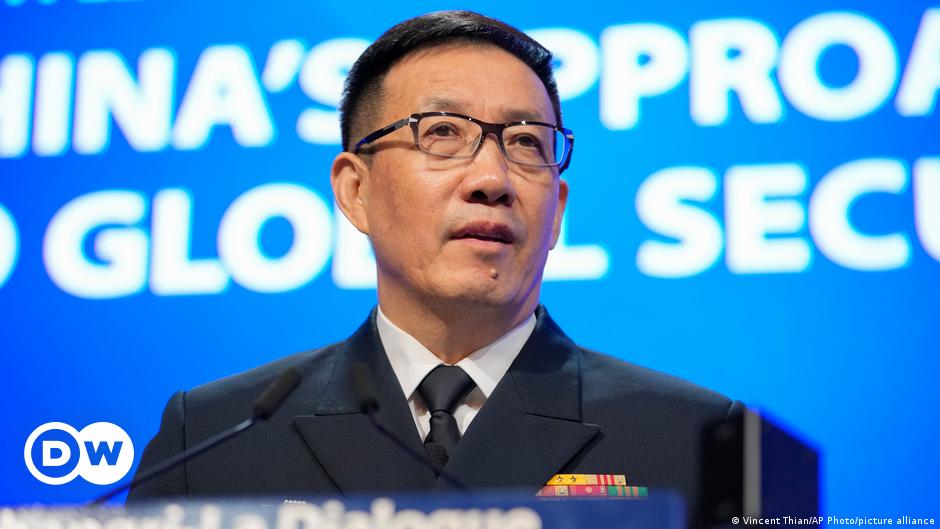
Chinese Defense Minister Dong Jun warned that attempts to separate Taiwan from China would be "crushed," accusing Taiwan's ruling party of pursuing separatism and foreign powers, particularly the US, of emboldening these efforts. Taiwan condemned his remarks as provocative and reiterated that the island has never been ruled by the People's Republic of China.
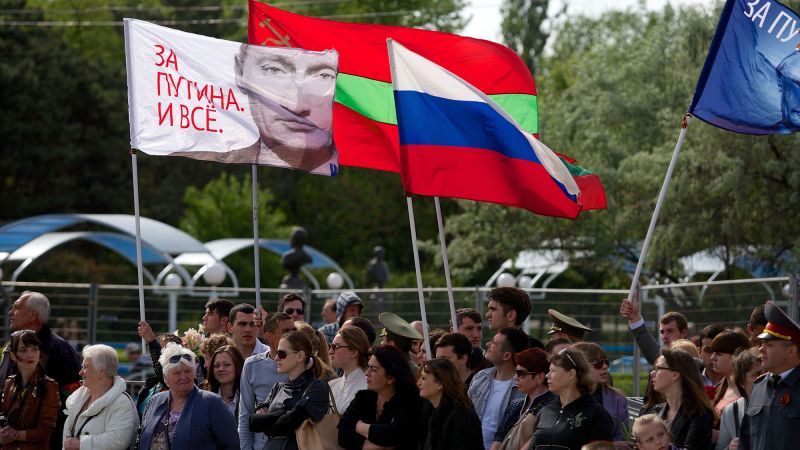
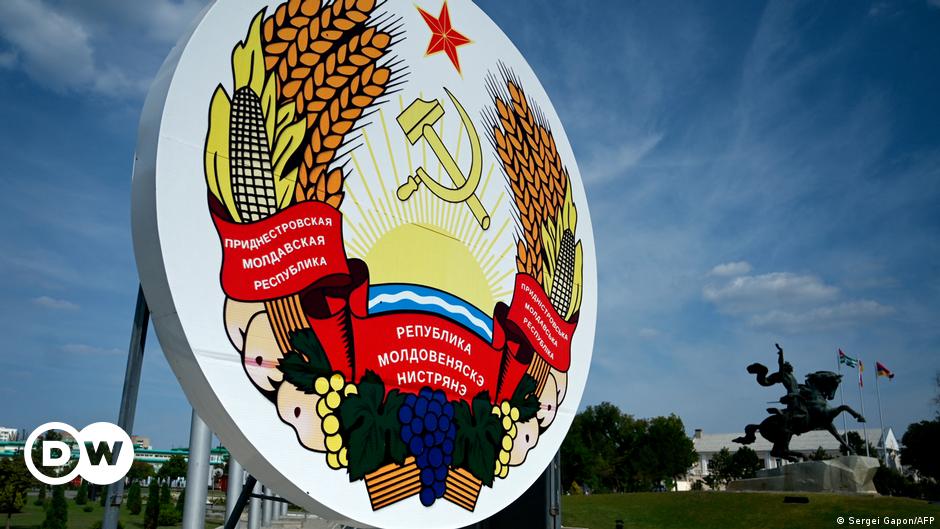
Pro-Russian rebels in Transnistria, a breakaway region of Moldova, have asked Russia for protection against alleged threats from Moldova's government, as the region remains firmly within the Kremlin's orbit while Moldova seeks to join the European Union. The rare congress of Transnistria's politicians sparked fears of destabilizing Moldova's pro-Western government, but instead passed a resolution appealing to Russia for greater protection for its residents. The situation reflects Russia's ongoing influence in the region and its efforts to prevent Moldova's EU accession, while also highlighting the economic and geopolitical complexities at play.
Pro-Russian officials in Transnistria have appealed to Russia for "protection" against increased pressure from Moldova, following fears of escalating tensions over the territory. The region's special congress passed a resolution calling on Russia to implement measures to safeguard Transnistria, citing a deepening row over customs duties and accusing Moldova of waging an "economic war." Moscow expressed the importance of protecting Transnistria's residents, while Moldova rejected the appeal as propaganda. Transnistria, a mainly Russian-speaking breakaway region, unilaterally separated from Moldova after the Soviet Union's collapse, and its pro-Russian leadership accuses both Moldova and Ukraine of hostile intentions.
Pro-Russian officials in Transnistria have appealed to Russia for "protection" against increased pressure from Moldova, following fears of escalating tensions over the territory. The region's special congress passed a resolution calling on Moscow to implement measures to safeguard Transnistria, amid a deepening row over customs duties with Moldova. Russia has expressed the importance of protecting Transnistria's residents, while Moldova has rejected the appeal as propaganda. Transnistria, a mainly Russian-speaking breakaway region, unilaterally separated from Moldova after the Soviet Union's collapse, and fears have arisen that it could become a new flashpoint in Moscow's conflict with Ukraine.
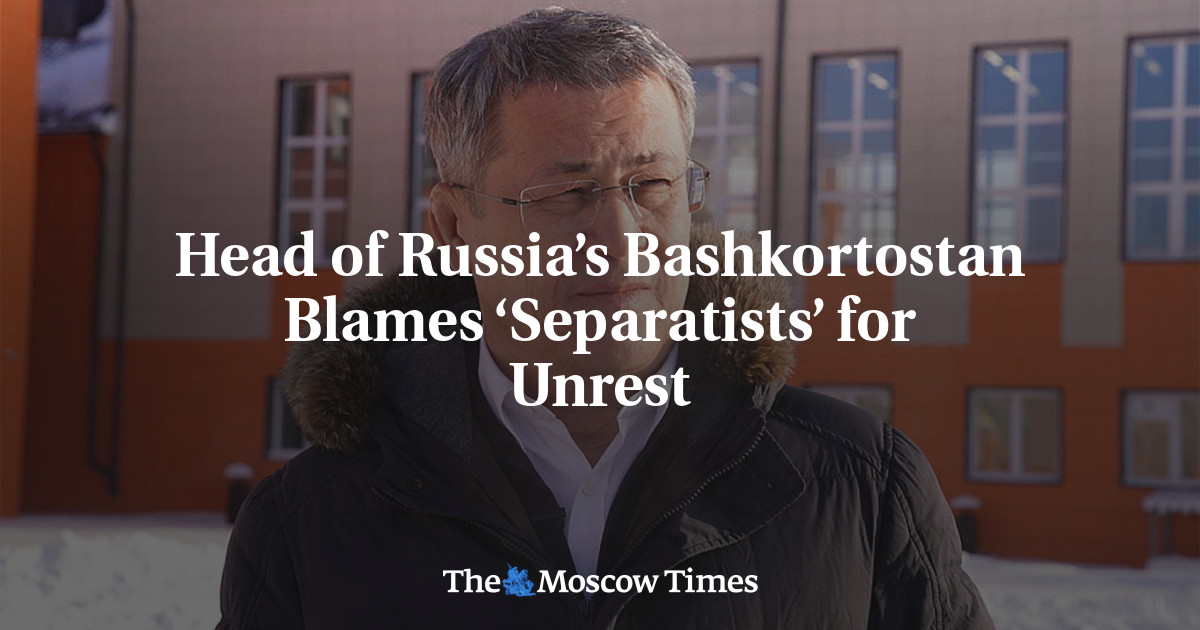
The governor of Russia’s Bashkortostan blamed separatists living abroad for provoking violence between protesters and police, following clashes over the imprisonment of activist Fayil Alsynov. At least 40 people were injured as authorities launched criminal cases into what they described as mass riots and violence against law enforcement officials. The governor accused Alsynov and his allies of stoking separatist feelings, while also suggesting that officials were partly to blame for the unrest. Alsynov, who denies charges of inciting ethnic hatred, was sentenced to four years in prison, and six protesters were jailed for violating protest rules.
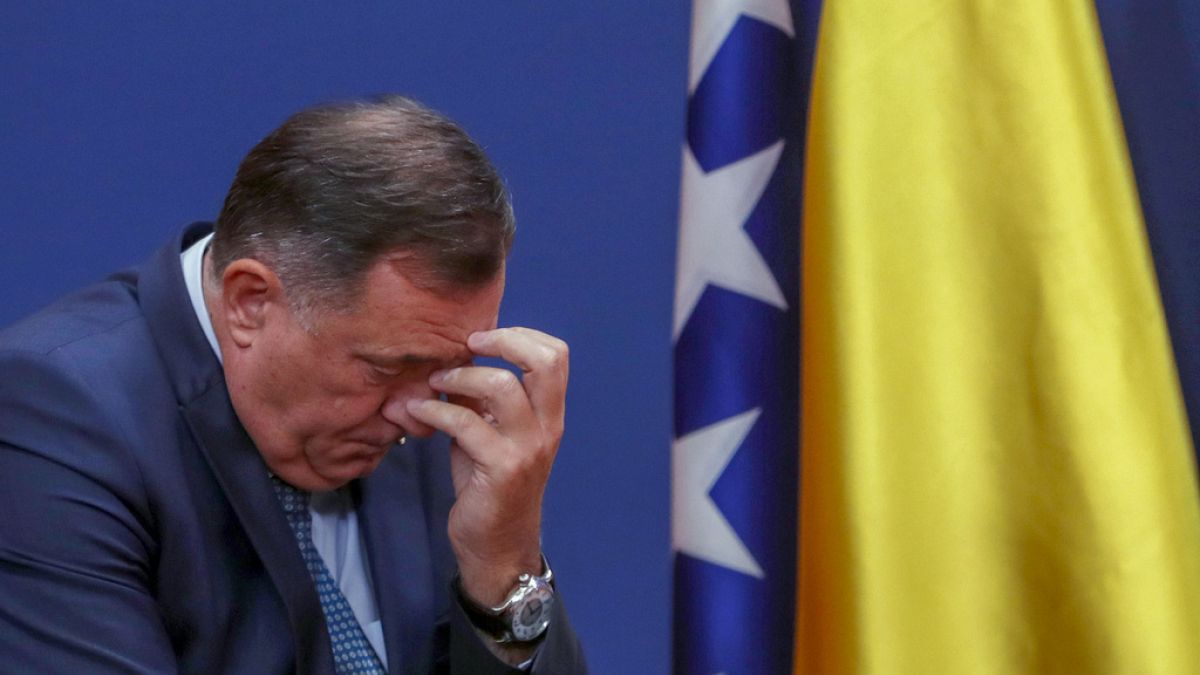
Milorad Dodik, the Bosnian Serb separatist leader, has declared his intention to dismantle Bosnia's multiethnic institutions, potentially leading to full independence for the Serb-controlled regions. This move has raised concerns in the US, which has pledged to uphold the 1995 peace agreement that ended the Bosnian War. Dodik's pro-Russian stance and the fear of Russian influence destabilizing the region further complicate the situation, as Bosnia aims for EU accession amidst internal and external pressures.
Hundreds of thousands of people took to the streets in Spain to protest against an amnesty deal between the country's Prime Minister and Catalan separatists, which would grant pardons to nine jailed leaders involved in the failed 2017 independence bid. The deal has sparked controversy and reignited tensions between the central government and Catalonia.
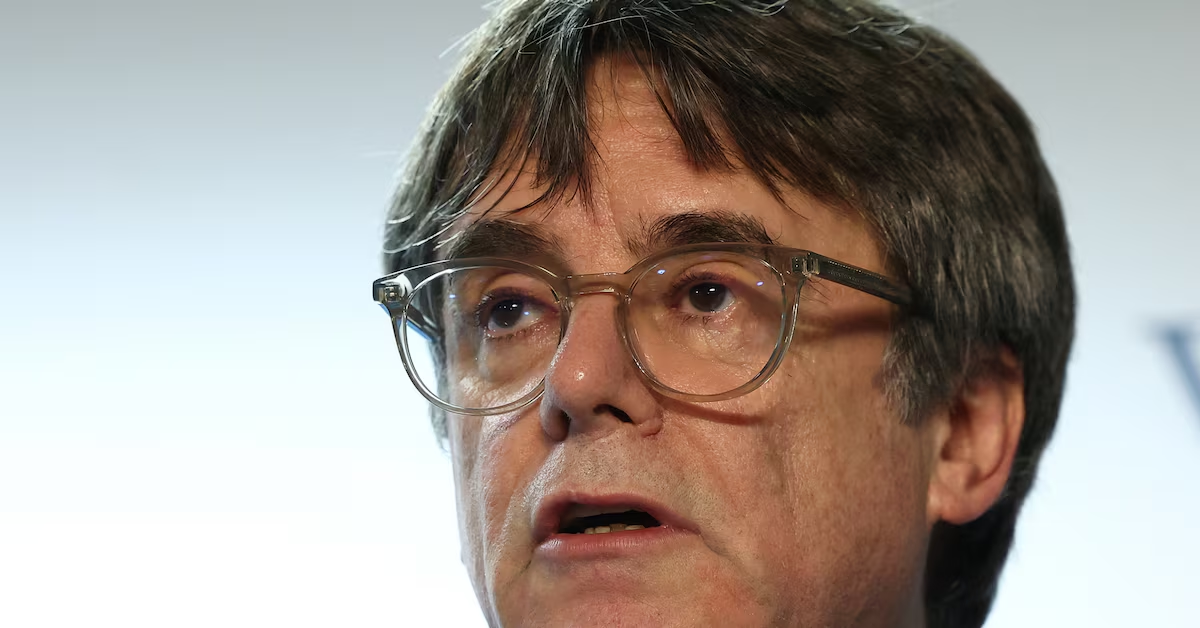
Carles Puigdemont, the Catalan separatist leader, has once again made waves in Spanish politics by providing crucial support for a Socialist-led government in Madrid. In return, Puigdemont secured a promise of amnesty for Catalan separatists, including himself, which has sparked protests and divided the country. Puigdemont, who has been living in self-imposed exile in Brussels since 2017, played a key role in Catalonia's failed bid for independence in 2017 and has faced charges of disobedience and misuse of public funds in Spain. Despite facing extradition requests, he has managed to avoid lengthy detention.
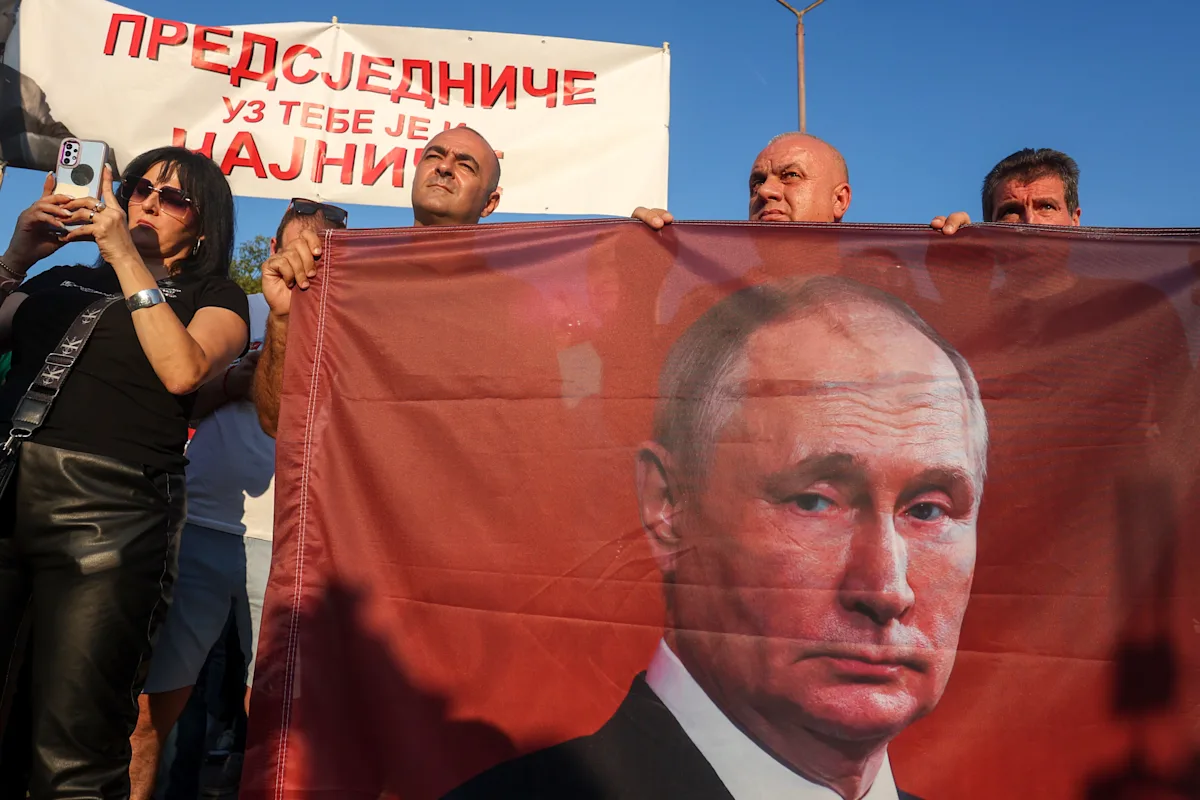
Bosnian Serbs staged protests in support of their separatist leader, Milorad Dodik, who seeks union with neighboring Serbia. The protesters waved flags of Serbia and Russia, and briefly blocked traffic between the Bosnian Serb Republika Srpska and the Bosniak-Croat federation. Dodik, who has close ties to Russian President Vladimir Putin, has been striving to separate Bosnian Serb territories from the rest of Bosnia. He is facing charges for his separatist actions and defying decisions by an international official overseeing peace in the country.
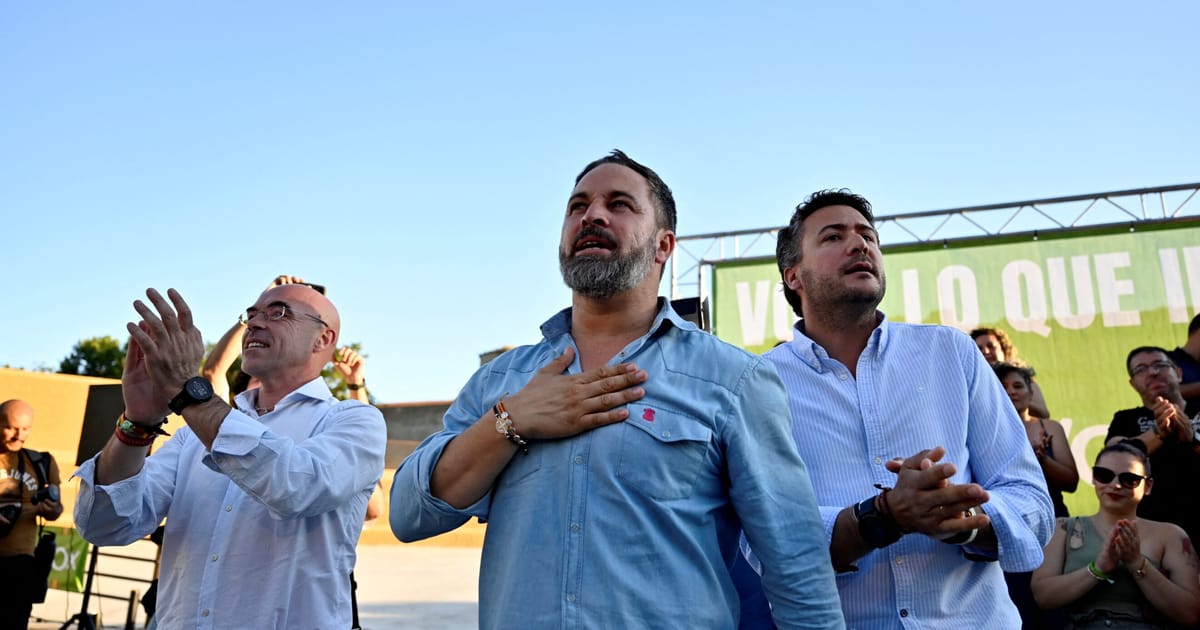
Far-right leader Santiago Abascal of Spain's Vox party threatens a long-term occupation of Catalonia if his party and the center-right Popular Party form a government after the upcoming national election. Abascal criticizes the handling of the Catalan separatist movement by previous governments and accuses current Prime Minister Pedro Sánchez of betraying Spaniards by making concessions to separatists. His remarks are expected to boost support for Catalan separatist parties, which have been performing poorly in recent polls. The Popular Party is projected to win the most votes but fall short of a parliamentary majority, potentially forming a coalition with Vox.
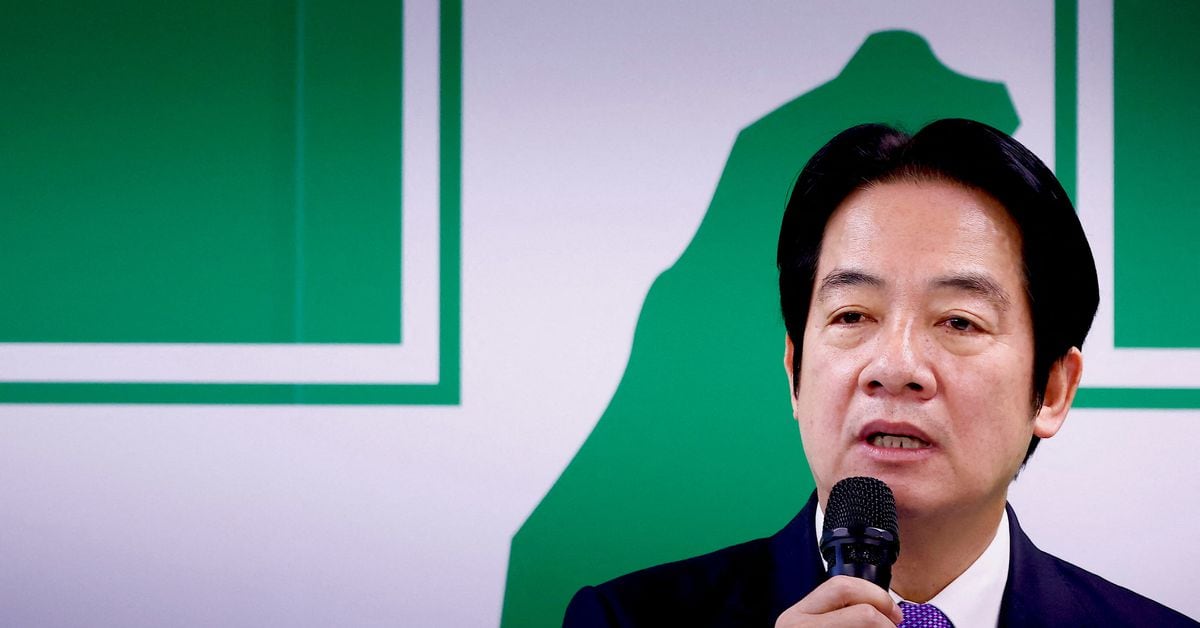
China has expressed anger over the planned visit of Taiwan's presidential frontrunner, Vice President William Lai, to the United States next month, calling him a "separatist." Lai's visit, which includes attending the swearing-in ceremony of Paraguay's new president, holds significance as he is running to succeed President Tsai Ing-wen in Taiwan's next election. China views such visits as covert support for Taiwan's independence and a challenge to its territorial claims. The US State Department defended Lai's transit, stating that it is consistent with past practice and that China should not use it as a pretext for increased pressure on Taiwan.
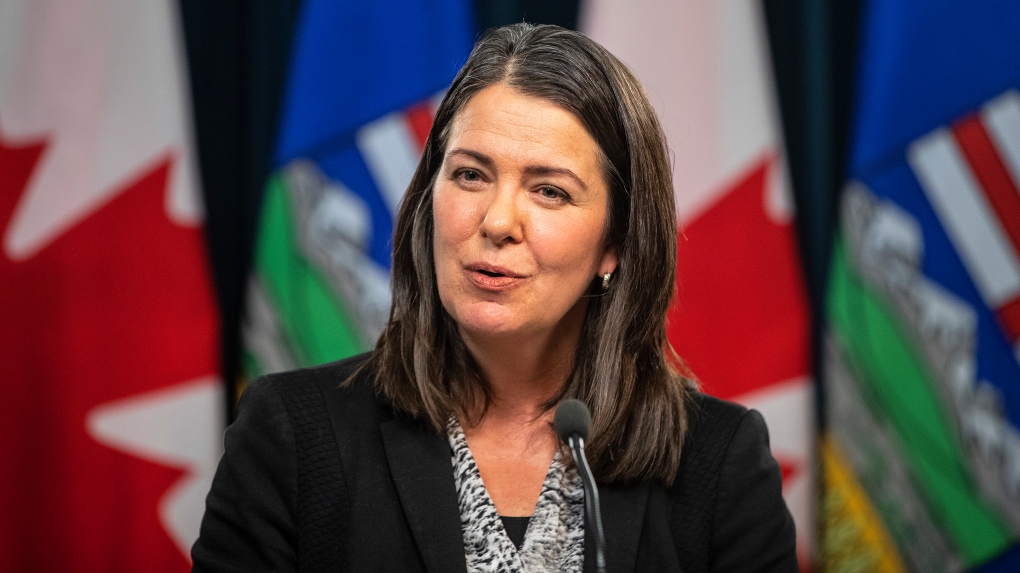
The United Conservative Party, led by Danielle Smith, won re-election in Alberta, Canada, against the Left-wing opposition, the New Democratic Party. Smith and her party have openly flirted with separatist and sovereigntist sentiments, something unheard of for a provincial government outside of Quebec. Though it remains a minority stance in the province, Smith's policy priorities, including an independent Alberta police force, an Alberta Pension Plan, and upholding the "Alberta Sovereignty Within a United Canada Act," could lead to an increasingly functionally separate existence for the province.
The recent episode of Amritpal has shown that while support for Khalistani sentiments remains strong among the Punjabi diaspora abroad, it has dried up in Punjab. The Khalistan agenda has been largely kept alive from foreign soil, sustained for decades by Pakistan. While there are outfits in the state that demand more autonomy or even separate nationhood, they do so under the ambit of the Constitution and have not espoused violence. The Punjabis in the state are more pragmatic and have suffered the fallout of militancy, which is why there is little support for wannabe ideologues like Amritpal.