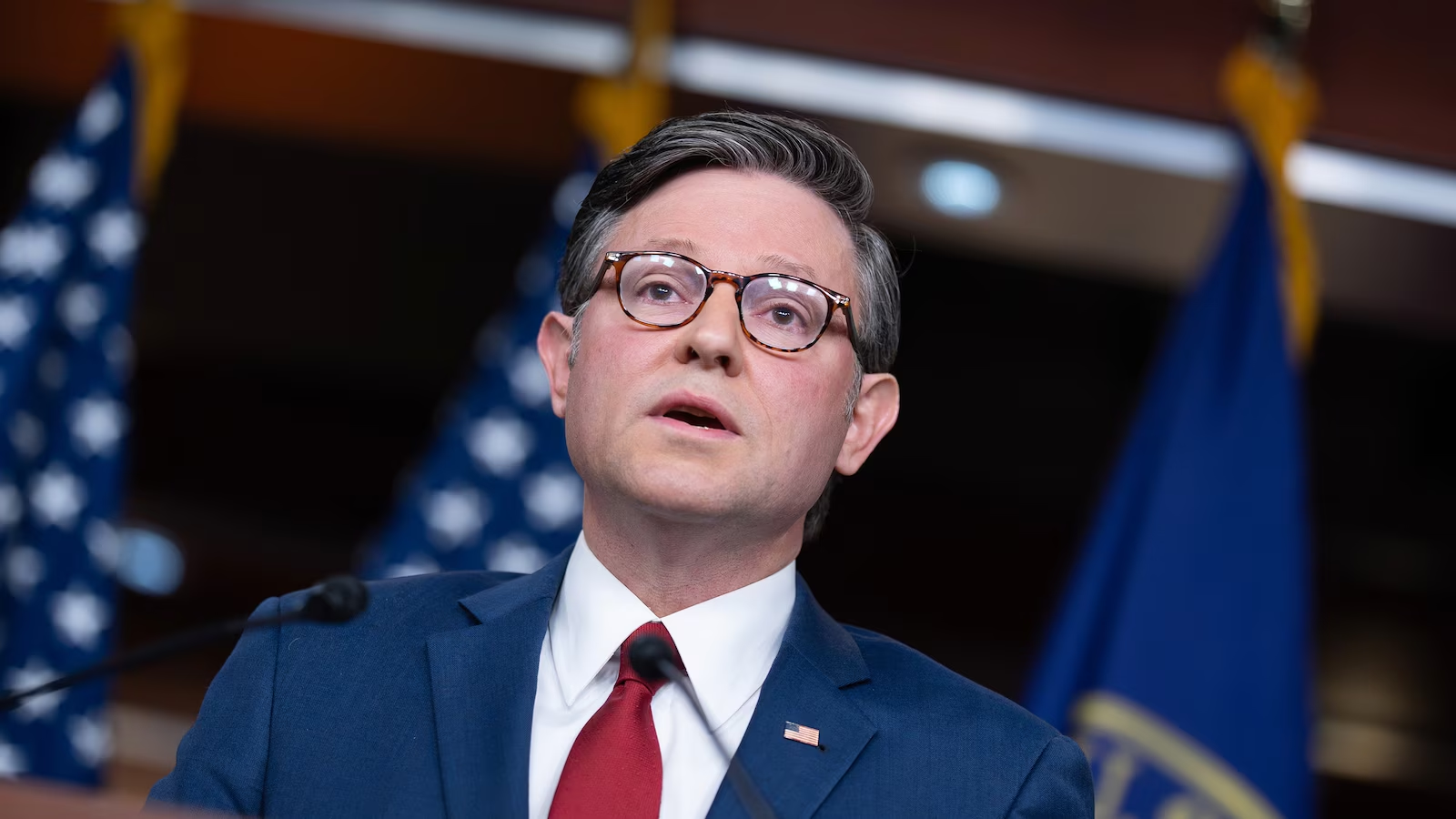
The House is set to vote on a Senate-passed bill to end the longest government shutdown in U.S. history, which includes funding through January 2026 and provisions for various programs. The Senate approved the deal with bipartisan support, and President Trump has indicated he will sign it. The House's vote marks the end of a 54-day shutdown, with ongoing political debates over healthcare and other issues.

The Senate approved a deal to end the government shutdown without addressing healthcare subsidies, causing frustration among Democrats who want to extend healthcare tax credits. The deal funds the government through January and includes a promise for a December vote on healthcare subsidies, but its passage in the House remains uncertain. The issue of healthcare costs is a key point of contention, with Democrats and some Republicans advocating for reforms, while the deal itself does not resolve these concerns.
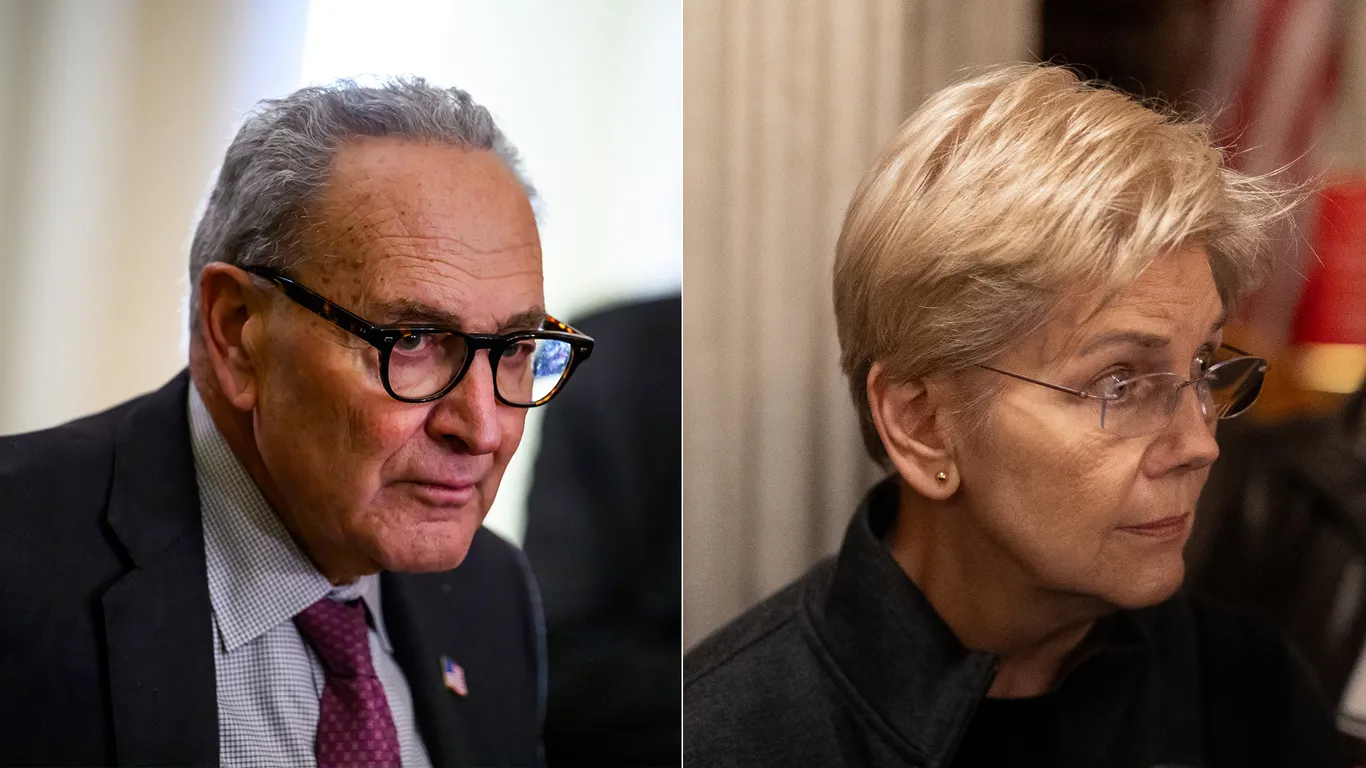
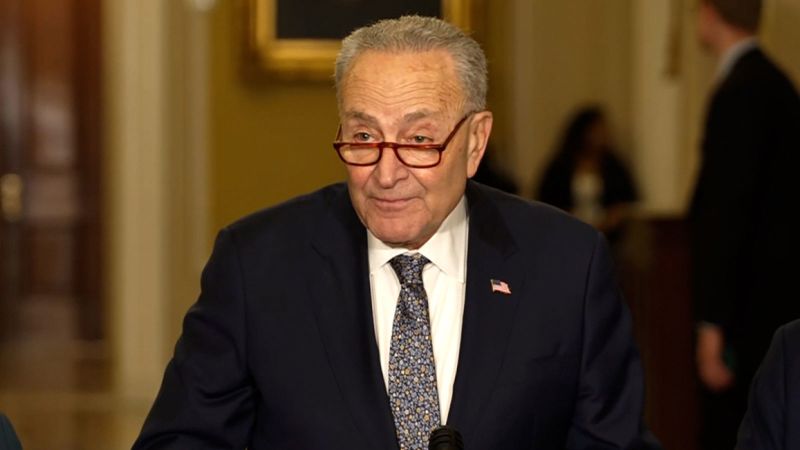
Many congressional Democrats are unhappy with the Senate deal to reopen the government, feeling they lost leverage and didn't secure key health care subsidies they wanted, leading to internal party divisions and criticism of leadership, especially Senate Minority Leader Chuck Schumer.
Airlines face ongoing disruptions with thousands of flights canceled due to FAA-imposed restrictions at major airports, as the government shutdown continues, though a Senate deal may soon end the shutdown.
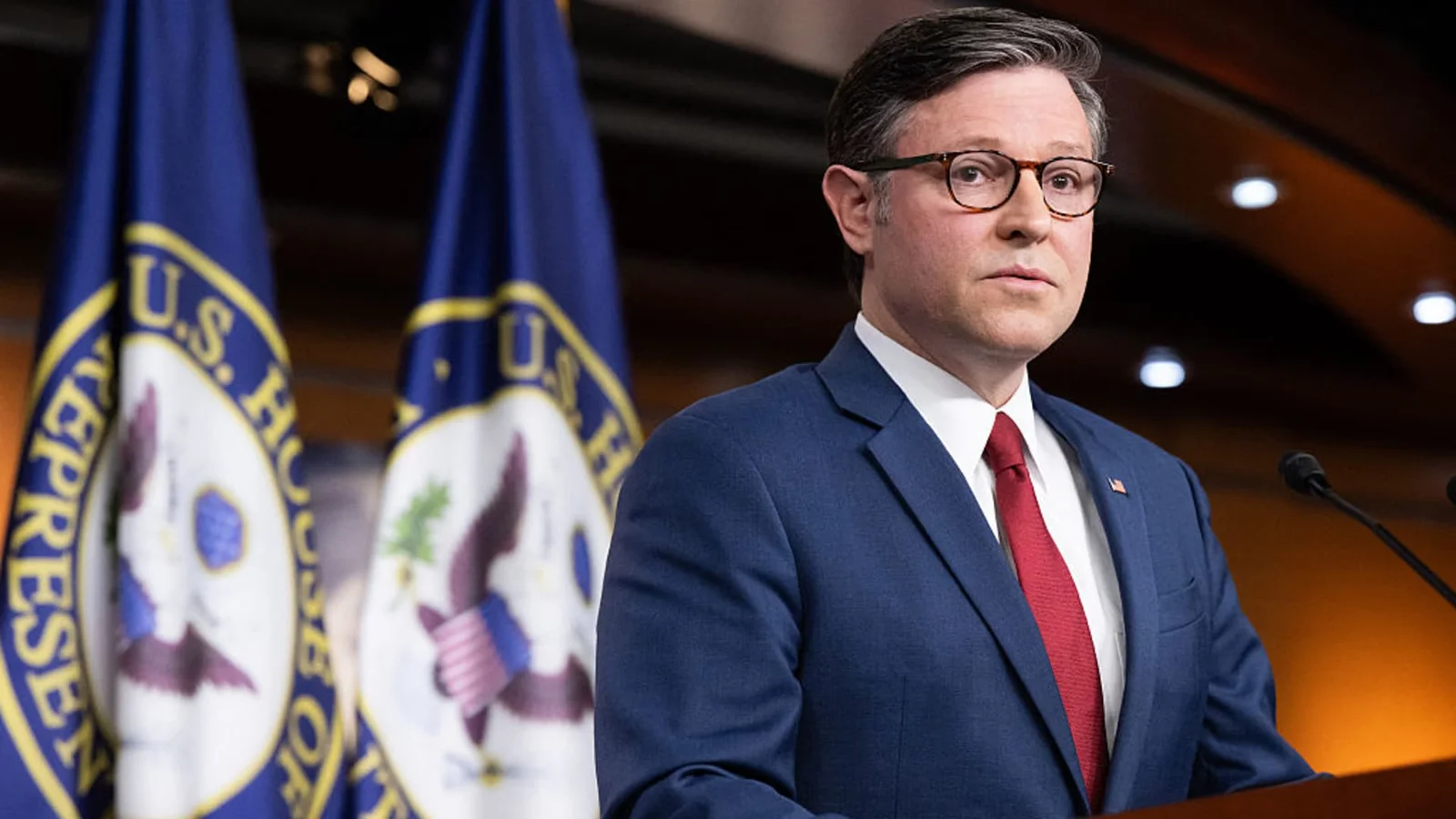
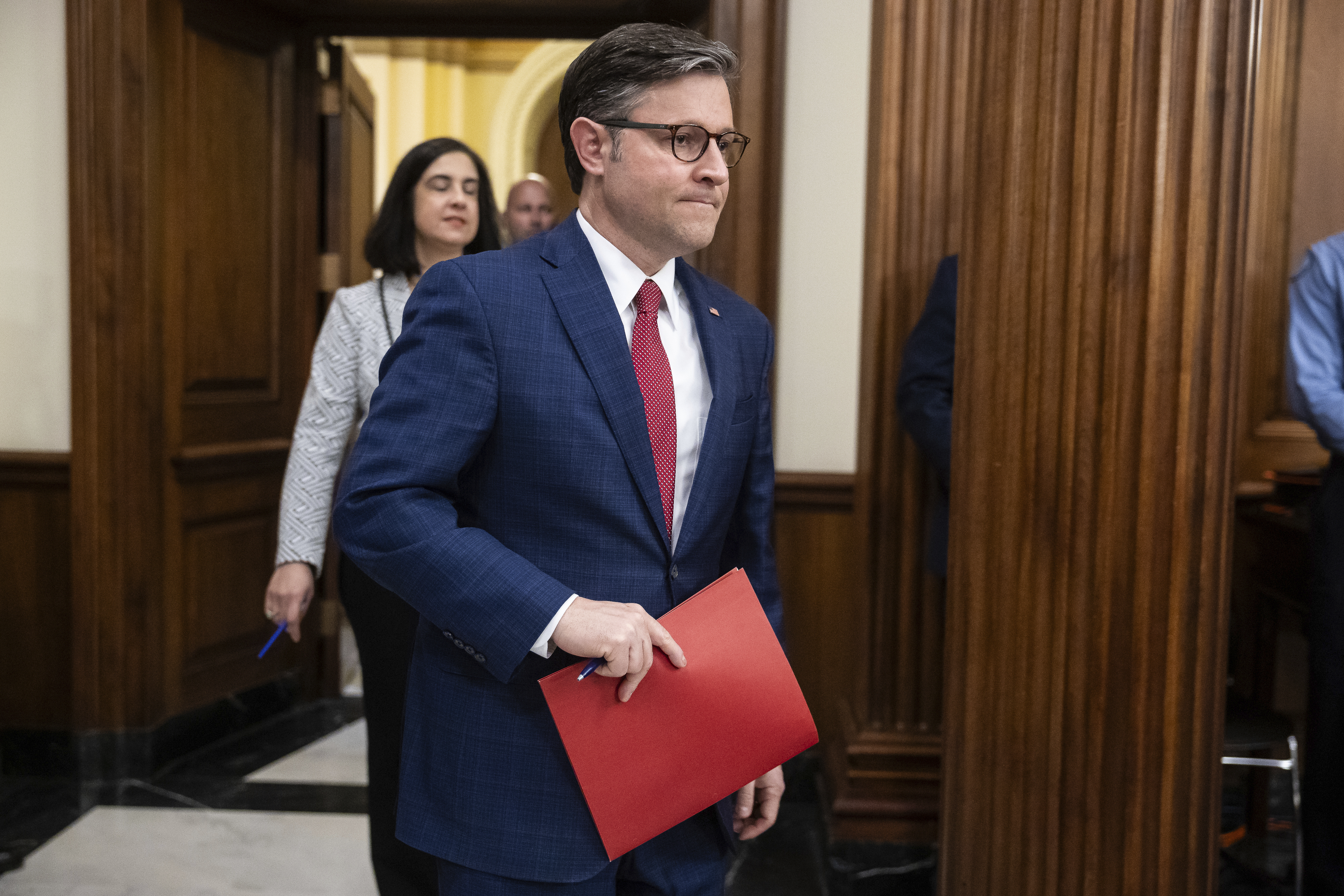
US House Speaker Mike Johnson announced that the House will vote soon on a Senate deal to end the longest government shutdown in history, which includes funding through January, federal employee pay, and provisions for food assistance, with votes expected this week after Senate approval.
The U.S. Senate is close to passing a funding deal that could end the government shutdown, funding the government through January and including provisions for ACA tax credits and federal worker protections, though some Democrats oppose it over health care issues.
Stock futures rose as the U.S. Senate neared a deal to end the 39-day government shutdown, which could reopen the government into January and include protections for federal workers. The market has been volatile due to concerns over valuations and the shutdown's economic impact, but optimism about a potential resolution has led to a risk-on rally. Key economic reports remain delayed, and investors are awaiting earnings reports from companies like Disney.
Senate leaders have reached a deal allowing Democrats to confirm several of President Biden's district court nominees, while dropping efforts to confirm four appellate nominees who faced tough odds. This agreement, criticized by liberal activists, comes as Republicans had been using procedural tactics to delay confirmations. The deal positions Biden to potentially surpass Trump's record for district court confirmations, though he won't match Trump's impact on the appellate bench. Demand Justice criticized the deal for giving Trump future opportunities to appoint judges.
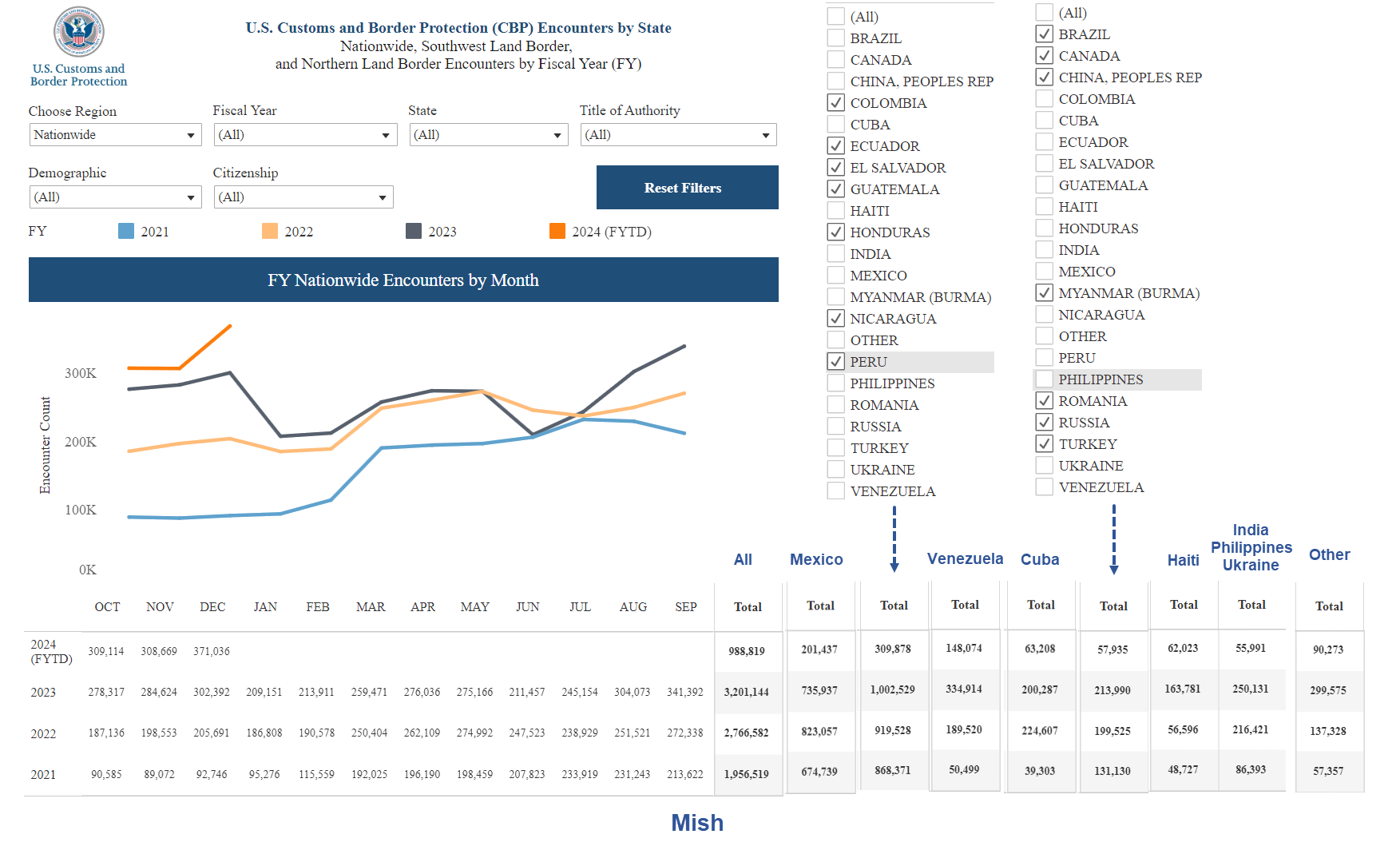
Senate Minority Leader Mitch McConnell has abandoned a controversial border deal, prompting urgent efforts to salvage aid for Ukraine after Republicans opposed the package. The deal's failure has left Democrats frustrated and GOP lawmakers unsatisfied with its border provisions. Meanwhile, the Biden administration's approach to the immigration crisis, including Vice President Kamala Harris's "root causes" strategy, has faced criticism, with concerns about the effectiveness of long-term solutions and the lack of action to address the border situation.
House Speaker Mike Johnson announced that the House will not rush to pass a Senate border-foreign aid deal and will instead focus on a stand-alone bill for Israel aid next week. Johnson's letter to House Republicans emphasized the need for the House to have a say in the negotiations and expressed skepticism about the Senate deal's swift consideration. House conservatives have raised concerns about the border reform efforts and are pushing for a clean, standalone Israel supplemental package.
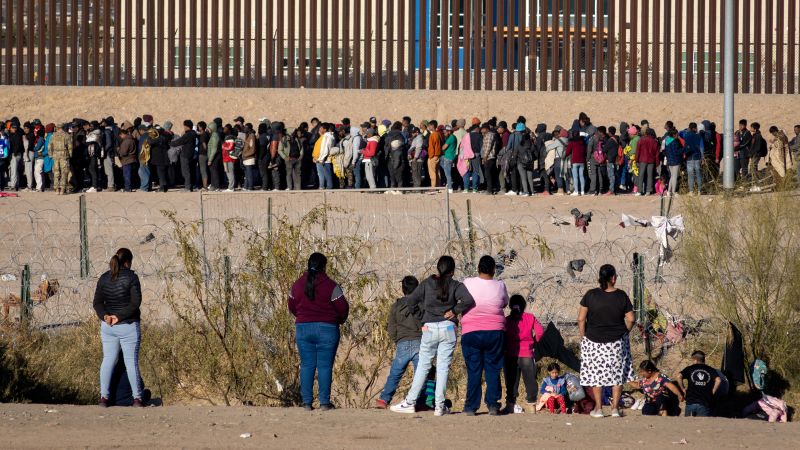
President Biden is embracing tougher border measures, including the potential shutdown of the US-Mexico border, in response to increasing migration, marking a shift from his earlier stance. This move is seen as an attempt to fend off attacks from former President Trump and Republicans on immigration policy ahead of the election. However, Biden's shift has sparked criticism from immigrant advocates and progressives, who argue that the proposed measures will cause chaos and human suffering. The ongoing negotiations in the Senate over a potential border deal have also raised frustrations and concerns among Democrats, with some warning of progressive backlash against the administration.
Key senators in the US have reached a deal to require the shutdown of the southern border with Mexico if illegal migrant crossings reach certain levels, as part of efforts to address the ongoing migrant surge. The deal also aims to expedite the asylum process and grant new emergency authority to the Department of Homeland Security to close the border in case of surges. The negotiations involve a bipartisan group of senators and are expected to be unveiled soon, with the goal of preventing overwhelming surges at the border.