Molecular biologist Beata Halassy successfully treated her aggressive breast cancer using a self-experiment with oncolytic viruses, a method not previously tested in this form. Her case has gained international attention, highlighting the potential of personalized cancer therapies. However, it raises ethical concerns about self-experimentation and the need for systematic clinical trials. Halassy's experience underscores the importance of early intervention and personalized approaches in cancer treatment, though experts caution against drawing broad conclusions from individual cases.
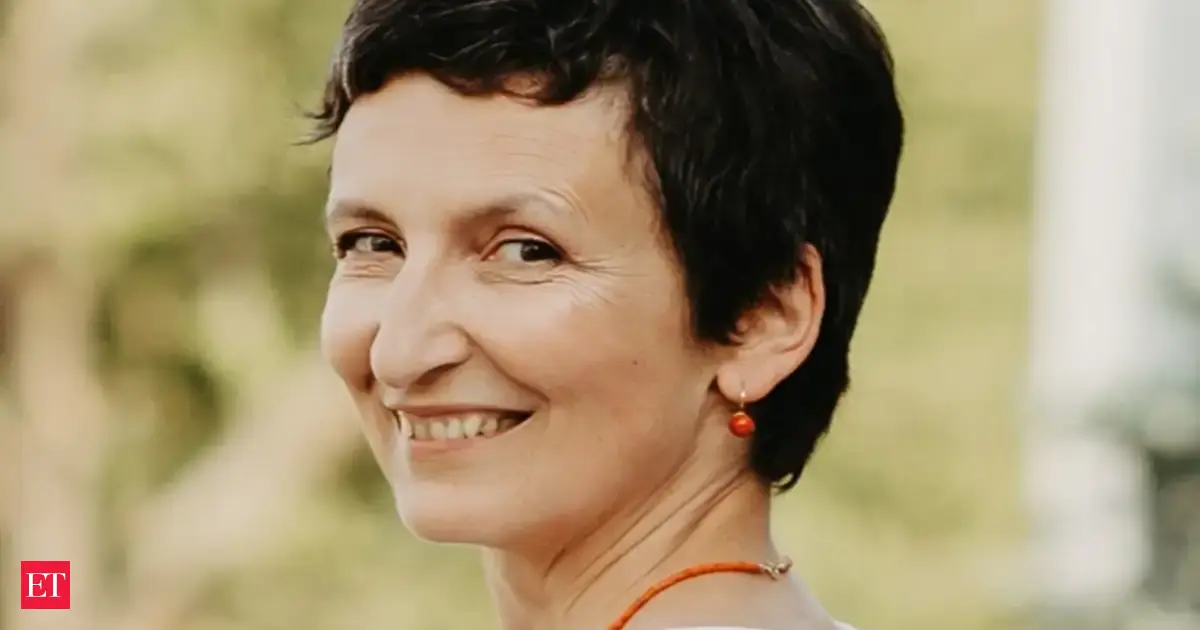
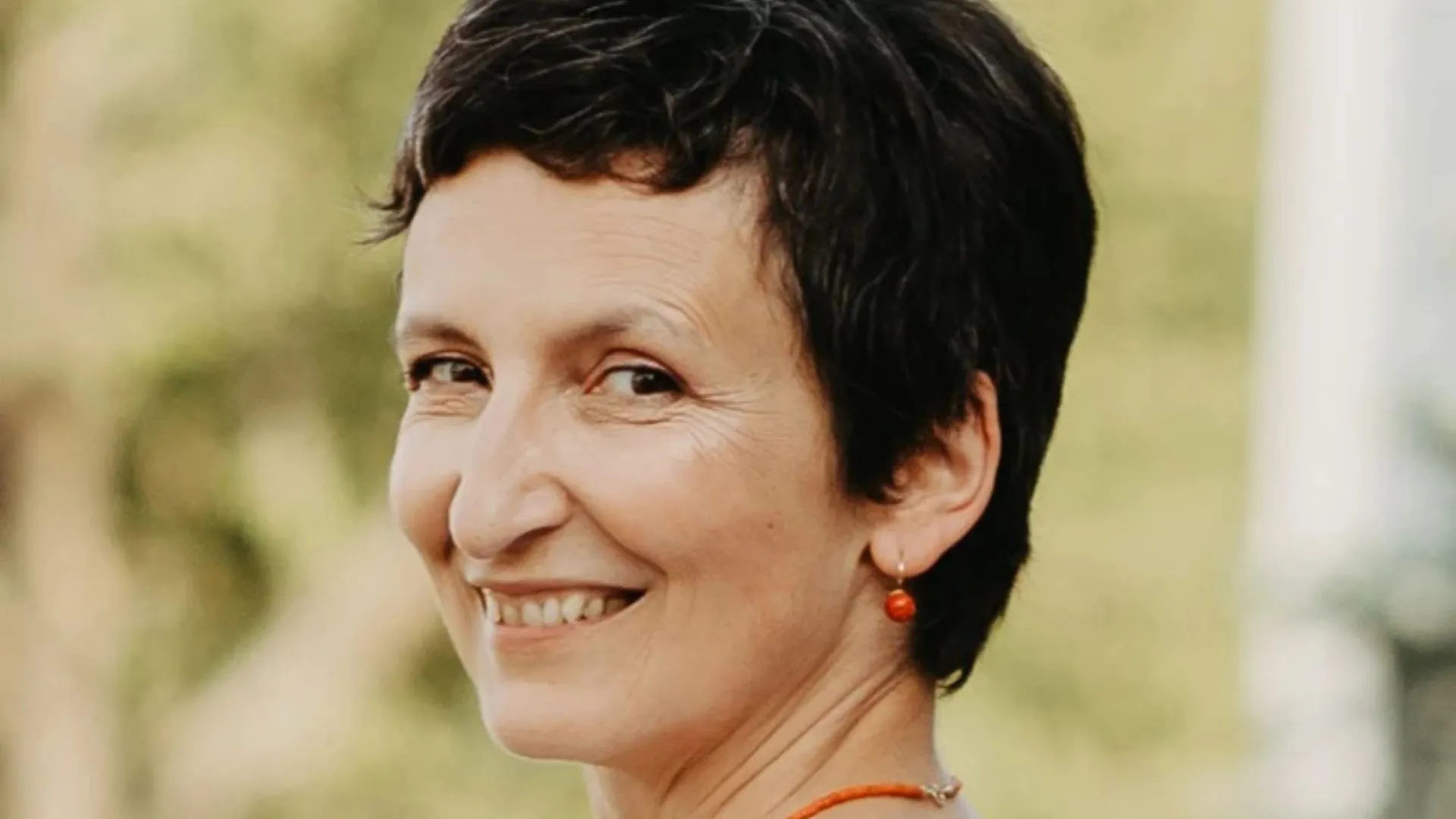
Beata Halassy, a virologist from the University of Zagreb, successfully treated her recurring breast cancer by experimenting on herself with virus-based therapies, which are being researched globally as alternatives to conventional treatments like chemotherapy.
Croatian virologist Beata Halassy successfully treated her own breast cancer using lab-grown viruses, avoiding chemotherapy. Her self-administered oncolytic virotherapy, involving measles and vesicular stomatitis viruses, led to a significant tumor reduction and a four-year cancer-free period. While her case highlights the potential of oncolytic virotherapy, it raises ethical concerns about self-experimentation and the risk of encouraging unproven treatments. Despite initial journal rejections due to ethical issues, Halassy published her findings to contribute to scientific knowledge.
Beata Halassy, a virologist, successfully treated her stage 3 breast cancer using lab-grown viruses, sparking an ethical debate over self-experimentation. Her approach, known as oncolytic virotherapy, involved injecting her tumor with a measles virus and a vesicular stomatitis virus. While Halassy has been cancer-free for four years, experts caution against emulating her method due to ethical concerns and the potential for patients to bypass traditional treatments. Despite initial publication rejections, Halassy's case report was eventually published, highlighting the complex ethics of self-experimentation in medical research.
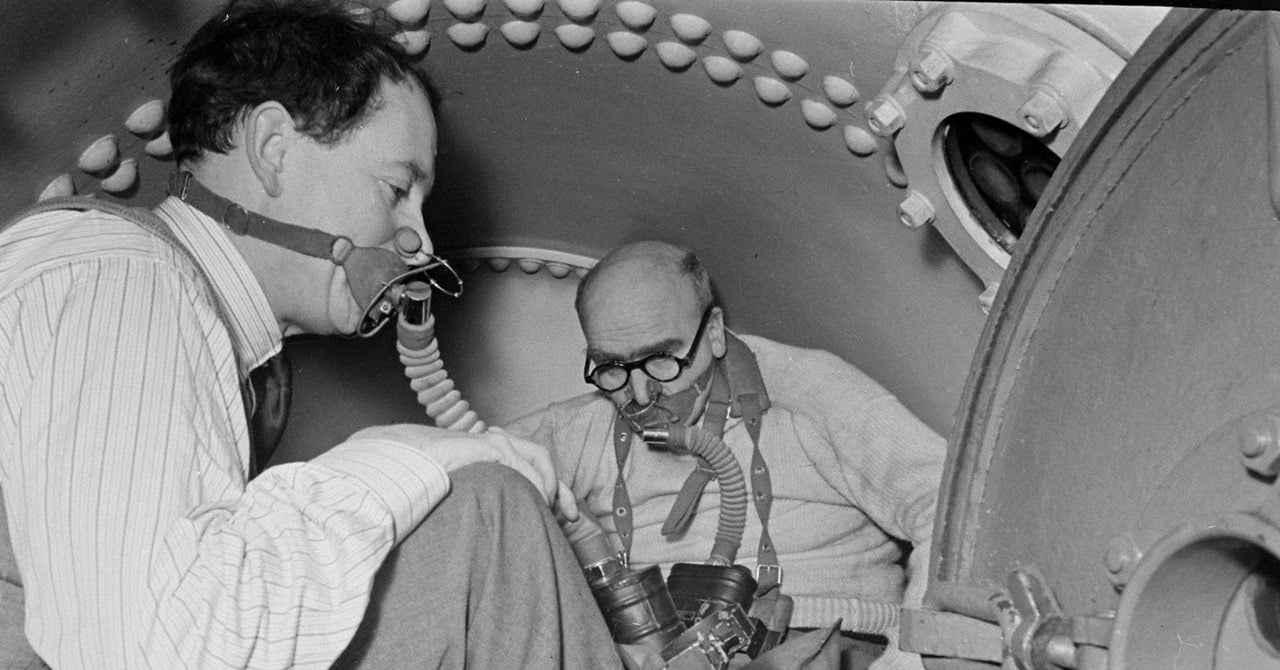
During World War II, a group of scientists conducted extreme self-experiments to develop crucial diving research that helped the Allies win the war. Led by Professor John Burdon Sanderson Haldane and Dr. Helen Spurway, the scientists tested the effects of pressure and oxygen on their own bodies in hyperbaric chambers, leading to groundbreaking discoveries in underwater survival. Their work enabled Allied divers to safely scout and clear the waters off the coast of Normandy for the D-Day invasion, ultimately contributing to the success of the mission and the defeat of Hitler.