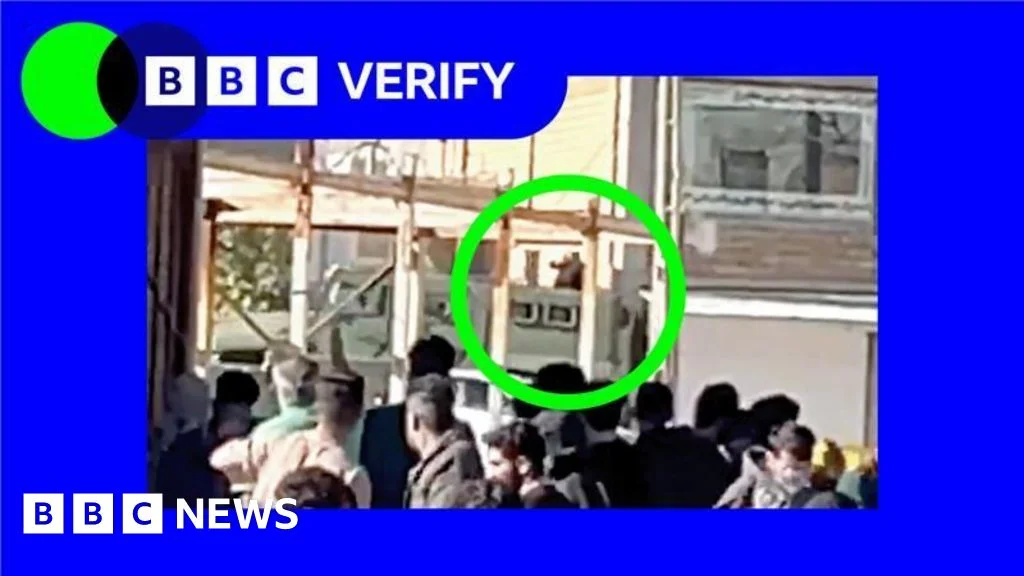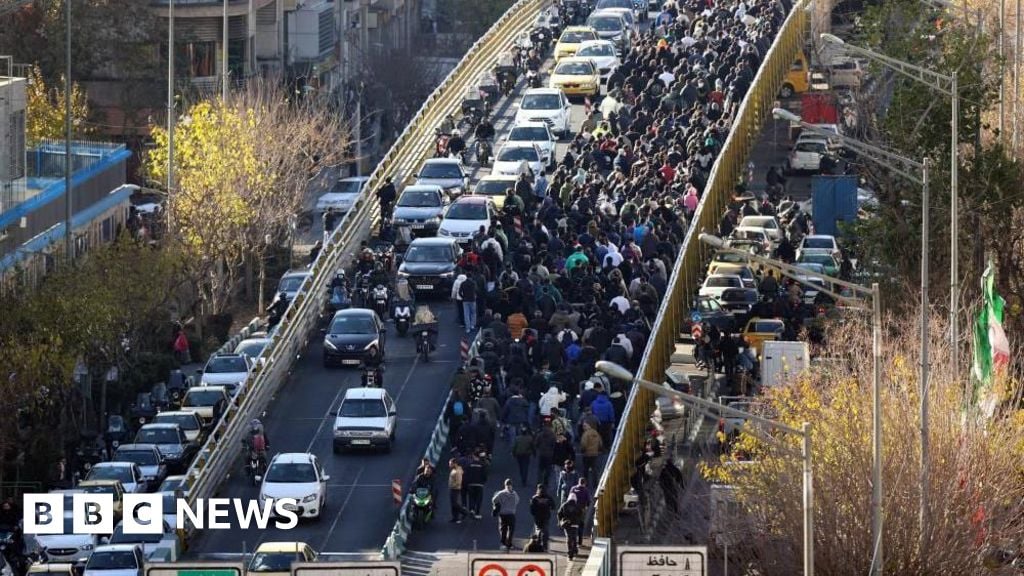
At least 35 people have been killed during protests across Iran over the past 10 days, sparked by economic hardship and currency devaluation, with widespread unrest and violent crackdowns reported by human rights groups, amid calls for peaceful protest and international concern.
Protests over Iran's soaring living costs have led to clashes between protesters and security forces, resulting in at least two deaths in Lordegan, amid broader unrest across the country calling for political change and economic reform.
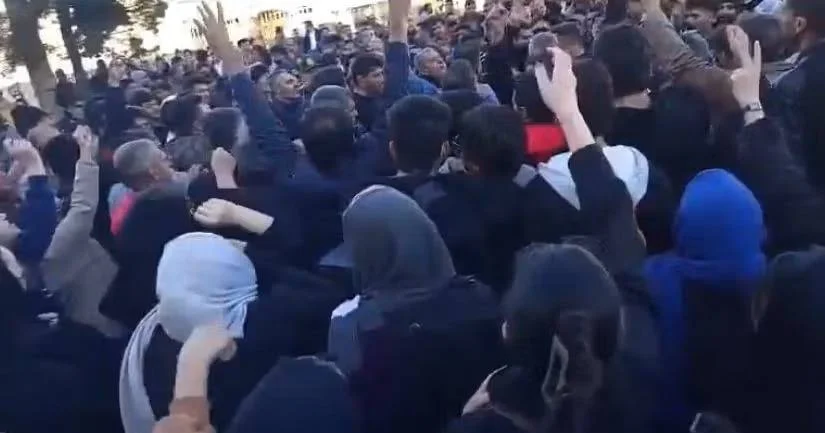
Iran is experiencing its fourth consecutive day of nationwide protests with demonstrations spreading across multiple cities, calls for regime change growing, and a harsh response from security forces, amid economic hardship and political unrest. International figures express support for protesters, while the government offers limited concessions and recognizes the right to protest, amidst warnings from security agencies and hardline factions. The protests are fueled by economic struggles, political dissatisfaction, and calls for accountability, with some protests turning confrontational and authorities deploying force.
Protests in Iran continue to spread across multiple provinces with security forces using live fire and water cannons to suppress demonstrators, especially targeting universities. Meanwhile, Iran's leadership makes significant military appointments amidst ongoing internal security challenges, and reports suggest a missile launch near Ilam. In Syria, negotiations are ongoing for SDF integration into the Syrian government, with Turkey supporting the process, while the UAE withdraws from Yemen. The regime's actions highlight escalating unrest and strategic military restructuring.
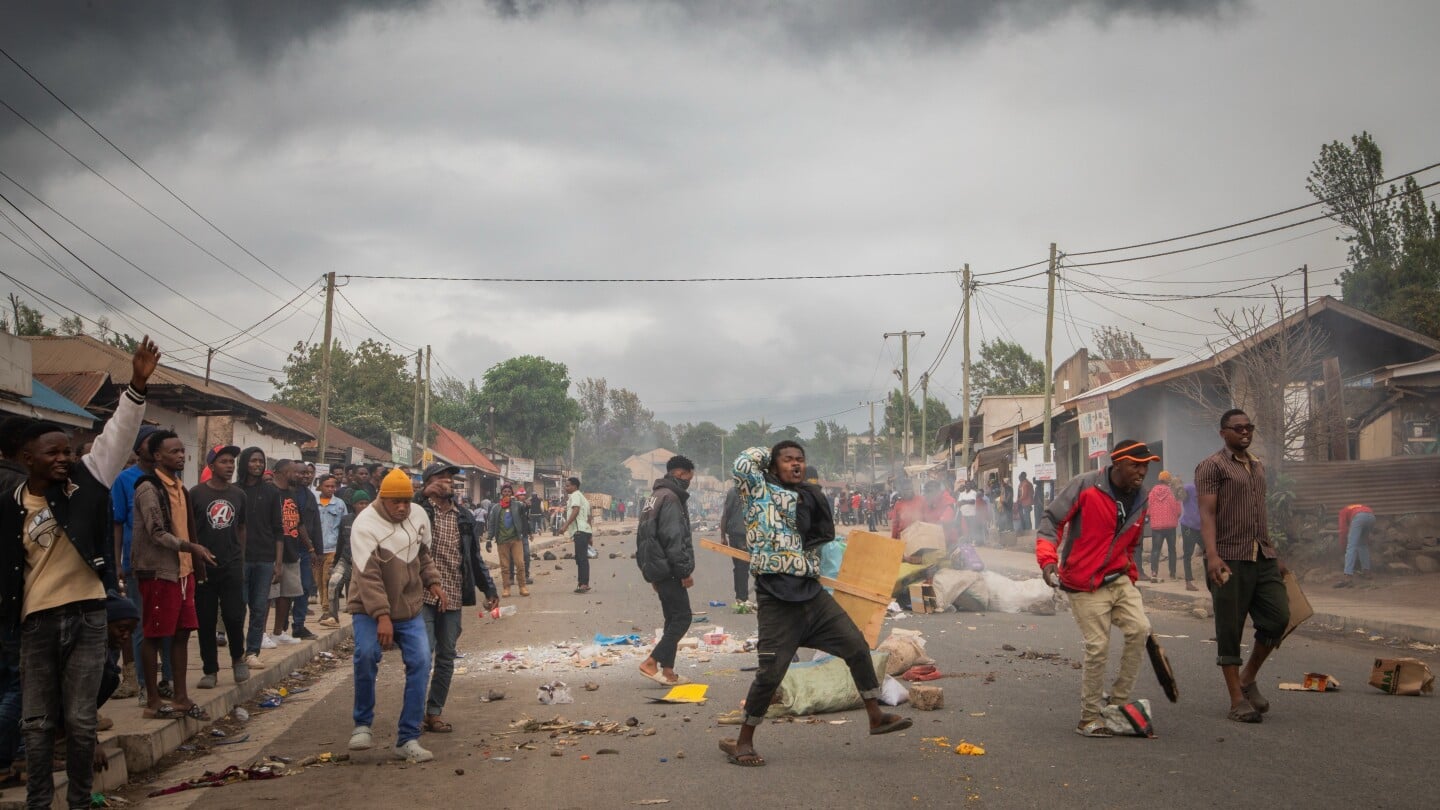
Following Tanzania's recent election, opposition parties allege security forces are secretly dumping bodies of hundreds killed during protests, with reports of over 1,000 deaths and a crackdown on dissent, raising concerns about election credibility and human rights violations.
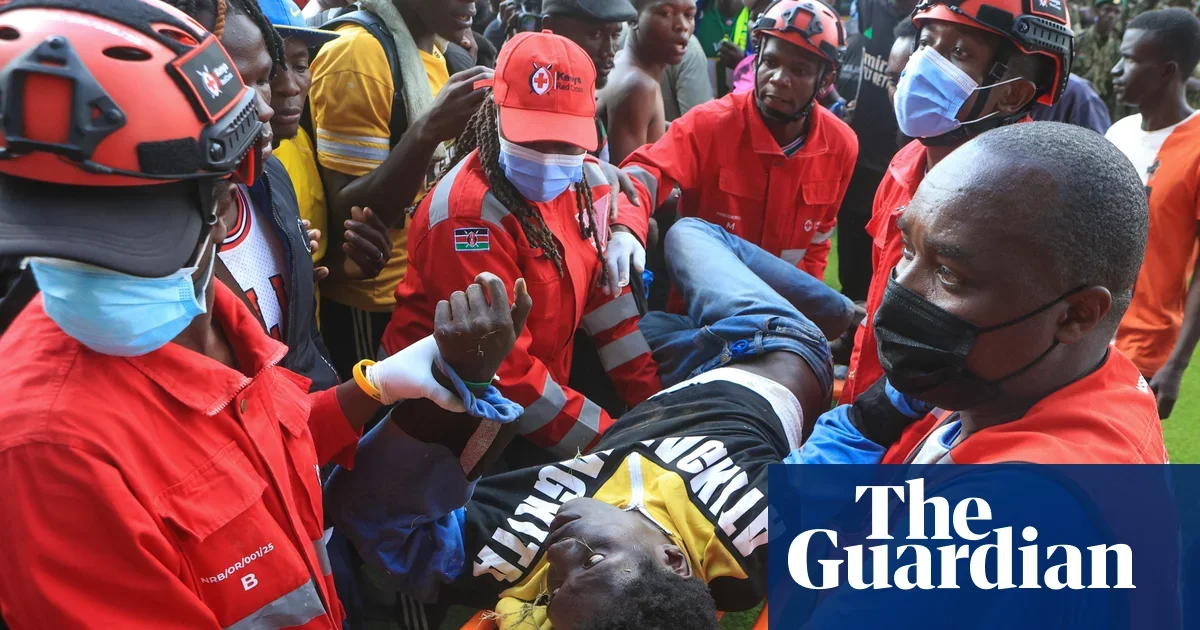
Four people were killed and many injured in Nairobi when security forces fired on crowds mourning the death of opposition leader Raila Odinga, who passed away in India at age 80, leading to chaos at his public viewing and disruptions at key locations like the airport and parliament.
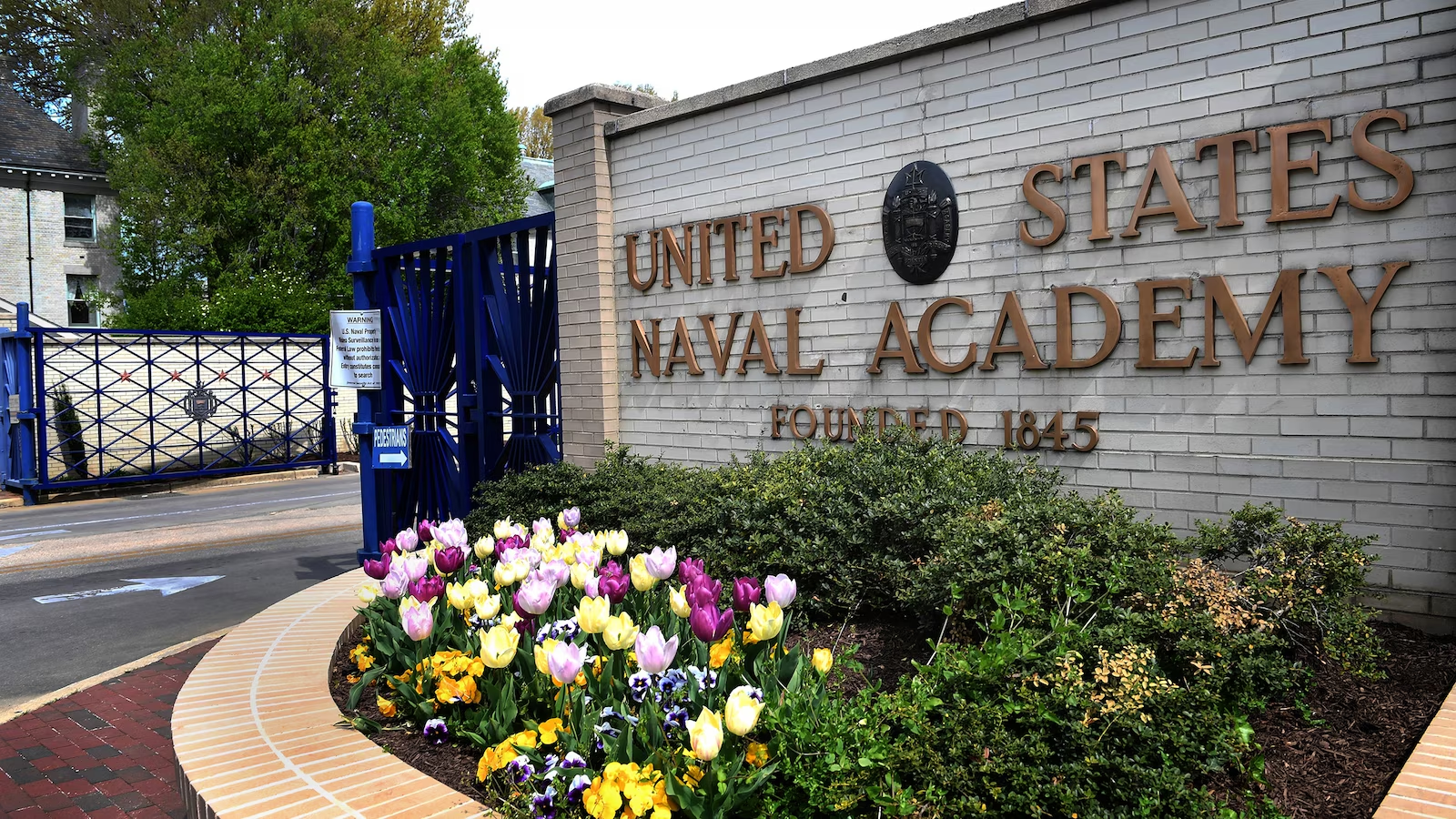
A midshipman at the U.S. Naval Academy in Annapolis was shot by security forces during a campus lockdown while responding to reports of suspicious activity; the midshipman is in stable condition, and there is no active threat.
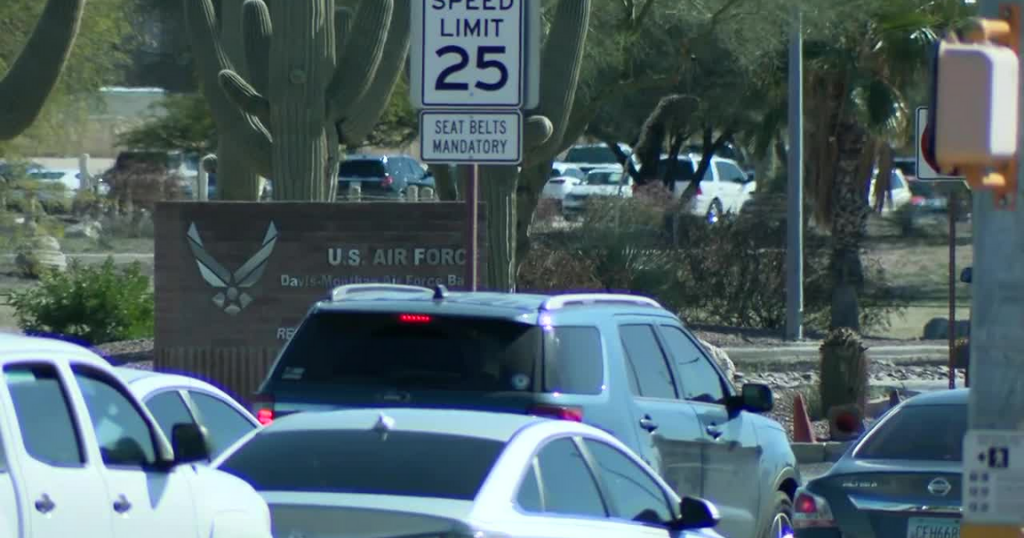
A civilian attempting to illegally enter Davis-Monthan Air Force Base was shot and killed after crashing into a security barrier and reversing his vehicle when confronted by security forces. The incident is under investigation, and officials confirmed that the security personnel acted in accordance with protocol.
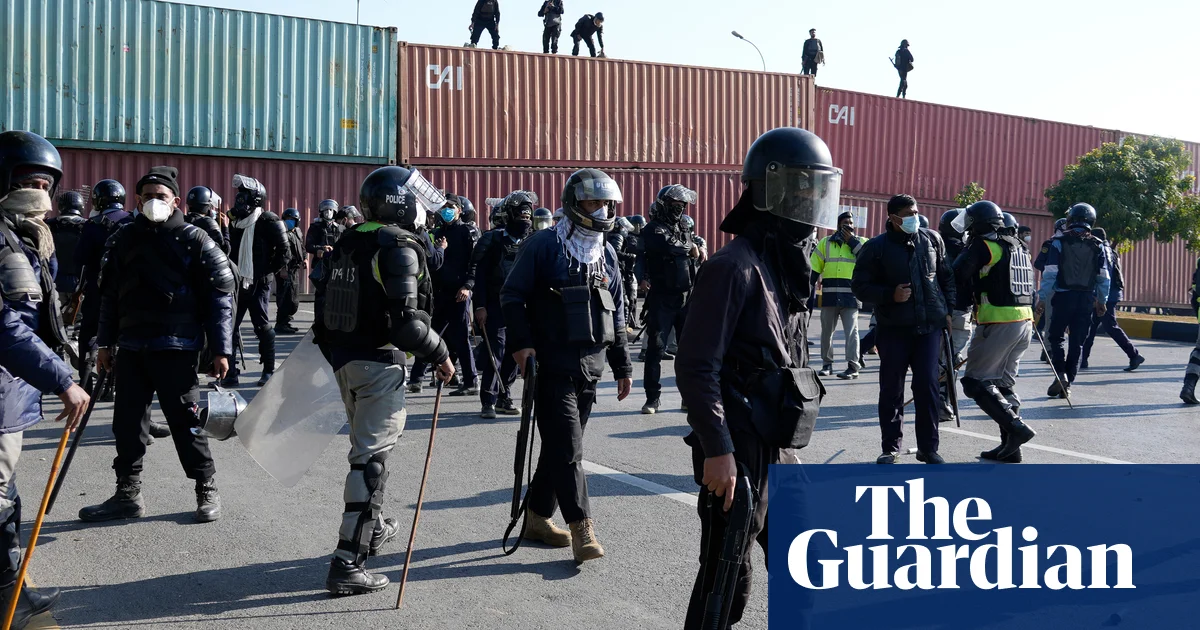
In Pakistan, clashes between supporters of jailed former Prime Minister Imran Khan and security forces have resulted in at least five deaths and dozens of injuries. Khan's supporters, led by his wife and a key aide, broke through security barriers in Islamabad, demanding his release. The government, led by Prime Minister Shehbaz Sharif, responded with a heavy security presence, including roadblocks and the use of rubber bullets and teargas. The protest is part of ongoing demonstrations by Khan's party, PTI, which claims he is a political prisoner facing trumped-up charges.
Armed and hooded Venezuelan security forces have surrounded the Argentine embassy in Caracas, where six opposition members are taking refuge amid a crackdown by authorities ahead of the presidential elections. Opposition leader Edmundo Gonzalez, recognized by the US as the election winner, warned of the siege on social media. This incident follows similar actions by Venezuelan forces in September. CNN is awaiting comments from Venezuelan authorities.
Hamas-linked security forces in Gaza have intensified a crackdown on aid theft and black market profiteering by shooting suspected profiteers in the legs. This violent response comes amid a severe shortage of aid and skyrocketing prices in the enclave, exacerbated by Israeli military actions that have dismantled local law enforcement. Despite efforts to impose price caps and regulate goods, the crisis persists, with many goods sold at inflated prices. The reactivation of a special operations unit, "Sehem," aims to curb the rampant theft and profiteering.
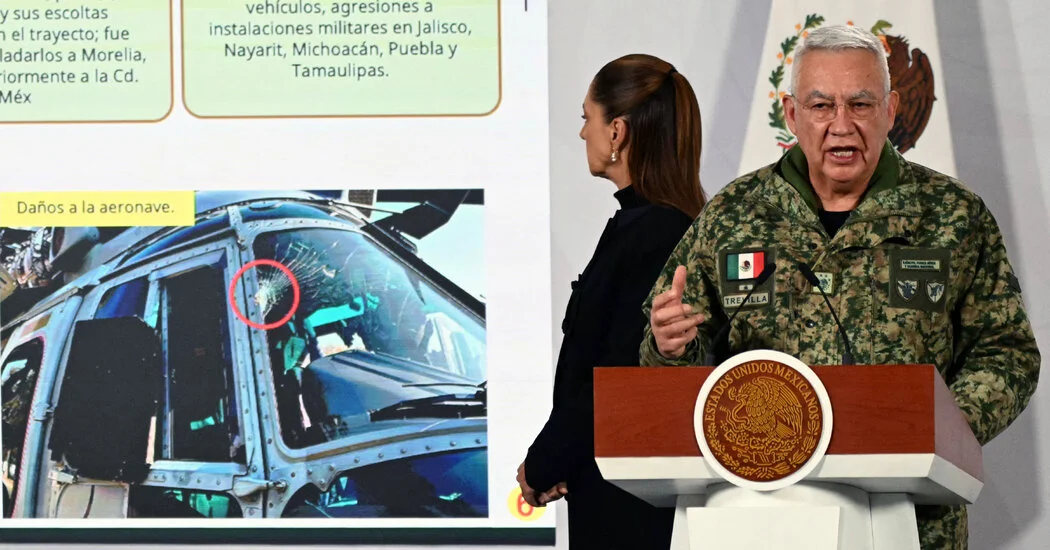
Mexican authorities have arrested Germán Reyes, the security chief of Chilpancingo, for his alleged involvement in the beheading of Mayor Alejandro Arcos, whose murder has highlighted the influence of criminal gangs in Guerrero. Reyes, a former army captain, denies the charges, claiming he is being scapegoated. The murder is believed to be linked to the criminal gang Los Ardillos, which is vying for control over local security forces. The federal government has deployed thousands of troops to Guerrero to address the escalating violence, posing a significant challenge for President Claudia Sheinbaum's administration.
Israeli police briefly detained two French gendarmes at a French-owned church compound in Jerusalem, leading French Foreign Minister Jean-Noel Barrot to cancel his visit and prompting France to summon Israel's ambassador. The incident occurred after the gendarmes, not in uniform, allegedly obstructed Israeli security personnel. France criticized the police action as "unacceptable," emphasizing the historical and diplomatic significance of the site. Israel's foreign ministry stated that security protocols had been clarified in advance.
Tensions between France and Israel have escalated after Israeli security forces entered a French-administered church compound in Jerusalem, leading to the brief arrest of two French officials. The incident occurred during a visit by French Foreign Minister Jean-Noel Barrot, who refused to enter the site due to the presence of Israeli forces. This event adds to the strained relations between the two countries, exacerbated by France's calls for Israel to cease military operations and focus on diplomacy.
Indian security forces killed at least 29 Maoist rebels in a gunbattle in Chhattisgarh, days before the start of elections, as part of the ongoing struggle between the government and Maoists in central and eastern India. The clash occurred in Kanker district, with the rebels aiming to give poor Indian farmers and laborers more control over their land and its minerals. The government has vowed to eliminate insurgency from the state within three years if re-elected.