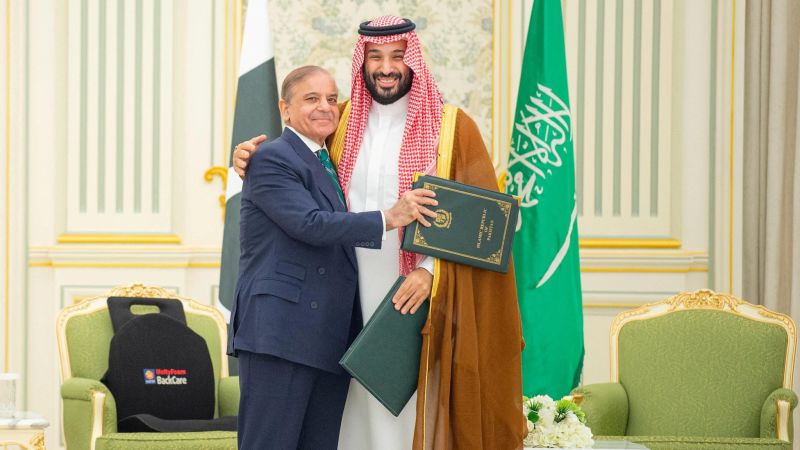
Saudi Arabia and Pakistan signed a mutual defense pact amid regional tensions and Gulf Arab states' concerns over US security guarantees, strengthening their security partnership and potentially shifting regional strategic dynamics.
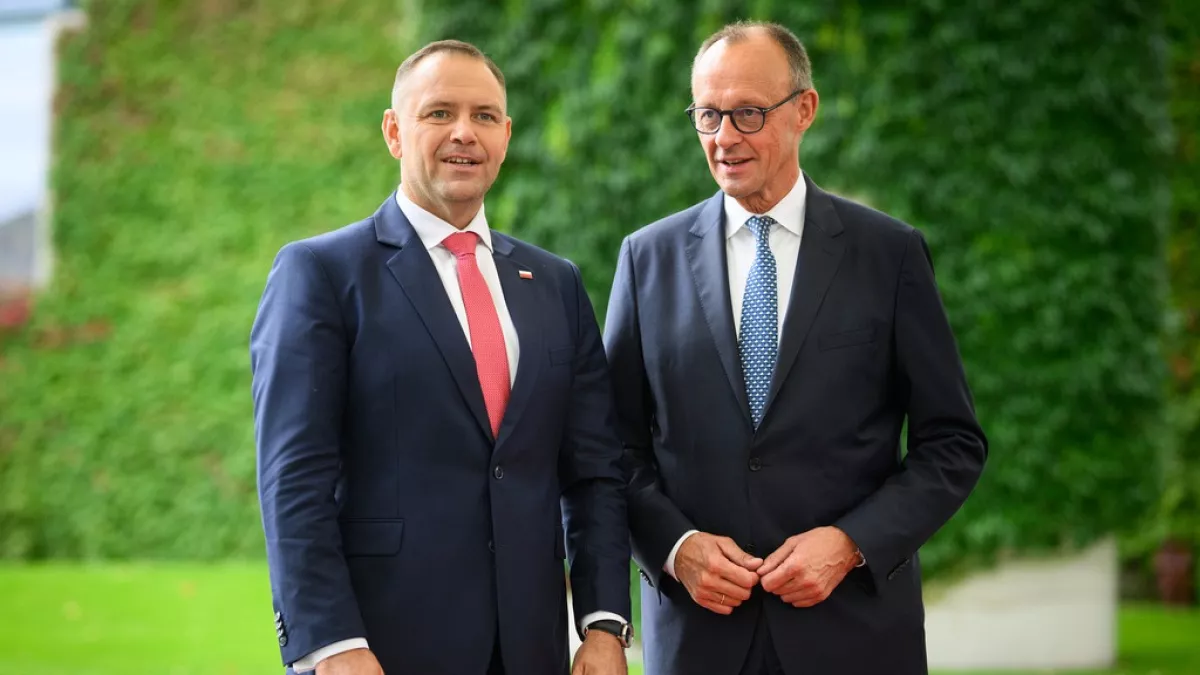
Polish President Karol Nawrocki's visit to Germany highlights ongoing tensions over WWII reparations, with Poland demanding compensation and Germany emphasizing historical and legal complexities. Despite disagreements, both nations are exploring enhanced security and economic cooperation, especially in response to regional threats like Russian aggression, while efforts to address historical grievances through cultural and memorial initiatives are also discussed.
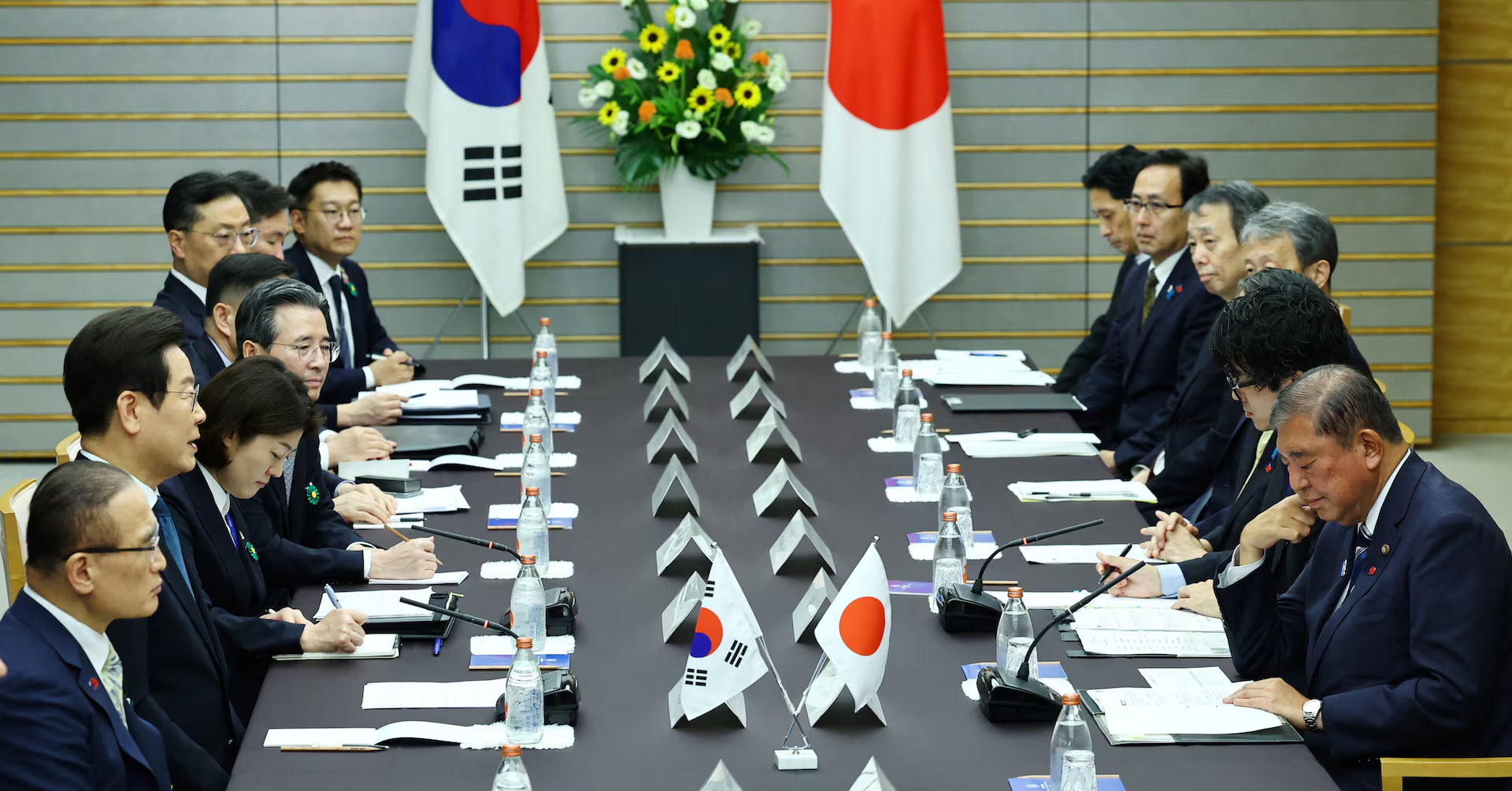
South Korea's President Lee Jae Myung and Japan's Prime Minister Shigeru Ishiba agreed to strengthen security and economic ties, including trilateral cooperation with the US, amid regional threats from North Korea and China, ahead of Lee's meeting with US President Trump.
The leaders of Japan, South Korea, and the United States have issued a joint statement reaffirming their commitment to promoting security, democracy, and prosperity in the Indo-Pacific region. They announced the establishment of a Trilateral Secretariat to coordinate their efforts and highlighted their expanding security cooperation, including joint military exercises and data sharing on North Korean missile launches. The statement condemned North Korea's military cooperation with Russia and reiterated support for Ukraine. The countries also emphasized economic collaboration, technology security, and humanitarian assistance, while promoting people-to-people ties and youth leadership initiatives.
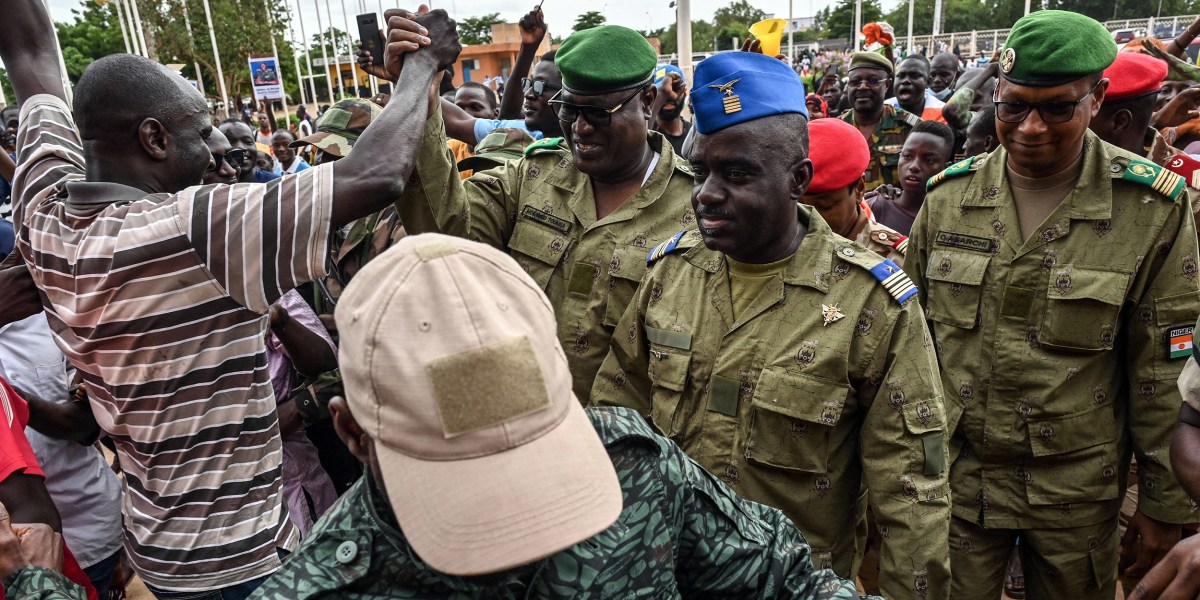
The United States has agreed to withdraw its troops from Niger, following the country's request, marking the end of a military presence that totaled more than 1,000 and raising questions about the status of a $110 million U.S. air base. The decision comes after a military coup last year and strained negotiations with the U.S. over security cooperation. The move will significantly impact Washington's counterterrorism posture in the region, as Niger has seen a spike in Islamist extremist attacks. Despite the setback, U.S. officials hope to stabilize and deepen the partnership with Niger in other sectors.
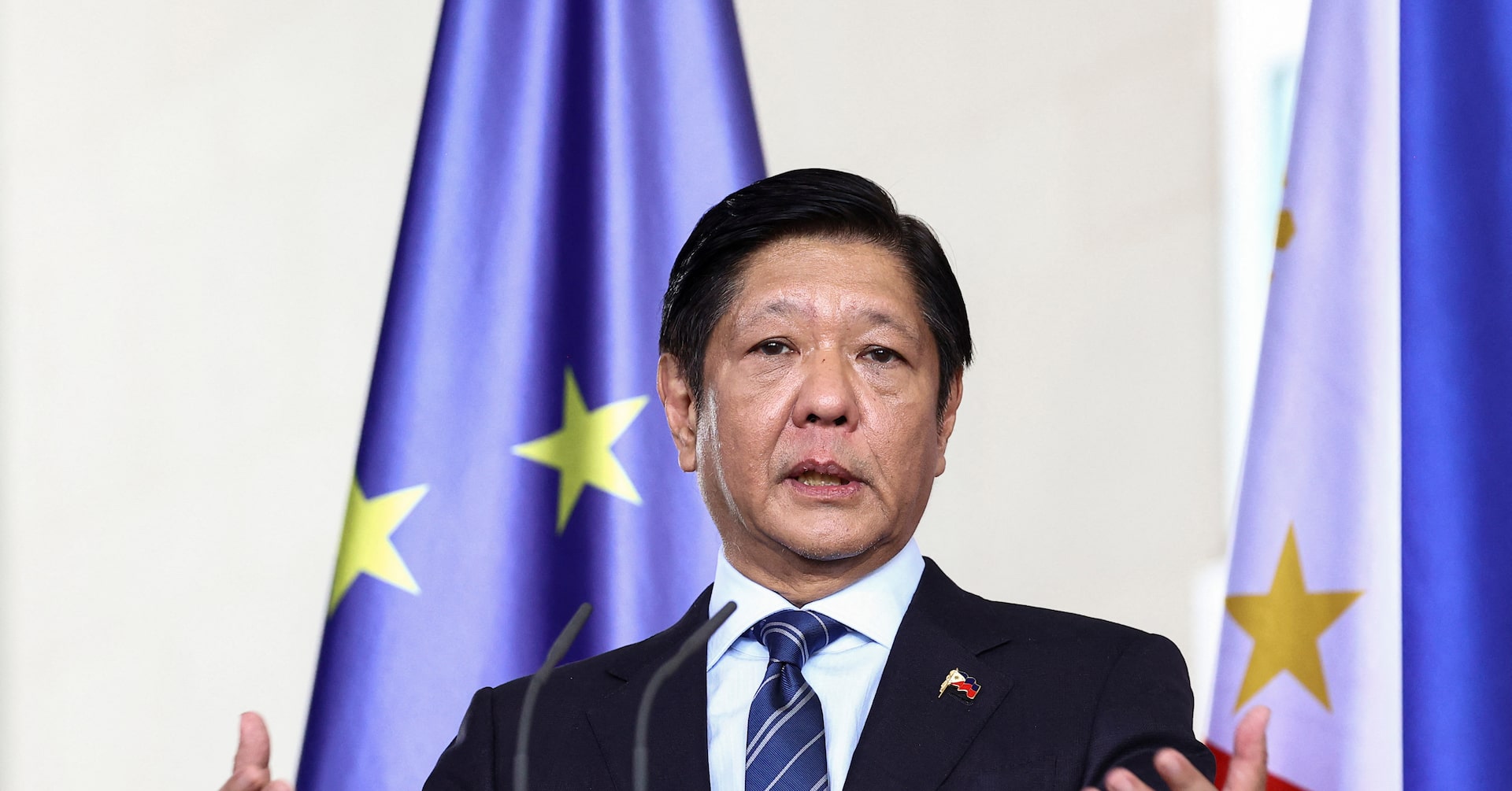
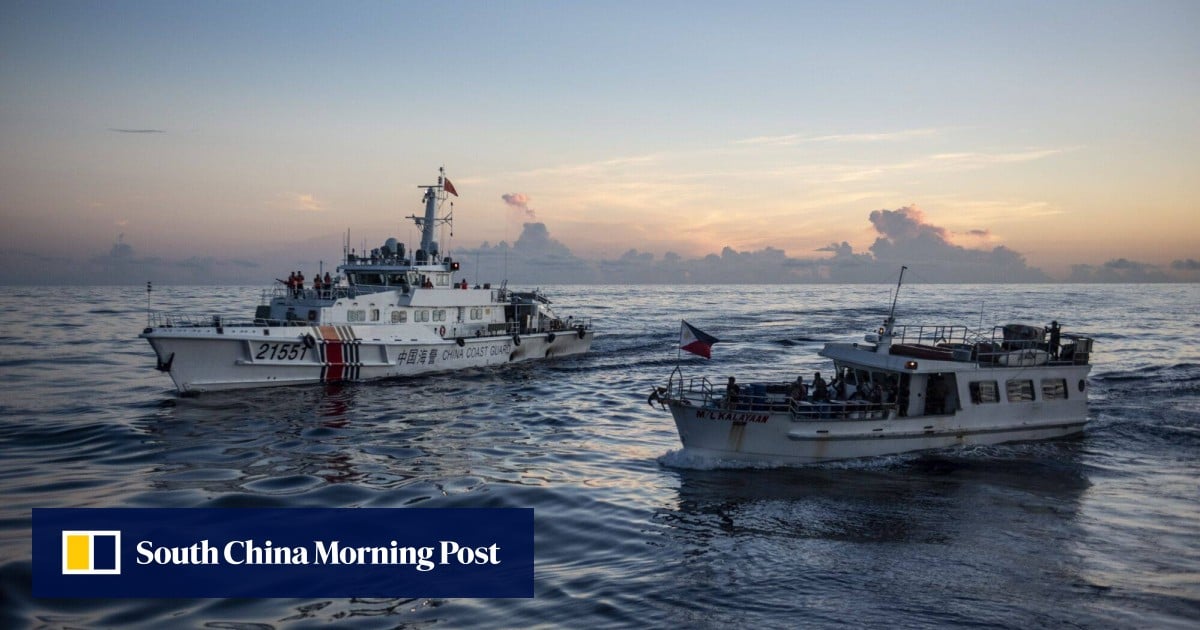
Philippine President Ferdinand Marcos Jr. announced that the upcoming trilateral summit with the U.S. and Japan will focus on maintaining security and freedom of navigation in the South China Sea, while also aiming to strengthen economic ties. The summit will cover areas such as infrastructure, semiconductors, cyber security, critical minerals, renewable energy, and defense and maritime cooperation. Marcos emphasized the importance of peace and freedom of navigation in the South China Sea, as the Philippines deepens military ties with the U.S. and Japan amid escalating maritime tensions with China. Additionally, Marcos denied the existence of a reported "gentleman's agreement" with Beijing regarding the Second Thomas Shoal, expressing concern over compromising the Philippines' territory and sovereignty.
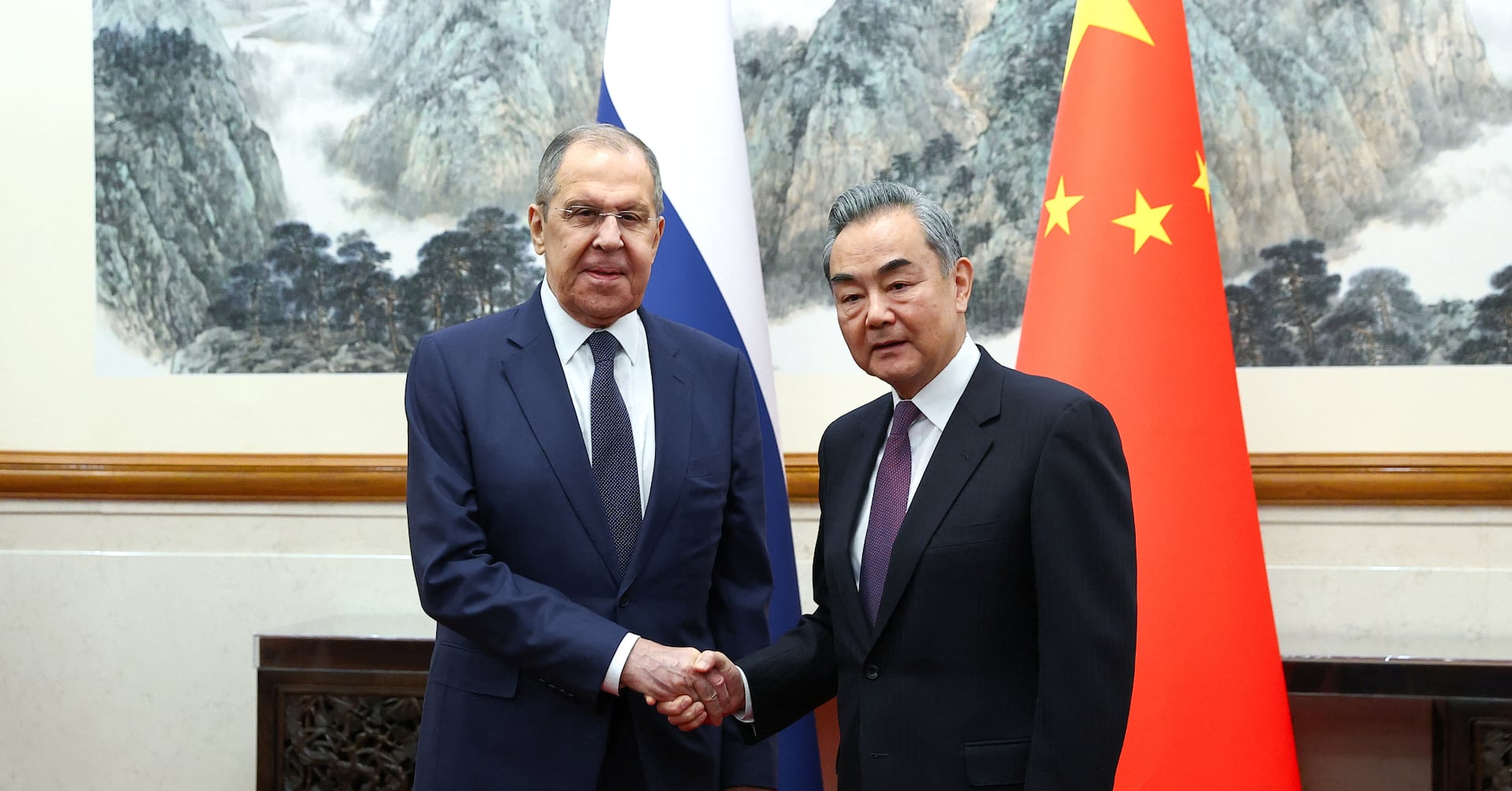
Russian Foreign Minister Sergei Lavrov announced that Russia and China will deepen security cooperation to counter US influence in Europe and Asia, following talks in Beijing. Lavrov also stated that Russia will seek a UN assessment of Ukrainian drone attacks, while China supports a conference on Ukraine recognized by both Moscow and Kyiv. The two countries aim to oppose "hegemonism" and "small circle" bloc confrontation, with China emphasizing that NATO should not extend its influence to their common homeland. The strengthening of trade and military ties between Russia and China has been evident, with China becoming Russia's top crude supplier despite Western sanctions.
Iran alerted Russia to a possible terrorist attack on its soil before the deadly concert hall massacre near Moscow, sharing information gained from suspects linked to a previous attack in Iran. The United States also warned Russia of a likely militant Islamist attack, with both countries pointing to ISIS-K as the perpetrator. The attacks in Iran and near Moscow involved Tajik nationals, and Iran discussed its security concerns with Tajikistan, as ISIS-K has aggressively recruited from the impoverished former Soviet republic.
The ruling junta in Niger has revoked the security pact with the United States, ending the long-standing counterterrorism partnership and kicking out U.S. troops and a drone base. This decision follows a series of failed diplomatic efforts by U.S. officials to maintain the mission in Niger after a July 2023 coup. The U.S. has invested significant resources in Niger, but the junta's move reflects growing dissatisfaction with the security cooperation and a desire for more favorable terms free of perceived paternalism and neocolonialism.
A Chinese maritime expert has warned that the Philippines' "unprecedented" security cooperation with the US risks not only its ties with China but also its own interests. The expert cautioned that if the US-Philippine alliance infringes on China's core interests, such as Taiwan and the South China Sea, it could undermine the peace and stability of the region and the Philippines' own interests. The expert also suggested setting aside the ruling from The Hague tribunal and resuming the hotline between the coastguards of both countries to manage disputes effectively.
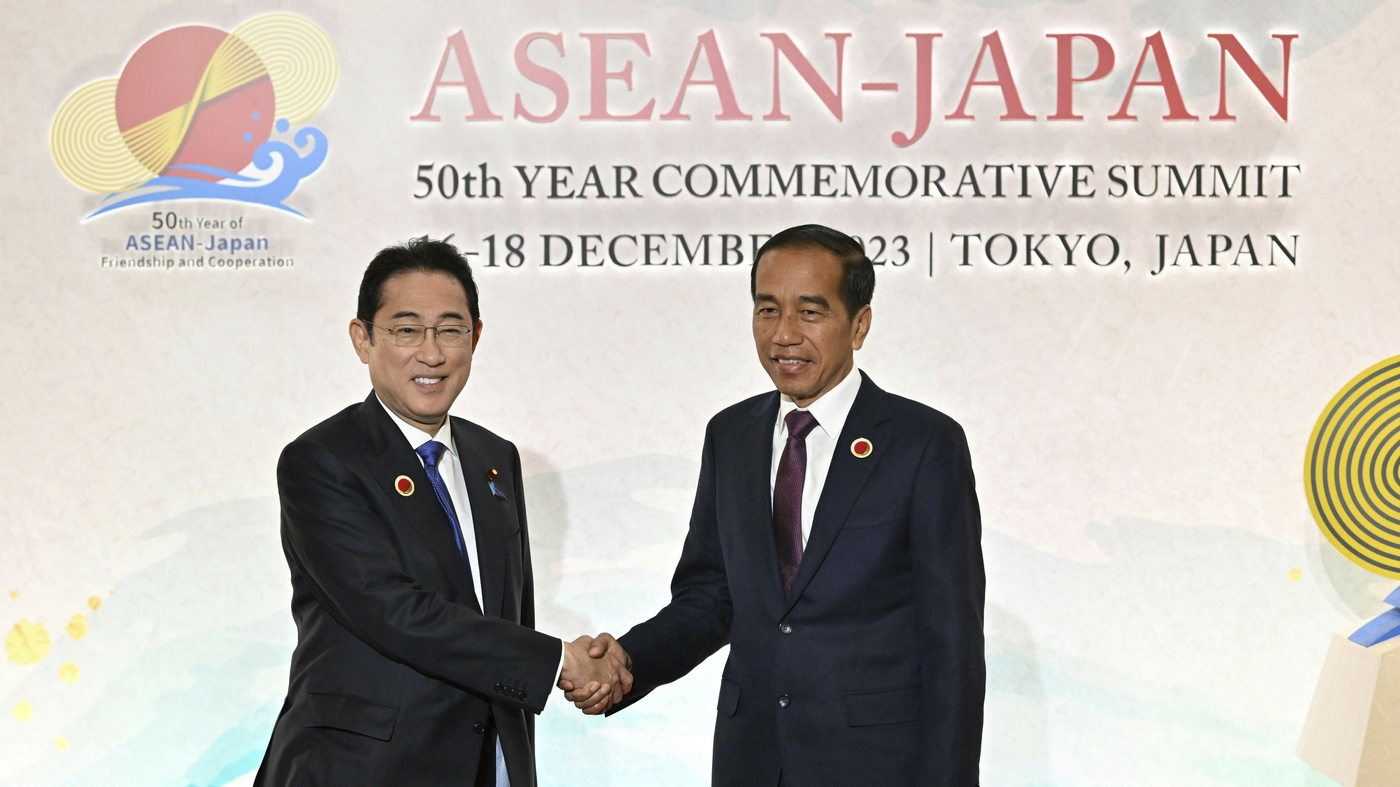
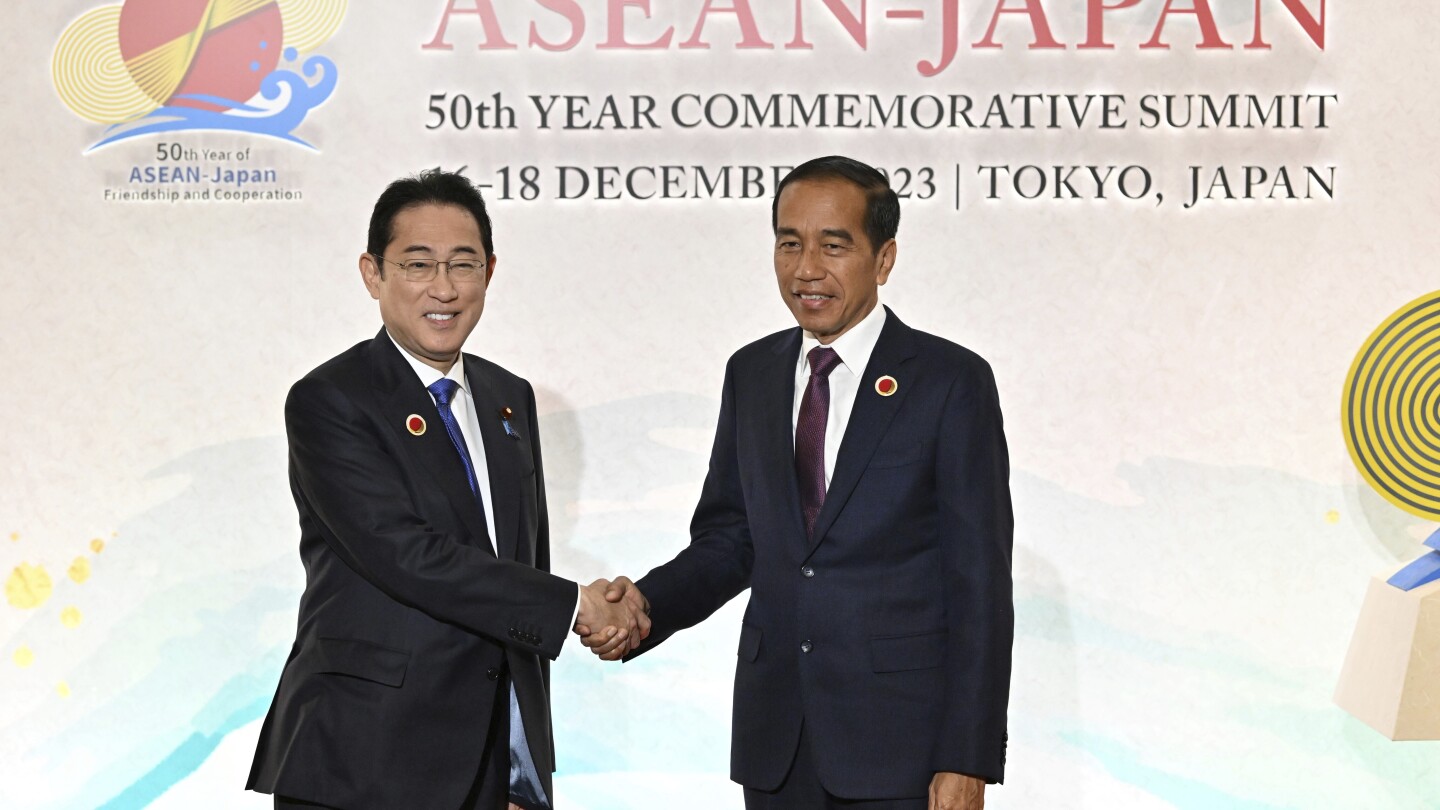
Japan and the Association of Southeast Asian Nations (ASEAN) have strengthened their security ties at a special summit in Tokyo, adopting a joint vision that emphasizes security and economic cooperation while respecting the rule of law. The leaders called for a rules-based Indo-Pacific region that is free and open, and stressed the importance of upholding international law. Japan has been rapidly building up its military and expanding its military partnerships to counter China's growing assertiveness in the region. Japan also signed bilateral agreements with Malaysia and Indonesia to bolster their maritime security capabilities. However, ASEAN countries are not in lockstep in their stance toward China, with many having strong ties and being reluctant to choose sides.
Japan and the Association of Southeast Asian Nations (ASEAN) have strengthened their ties at a special summit, adopting a joint vision that emphasizes security and economic cooperation while respecting the rule of law. The leaders called for a rules-based Indo-Pacific region that is free and open, stressing respect for sovereignty and territorial integrity. Japan has been rapidly building up its military and expanding military partnerships to counter China's growing assertiveness in the region. Bilateral talks were held to enhance security ties, including deals to bolster Malaysia and Indonesia's maritime security capabilities. Japan also aims to push forward energy cooperation with ASEAN leaders.
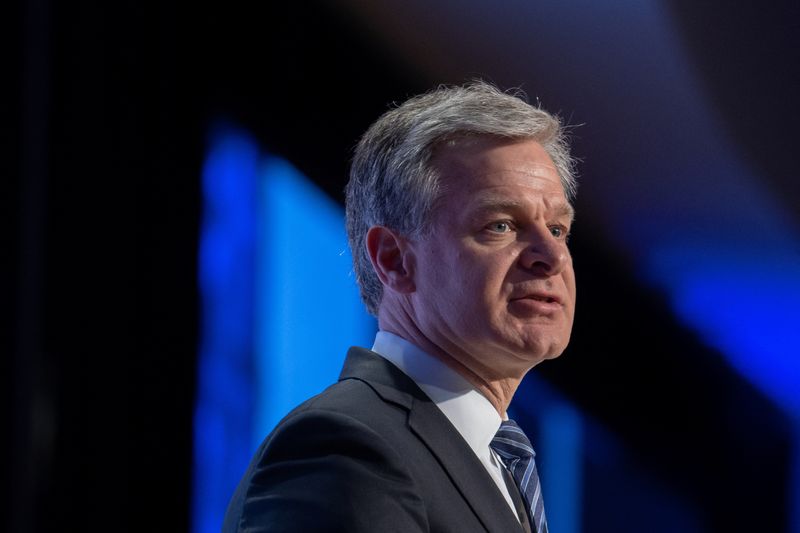
FBI Director Christopher Wray is set to visit India next week, following accusations by the US that an Indian government official directed a failed plot to assassinate a Sikh separatist in the United States. India has denied any involvement in the plot and stated that Wray's visit had been planned in advance. The visit is part of ongoing security cooperation between the two countries.
India's responses to allegations of its involvement in plots against Khalistan separatists differ between Canada and the United States. While India vehemently denied Canadian Prime Minister Justin Trudeau's allegations and retaliated by expelling diplomats and issuing travel advisories, its response to the US report on an alleged assassination plot was more cooperative. The nature of the revelations, the depth of India's ties with each country, and the strategic importance of the Indo-US partnership likely influenced India's differing responses. The outcome of the investigations will impact the course of India's relations with both countries.
President Biden and President Widodo of Indonesia have elevated U.S.-Indonesia ties to a Comprehensive Strategic Partnership, marking a historic new phase in bilateral relations. The leaders announced new initiatives to promote inclusive economic prosperity, combat the climate crisis, and deepen security cooperation. The programs include partnering on the global semiconductor value chain, increasing digital connectivity in rural Indonesia, investing in emerging enterprises, launching a U.S.-Indonesia tourism partnership, and harnessing U.S. private sector investments. They also focus on advancing regional stability through cybersecurity cooperation, maritime security, defense cooperation, and counterterrorism cooperation. Additionally, the leaders aim to invest in enduring people-to-people ties by supporting education, culture, health, and research collaborations.