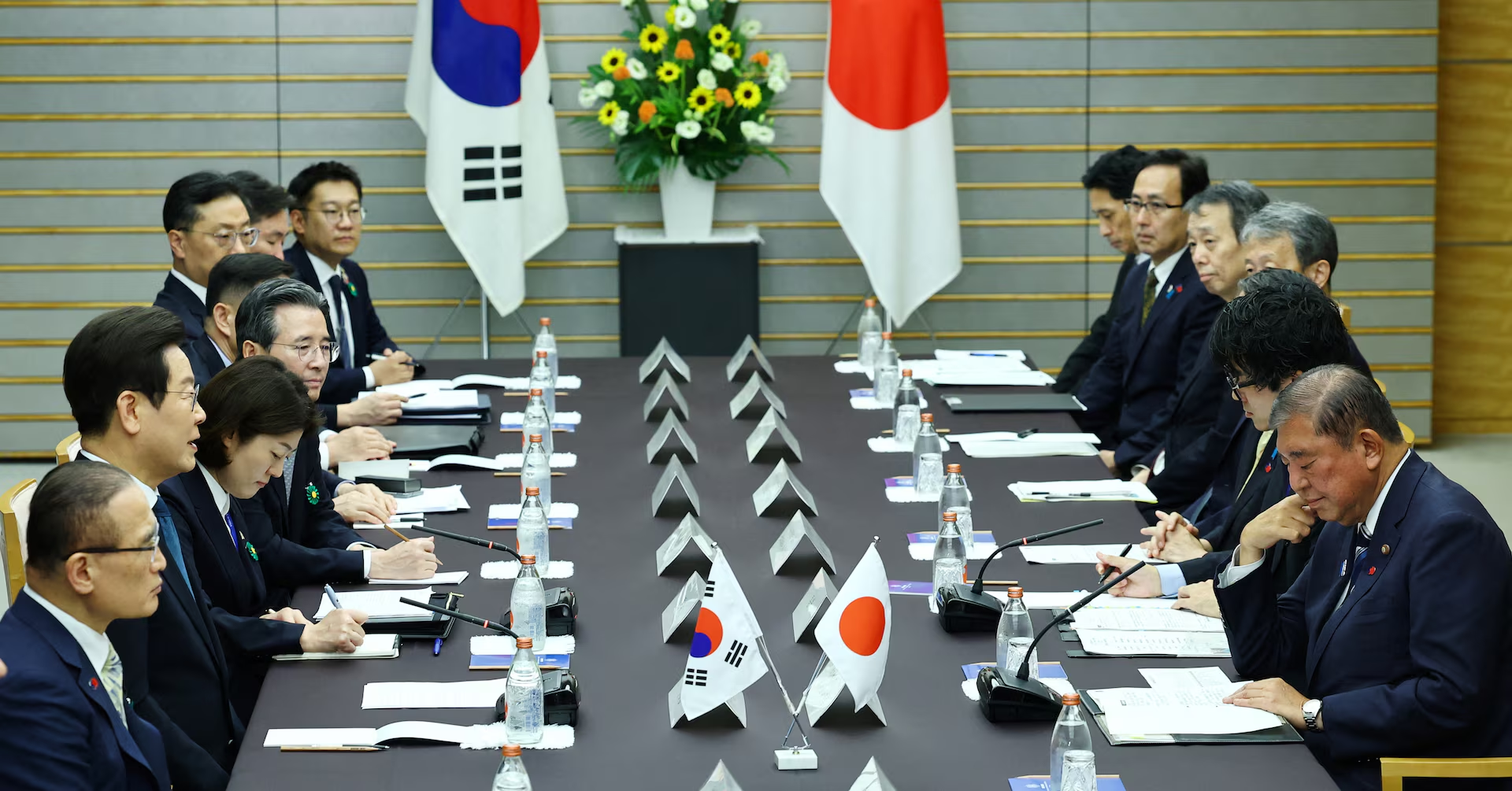
South Korea's President Lee Jae Myung and Japan's Prime Minister Shigeru Ishiba agreed to strengthen security and economic ties, including trilateral cooperation with the US, amid regional threats from North Korea and China, ahead of Lee's meeting with US President Trump.
Secretary of Defense Lloyd J. Austin III assured Israeli Minister of Defense Yoav Gallant of unwavering U.S. support for Israel's defense against regional threats, particularly from Iran and its proxies, during a phone call, emphasizing that Israel could rely on full U.S. support in the event of any attacks.
Japan has signed an agreement with the United States to purchase up to 400 Tomahawk cruise missiles as part of its military buildup in response to increased regional threats from China and North Korea. The decision reflects Japan's commitment to double its annual defense spending by 2027 and strengthen military cooperation with the U.S., Australia, and other friendly nations. U.S. Ambassador to Japan Rahm Emanuel praised Japan's efforts to enhance its military capabilities and align with the U.S. in promoting peace and prosperity in the Indo-Pacific region.
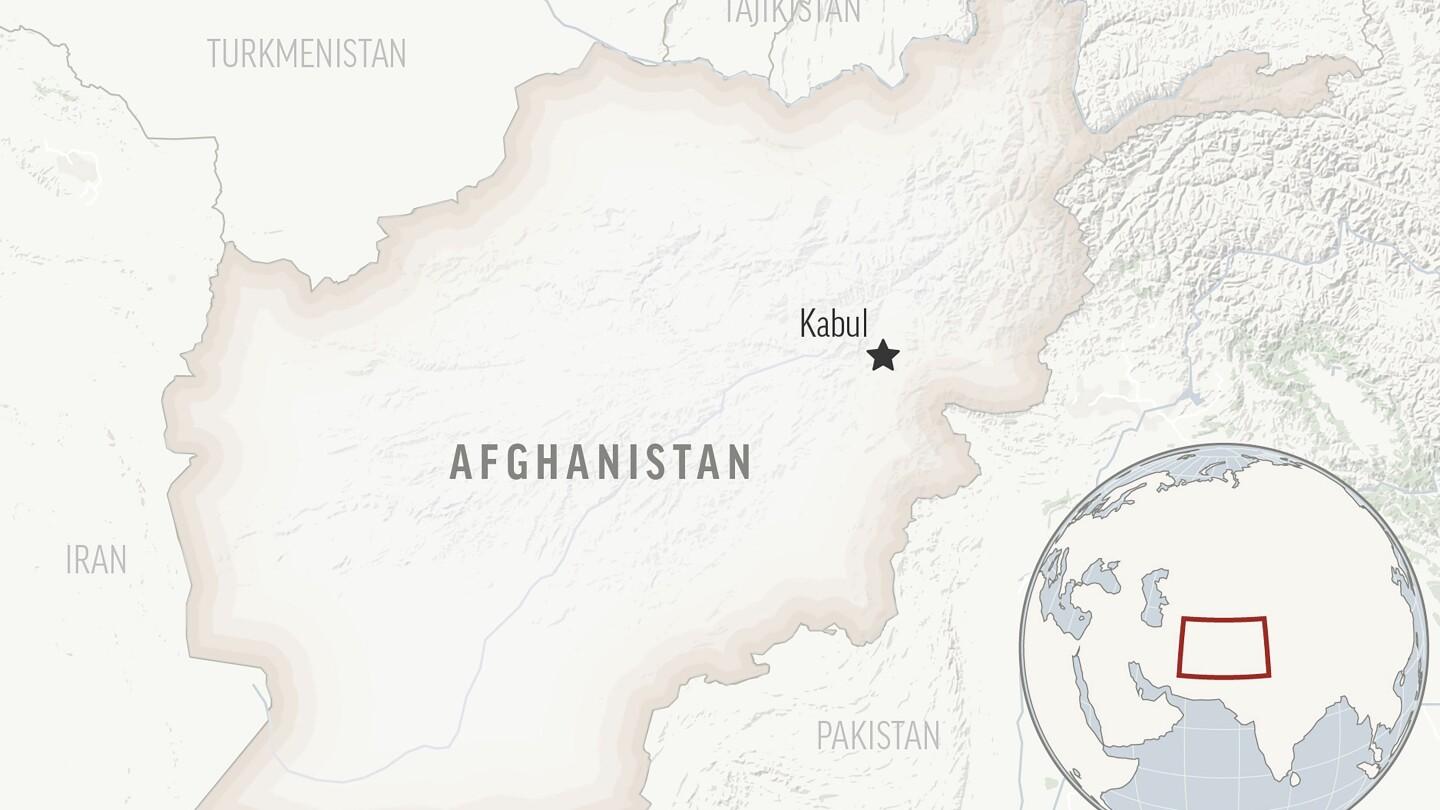
Russian officials hosted Taliban representatives in Kazan for talks on regional threats and the creation of an inclusive government. Russia expressed its intention to continue supporting Afghanistan independently and through the World Food Program. The discussions took place as Moscow seeks to maintain its influence in Central Asia while also engaging in conflict with Ukraine. The Taliban, who seized power in Afghanistan in August 2021, have gradually imposed strict rules based on their interpretation of Islamic law. No country has formally recognized the Taliban as the legitimate rulers of Afghanistan, citing concerns about their treatment of women and girls. Russia has been hosting talks with the Taliban since 2017 and has emphasized the importance of inclusiveness and human rights in determining international recognition of the group.