Tag

Section 899

All articles tagged with #section 899

Revenge Tax Removed from Major Trump Bill Amid Trade Deal Negotiations

Originally Published 6 months ago — by Axios

Featured image for Revenge Tax Removed from Major Trump Bill Amid Trade Deal Negotiations
Source: Axios

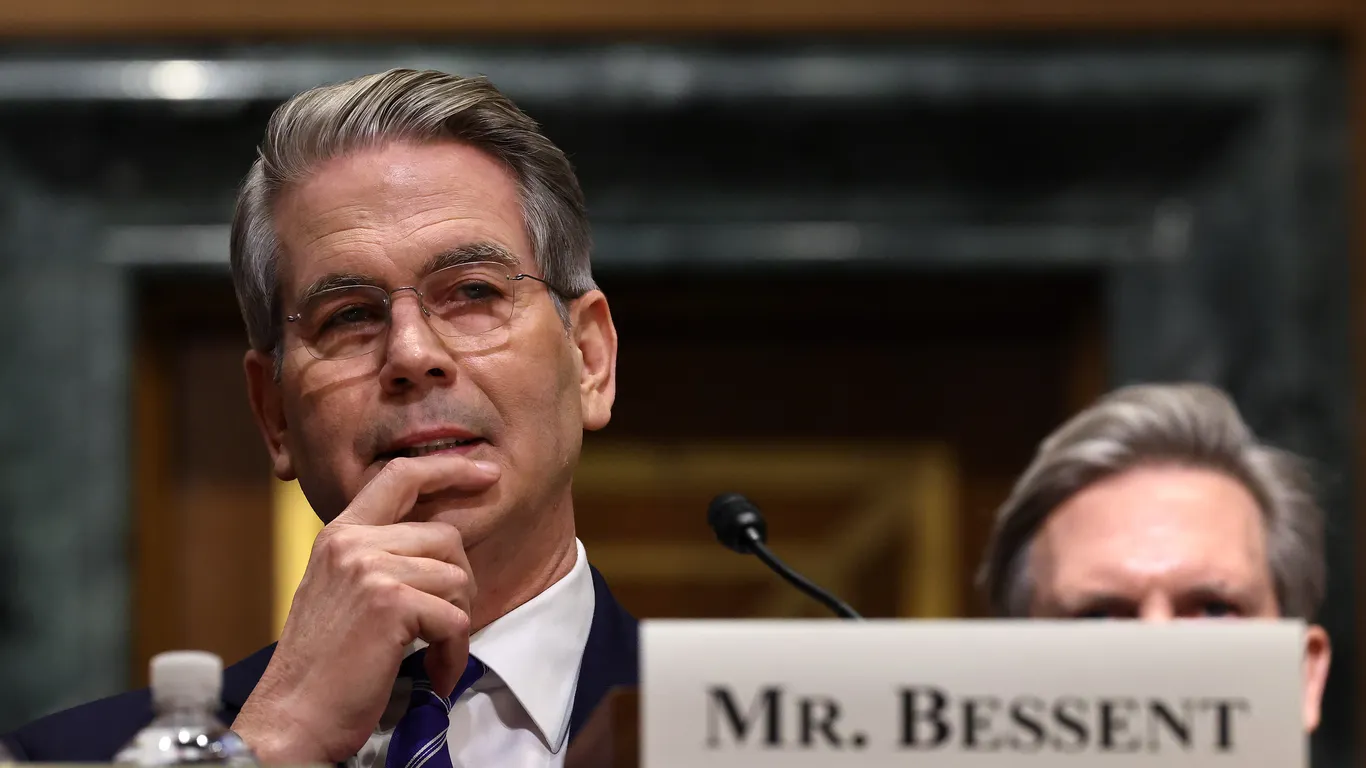
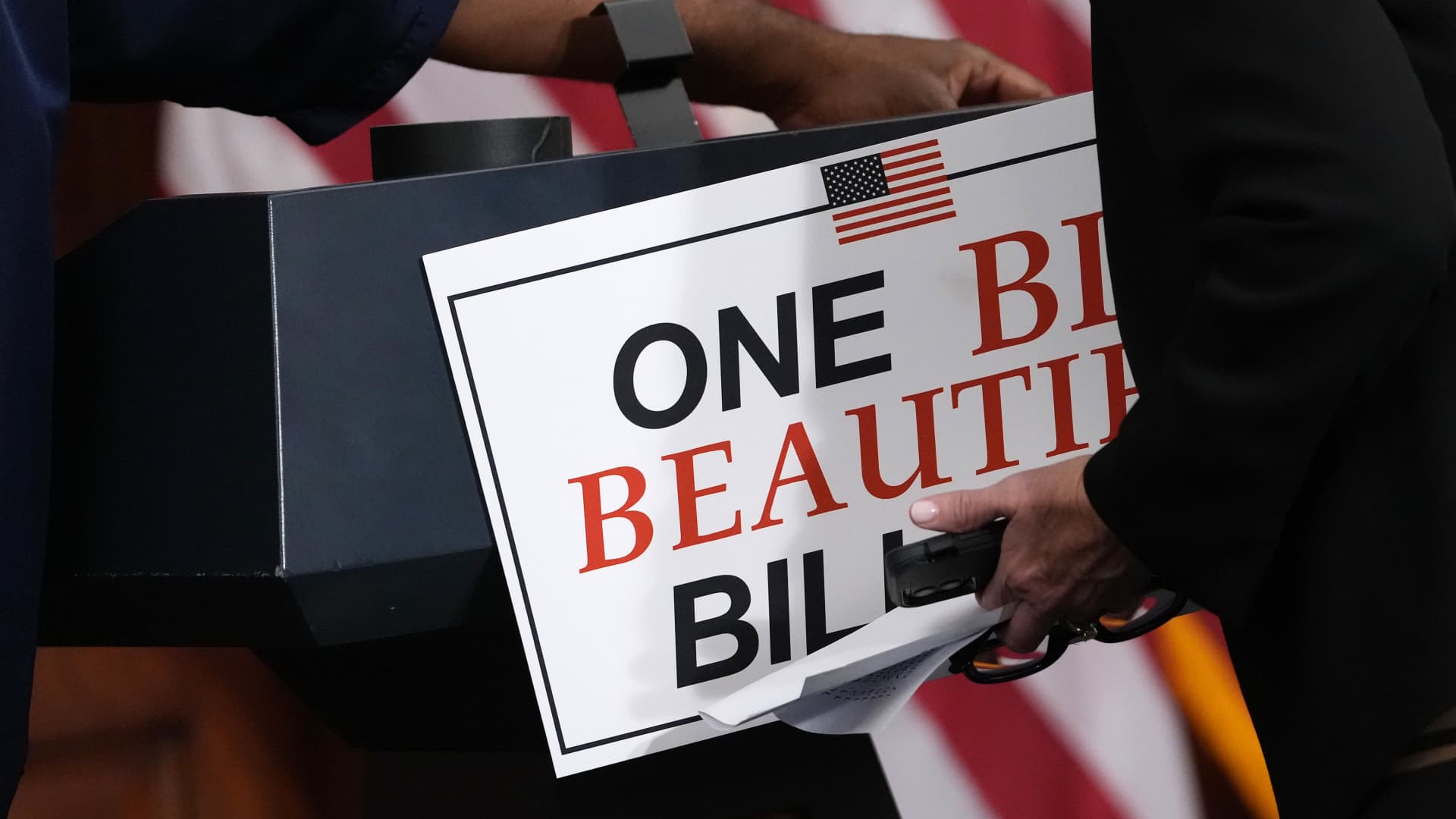
Treasury Secretary Scott Bessent has requested the removal of the controversial 'revenge tax' provision, known as Section 899, from the 'big, beautiful bill' after reaching a deal with G7 countries on global corporate taxes, aiming to prevent it from hindering foreign investment in the U.S.

Trump's 'Revenge Tax' Risks Foreign Investment and Energy Policies

Originally Published 7 months ago — by The Guardian

Featured image for Trump's 'Revenge Tax' Risks Foreign Investment and Energy Policies
Source: The Guardian

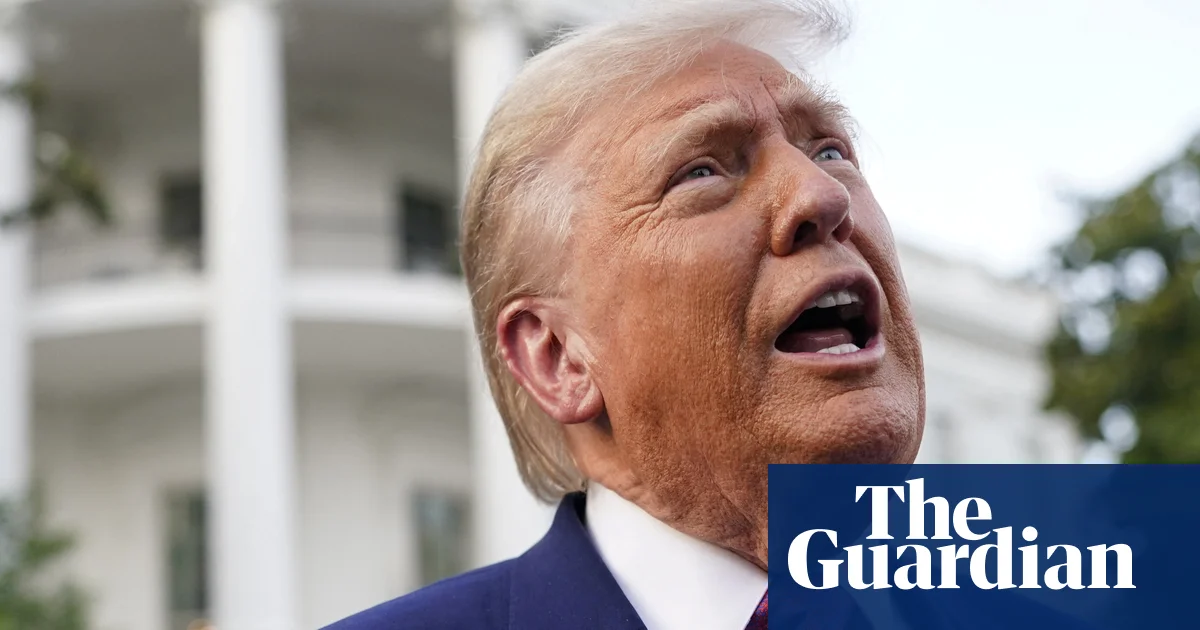
U.S. President's proposed 'revenge' taxes under the One Big Beautiful Bill Act could deter foreign investment by imposing higher taxes on foreign entities connected to jurisdictions with 'unfair' foreign taxes, potentially leading to retaliatory measures and affecting global investor sentiment, especially among UK and European companies with US exposure.

US lawmakers debate foreign tax policies amid economic concerns

Originally Published 7 months ago — by Bloomberg

Featured image for US lawmakers debate foreign tax policies amid economic concerns
Source: Bloomberg

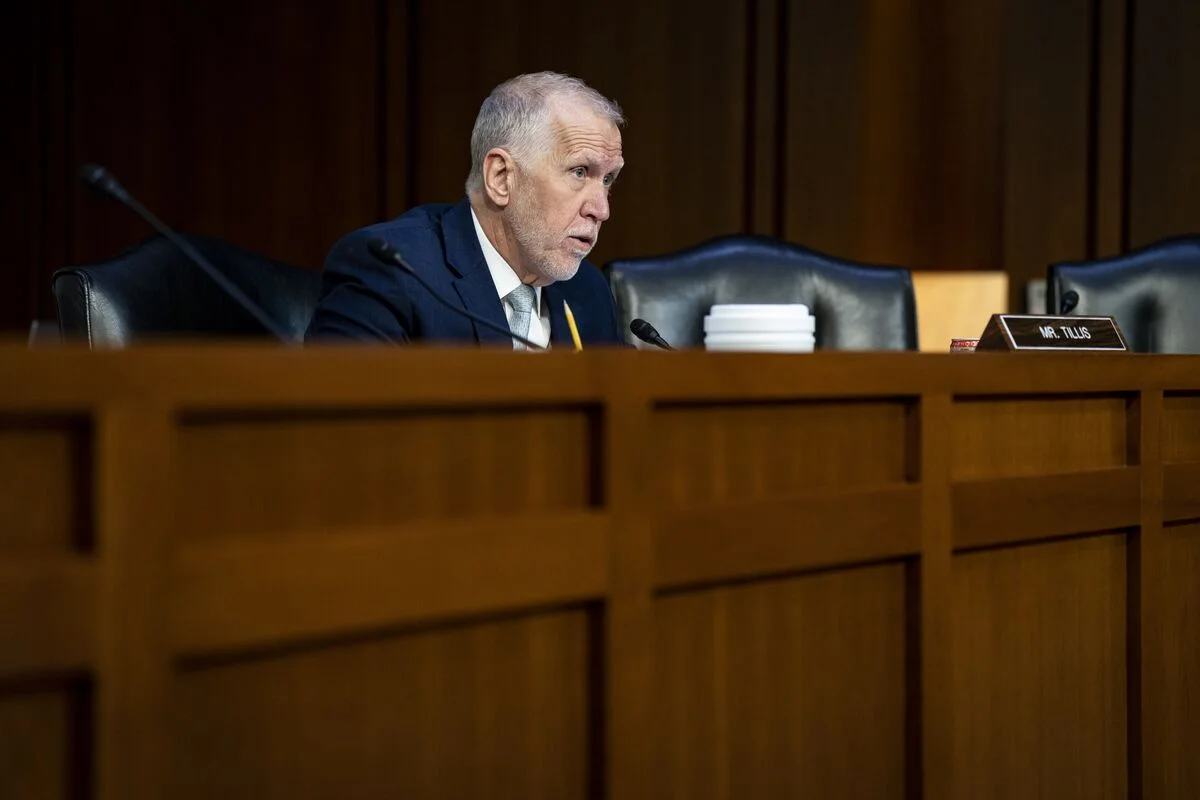
Senator Thom Tillis expects a delay in implementing the 'revenge tax' (Section 899) in Trump's tax bill due to pushback from Wall Street and businesses, with concerns that it could reduce foreign investment in the US. The provision, aimed at foreign countries deemed discriminatory, may be postponed as lawmakers seek to clarify exemptions and ensure it is pro-growth.

Executives Warn of 'Revenge Tax' Impact in US Tax Bill

Originally Published 7 months ago — by Financial Times

Featured image for Executives Warn of 'Revenge Tax' Impact in US Tax Bill
Source: Financial Times

Executives from major companies are lobbying in Washington to oppose a provision in Trump's budget bill (Section 899) that would impose higher taxes on foreign investments in the US, warning it could harm American jobs and reduce foreign investment. The measure targets countries with 'unfair foreign taxes' and could significantly impact international firms and foreign banks operating in the US, potentially leading to economic and market disruptions. Despite its aim to raise revenue, critics argue it could have negative consequences for US economic growth and international relations.

US Tax Policies Spark Market Jitters and Foreign Revenue Concerns

Originally Published 7 months ago — by Bloomberg.com

Featured image for US Tax Policies Spark Market Jitters and Foreign Revenue Concerns
Source: Bloomberg.com

The proposed Section 899 in Trump's tax bill aims to penalize foreign countries with digital taxes, but it could also increase interest costs for US borrowers by requiring them to gross up payments to cover higher withholding taxes, potentially affecting syndicated loans and foreign lending to US companies. The measure faces political hurdles and has raised concerns among Wall Street analysts about its impact on foreign investment and borrowing costs.

Trump's Budget Bill Sparks International Tax Concerns and Market Anxiety

Originally Published 7 months ago — by Financial Times

Featured image for Trump's Budget Bill Sparks International Tax Concerns and Market Anxiety
Source: Financial Times

A little-publicized provision in Trump's budget bill, Section 899, could increase taxes on foreign investments in the US, potentially deterring foreign investors, impacting US markets, and affecting international companies and sovereign wealth funds, raising concerns among Wall Street and global financial leaders.

Trump’s Budget Bill and Its Impact on International Taxation and Markets

Originally Published 7 months ago — by Bloomberg

Featured image for Trump’s Budget Bill and Its Impact on International Taxation and Markets
Source: Bloomberg

A hidden provision in a US tax bill, Section 899, proposes increasing taxes on foreign investors in US assets, sparking concerns on Wall Street about reduced foreign investment, potential impacts on the dollar, and US financial markets, amid broader trade and fiscal uncertainties.