The article summarizes various stories including travelers' misbehavior, sea-level fluctuations, postal delays affecting mail-dependent activities, oyster-related infections, and upcoming astronomical events in 2026, along with a note on New Year celebrations and other current events.
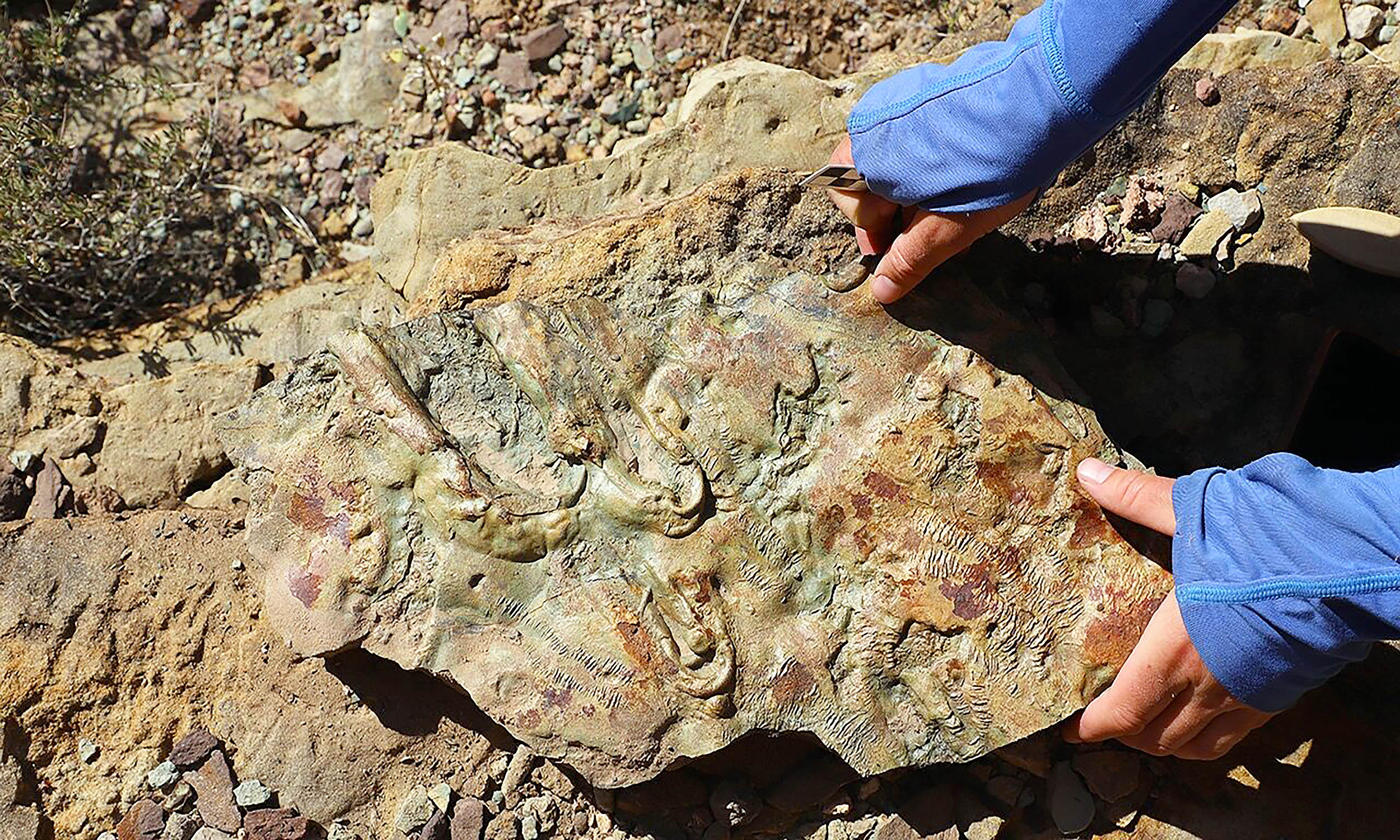
A new study revises the understanding of the Tonto Group in the Grand Canyon, revealing that sedimentary layers formed through multiple shoreline advances over a few million years, rather than a single rise, providing insights into rapid biological and environmental changes during the Cambrian period and highlighting the dynamic history of Earth's coastlines.
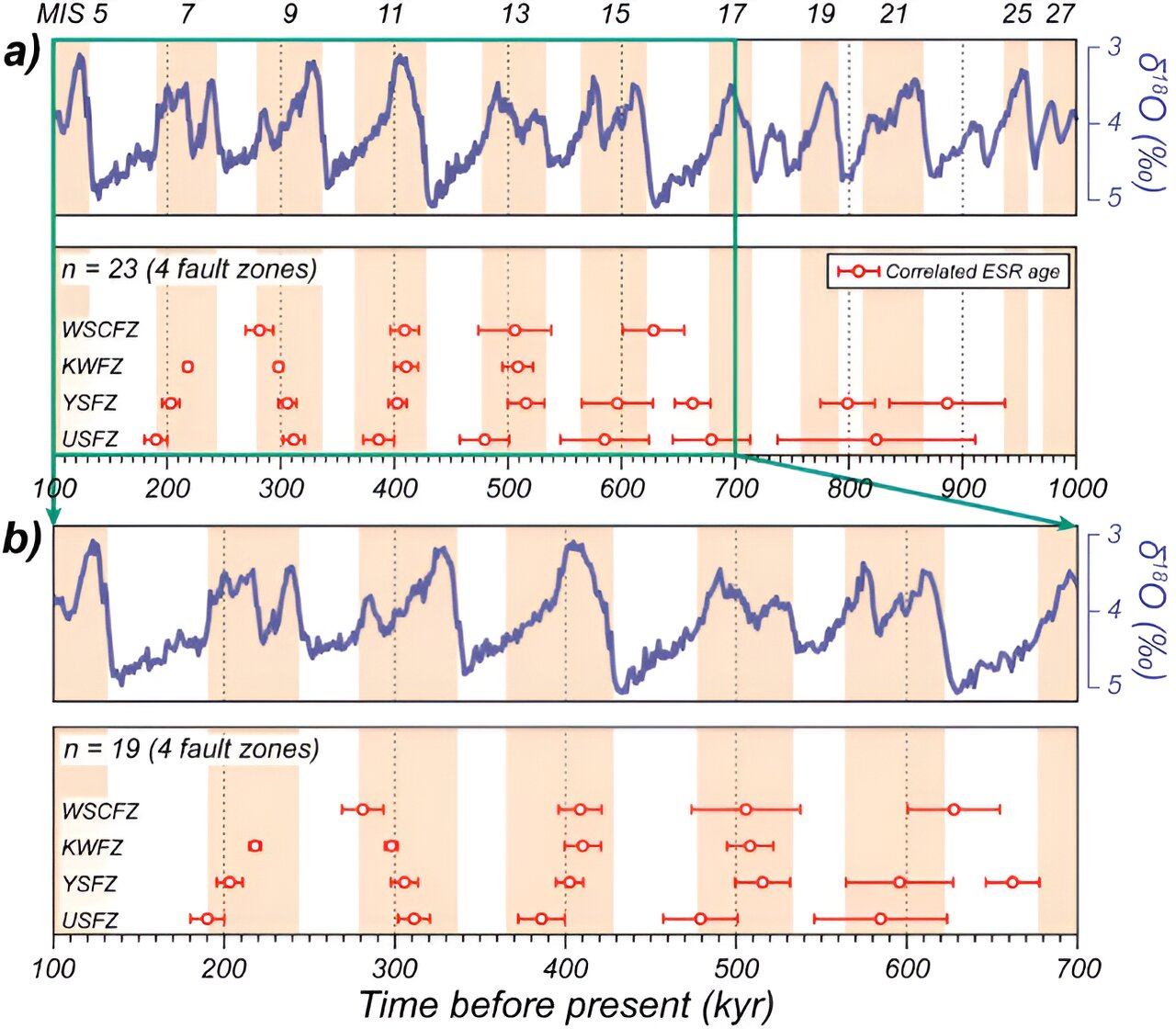
A new study published in Quaternary Science Reviews suggests that global-scale activity of Earth's glacial cycles, specifically rapid changes in sea levels due to melting ice sheets, may have played a significant role in triggering earthquakes in the Korean Peninsula. The researchers used electron spin resonance dating to analyze fault gouges and found that paleo-earthquakes coincided with interglacial periods over the last 650,000 years. As climate change exacerbates glacier melting and sea level rise, there is a potential for increased earthquake risk in the future, highlighting the need for seismic-prone areas to plan strategies to mitigate damage caused by earthquakes.
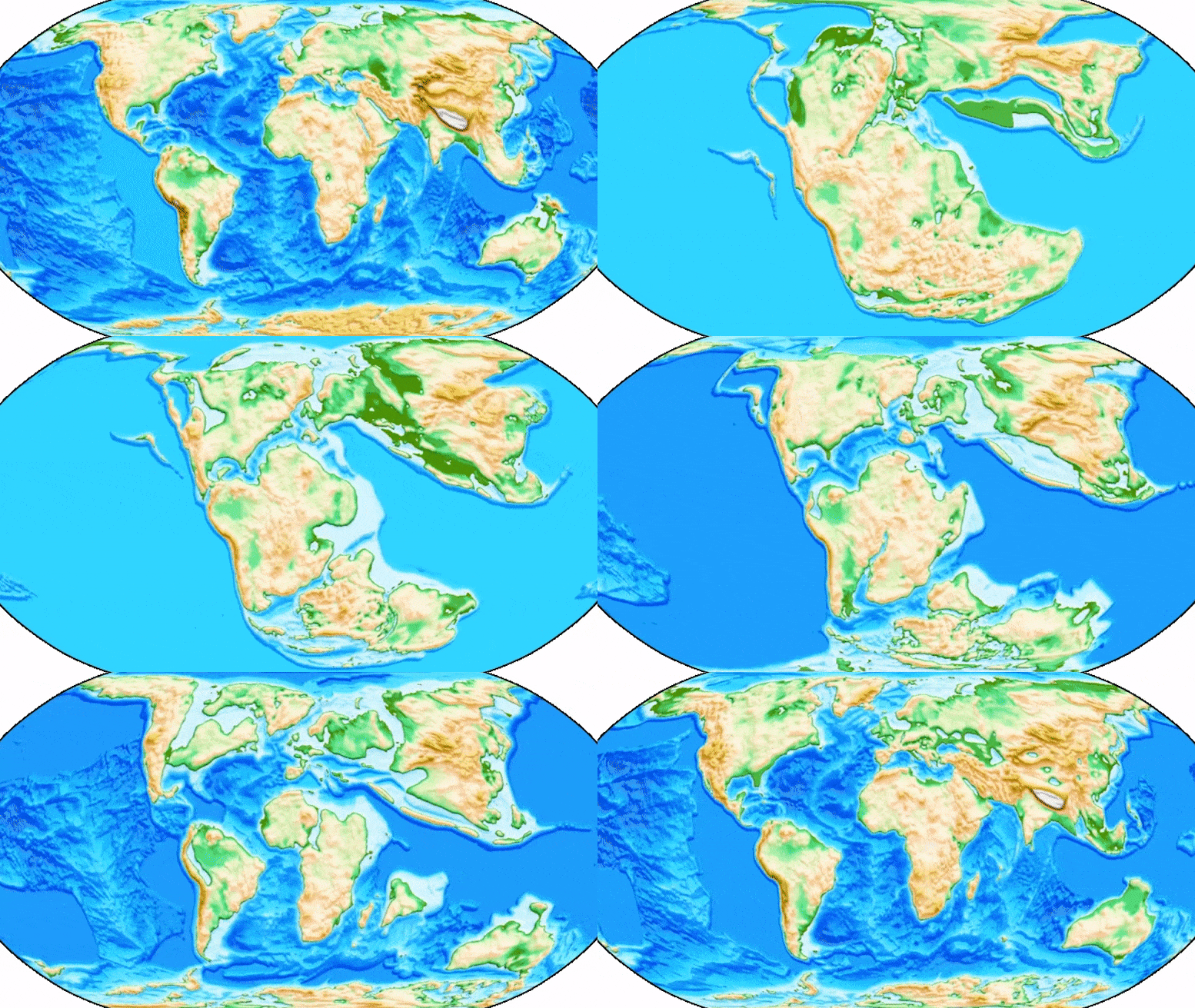
Scientists have discovered that movements in Earth's tectonic plates indirectly stimulate bursts of biodiversity through 36-million-year cycles by causing sea levels to rise and fall. These cycles, which have been traced back 250 million years, significantly influence marine species diversity by altering shallow sea and shelf habitats. The fluctuations in water levels create breeding grounds for life, leading to the emergence of new species. This research challenges previous notions of species evolution and highlights the crucial role of tectonic cycles and global sea level changes in shaping the biodiversity of marine life over millions of years.
Scientists have discovered a 36-million-year geological cycle driven by movement in the Earth's tectonic plates, which indirectly triggers bursts of biodiversity. These cycles of sea level changes have a significant impact on the diversity of marine species, as different habitats expand and contract with rising and falling water levels. By studying the fossil record, researchers have found that these shifts lead to bursts of new life. The findings challenge previous ideas about species changes over long periods and provide evidence that tectonic cycles and global sea level change have played a crucial role in shaping marine biodiversity over millions of years.
Scientists have discovered a 36-million-year geological cycle driven by movement in the Earth's tectonic plates, which indirectly triggers bursts of biodiversity by causing sea levels to rise and fall. These cycles of sea level changes have a significant impact on the diversity of marine species, with different habitats expanding and contracting as water levels fluctuate. By studying the fossil record, researchers have found that these shifts lead to bursts of new life. The findings challenge previous ideas about species changes over long periods and provide evidence that tectonic cycles and global sea level change have played a crucial role in shaping marine biodiversity over millions of years.