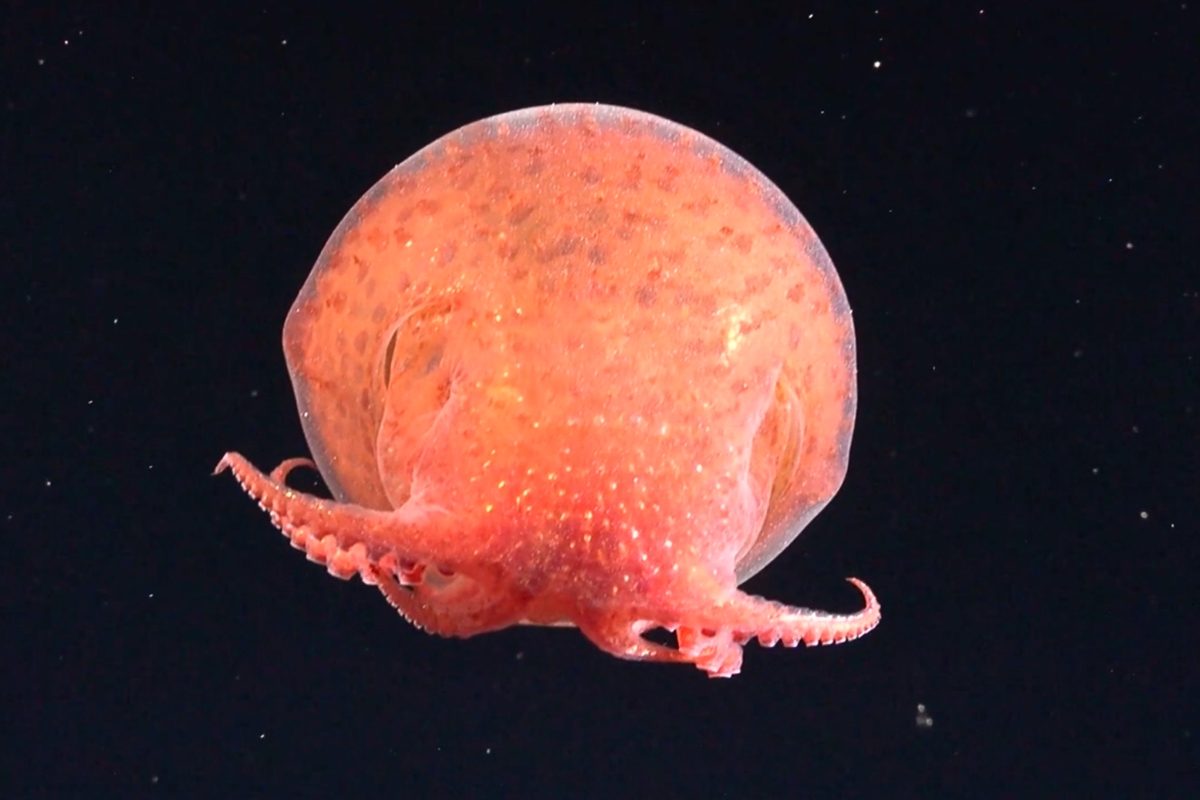
Scientists captured a video of a bright orange octopus drifting at over 1,000 meters deep, using its color for camouflage in the dark ocean, likely as a survival strategy, during the 2023 Octopus Odyssey expedition.
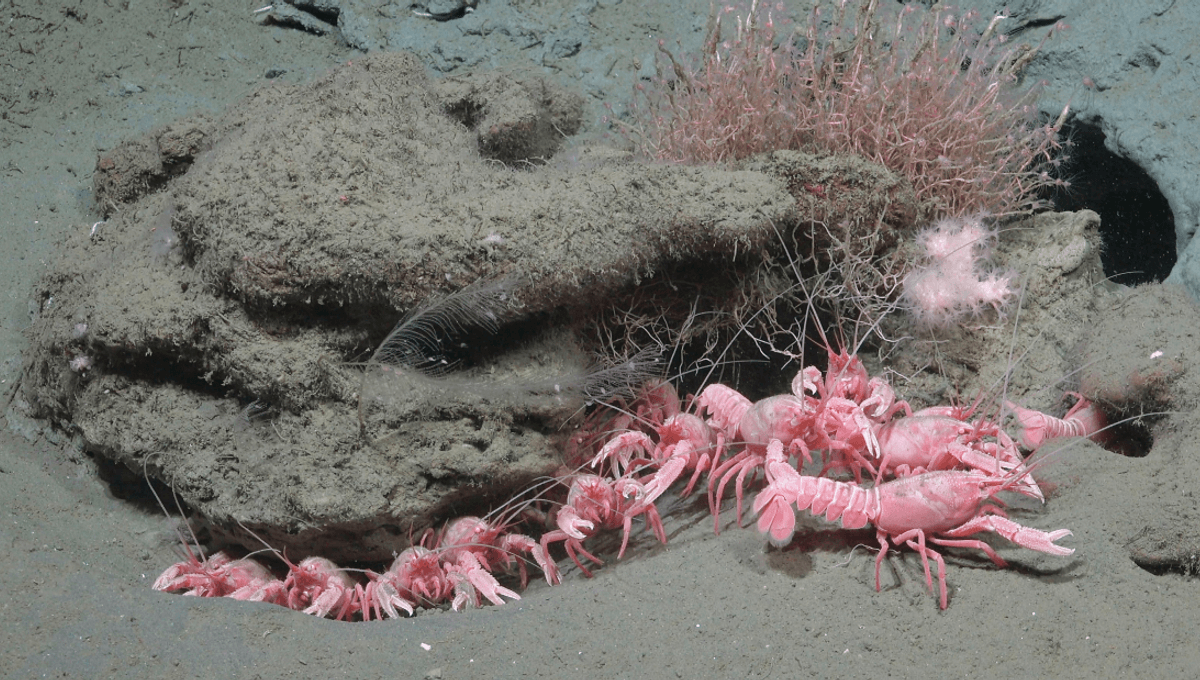
An expedition into the Mar del Plata Canyon, twice as deep as the Grand Canyon, using advanced ROV technology, has potentially discovered around 40 new marine species, including pink lobsters and sea pigs, highlighting the rich biodiversity of the deep sea and the importance of conservation efforts.
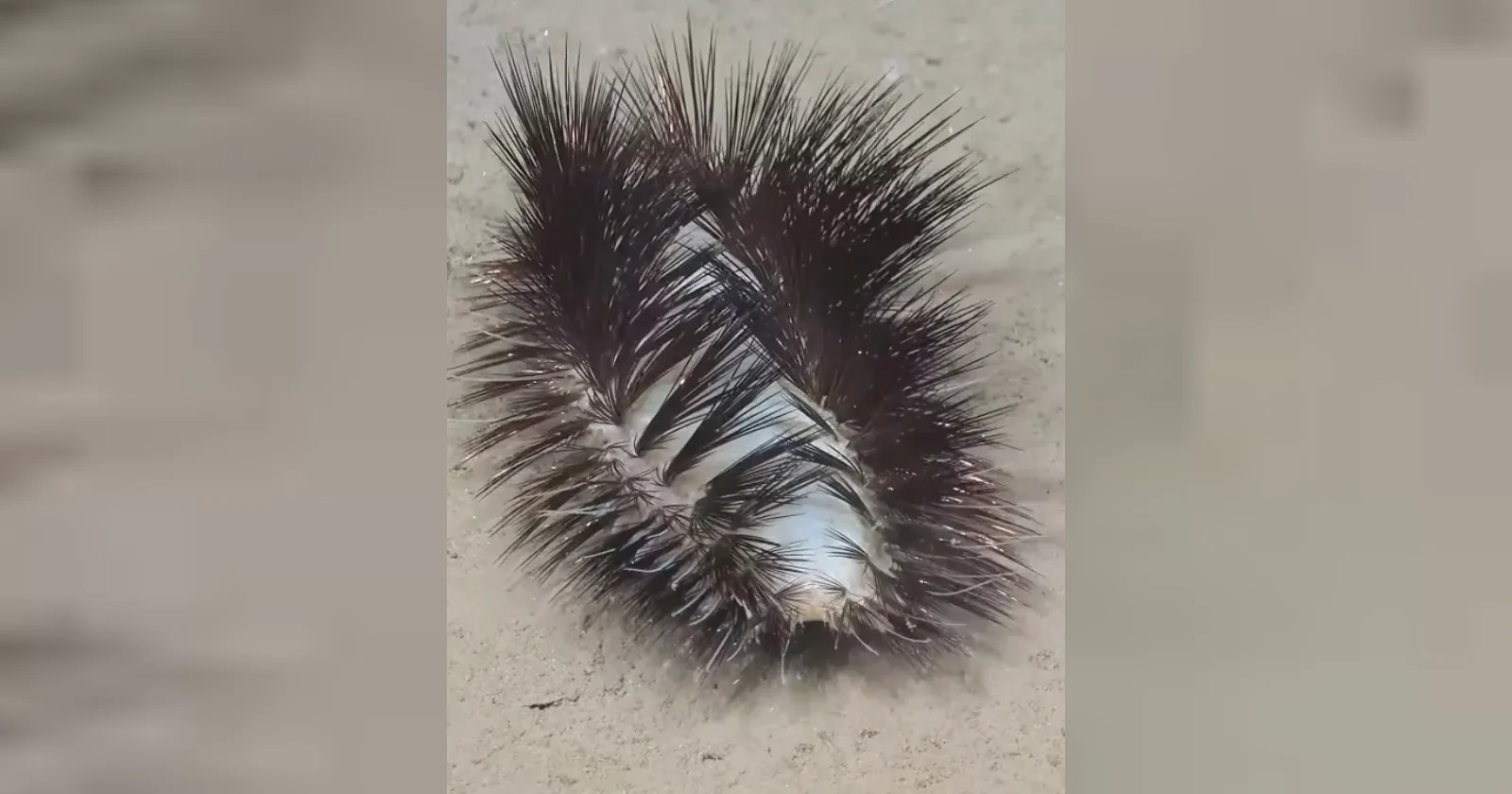
Researchers at the Schmidt Ocean Institute have captured footage of a unique polychaete, a type of bristle worm, using an underwater robot in the Chile Margin. The creature, noted for its iridescent bristles, has gained significant attention on social media, being likened to a 'deep sea Christmas tree.' Polychaetes are diverse marine worms that play crucial roles in ocean ecosystems, with some species being bioluminescent and others used as fishing bait or food.
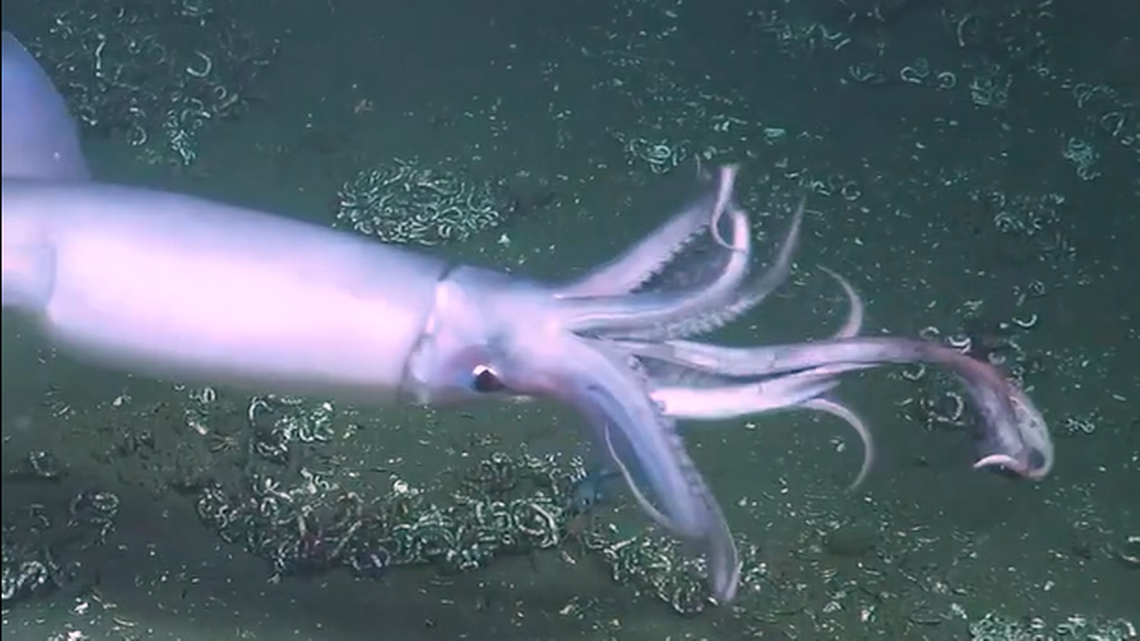
A Humboldt squid was observed using its tentacles like harpoons to catch a fish off the coast of Chile, but it quickly released the prey and swam away. This unusual behavior was captured by the Schmidt Ocean Institute during a research expedition. Marine biologist Greg Rouse suggested the squid rejected the fish due to its tough skin. Humboldt squids, known for their aggressive nature and flashing color displays, are among the largest deep-sea predators in the region.
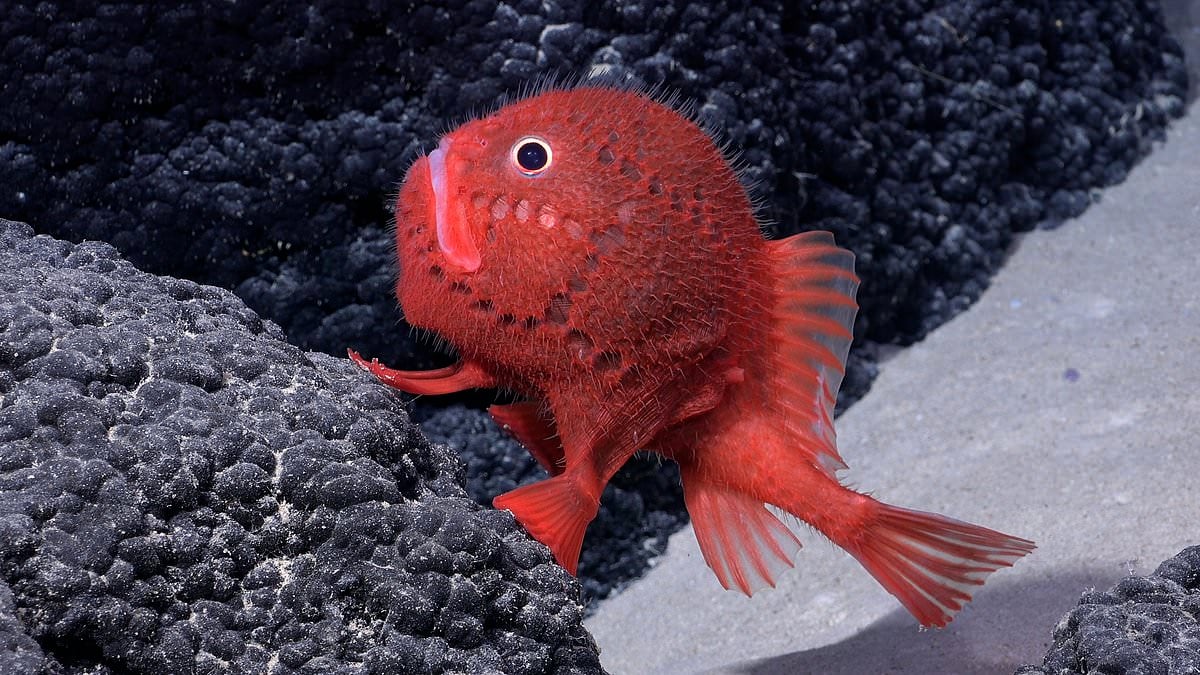
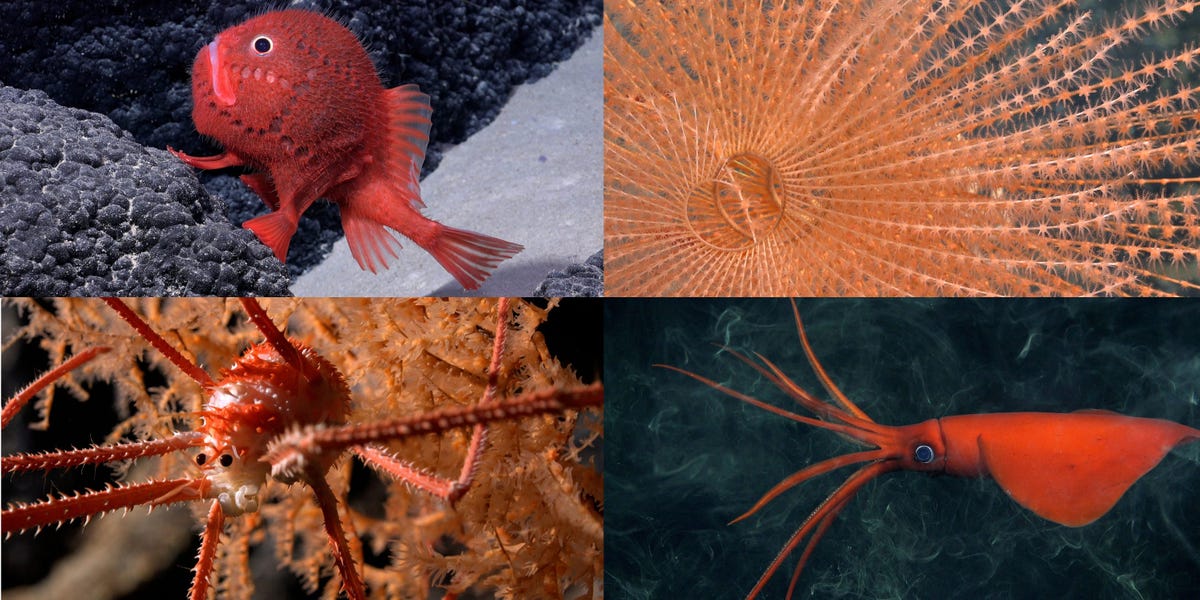
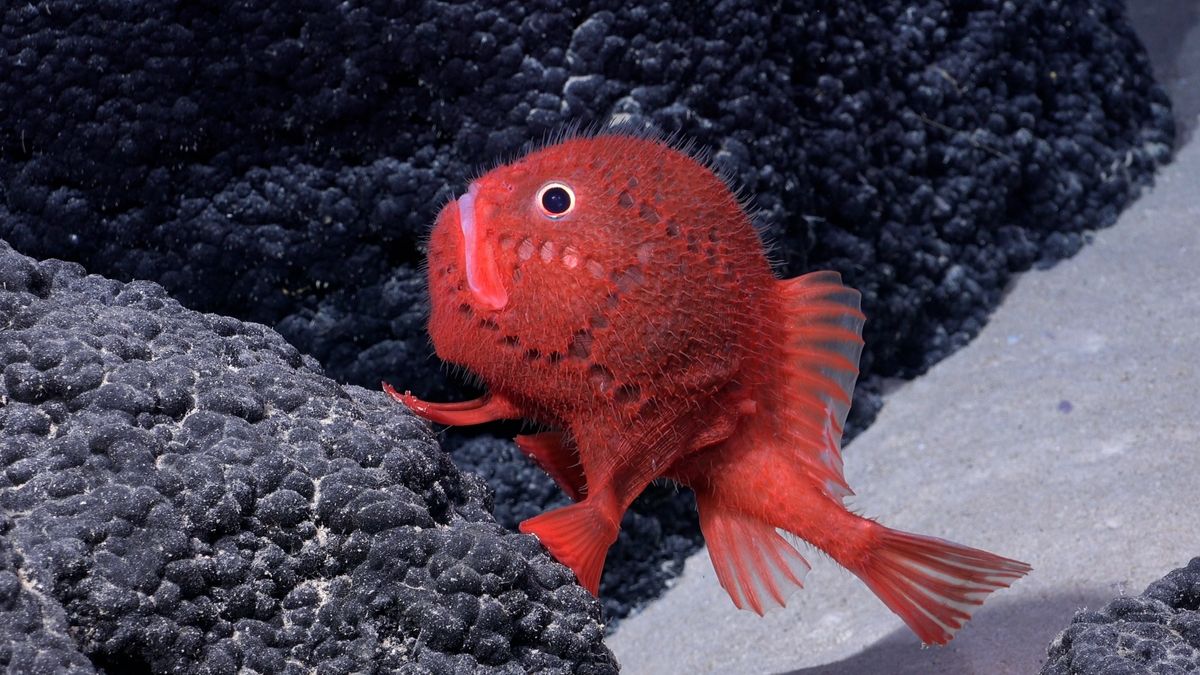
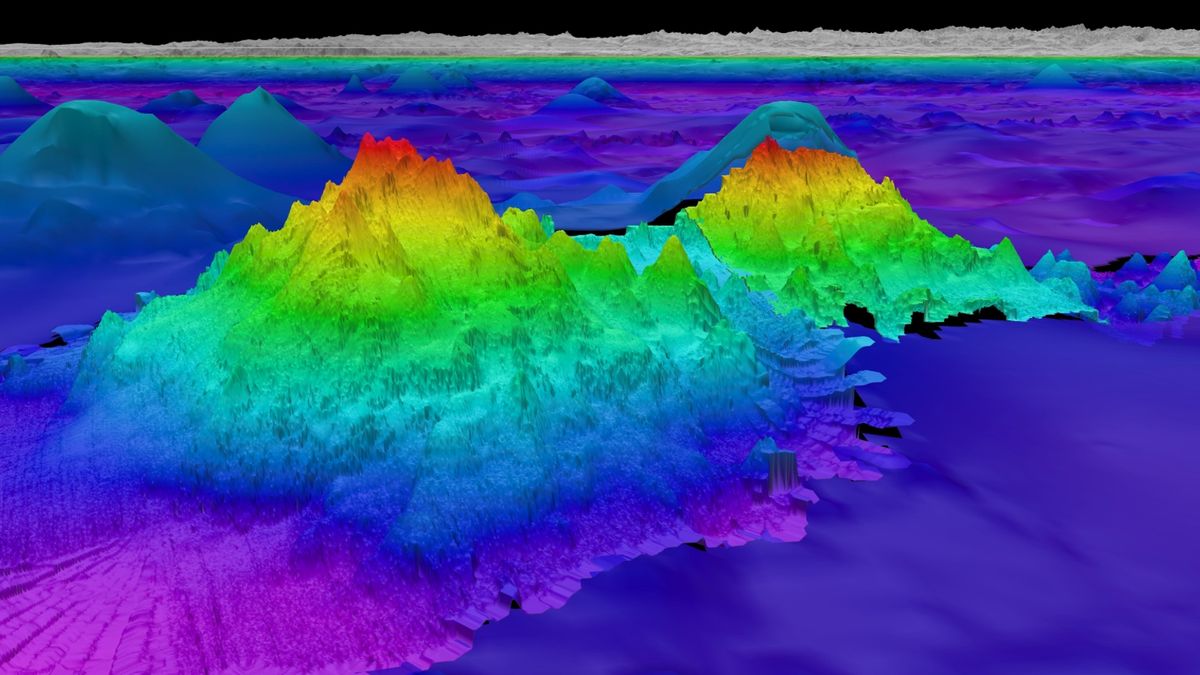
Scientists exploring the waters off the coast of Chile have discovered a huge underwater mountain that's home to over 100 new species, including deep-sea corals, squat lobsters, and a rarely-seen whiplash squid. The discovery was made using an underwater robot that descended to depths of 4,500 meters, mapping a total of 20,377 square miles of the seafloor and uncovering four new seamounts. The team believes that the area, part of the Salas y Gomez Ridge, is a little-known biodiversity hotspot and has collected an incredible number of samples for further study.
A recent ocean expedition near Chile led by the Schmidt Ocean Institute discovered over 100 potentially new marine species, including sponges, coral, crustaceans, and mollusks, while exploring seamounts along the Nazca and Salas y Gómez Ridge. The team used a remotely operated vehicle equipped with a 4K camera to capture images and collect samples nearly 3 miles below the water's surface. The researchers hope to designate the area as a marine protected area to conserve its unique ecosystem and plan to launch another expedition to explore areas nearly 2,000 feet beneath the waves.
A deep-sea expedition off the coast of Chile has uncovered over 100 new marine species and discovered gigantic underwater mountains, with the largest being four times taller than the Burj Khalifa. The researchers used an underwater robot to explore the seafloor and found new species including corals, sponges, sea urchins, mollusks, and crustaceans. The expedition, named "Seamounts of the Southeast Pacific," focused on underwater mountains in three main areas and mapped around 20,400 square miles of ocean. The researchers noted that a majority of the species live within vulnerable habitats, and the new species within certain marine parks are legally protected from threats.
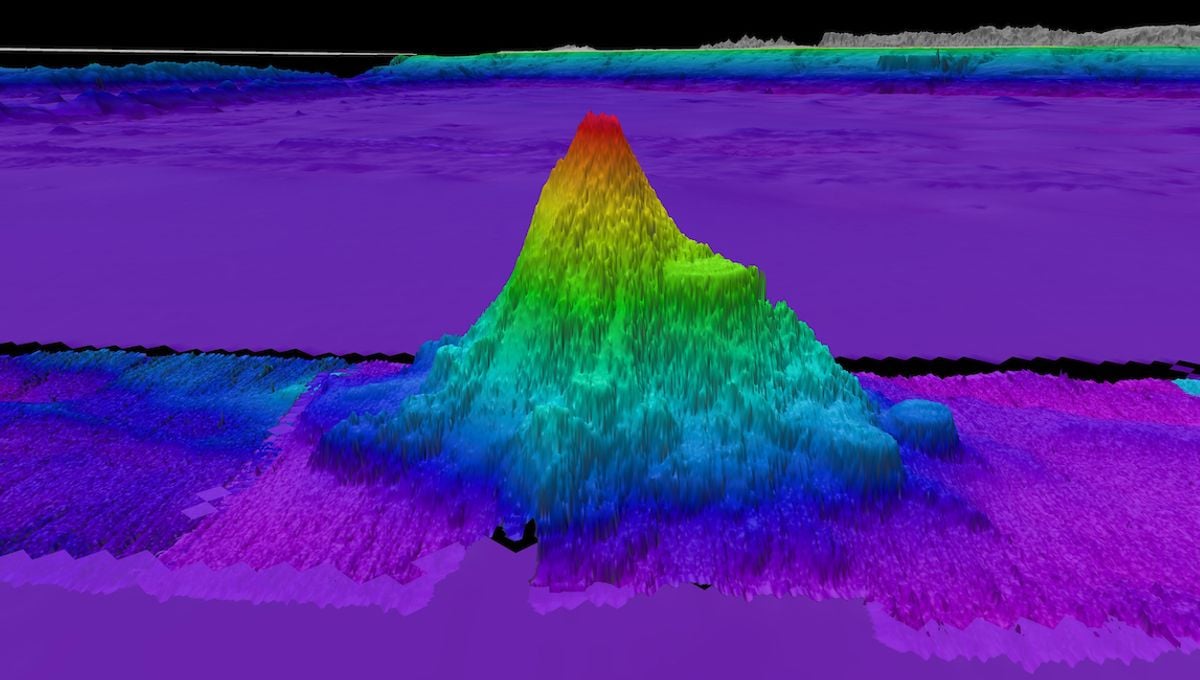
The Schmidt Ocean Institute has discovered four new seamounts in the Pacific Ocean, with one towering over 2,680 meters tall, using gravity anomalies to locate them. These underwater mountains were found during a research expedition between Costa Rica and Chile and are significant for their potential biodiversity. The institute aims to map the entire world's seafloor by the end of the decade, emphasizing the importance of ocean mapping for understanding and protecting the planet.
Researchers aboard the Schmidt Ocean Institute's Falkor research vessel have discovered four massive seamounts in the deep sea off the coast of South America, with the tallest rising more than 1.5 miles from the seafloor, making it three times taller than the world's tallest building. These extinct volcanoes create gravitational anomalies detectable by satellites due to their massive size, and are part of a larger effort to map the world's seafloor by the end of the decade. Seamounts are important marine habitats, attracting diverse marine life and serving as biological hotspots.
A team of scientists captured rare footage of a "rarely seen" whip-lash squid, Mastigopsis hjorti, with long, sticky tentacles drifting more than 3,600 feet underwater in the Pacific Ocean. The Schmidt Ocean Institute is currently exploring underwater mountains in the southeast Pacific Ocean, using various equipment to study the underwater summits. The squid was observed excreting a cloud of greenish-yellow ink and creating abstract shapes to confuse predators. This discovery adds to recent sightings of other rare deep-sea creatures in different parts of the world.
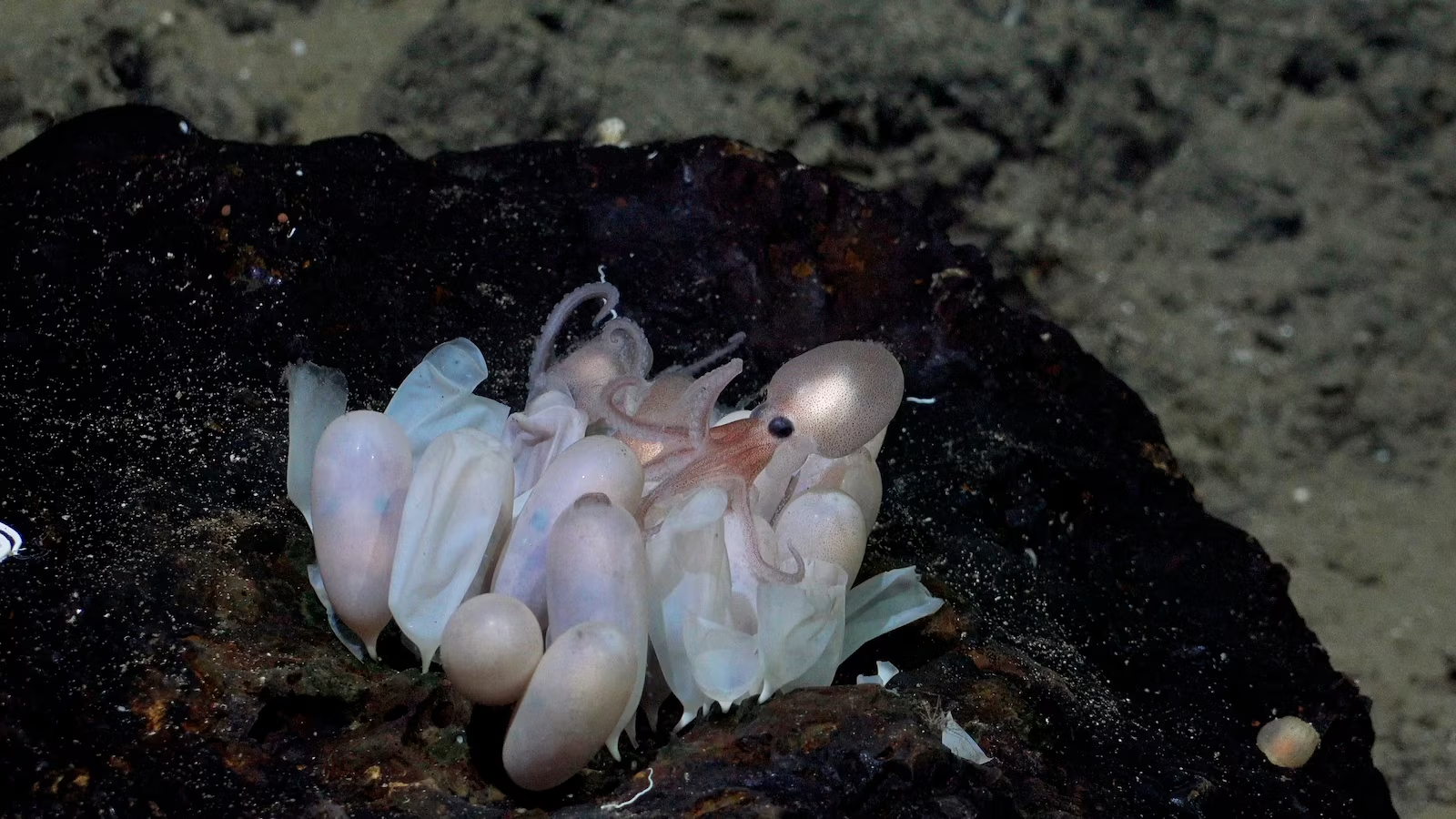
Scientists have discovered at least four new species of octopus in the deep waters near Costa Rica, with two nurseries affiliated with hydrothermal springs. The expeditions were led by an international team of scientists aboard Schmidt Ocean Institute’s R/V Falkor, and the new species are currently being described by researchers. The discovery adds to evidence that the Muusoctopus genus has evolved to brood their eggs in warm springs on the seafloor. In addition to the new octopus species, the expeditions also found a thriving deep-sea skate nursery and located three hydrothermal springs in the region. The impact of the expeditions on understanding the deep Pacific waters of Costa Rica is expected to create awareness that evolves into policies to protect the deep sea of the country.
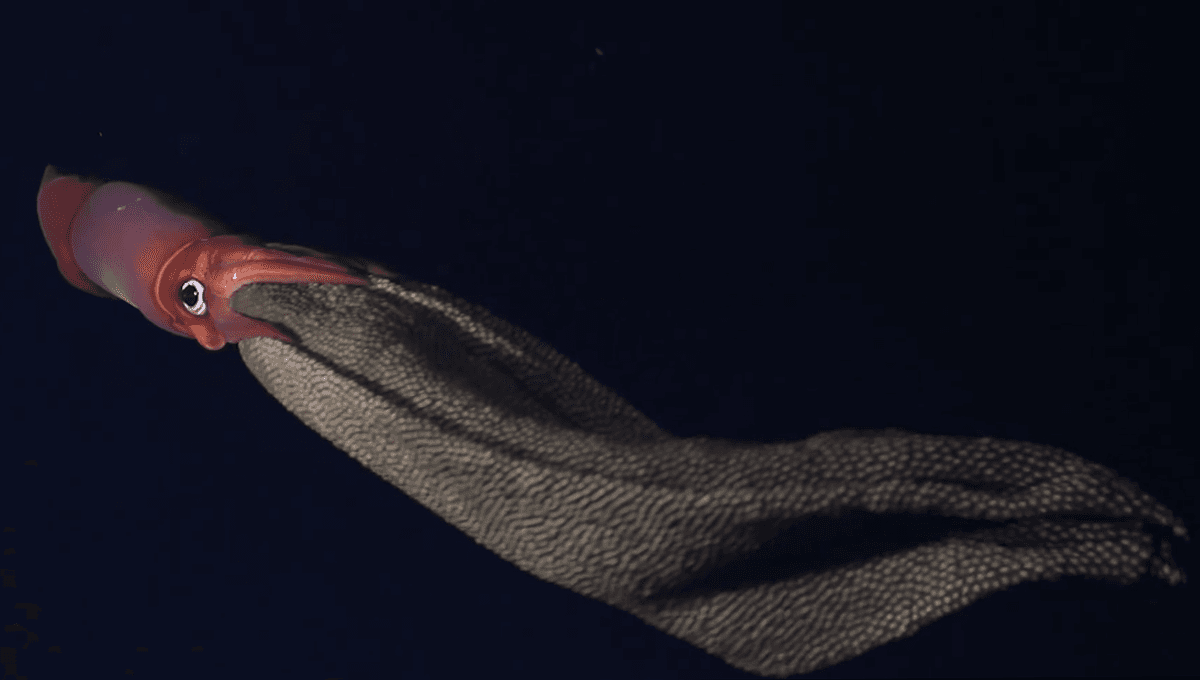
Incredible footage captured by the Schmidt Ocean Institute shows a black-eyed squid, also known as the clawed arm squid, brooding thousands of eggs in the deep sea, a behavior rarely observed due to the species' habitat at around 1,900 meters below the ocean's surface. The squid uses special hooks inside its arms to transport and care for the eggs, a process that may last 6-9 months during which the mother does not feed. This unique reproductive behavior sheds light on the little-known habits of deep-sea squids and their parental care.
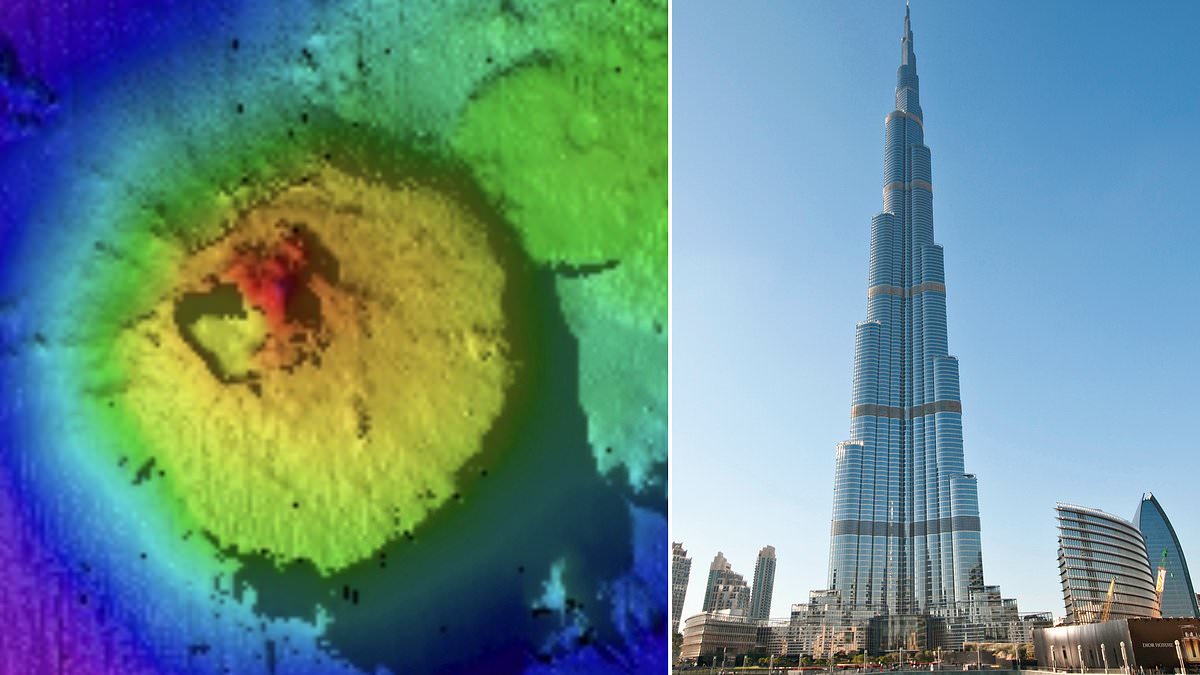
Scientists mapping the seafloor off the coast of Guatemala have discovered an enormous underwater mountain, twice the height of the Burj Khalifa, the world's tallest building. The seamount, found using advanced technology on the Falkor research vessel, sits 7,874ft below sea level and covers 5.4 square miles. Seamounts are known to be biodiversity hotspots, and this discovery highlights the vast unknowns of our oceans. The Schmidt Ocean Institute, part of the Seabed 2030 initiative, aims to map the entire seafloor by the end of the decade to aid navigation and marine resource management.
Researchers mapping the seafloor off the coast of Guatemala discovered a previously unknown seamount, twice as high as the Burj Khalifa, the world's tallest building. The seamount stands over 1,600 meters high and covers an area of 14 square kilometers. This discovery highlights the vast unexplored areas of the ocean and the potential for biodiversity hotspots. The Schmidt Ocean Institute aims to map the entire seafloor by the end of the decade, revealing the abundance of seamounts and their potential for harboring diverse ecosystems.