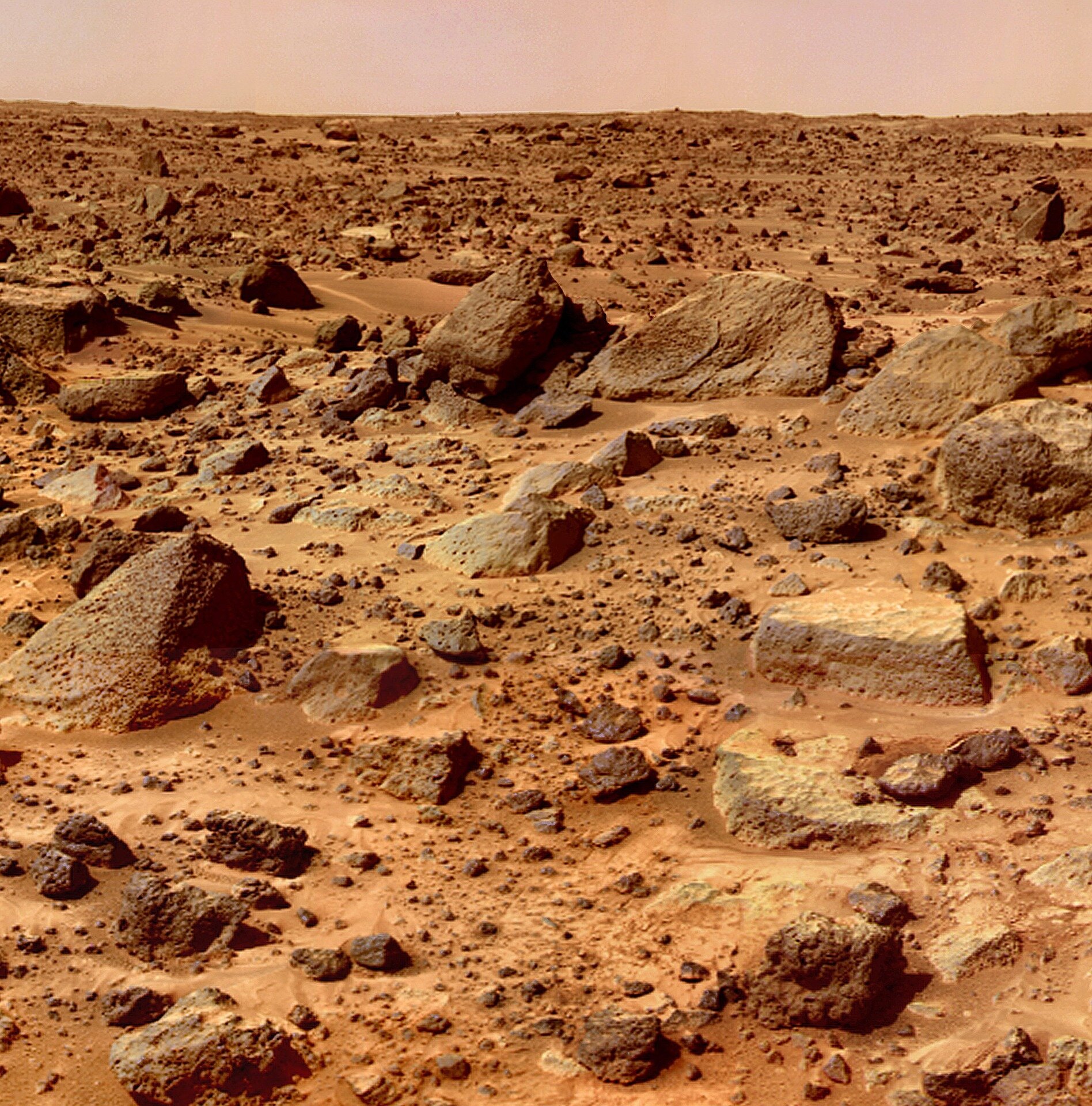
Lawmakers are in a heated debate over the funding for NASA's Mars Sample Return program, which aims to retrieve rock and dirt samples from Mars for study. The program, facing budget constraints and delays, has become a regional battleground, with California lawmakers supporting the project at the Jet Propulsion Laboratory and Maryland and Virginia lawmakers advocating for other projects. The Senate seeks to slash funding for the Mars program, while the House proposes full funding. NASA is preparing for potential layoffs and reevaluation of the program's future amid the budget uncertainty.
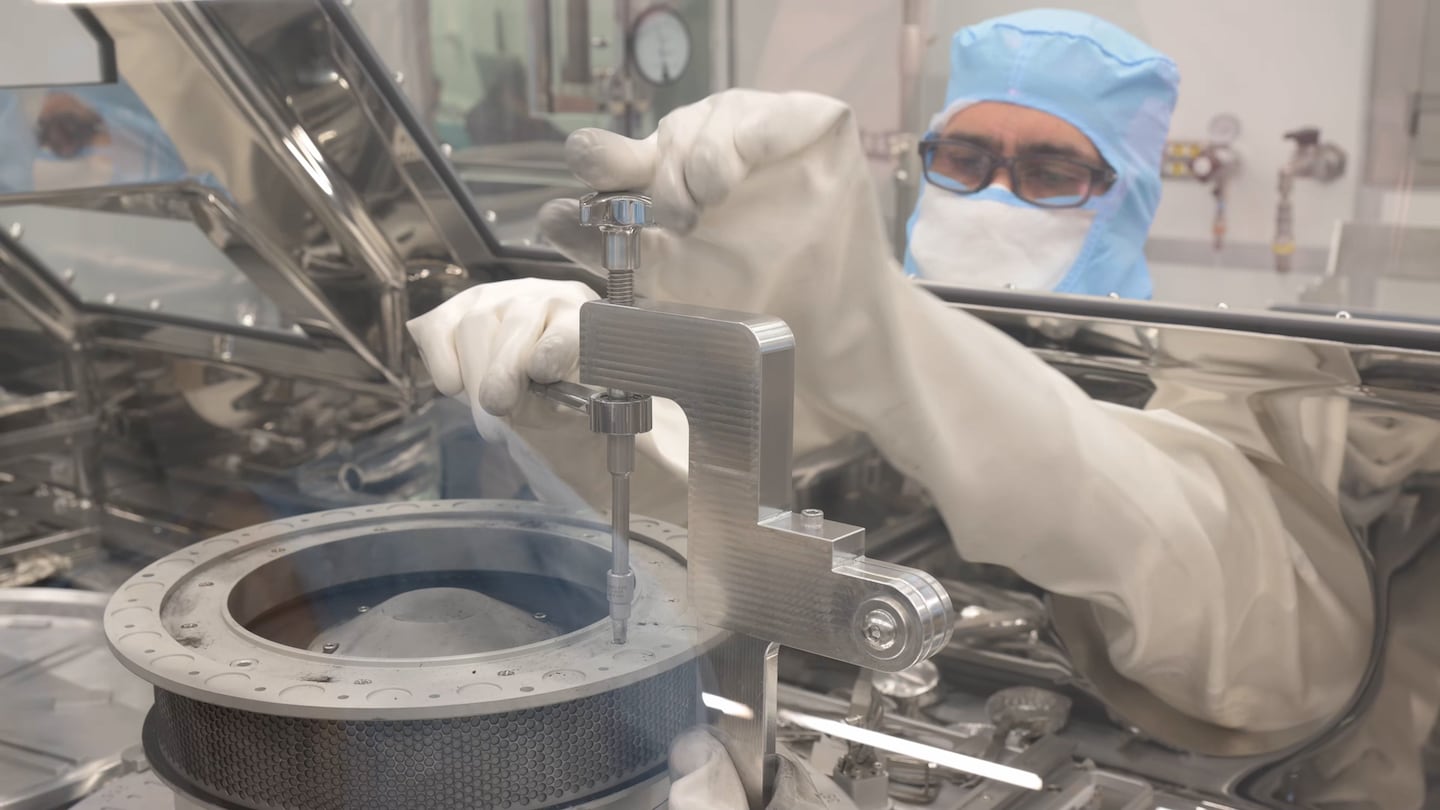
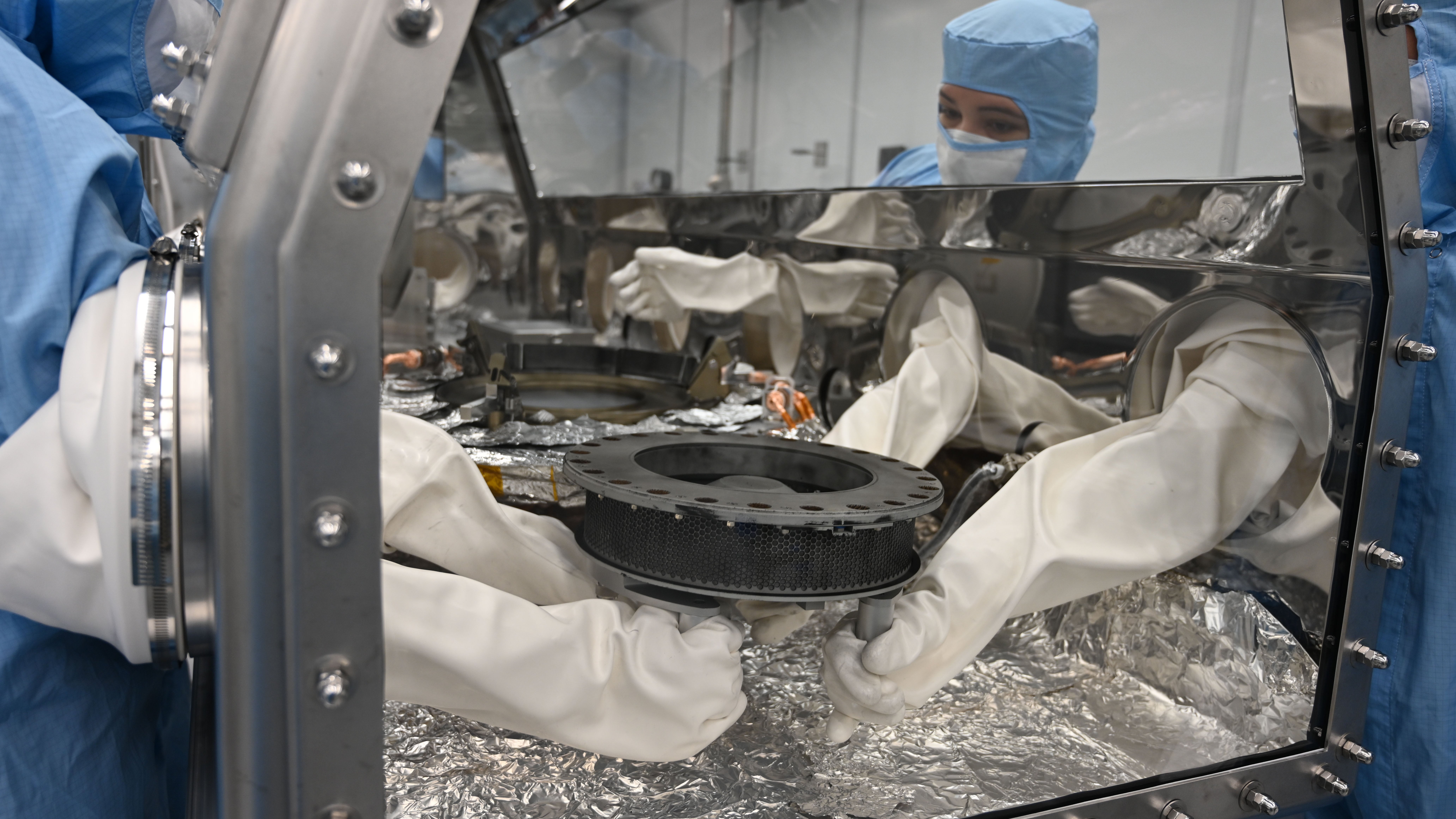
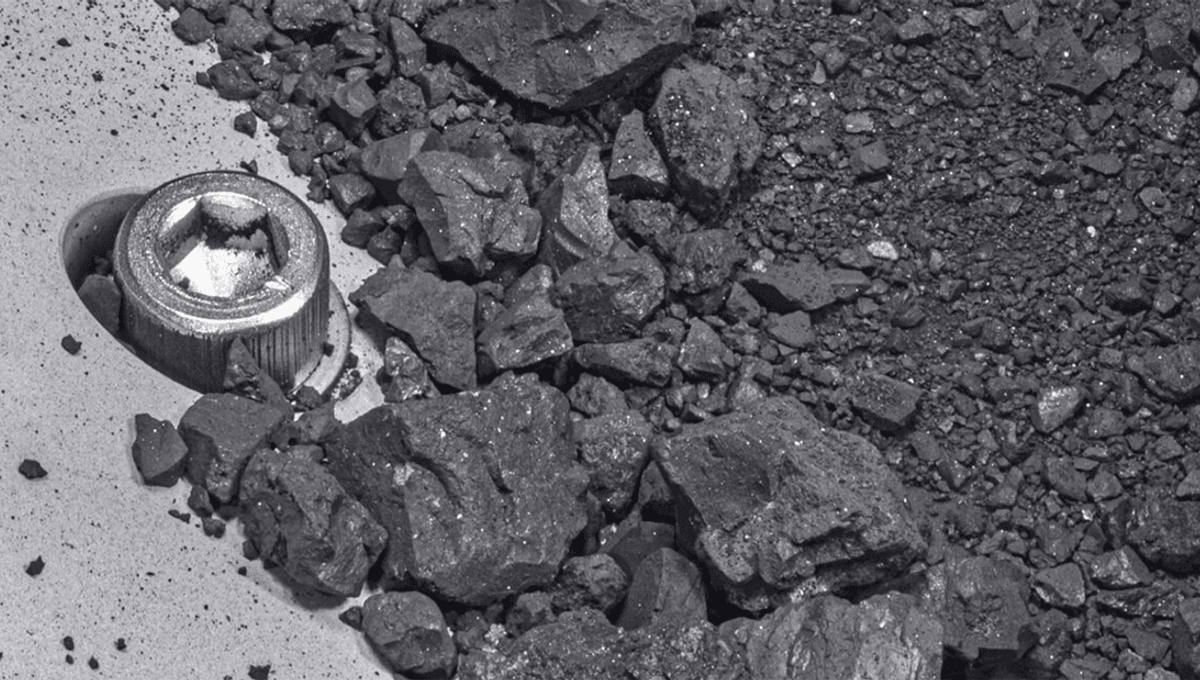
NASA's OSIRIS-REx mission successfully retrieved a sample from the asteroid Bennu, but struggled to open the container holding the sample upon its return to Earth. After months of effort, engineers at the Johnson Space Center in Houston used a specially designed clamp and screwdriver to finally open the container and retrieve around 70 grams of dust and rock. The sample will aid research on the composition of early asteroids and the origins of life, while the engineers will investigate why the fasteners became stuck to improve future space missions.
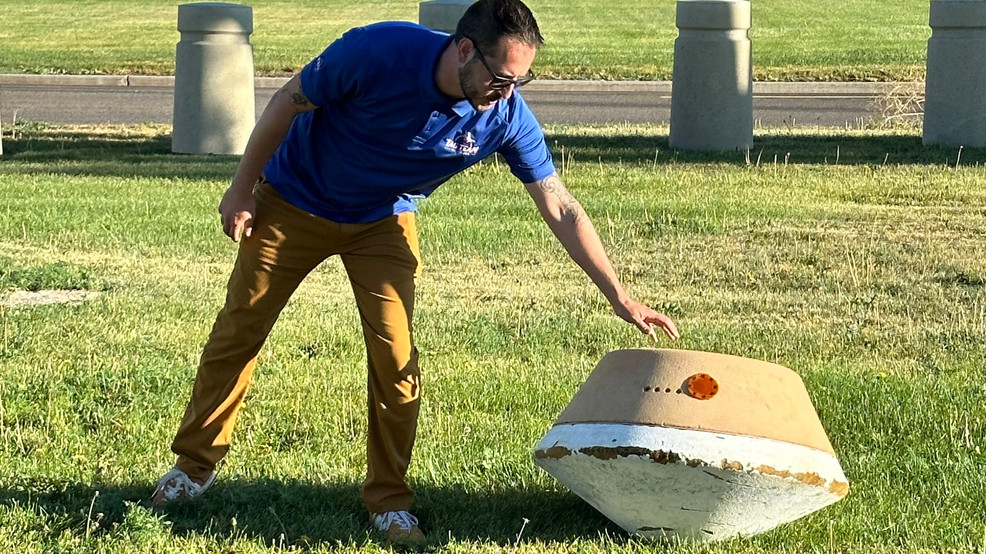
NASA has successfully unlocked the capsule containing the Bennu asteroid sample, collected by the Osiris-Rex spacecraft and dropped in the Utah desert in September 2023. The sample, including dust and rocks up to about 0.4 inch, will be carefully removed and preserved for future research at Johnson Space Center in Houston. Unexpectedly, nearly 3 ounces of Bennu debris stuck on the outside of the capsule were also collected. Scientists hope the asteroid sample will provide valuable insights into the origins of our solar system.
NASA has successfully removed the last two fasteners from the sampler head of the OSIRIS-REx spacecraft, allowing access to the full sample of asteroid Bennu. The team overcame the challenge by developing new tools made of surgical stainless steel, ensuring the pristine conditions needed to avoid sample contamination. This historic asteroid sample, the first in US history, holds valuable insights into the early Solar System and has already surpassed the mission's goal with the initial 70.3 grams of material collected.
NASA successfully returned a sample of asteroid Bennu to Earth, but now faces a problem as they cannot open the Touch-and-Go Sample Acquisition Mechanism (TAGSAM) to access a significant portion of the sample. Two fasteners on the TAGSAM head are stuck, and the current tools approved for use in the glovebox cannot remove them. The team needs to find a way to access the samples without compromising their integrity. Despite this setback, NASA has already accessed 70.3 grams of rocks and dust from the sample and will develop a new technique for removing the fasteners while processing the samples they have already collected.
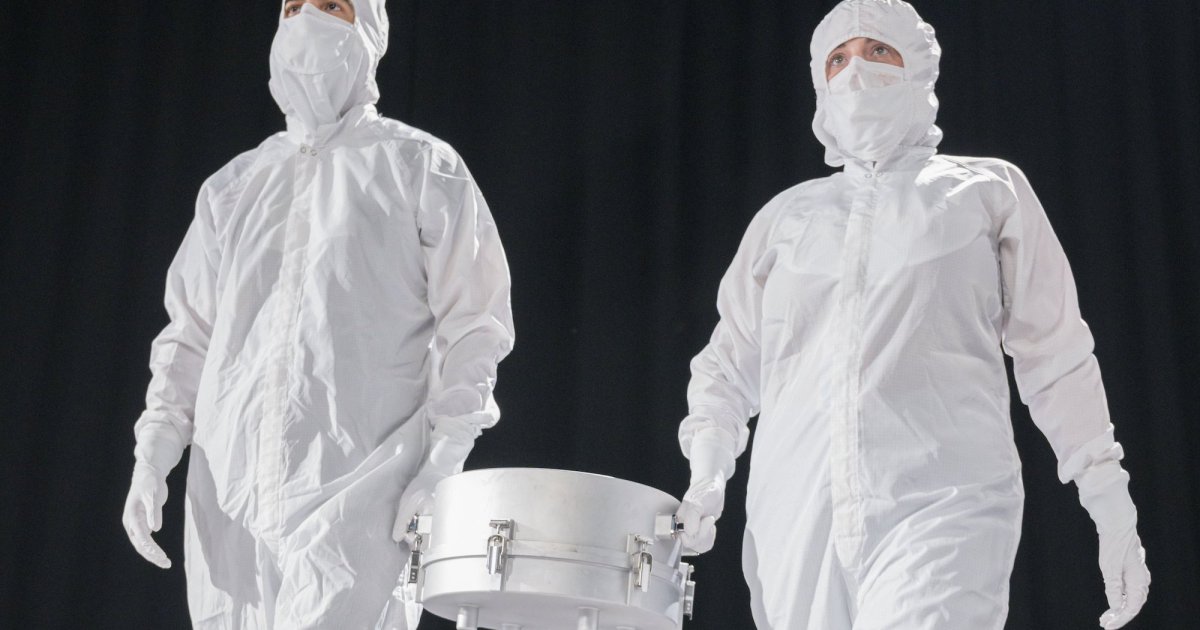
NASA will livestream the reveal of the sample collected from the Bennu asteroid during the OSIRIS-REx mission, marking the agency's first-ever sample retrieval from a distant asteroid. The sample was successfully dropped off in a capsule that landed in the Utah desert and has been transported to the Johnson Space Center in Houston for scientific study. The livestream event will take place on Wednesday, October 11, and viewers can watch it on NASA TV or via the embedded video player on the Digital Trends website.
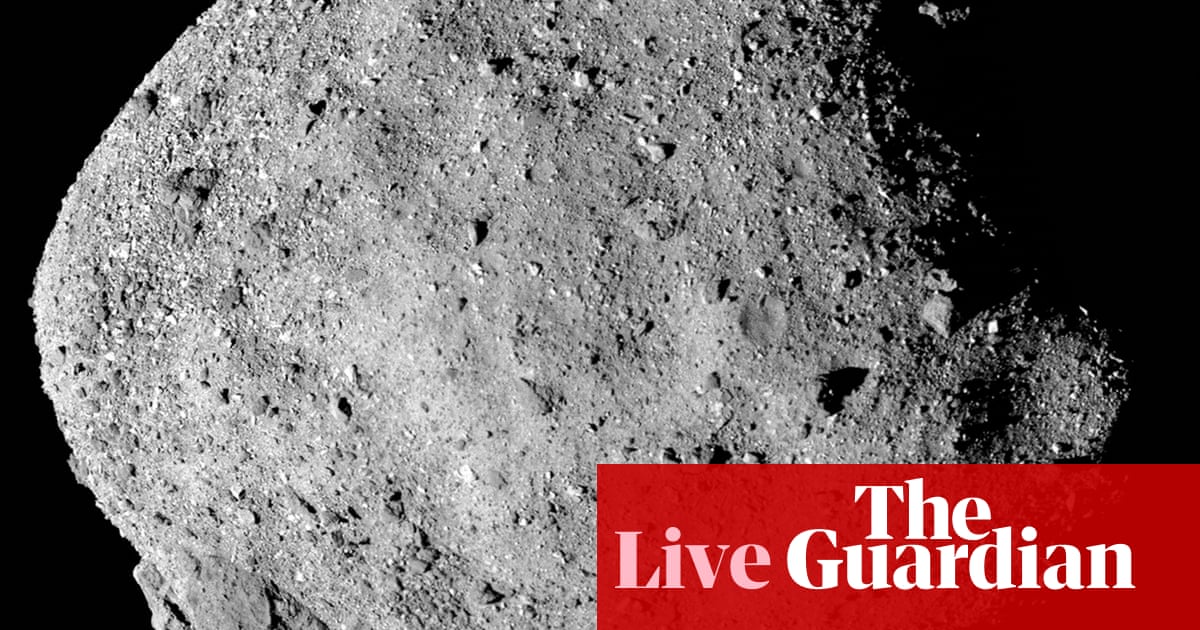
NASA's Osiris-Rex spacecraft has successfully released a capsule containing samples of rubble and dust collected from the asteroid Bennu. The capsule is now hurtling towards Earth at high speed and is expected to land near Salt Lake City at 10:55am ET. Scientists are not concerned about contamination as Bennu has been exposed to harsh radiation in space, ruling out the possibility of it harboring life. The samples could provide insights into the origins of life and help scientists understand how planets formed. Additionally, studying Bennu will aid in predicting and defending against potential asteroid strikes.
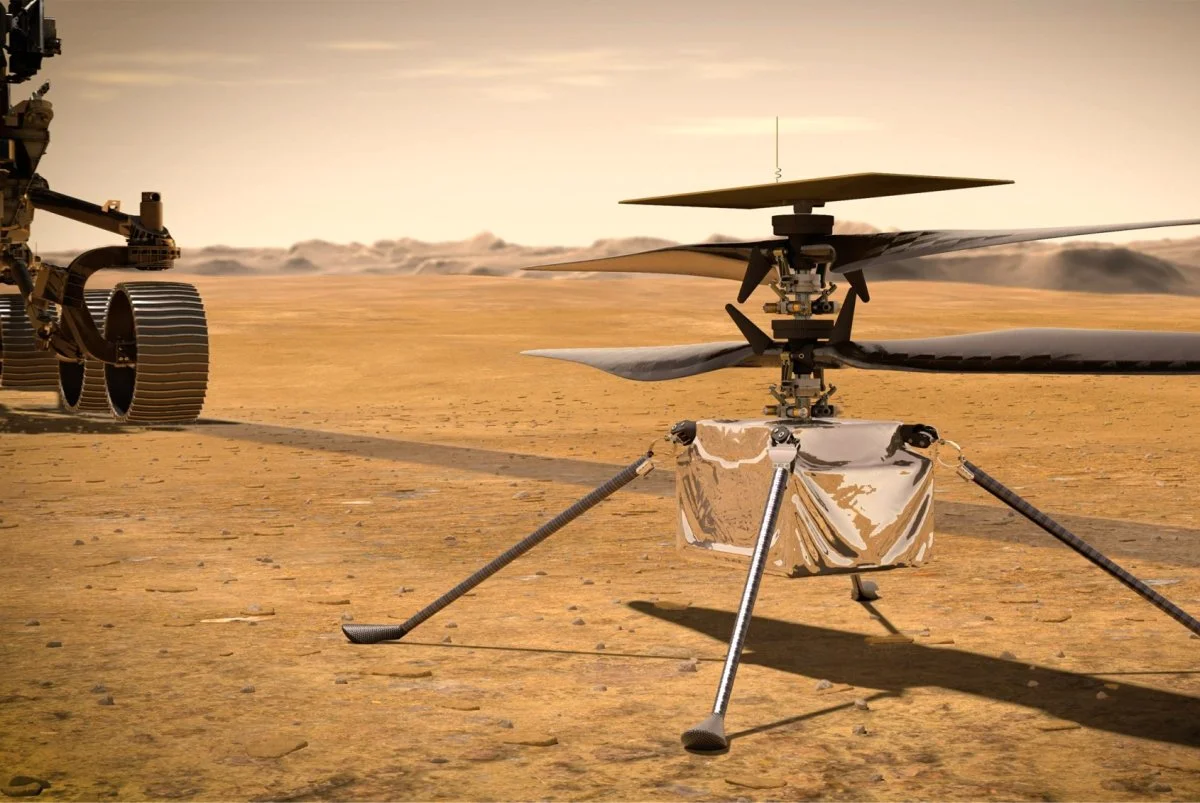
Ingenuity, the small helicopter that has successfully flown over Mars 55 times since April 2021, will continue to map the planet's surface as long as it remains operational. The team behind Ingenuity is now working on building a recovery helicopter to collect geological samples of Martian air, soil, and rocks that the Perseverance rover has been collecting. The success of Ingenuity's flights has demonstrated the feasibility of using helicopters in future sample retrieval missions on Mars.
Officials in Utah are making preparations to retrieve a sample from an asteroid in the state's west desert. The retrieval process involves using a helicopter to transport the sample to a secure location for further analysis.