Tag

Safety Glasses

All articles tagged with #safety glasses

science-and-environment1 year ago

"Reusing Safety Glasses: Post-Solar Eclipse Tips"

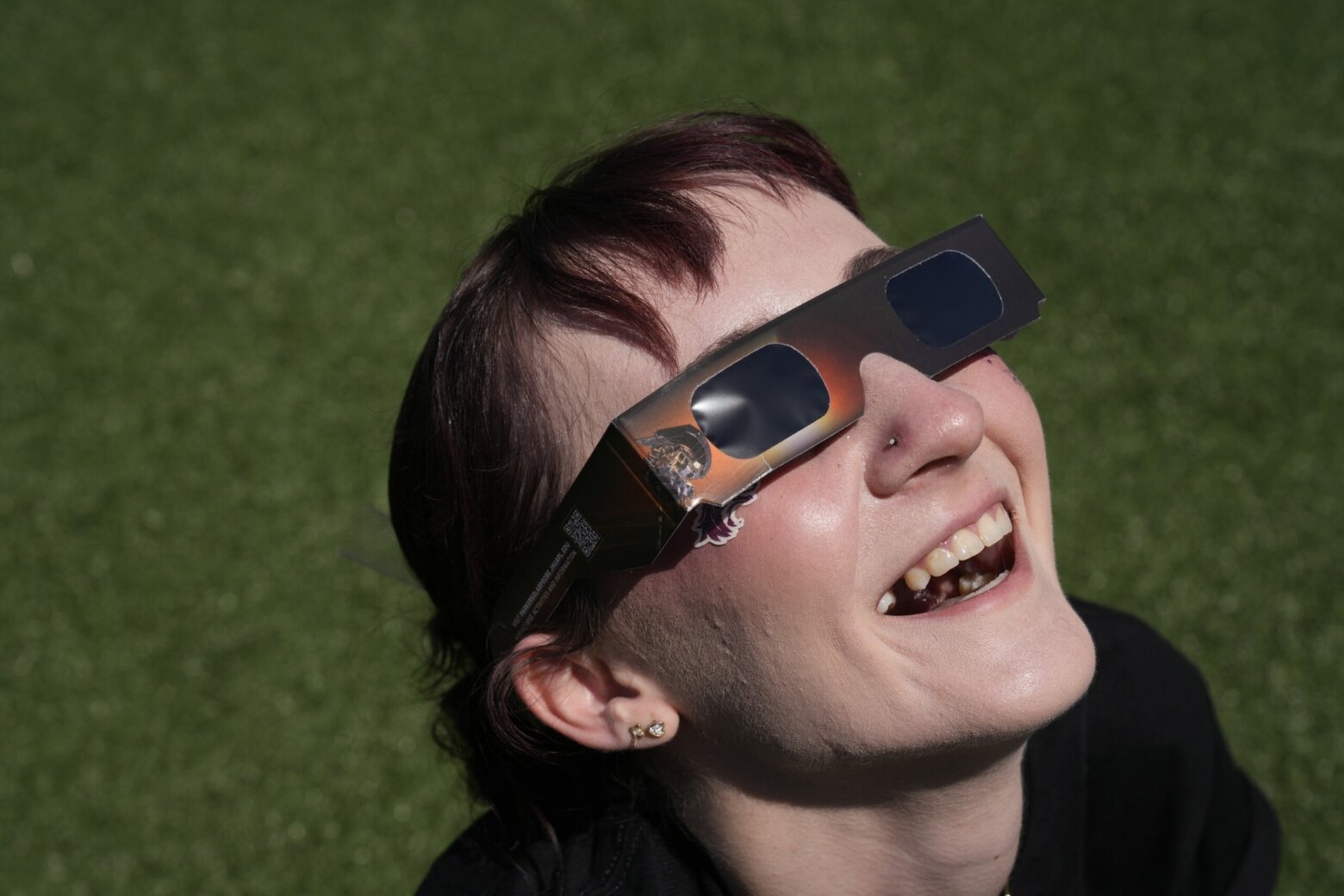
Now that the solar eclipse is over, the American Astronomical Society suggests holding onto eclipse glasses for future use, as they don't expire. Alternatively, organizations like Astronomers Without Borders and Eclipse Glasses USA are collecting used but undamaged glasses to recondition and distribute to people in need, particularly in Latin America, for viewing future eclipses. Warby Parker retail stores and Eclipse Glasses USA are accepting donations of gently-used glasses, and Eclipse Glasses USA has a Give-Back Program for mailing glasses to schools in Latin America for the October 2024 annular eclipse.

astronomy1 year ago

"Essential Guide to Safely Watching the Solar Eclipse"

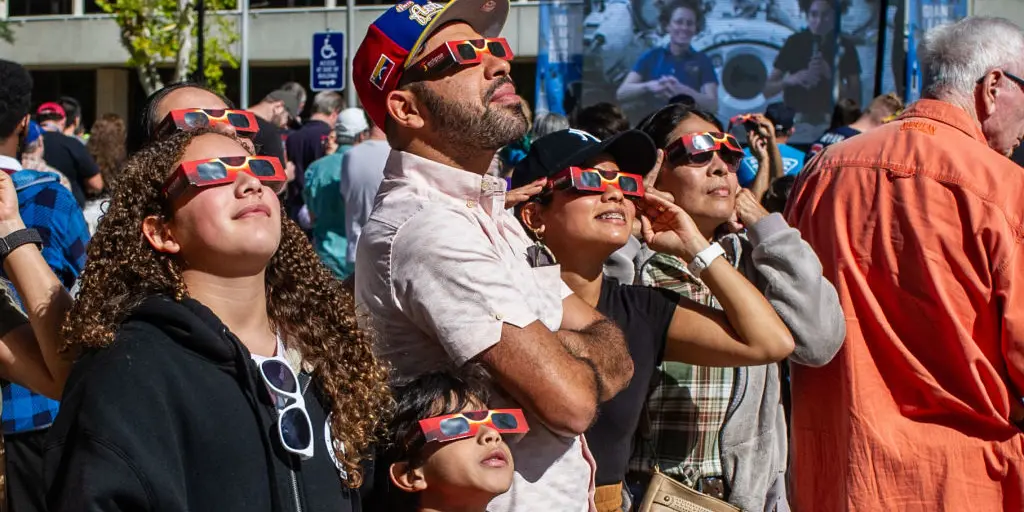
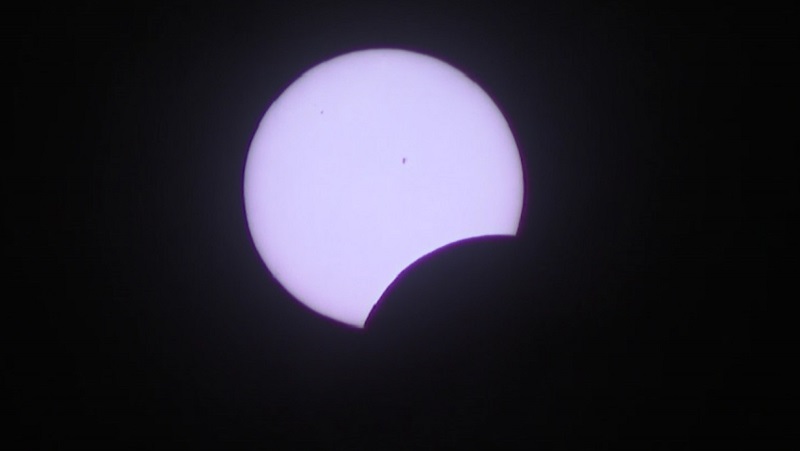
The solar eclipse is happening today, with Rhode Island expecting 90% to 92% coverage. Viewers can watch it live through a special lens on 12 News or join watch parties across the state, with safety glasses available at local libraries and events. For those unable to go outside, a live stream is available on WPRI.com, along with live shots from sister stations. Chief Meteorologist Tony Petrarca is checking in from a watch party in Providence.

astronomy1 year ago

"2024 Total Solar Eclipse: Live Updates, Maps, and How to Watch Online"

A total solar eclipse is visible over North America, with Mexico experiencing totality and schools using the event for practical astronomy lessons. Los Angeles schools are keeping children indoors for safety, while Austin, Texas has issued a disaster declaration to control eclipse-induced chaos. A couple in New York chose to get married during the eclipse, and tourism is booming along the eclipse's path. Nasa planes are racing the eclipse's shadow to study the Sun's atmosphere.

astronomy1 year ago

"North Georgia's Guide to the 2024 Partial Solar Eclipse"

On Monday, a partial solar eclipse will be visible in north Georgia, starting at 1:45 p.m. and reaching its maximum at 3:04 p.m. Some schools have adjusted schedules, and safety glasses compliant with ISO 12312-2 are recommended for viewing. The next total solar eclipse visible in Georgia will occur on August 12, 2045 over southwest Georgia, with subsequent opportunities in 2052 and 2078.

weather1 year ago

"Optimal Viewing: N.J. Solar Eclipse Weather and Safe Viewing Methods"

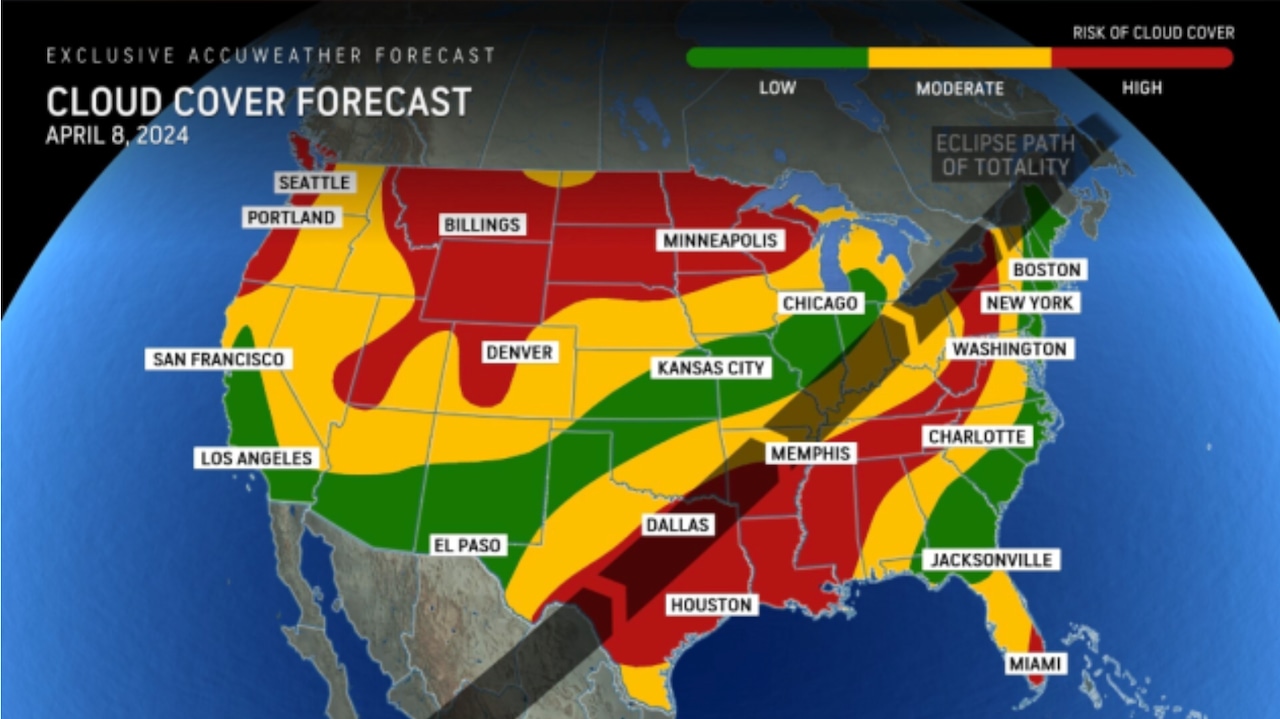
The National Weather Service is predicting mostly sunny skies with some mid-level clouds during the solar eclipse in the New Jersey region on Monday, April 8. Forecasters from AccuWeather also anticipate a low chance of cloud cover, advising sky watchers to wear special safety glasses to protect their eyes. The eclipse will occur in the afternoon, with the moon blocking about 90% of the sun, creating a crescent-shaped appearance. Special solar filters are needed for taking photos of the eclipse, and experts emphasize the importance of wearing safety glasses when looking at the sun.

astronomy1 year ago

"2024 Total Solar Eclipse: Safely Viewing Path and Best States to See"

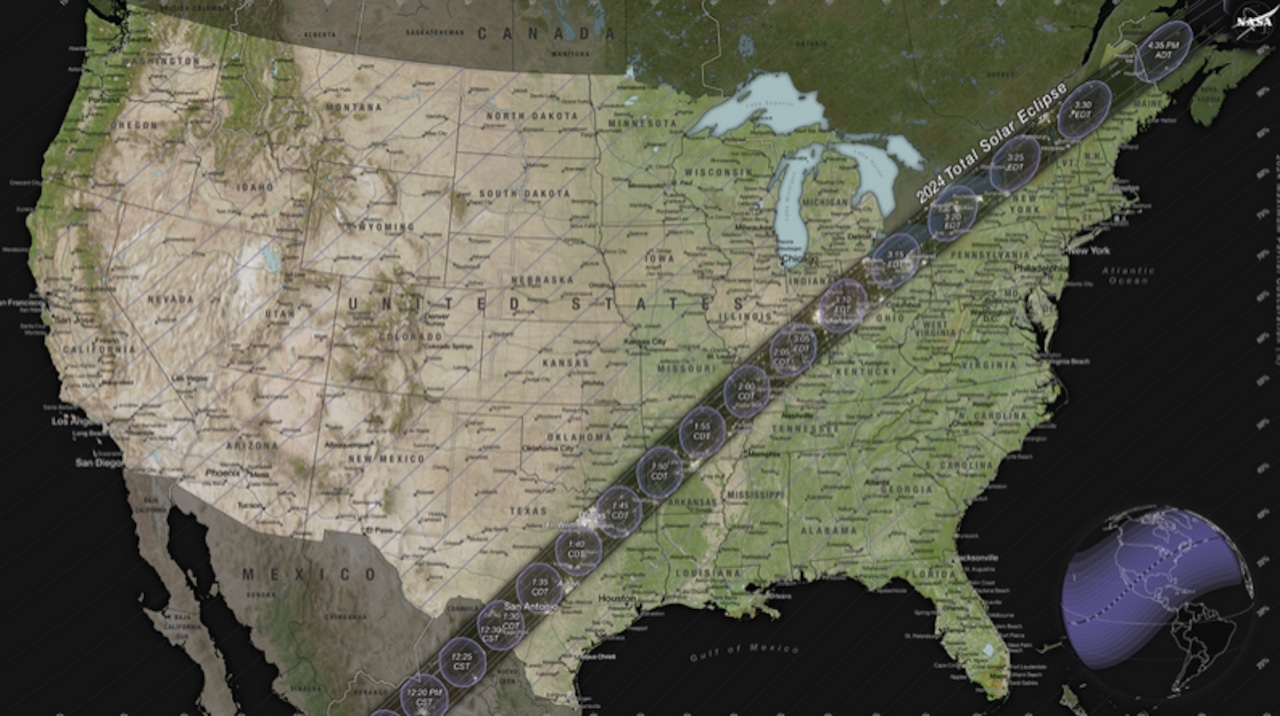
The total solar eclipse on April 8, 2024, will be visible from Mexico through the United States and up through Canada, with 15 states along the path of totality experiencing the moon's shadow completely covering the sun. Residents in these states will witness the sky becoming dark as if it were dawn or dusk, and may see the sun's corona, our outer atmosphere. The eclipse will last between 3.5 and 4 minutes for most places along the path of totality, and safety glasses are necessary for viewing.

astronomyevents1 year ago

"Texas Communities Declare Disaster Ahead of Great North American Eclipse"

Several Texas communities have issued disaster declarations ahead of the Great North American Eclipse on April 8, as they anticipate a surge in visitors seeking the best view of the celestial event. The path of totality, where the Moon will completely block the Sun, will pass through Central Texas, leading to concerns about extreme traffic congestion, strain on infrastructure, and demands for food and fuel supplies. Spectators are advised to wear specialized safety glasses to protect their eyes during the eclipse, and residents are urged to prepare for the event as they would for a natural disaster. If missed, the next total solar eclipse of this magnitude won't occur until 2045.

astronomy1 year ago

"2024 Total Solar Eclipse: Best Viewing Locations and Unique Experience"

The solar eclipse of 2024 will darken the daytime sky as the moon passes in front of the sun on April 8, with the "path of totality" spanning 14 U.S. states and parts of Canada. Cities like Austin, Dallas, and Fort Worth in Texas, as well as Buffalo, Rochester, and Syracuse in New York, are among the best places to witness the eclipse. While New Jersey won't experience totality, about 90% of the sun will be obscured, with the maximum darkness occurring at 3:24 p.m. Eastern time. Special safety glasses are essential for viewing the eclipse, and experts advise using certified glasses with solar filters to protect eyes from damage.

astronomy1 year ago

"2024 Solar Eclipse: Path, Precautions, and Viewing Tips for Midwest and Southern States"

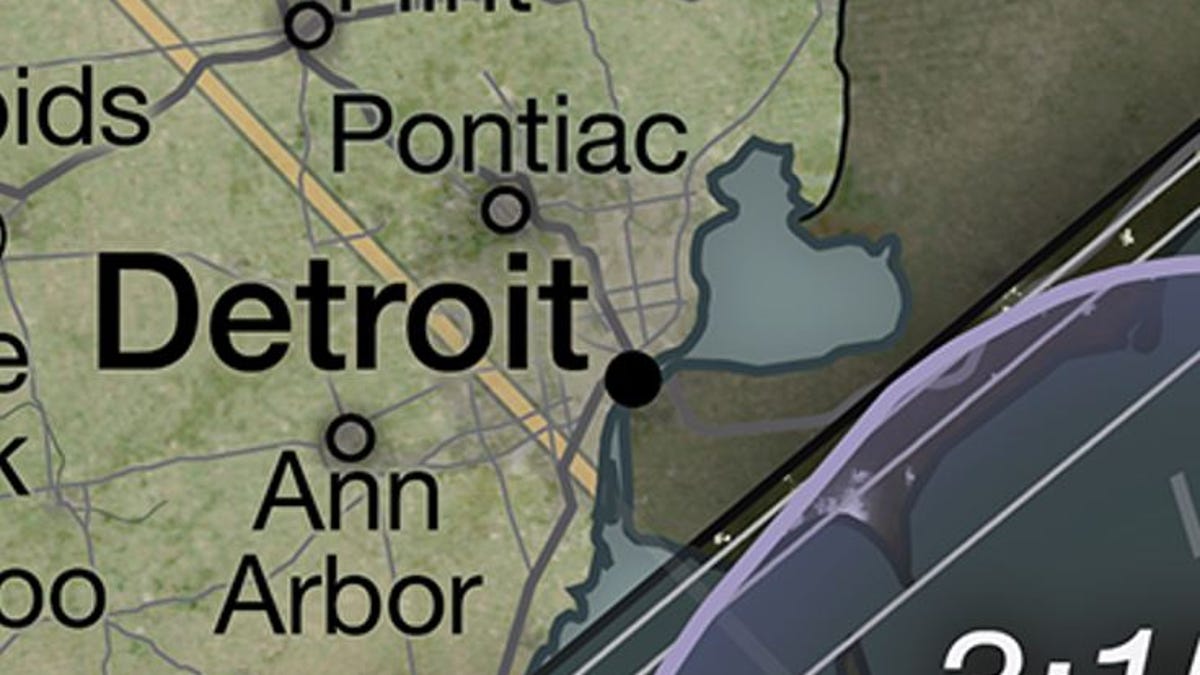
The 2024 total solar eclipse on April 8 will only be visible in a small part of Michigan, with the southeastern corner of the state in the path of totality. Erie Township is expected to be the best spot to view the eclipse in Michigan, while Luna Pier is also listed as being in the path. A user-generated Google map and NASA map provide details on the areas in the path of totality. For a more certain viewing experience, traveling south to Toledo or Cleveland is recommended, and eclipse safety glasses are essential for eye protection.

science-and-technology2 years ago

"Upcoming Solar Eclipse Events in Various US Cities"

San Diego will experience a partial annular solar eclipse on October 14, 2023, and viewers will need safety glasses or special tools to protect their eyes. NASA advises against looking directly at the sun, even with a telescope or camera lens. Free glasses for the eclipse can be obtained at events hosted by the Fleet Science Center and San Diego Public Libraries. Alternatively, viewers can create their own pinhole projectors or purchase ISO-compliant solar eclipse glasses.