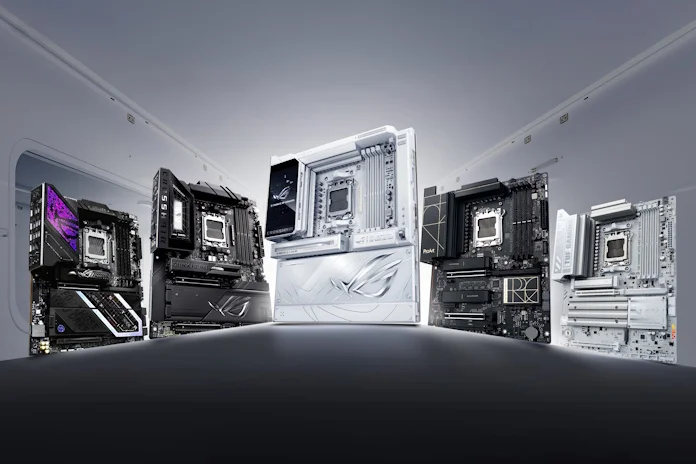
ASUS has launched a refined lineup of AM5 motherboards featuring new technologies, optimized PCIe lane layouts, improved DDR5 memory support, a new BIOS UI, and easier building features, catering to gamers, creators, and PC enthusiasts with models from ROG Crosshair, ROG Strix, TUF Gaming, and ProArt.
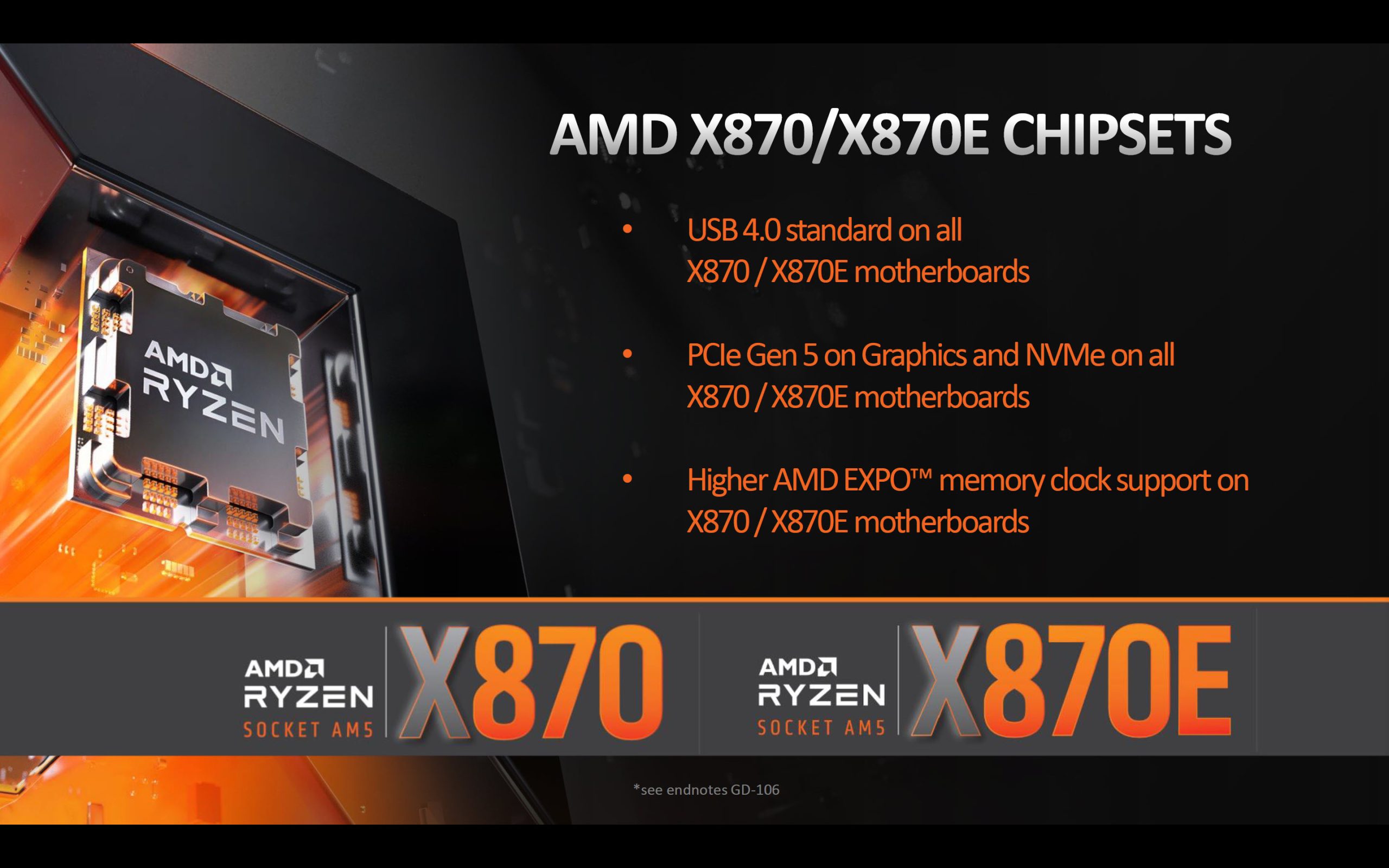
AMD has introduced its 2nd Generation AM5 platform with the new 800-series chipsets, starting with the high-end X870E and X870 motherboards. These new chipsets offer enhanced features like USB 4.0, PCIe Gen5, and higher memory clock support, and are designed to support future Ryzen CPUs, including the Zen 5-based Ryzen 9000 series. AMD has also extended the longevity of the AM5 platform beyond 2027, ensuring support for multiple generations of Ryzen CPUs.
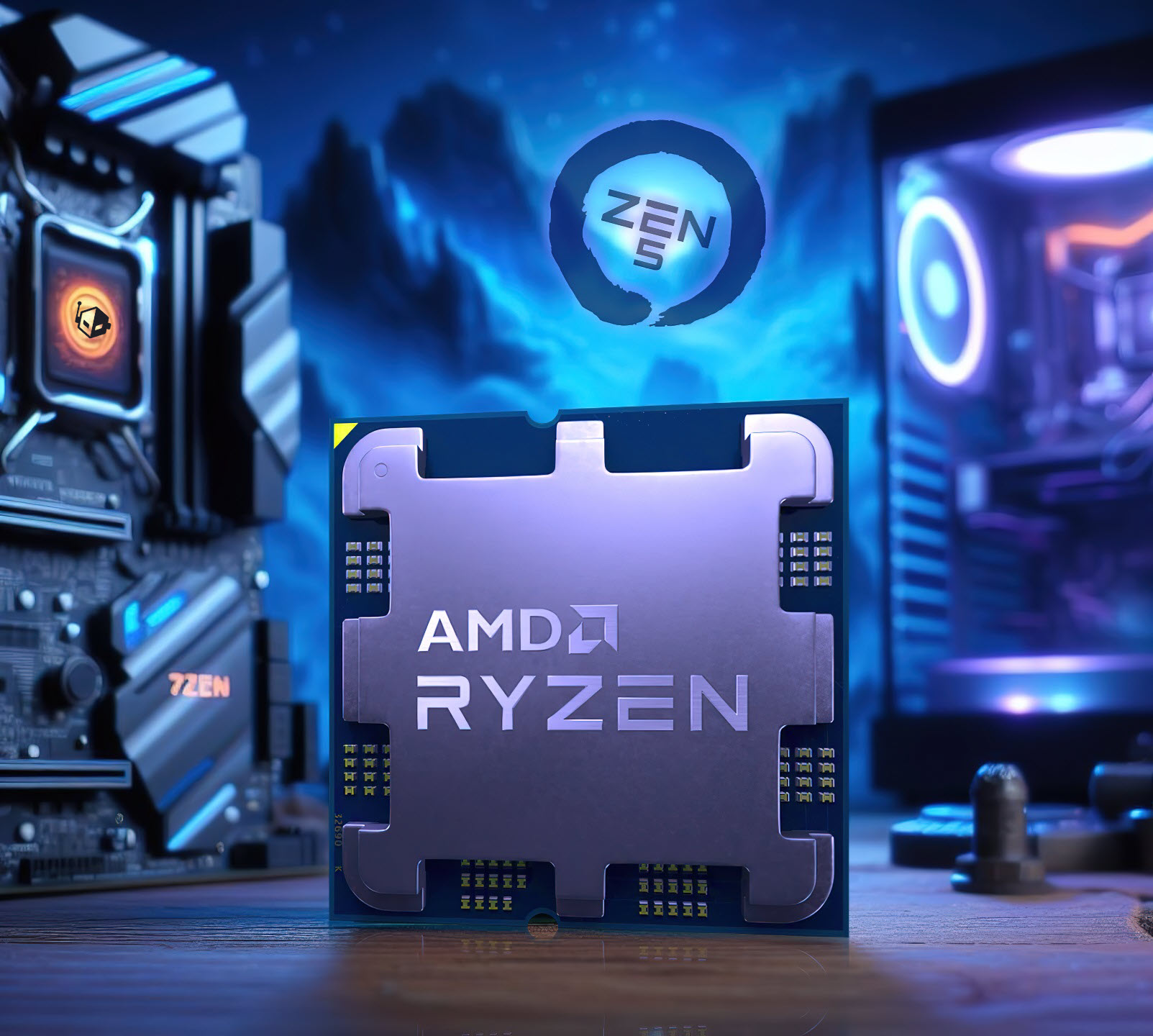
AMD's next-generation Ryzen CPUs, codenamed Granite Ridge and powered by the Zen 5 core architecture, have entered mass production and are expected to be compatible with the AM5 desktop platform. These CPUs are set to launch in the second half of 2024 and will feature enhanced performance, efficiency, and integrated AI and machine learning optimizations. AMD's commitment to its AM5 socket and desktop platforms is strong, with a 2025+ plan and support extending over 7 years.
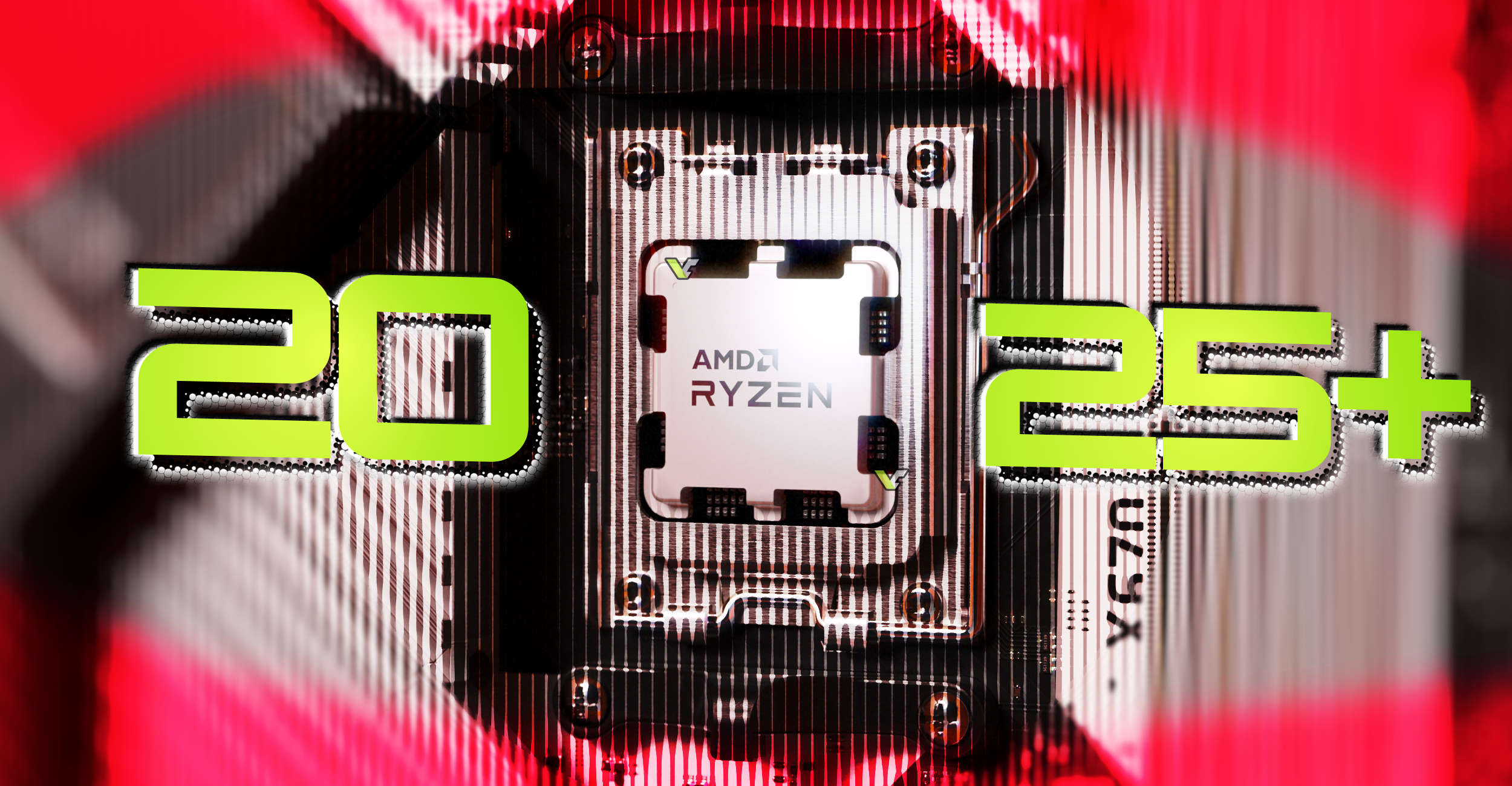
AMD reaffirms its commitment to the AM5 socket, pledging long-term support through 2025 and beyond. The company's decision to stick with the AM5 socket is driven by the success of the AM4 platform and the desire to minimize upgrade costs for consumers. In contrast, Intel has not made similar promises regarding socket support. With the AM5 socket becoming more affordable and the Ryzen 7000 series seeing price drops, AMD's commitment to the platform is gaining attention from gamers. The AM5 socket is expected to receive support for at least 6 to 7 years, with rumors suggesting new processors and improved memory support in the future.