Linux Patch Disables RDSEED on AMD Zen 5 CPUs
A new Linux patch proposes disabling RDSEED on all AMD Zen 5 CPUs due to a bug causing silent failures, with AMD investigating a more targeted solution.

All articles tagged with #zen 5
A new Linux patch proposes disabling RDSEED on all AMD Zen 5 CPUs due to a bug causing silent failures, with AMD investigating a more targeted solution.
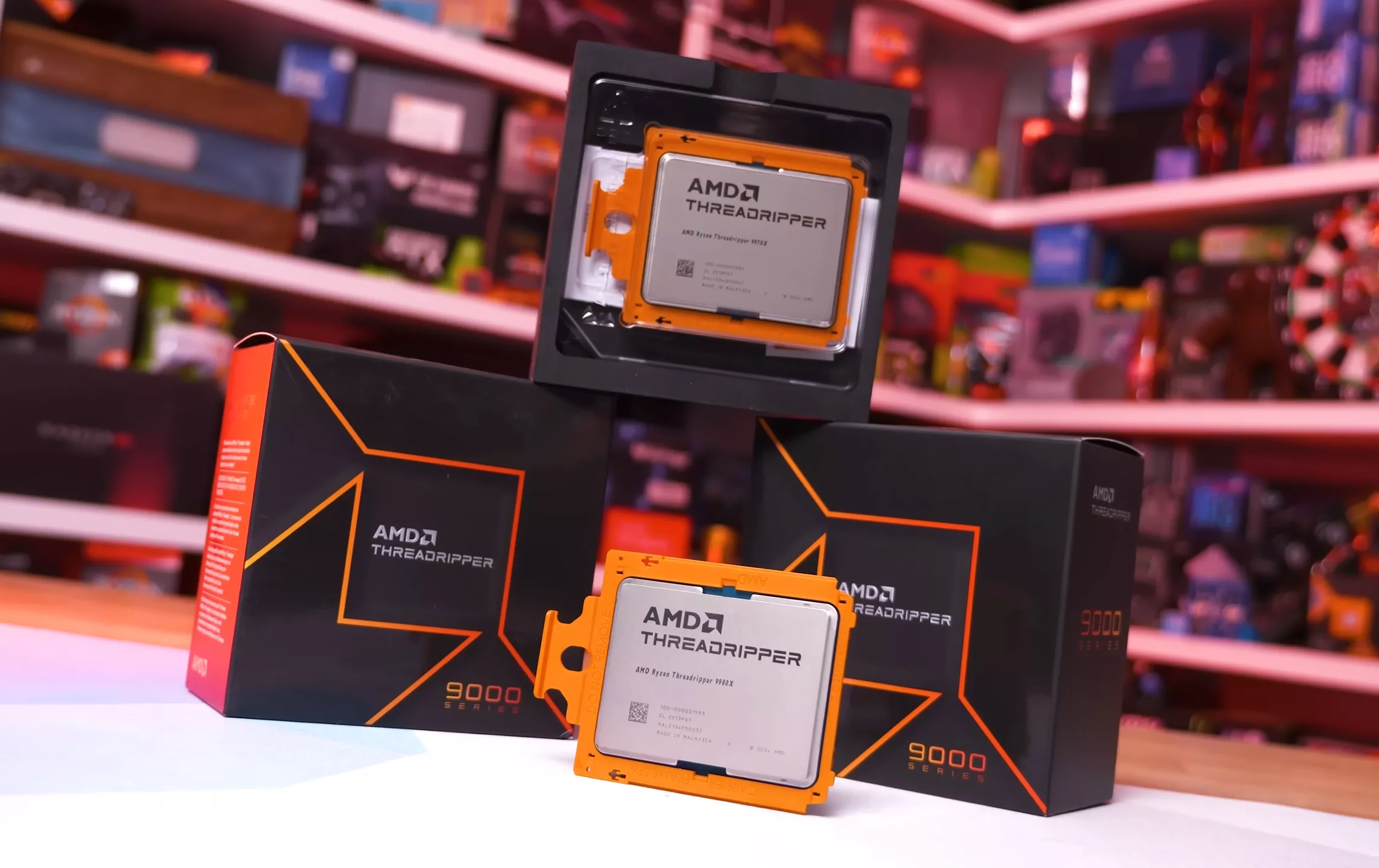
The AMD Ryzen Threadripper 9980X, built on Zen 5 architecture with 64 cores and 128 threads, offers significant performance improvements over previous models, with up to 18% higher scores in multi-core benchmarks, while maintaining platform compatibility and efficiency. It is targeted at high-end desktop and workstation users, providing substantial power and performance gains, especially in professional workloads, but at a high price point.
AMD's new Threadripper 9000 series, based on Zen 5 architecture, will be available starting July 31 with prices ranging from $1499 to $4999 USD for different core configurations, and initial benchmarks are promising, primarily tested on Windows 11.
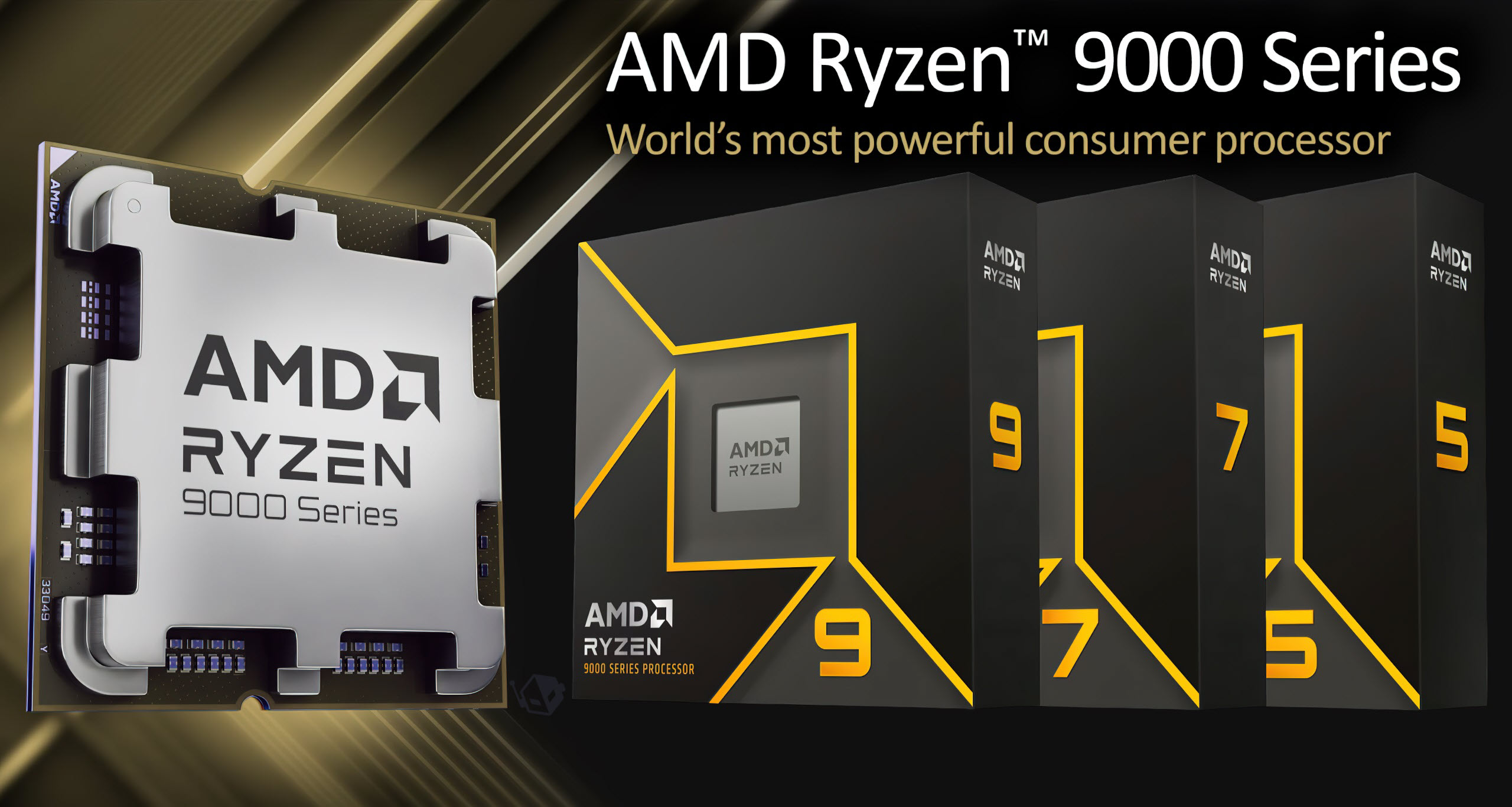
AMD's Ryzen 9000 "Zen 5" desktop CPUs have seen significant price reductions, with the 12-core 9900X now priced at $359, a 28% drop from its original MSRP. These discounts, offered by retailers like Microcenter, enhance the value and performance competitiveness of the Ryzen 9000 series against Intel's offerings. The price cuts make the Ryzen 9 9950X, 9900X, 9700X, and 9600X more attractive, with reductions ranging from 12.3% to 28%, positioning them as strong contenders in both gaming and multithreaded workloads.
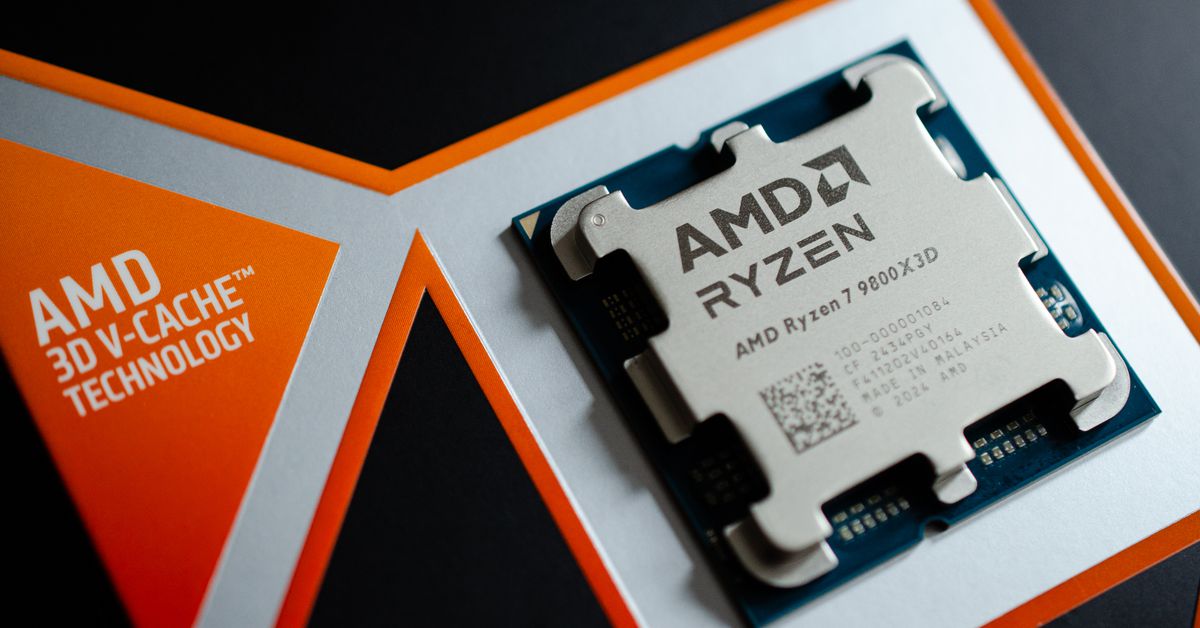
AMD's new Ryzen 7 9800X3D, priced at $479, is set to enhance gaming and productivity performance with its Zen 5 architecture and second-generation 3D V-Cache. It offers significant improvements over the Ryzen 7 7800X3D, with an 8% boost in gaming and up to 27% in productivity tasks. The 9800X3D outperforms Intel's Core Ultra 9 285K in gaming, though Intel still leads in productivity. The CPU supports overclocking and features a new design for better cooling and performance, making it a top choice for gamers and creators.
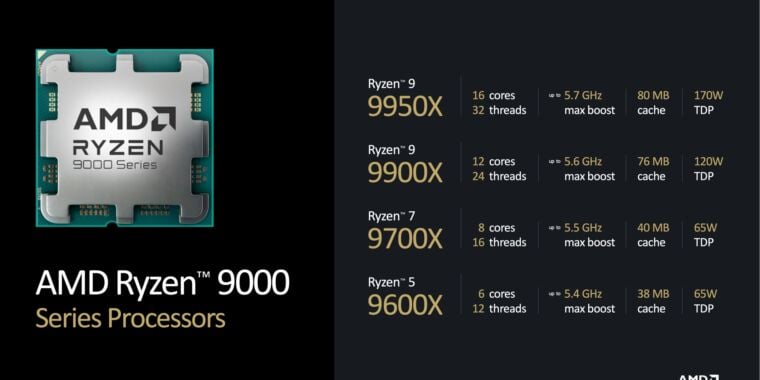
AMD has announced its Ryzen 9000 processors, boasting improved power efficiency and performance over the Ryzen 7000 series. The company has lowered the default power limits for most of the new chips, allowing for better overclocking headroom. Additionally, AMD has extended support for the AM5 socket until at least 2027, ensuring compatibility with future CPU releases.
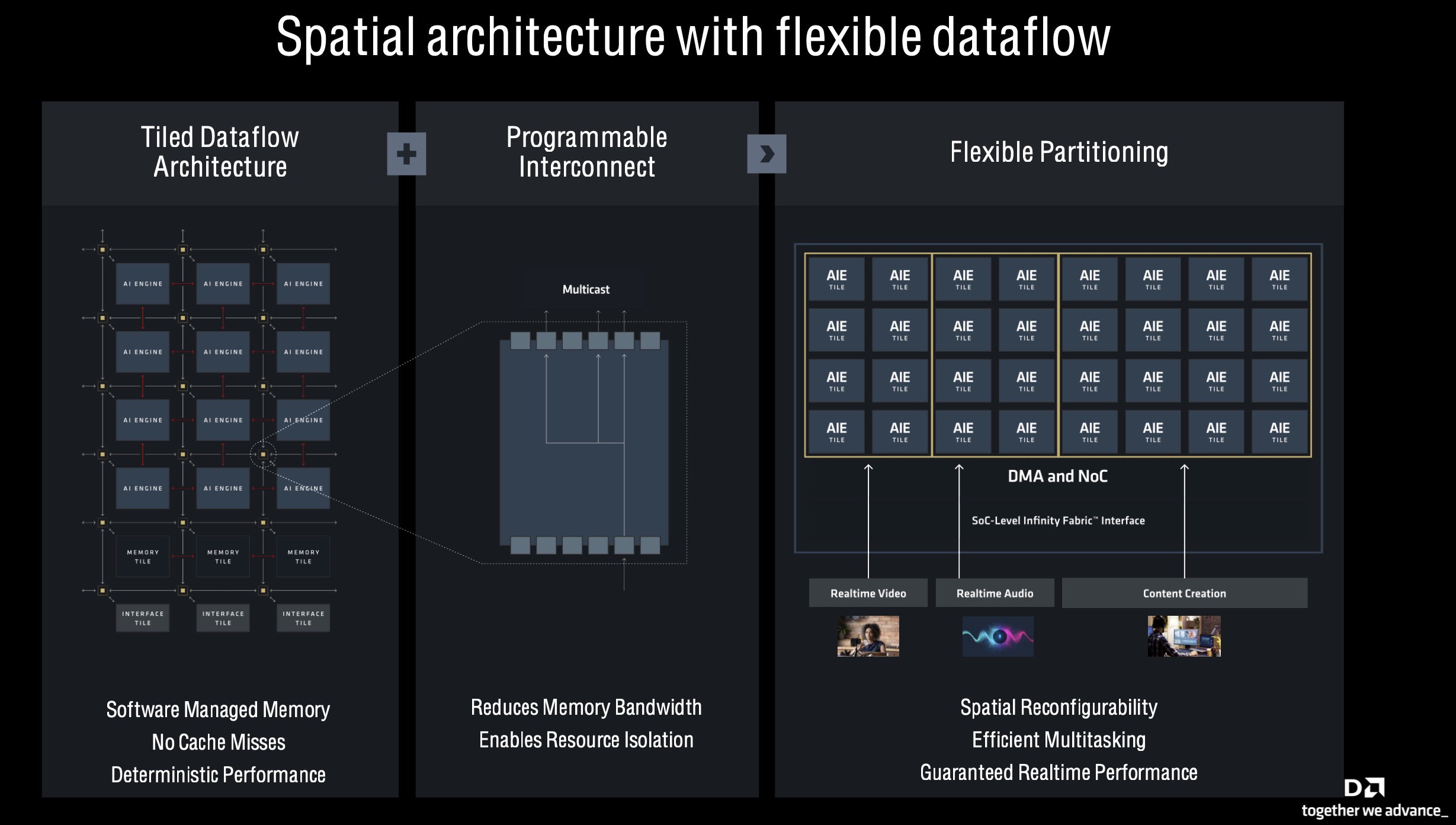
AMD has unveiled three key architectures for its 2024 products: Zen 5 CPU cores, RDNA 3.5 GPU IP, and XDNA 2 NPU accelerator. Zen 5 offers a 16% IPC uplift and comes in two variants, while RDNA 3.5 focuses on improved performance and efficiency. XDNA 2, derived from Xilinx, enhances AI capabilities. These advancements aim to keep AMD competitive against Intel's upcoming releases.
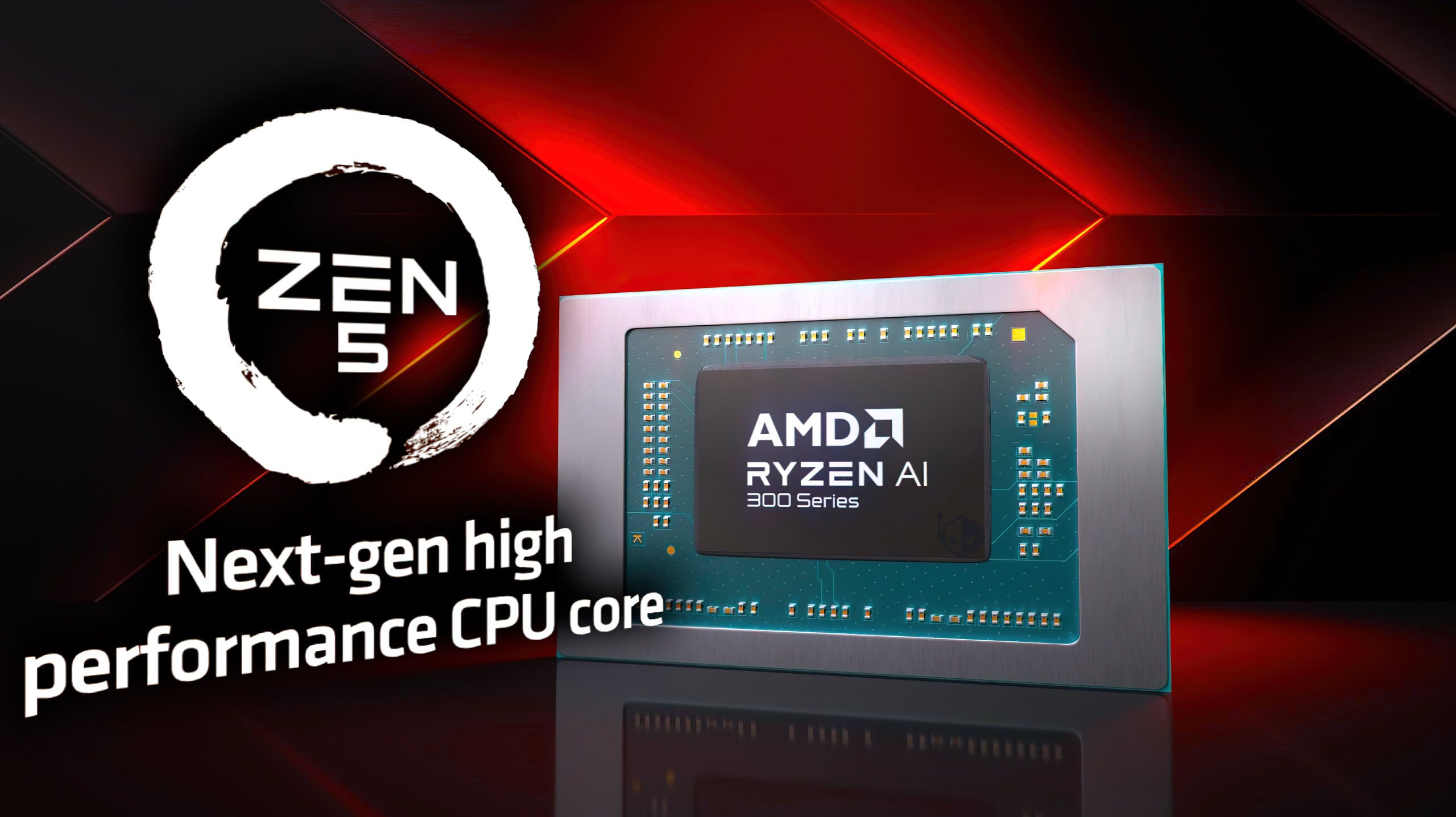
AMD has unveiled its new Zen 5 microarchitecture, powering the Ryzen AI 300 series for mobile and Ryzen 9000 series for desktops. The Zen 5 architecture offers significant improvements in performance and efficiency, including a 16% increase in instructions per cycle (IPC) over Zen 4. The Ryzen AI 300 series features the XDNA 2 NPU for enhanced AI capabilities, while the Ryzen 9000 series supports the AM5 platform and introduces new overclocking features. Both series aim to deliver better performance and power efficiency across various computing tasks.
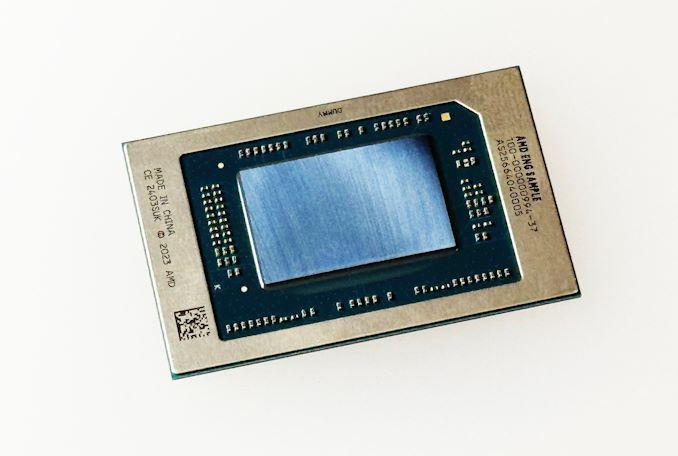
Leaked benchmarks for the AMD Ryzen AI 9 HX 370 "Strix" APU reveal impressive multi-threaded performance, with its 12 Zen 5 cores nearly matching the performance of 16 Zen 4 cores. The APU, part of the upcoming Ryzen AI 300 series, is set to debut in high-end laptops later this month, showcasing significant generational improvements in core count, compute units, and AI capabilities.
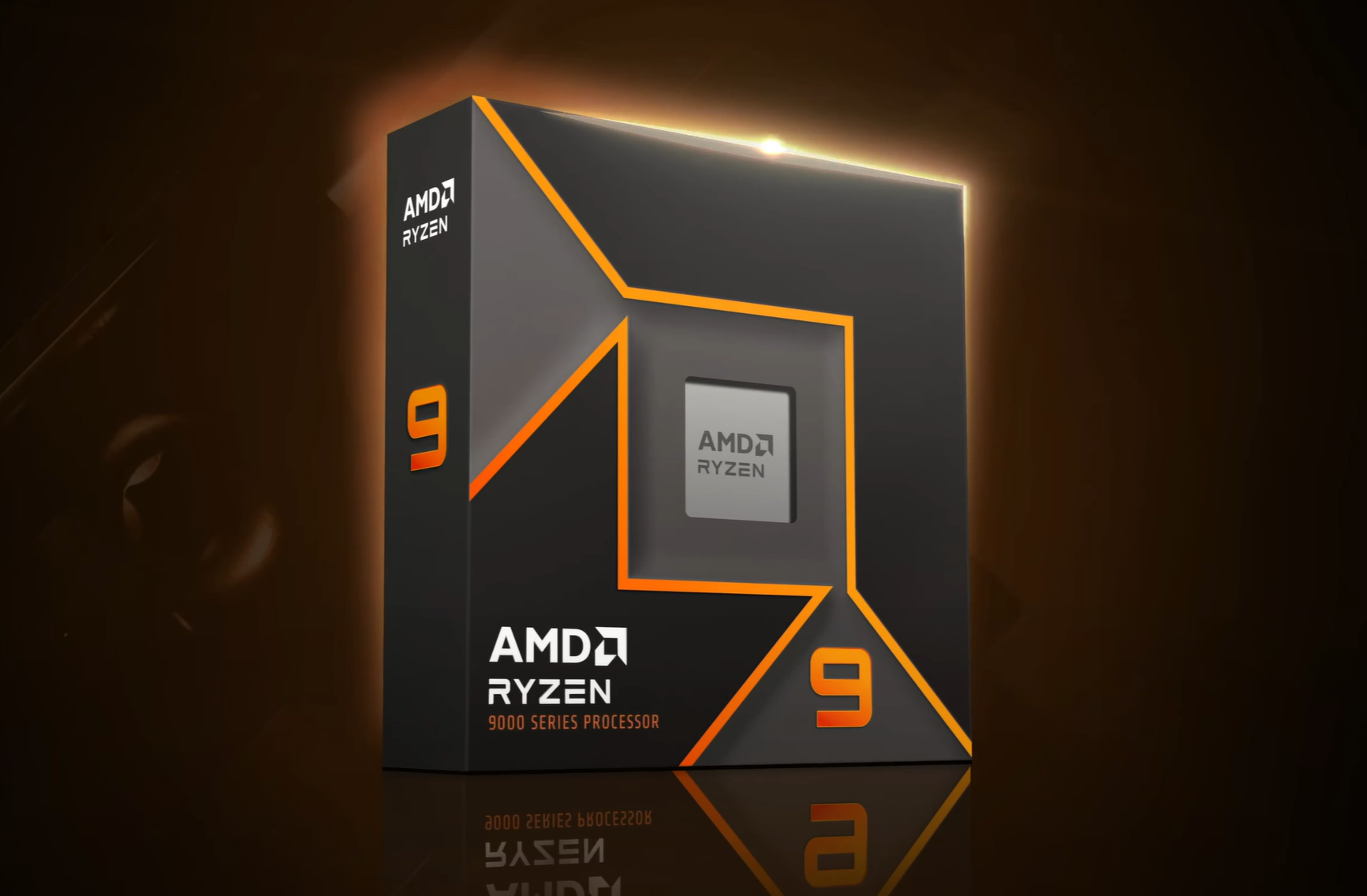
AMD's next-gen Ryzen 9 9900X and 9950X "Zen 5" CPUs were showcased at Computex 2024, demonstrating significant gaming performance improvements. The Ryzen 9 9900X, paired with a Radeon RX 7900 XTX GPU, achieved impressive frame rates in the Avatar: Frontiers of Pandora game benchmark. The Ryzen 9 9950X, featuring 16 Zen 5 cores, is also ready for retail, with AMD confirming the longevity of its AM5 platform beyond 2027.
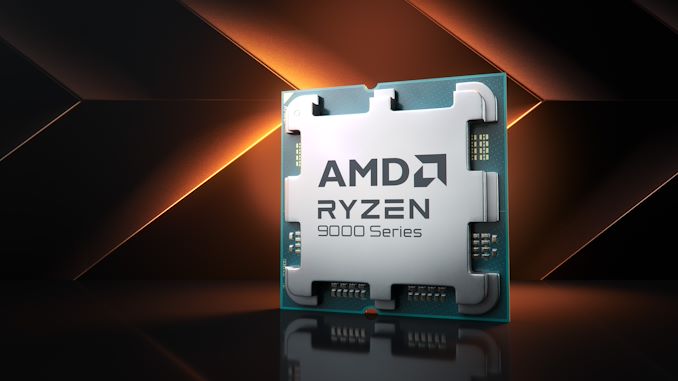
AMD has unveiled its Ryzen 9000 series desktop CPUs featuring the new Zen 5 microarchitecture at Computex 2024. The lineup includes the flagship Ryzen 9 9950X with 16 cores and a 5.7 GHz boost clock, alongside other models with 6, 8, and 12 cores. The new CPUs promise a 16% IPC improvement over Zen 4 and will use the AM5 socket. New X870E and X870 chipsets will support USB 4.0, PCIe 5.0, and faster EXPO memory profiles. The Ryzen 9000 series is set to launch in July 2024.
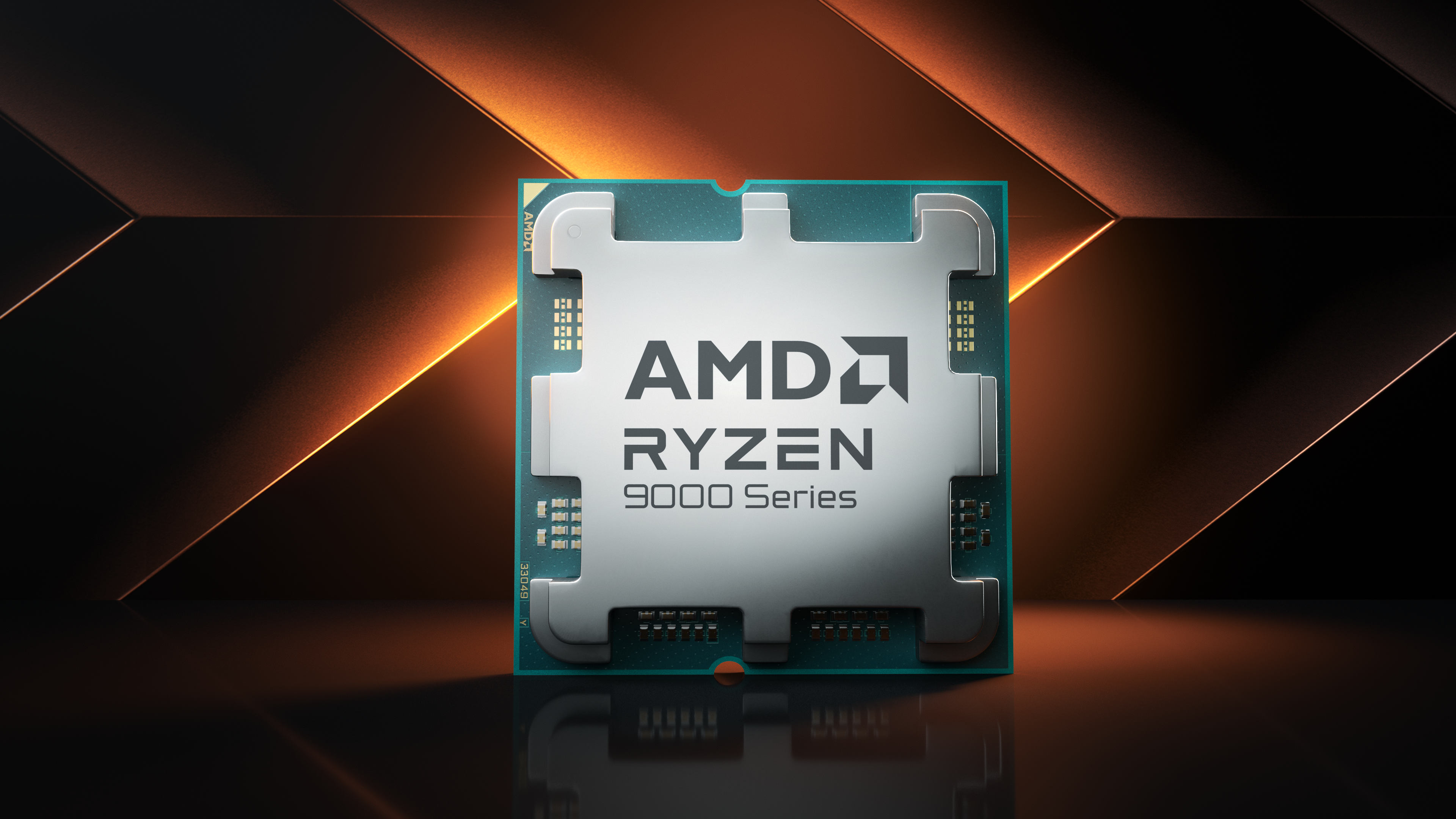
AMD has announced its Ryzen 9000 "Zen 5" Desktop CPUs, featuring up to 16 cores, 5.7 GHz clock speeds, and a 16% IPC improvement over Zen 4. The new lineup includes the Ryzen 9 9950X, 9900X, 9700X, and 9600X, all built on TSMC's 4nm process. These CPUs offer significant performance gains in both productivity and gaming, with enhanced memory support and improved AI capabilities. Pricing details are yet to be disclosed, but the CPUs are expected to launch in July.
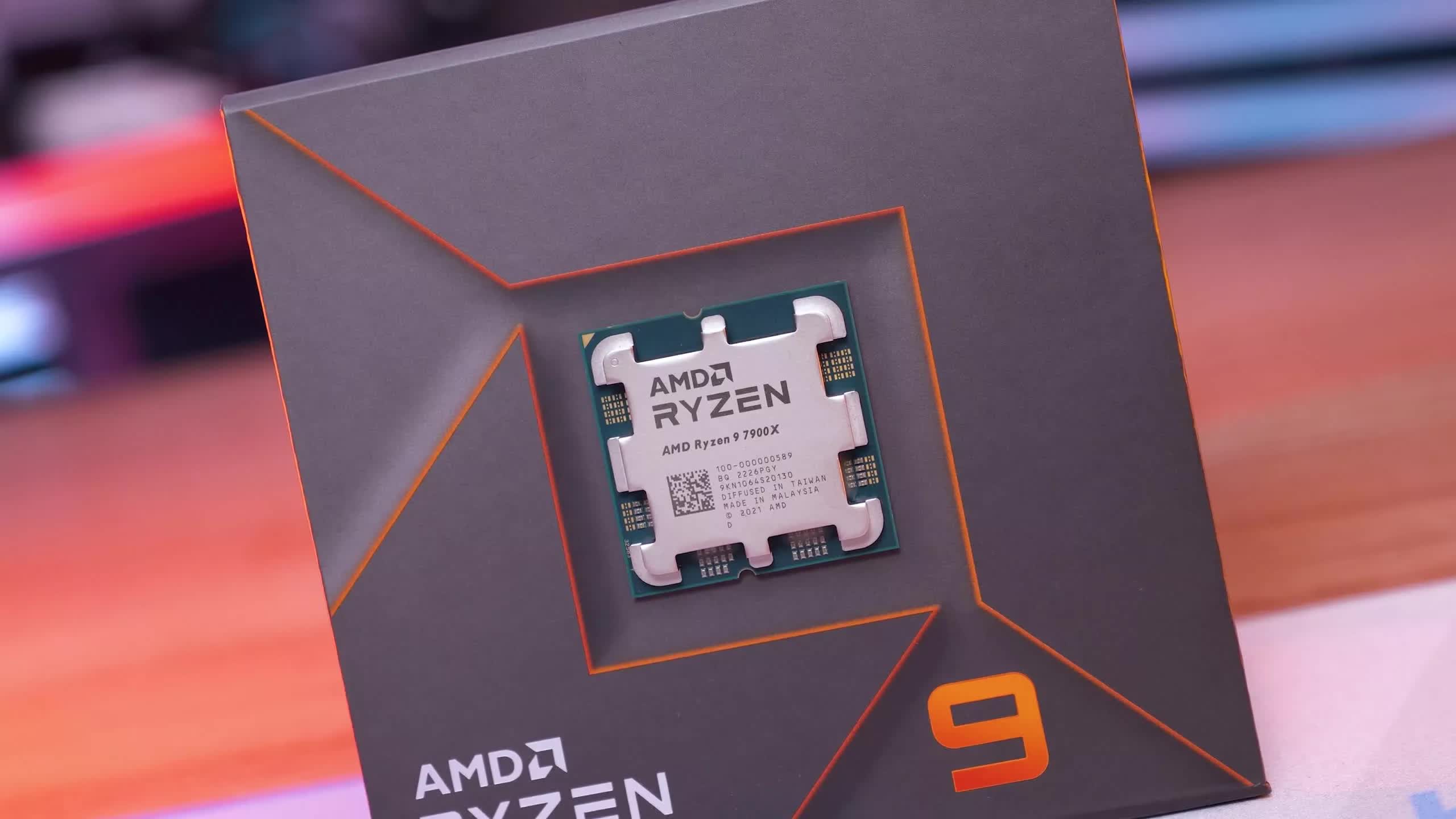
Details about AMD's upcoming Ryzen 9000 series desktop CPUs, codenamed "Granite Ridge," have leaked ahead of their expected Computex 2024 launch. The lineup includes four Zen 5 processors ranging from 6 to 16 cores, manufactured using TSMC's 4nm EUV technology. The new chips promise significant performance and efficiency improvements, with potential DDR5 memory support beyond 6,000MHz. The CPUs are already in mass production, with a launch anticipated in the second quarter of the year.
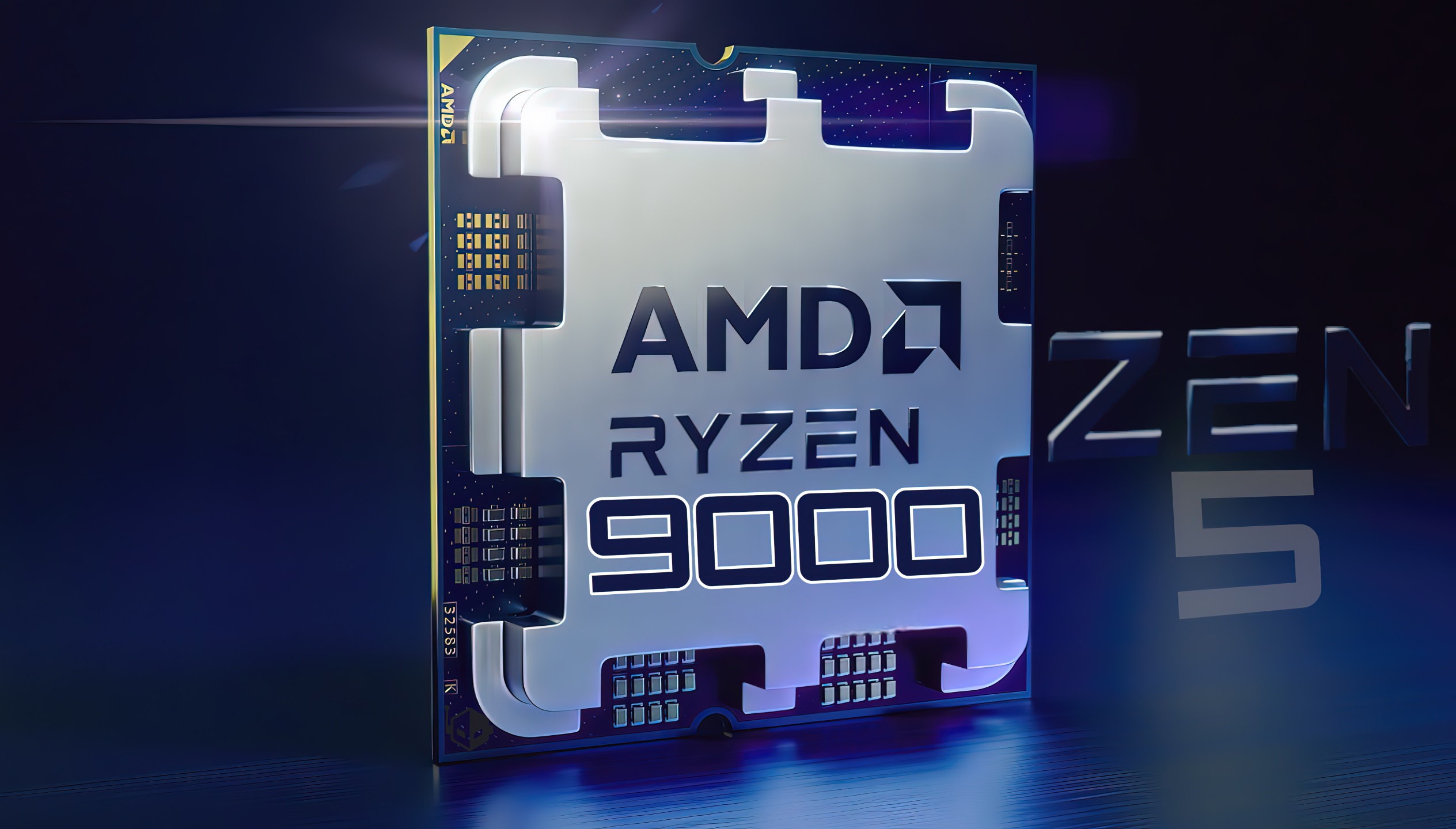
AMD's upcoming Ryzen 9000 "Zen 5" desktop CPUs, codenamed Granite Ridge, are rumored to have the same MSRP as the current Ryzen 7000 series. This pricing strategy could position AMD strongly against Intel's 14th Gen CPUs, with the new lineup expected to offer significant performance improvements. The Ryzen 9000 series is anticipated to debut at Computex 2024.

Rumors suggest that AMD's upcoming Ryzen 9000 "Zen 5" desktop CPUs will be priced the same as the current Ryzen 7000 series, maintaining the same MSRP. This pricing strategy could position AMD strongly against Intel's 14th Gen CPUs, with the new lineup expected to debut at Computex 2024.