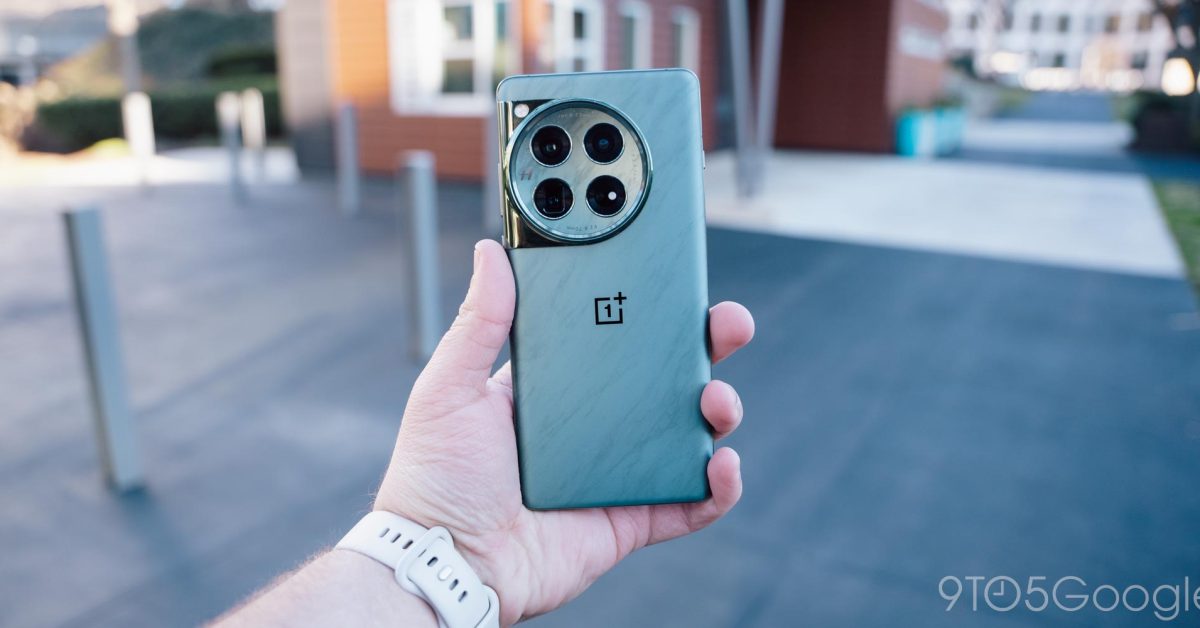
OnePlus criticizes the trend of offering 7 years of Android updates, stating that it's not just about the duration of updates but also the user experience over time. The company's president, Kinder Liu, compares using a smartphone to a sandwich, emphasizing that the overall user experience must remain satisfactory for the extended update period. While acknowledging the importance of long-term software updates, OnePlus suggests that it may not be feasible to guarantee a quality experience for that duration, especially given the competitive pricing of its devices.
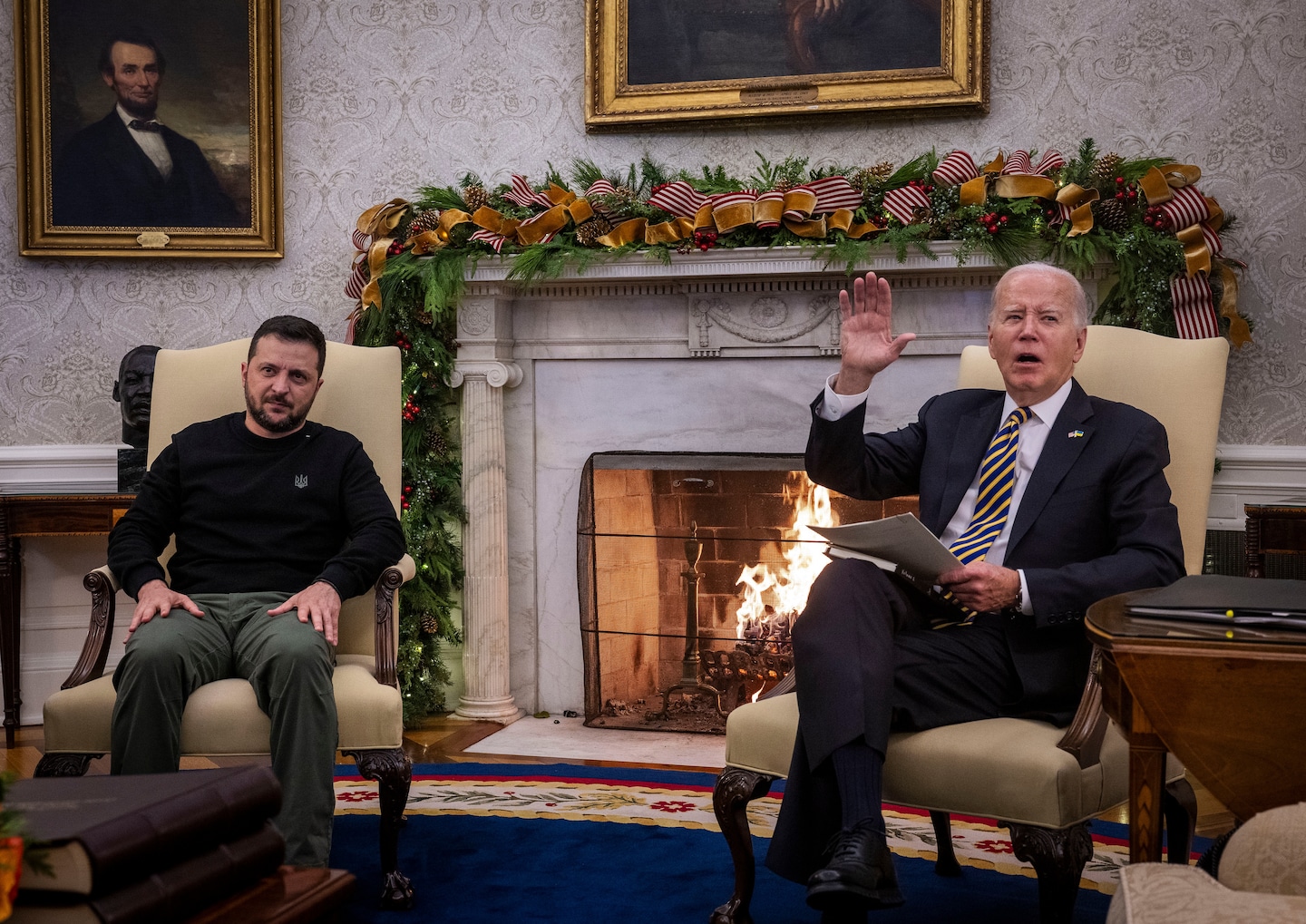
The Biden administration is shifting its strategy for Ukraine, focusing on bolstering Ukraine's defense capabilities and economy rather than attempting to retake lost territory from Russia. The U.S. and nearly three dozen countries are preparing long-term commitments to support Ukraine's security and economic stability. The success of this strategy hinges on U.S. support, with a $61 billion funding request pending in Congress. The plan aims to future-proof aid for Ukraine and deter Russian aggression, while acknowledging the challenges and risks involved in the ongoing conflict.
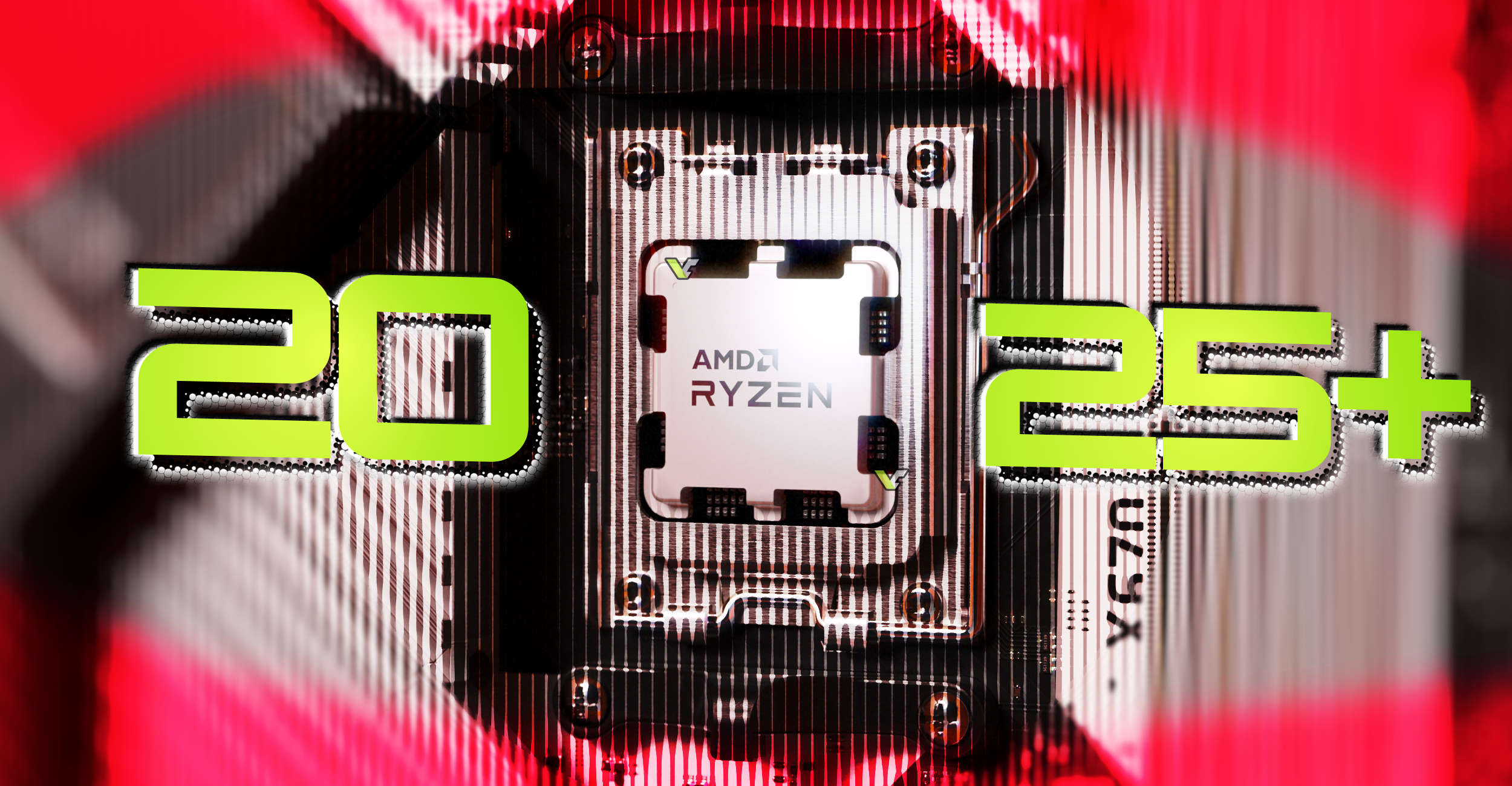
AMD reaffirms its commitment to the AM5 socket, pledging long-term support through 2025 and beyond. The company's decision to stick with the AM5 socket is driven by the success of the AM4 platform and the desire to minimize upgrade costs for consumers. In contrast, Intel has not made similar promises regarding socket support. With the AM5 socket becoming more affordable and the Ryzen 7000 series seeing price drops, AMD's commitment to the platform is gaining attention from gamers. The AM5 socket is expected to receive support for at least 6 to 7 years, with rumors suggesting new processors and improved memory support in the future.
Linux 6.6-rc7 has been released by Linus Torvalds, with the stable kernel version expected to be released next Sunday. If no major issues arise, Linux 6.6 will be released on October 29th, otherwise, an rc8 will be issued and the stable release will be postponed to the first weekend in November. Linux 6.6 is anticipated to be this year's Long-Term Support (LTS) kernel version.
Linux kernel maintainer Greg Kroah-Hartman responds to criticism by clarifying that the Linux Foundation strongly supports kernel developers and that the reduction of the long-term support (LTS) window for the Linux kernel was based on low usage. He emphasizes that the resources provided by the Linux Foundation to the kernel community have increased over the years and that the addition of new projects does not mean less support for the kernel community.
The Linux kernel's long-term support (LTS) is being reduced from six to two years due to low usage, while code maintainers are facing burnout. Many maintainers are not paid for their work and are overwhelmed by increasing demands and the use of fuzzers to find bugs. Linux is also experimenting with Rust, which poses challenges for maintainers who have spent years working in C. Despite some resistance, Rust is expected to become a mainstream part of the kernel. Additionally, concerns have arisen over the choice of kernel for Linux distributions, with some opting for vendor-specific kernels, leading to conflicts between Red Hat and the Open Enterprise Linux Association. Android, on the other hand, has been using stable updates to improve security. Overall, it is recommended to include all patches when building a Linux distro to avoid security vulnerabilities.
Samsung's mid-range smartphone, the Galaxy A54, is now available for pre-order with a 6.4-inch 120Hz AMOLED panel, up to 6GB of RAM, 128GB of storage, and a 5,000 mAh battery. The phone also features a triple rear camera setup with a 50MP main sensor and a 32MP selfie camera. It is covered by Samsung's long-term software support, ensuring updates for the next five years. Pre-orders through Samsung.com come with up to $250 off with an eligible trade-in and will ship shortly after purchase.