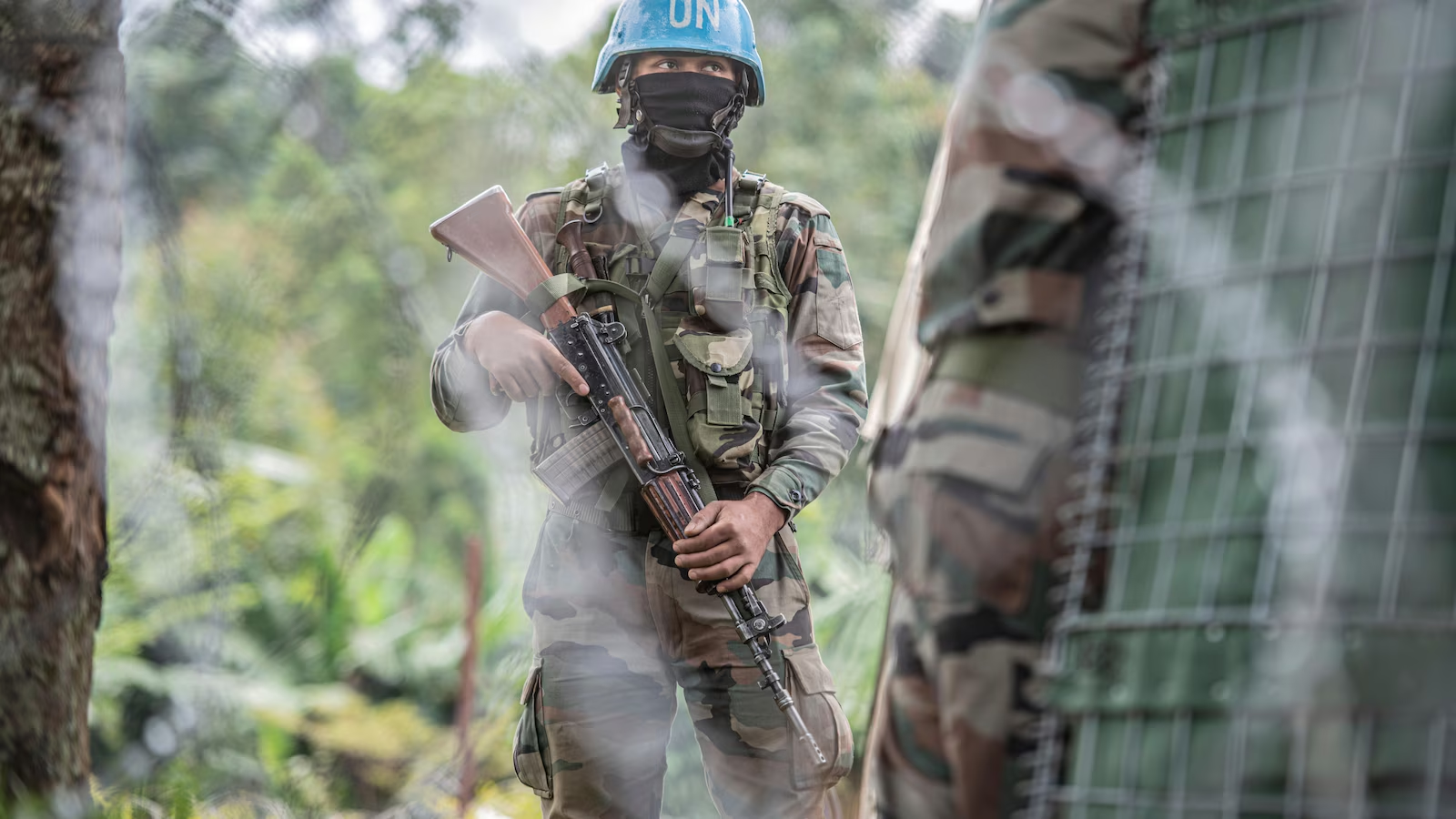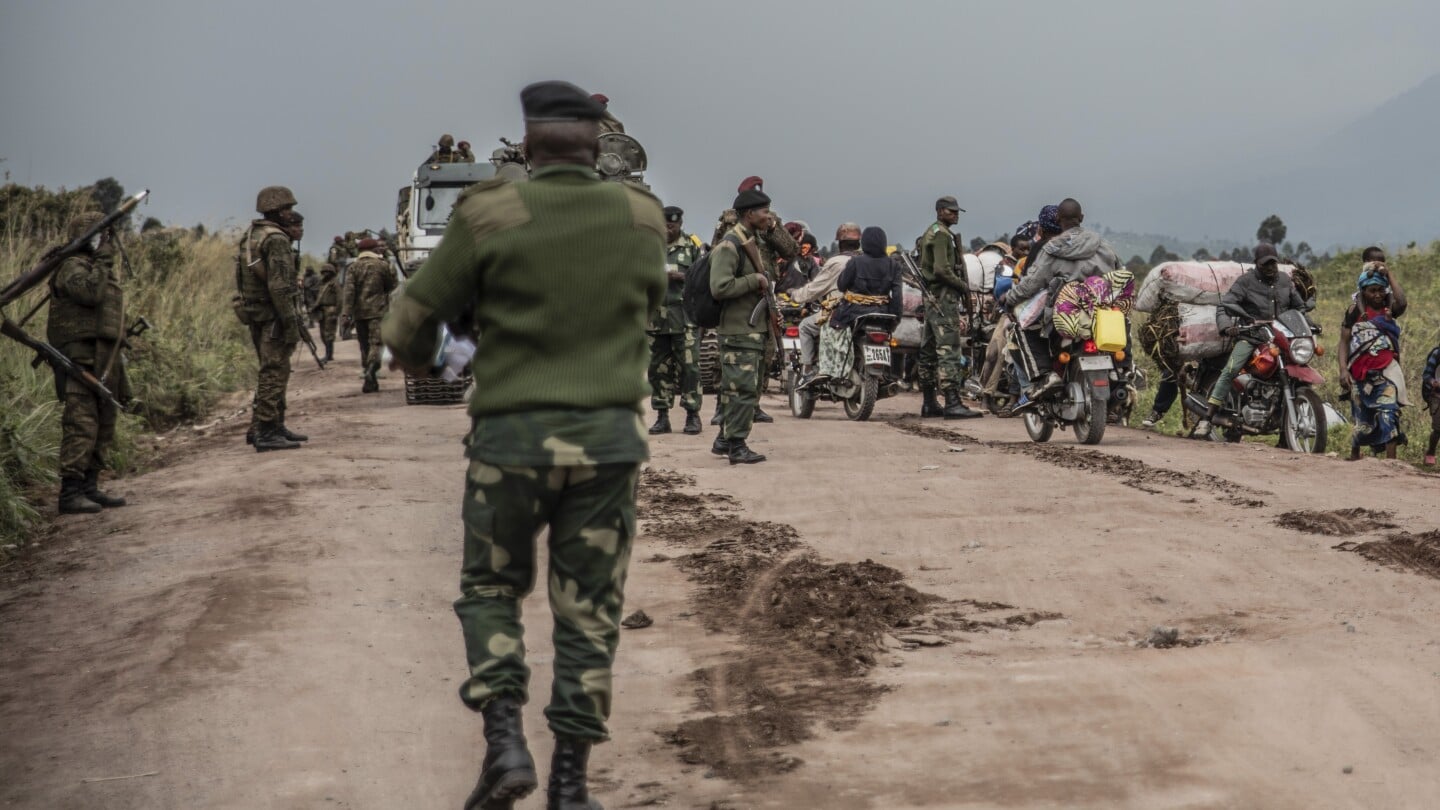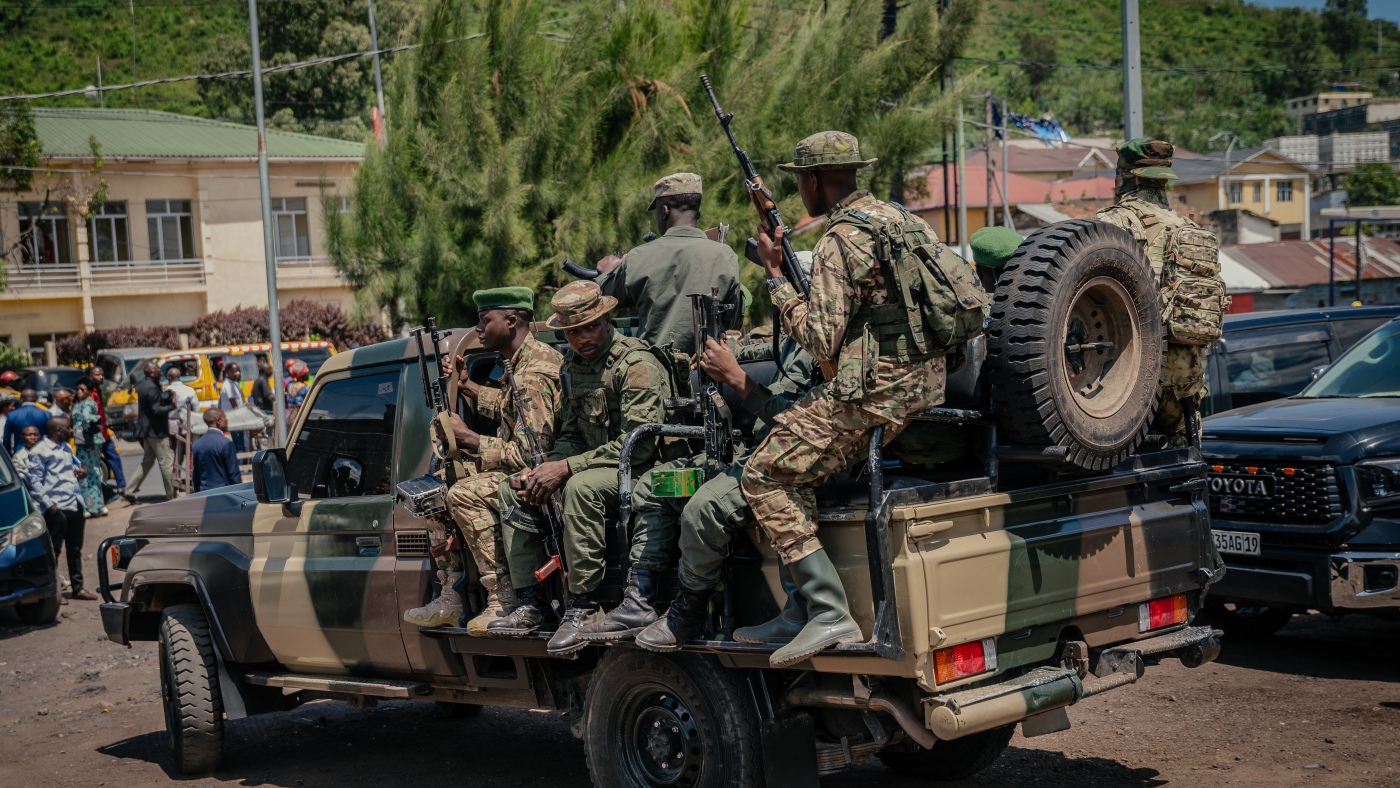
The UN Security Council has called on Rwanda to withdraw its forces from eastern Congo and extended the peacekeeping mission MONUSCO for a year amid ongoing conflict involving the Rwanda-backed M23 rebels, despite a recent peace deal and accusations of Rwandan support for the rebels. The situation remains tense with continued fighting and a significant humanitarian crisis in the region.
M23 rebels in DR Congo claim to be withdrawing from Uvira following US pressure and a peace deal, but the government remains skeptical and calls for verification amid ongoing conflict and displacement.
Rwanda-backed M23 rebels announced they will withdraw from Uvira in eastern Congo following US criticism, as a trust-building measure to support peace negotiations, amid ongoing tensions and accusations of Rwandan support for the rebels.
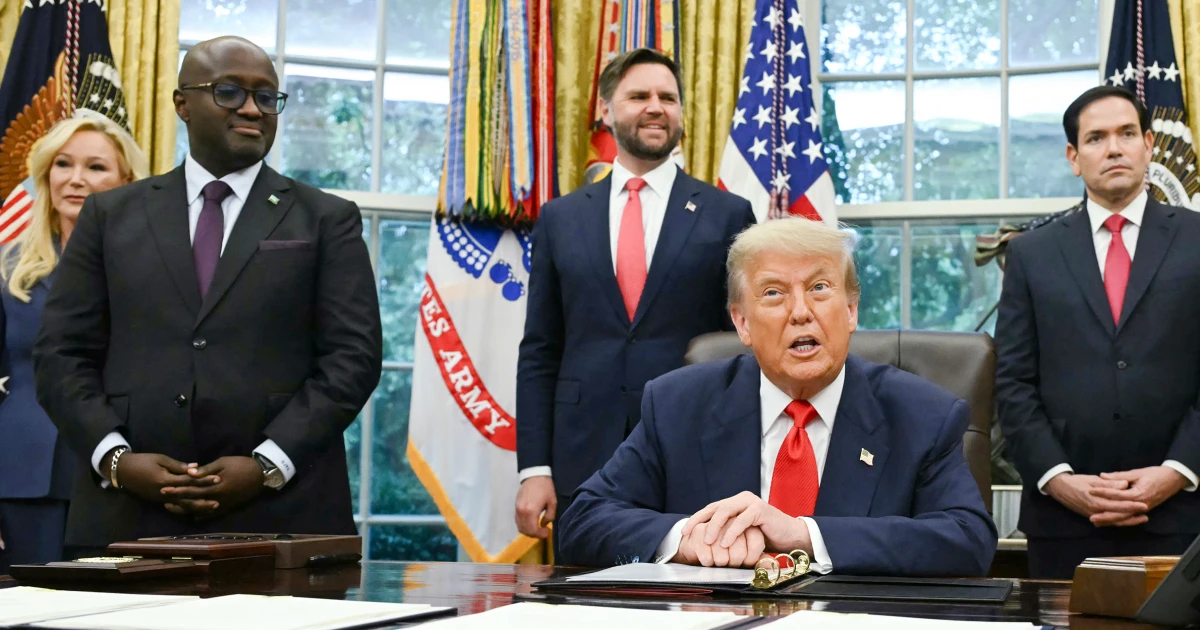
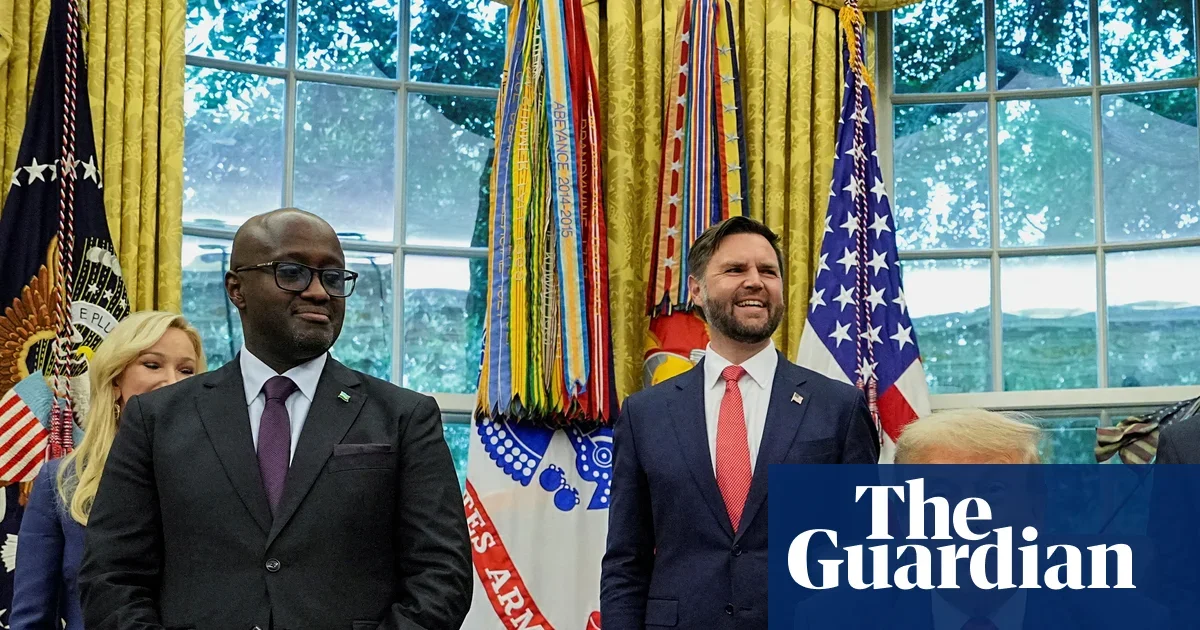
The fourth Joint Oversight Committee for the Peace Agreement between the Democratic Republic of the Congo and Rwanda met in Washington, D.C., where representatives initialed the Regional Economic Integration Framework to promote economic cooperation, reaffirmed commitments to peace and stability, and discussed ongoing negotiations and efforts to neutralize armed groups, with support from the US, Qatar, Togo, and the African Union.
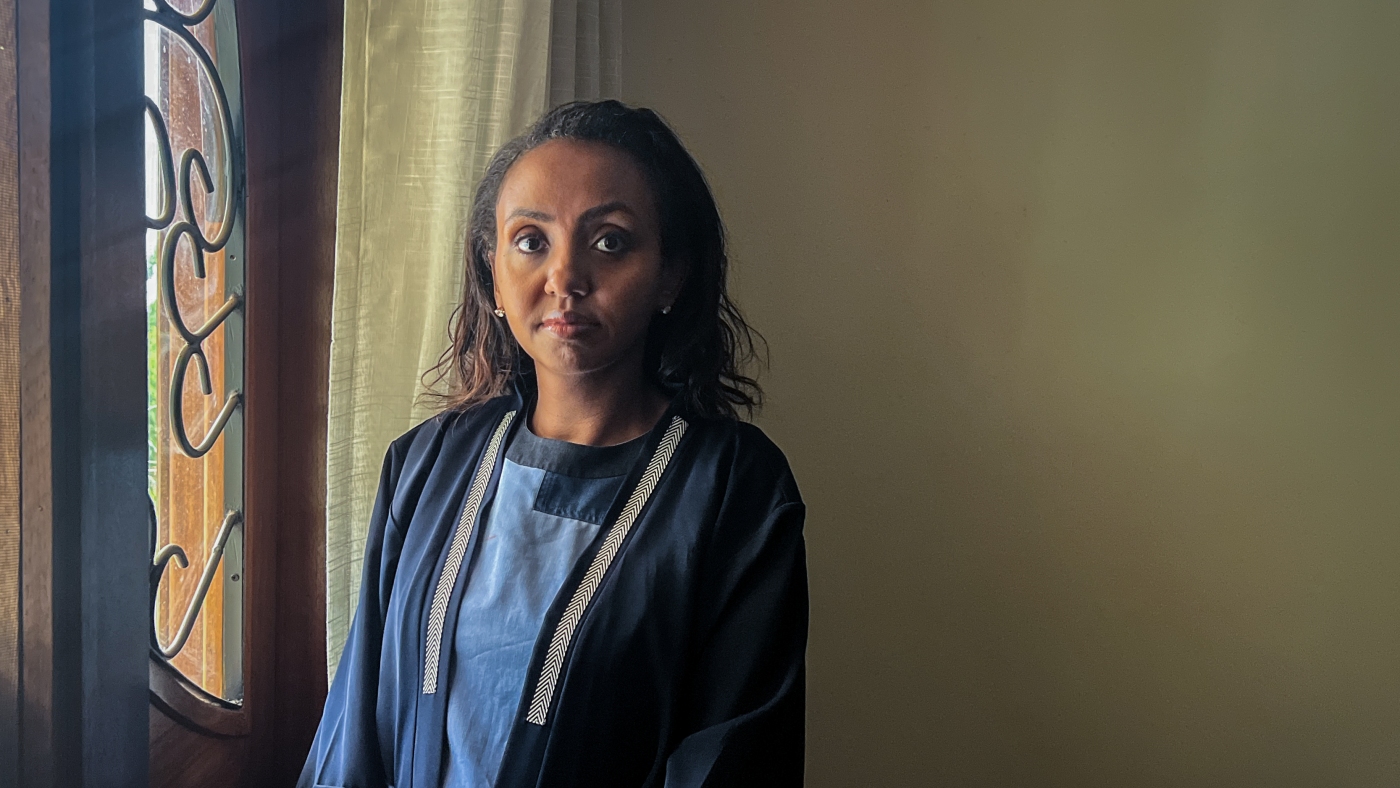
Dr. Tsion Firew, a Rwandan emergency medicine chair, played a crucial role in managing Rwanda's successful response to its first Marburg virus outbreak, which had a low mortality rate of 23%. She faced personal risks, sent her children away for safety, and participated in experimental treatments, demonstrating resilience and dedication amid the deadly crisis. Her experience highlights the importance of science and effective public health strategies in combating infectious diseases.
Tadej Pogacar defended his men's road race title at the UCI Road World Championships in Rwanda with a solo attack, finishing over a minute ahead of Remco Evenepoel, showcasing his dominance in cycling.
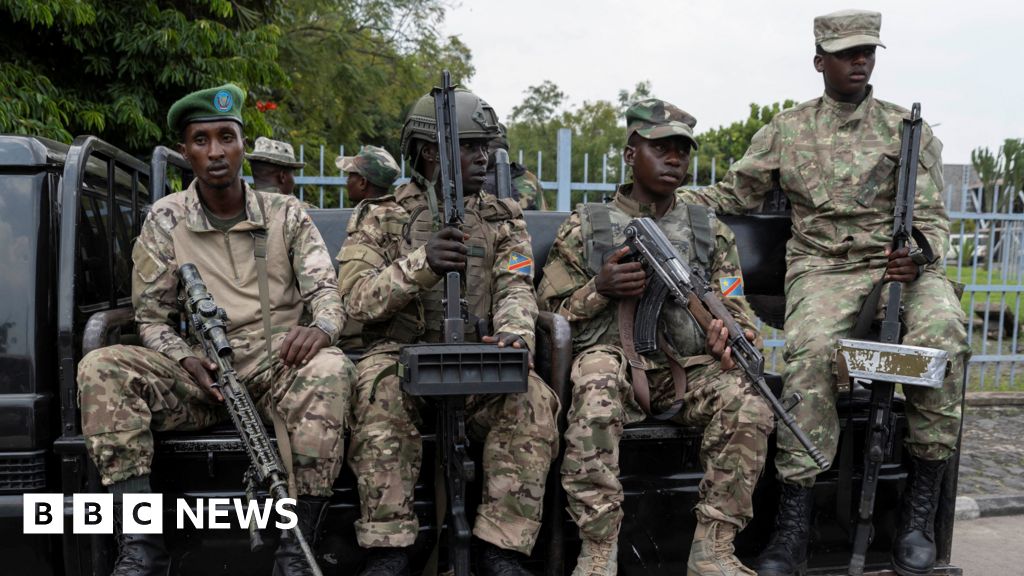
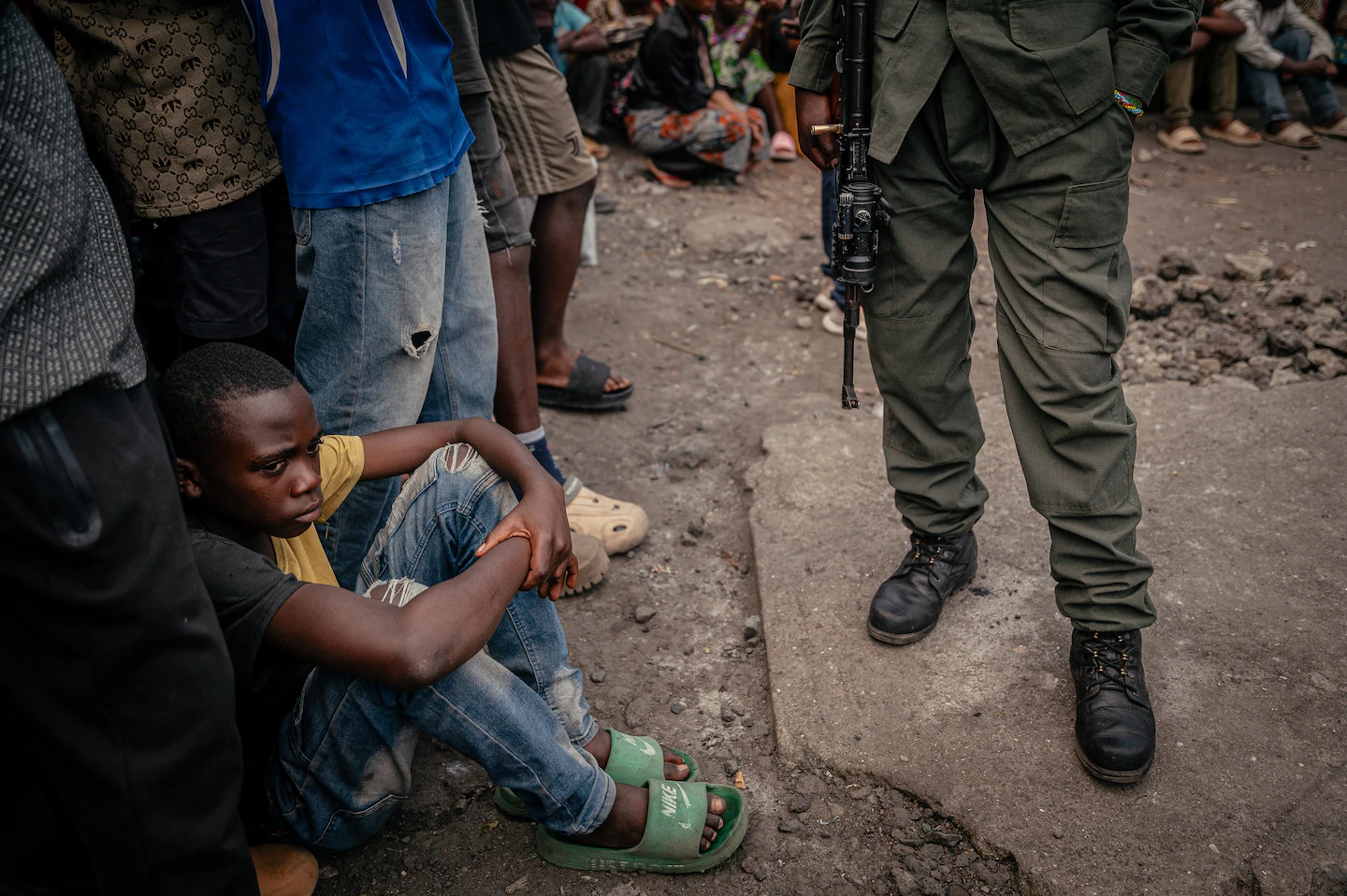
A rebel parade by the M23 group in eastern Congo has raised concerns about the upcoming peace deal with the government and Rwanda, as the rebels showcased thousands of new recruits, signaling ongoing military escalation and undermining hopes for peace amid a humanitarian crisis.,
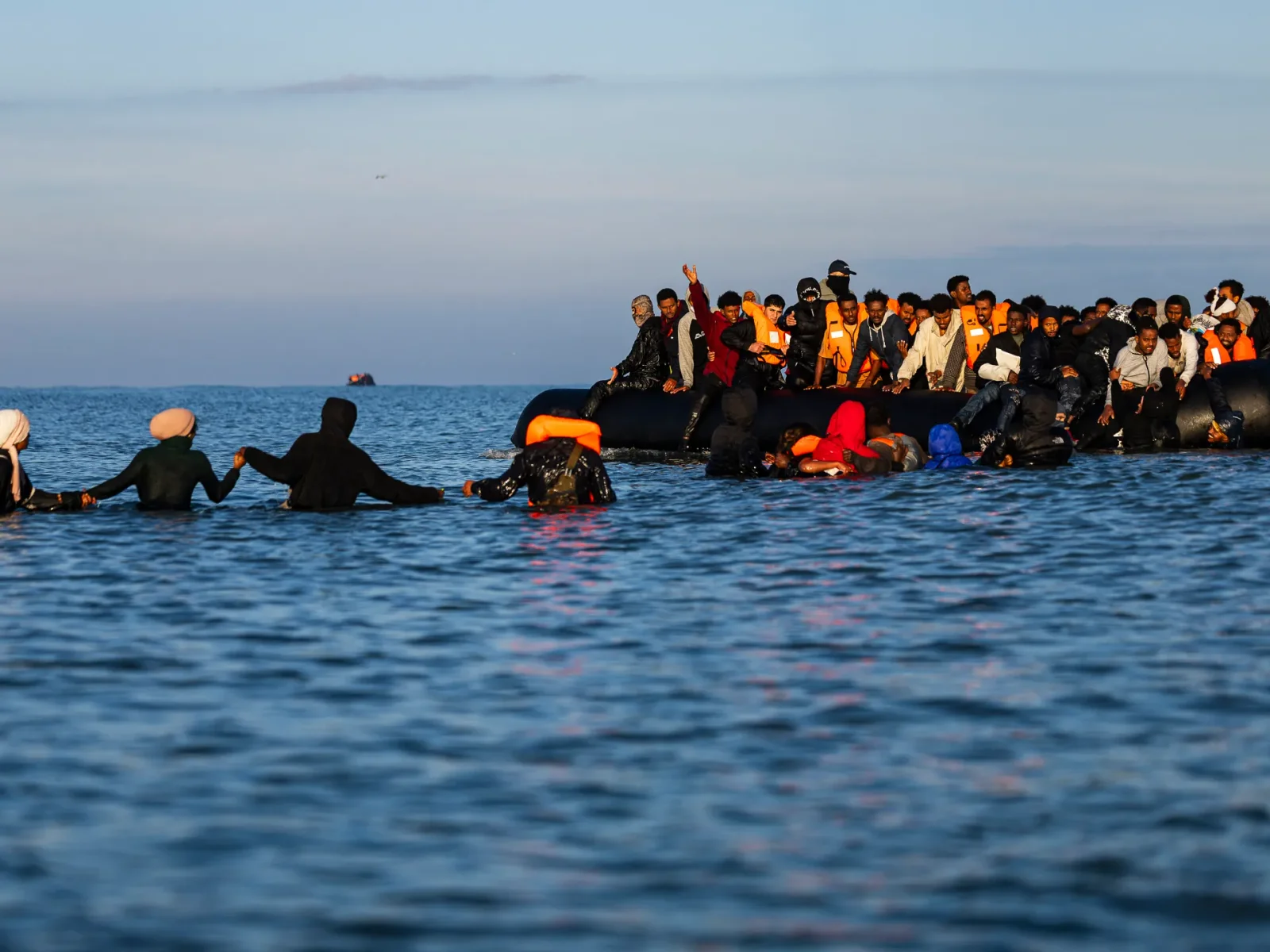
In August, Rwanda received seven migrants from the US under a deportation agreement, with plans to accept up to 250, and some migrants choosing to stay and build lives in Rwanda, which is part of a broader US strategy involving several African countries.
The first group of seven migrants deported from the US has arrived in Rwanda as part of a deal to accept up to 250 deportees, amid concerns from rights groups about legality and safety, with Rwanda asserting it will provide support and protection to the migrants.
In August, Rwanda received seven migrants from the U.S. under a deportation agreement, with plans to accept up to 250, as part of a broader U.S. strategy involving several African countries to manage deportations, including Uganda, Eswatini, and South Sudan.
Rwanda has accepted seven individuals from the US as part of a deportation deal, with some expressing a desire to stay and others to return home. The deal, negotiated by the Trump administration, aims to resettle up to 250 deportees from the US, with Rwanda providing support such as training and healthcare. The arrangement is viewed by some as a strategic move linked to regional peace negotiations and political influence, but it faces criticism over human rights concerns and legal implications.
Massacres by Rwandan-backed M23 rebels in eastern Congo have cast doubt on the effectiveness of recent peace efforts, with reports of significant violence against villagers, despite a signed peace agreement and ongoing negotiations, highlighting ongoing instability in the region.
Survivors in eastern Congo recount a massacre by the M23 rebel group, which summarily executed over 140 civilians, undermining the US-backed peace deal between Rwanda and Congo, with ongoing tensions and denials from Rwanda.
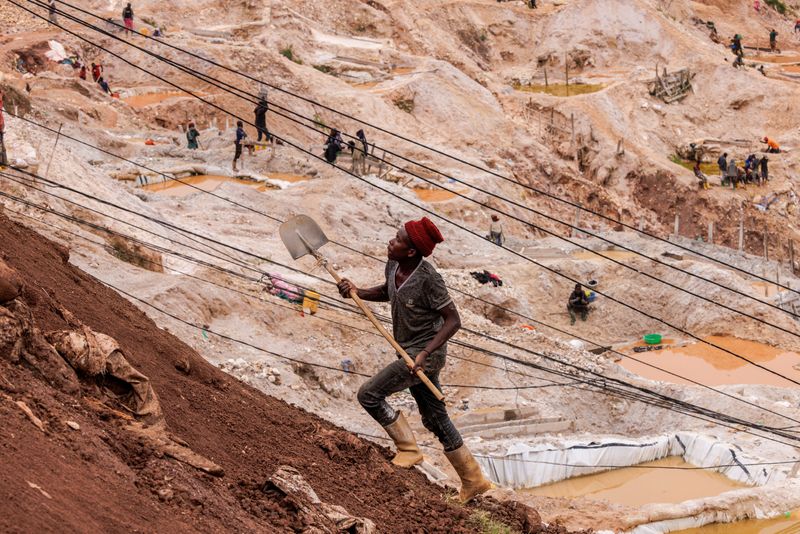
The article explores how the M23 rebel group controls a major coltan mine in Congo, funding their insurgency through illegal mineral trade, which involves local labor, smuggling, and international interests, while peace talks and sanctions attempt to resolve the conflict.
Research from Rwanda shows that female gorillas maintain strong social bonds over many years, often seeking out old friends when they move to new groups, highlighting the importance of female-female relationships in gorilla society and their role in social structure and dispersal.