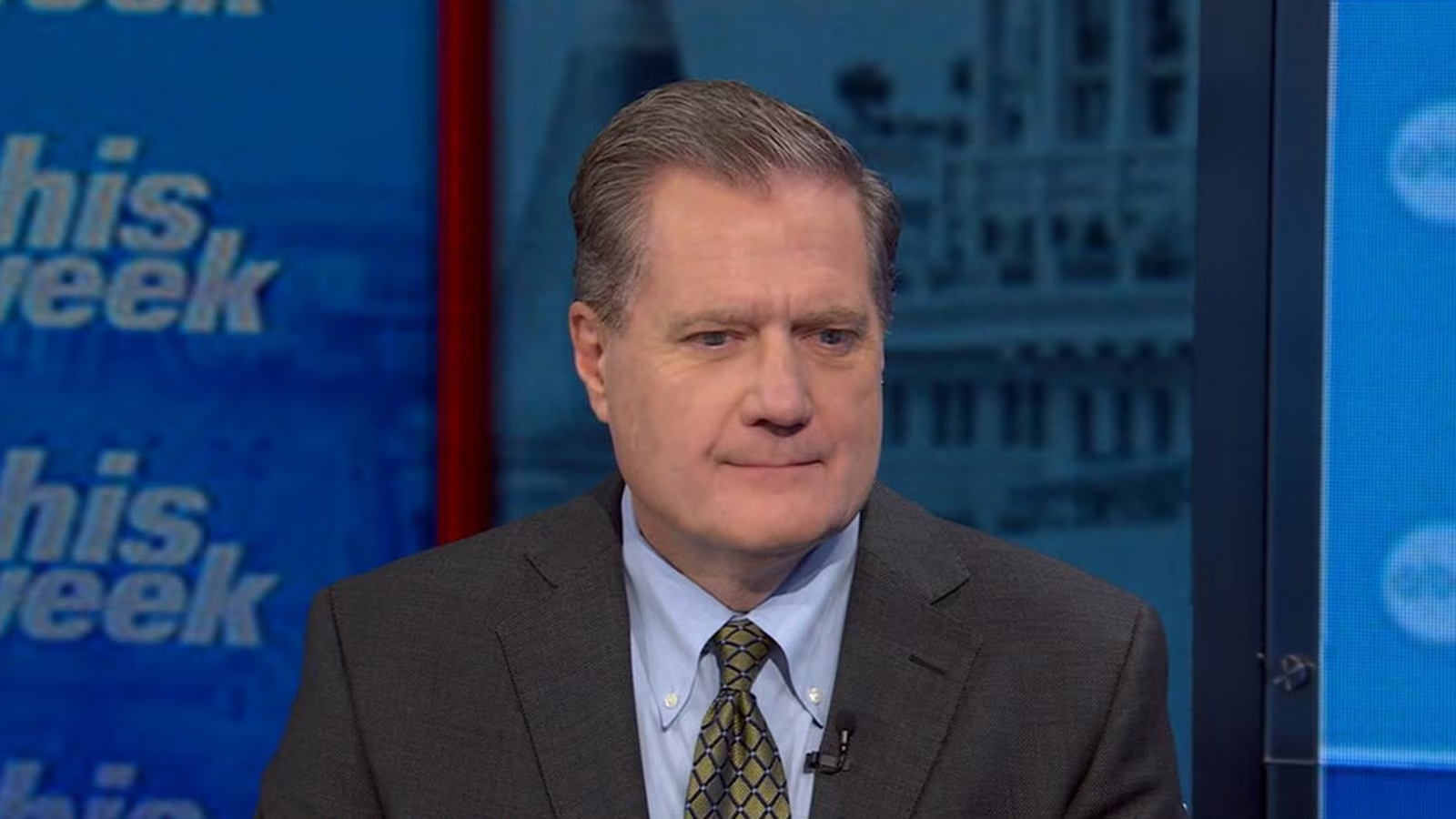
Ohio Rep. Mike Turner believes a peace deal between Russia and Ukraine is nearing, amid ongoing Russian drone strikes and discussions involving U.S. and Ukrainian leaders, with the focus on security guarantees and peace efforts. Turner also commented on U.S. military actions against ISIS in Nigeria, emphasizing the ongoing global fight against the terrorist group.
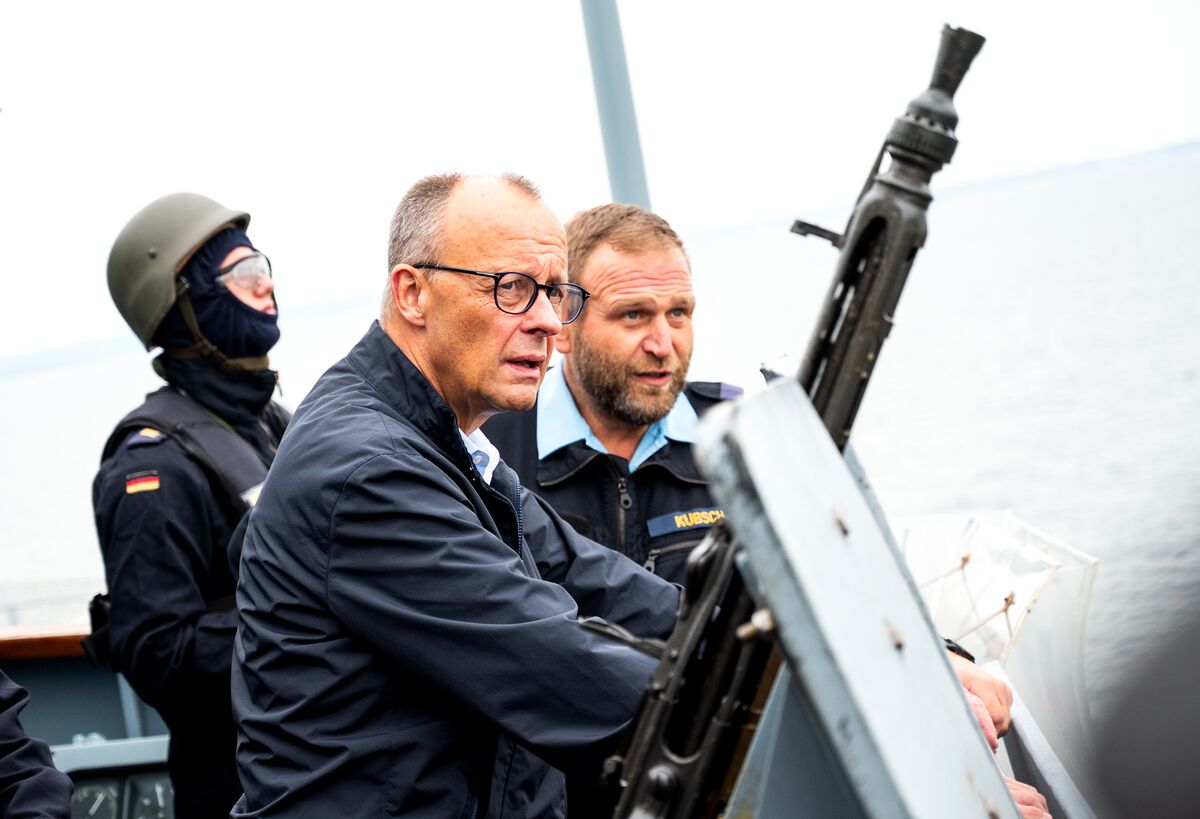
German Chancellor Friedrich Merz indicated that German troops could join a coalition to secure a demilitarized zone in Ukraine after a potential peace deal with Russia, emphasizing Germany's role in security guarantees and warning against past mistakes like the Minsk agreement. He expressed optimism about Russia's eventual willingness to settle and highlighted ongoing discussions about using frozen Russian assets as collateral for a Ukraine loan, which remains uncertain.
The fourth Joint Oversight Committee for the Peace Agreement between the Democratic Republic of the Congo and Rwanda met in Washington, D.C., where representatives initialed the Regional Economic Integration Framework to promote economic cooperation, reaffirmed commitments to peace and stability, and discussed ongoing negotiations and efforts to neutralize armed groups, with support from the US, Qatar, Togo, and the African Union.
Vance expressed confidence in progressing peace talks with Israel, while Netanyahu faces political balancing acts amid controversy over annexation votes, with U.S. officials and politicians expressing concern about the impact on peace and relations.
Donald Trump is visiting South-East Asia primarily to preside over a peace agreement between Cambodia and Thailand, amidst a backdrop of declining US influence in the region and China's growing economic and diplomatic ties, with his trip potentially doing little to alter the regional balance of power.
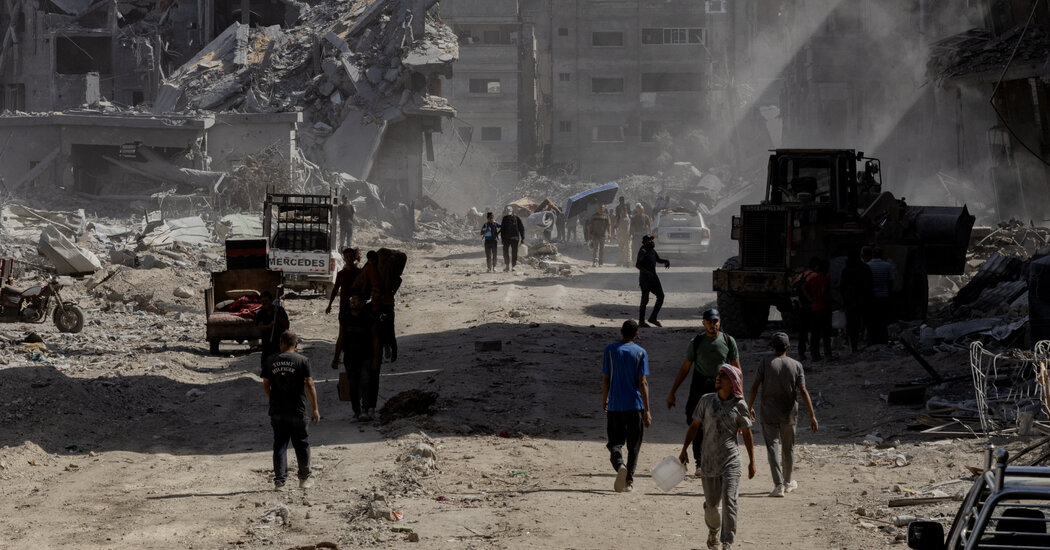
The cease-fire between Israel and Hamas has lasted nearly a week but remains fragile due to unresolved issues, primarily the dispute over exchanging hostage remains for Palestinian prisoners, with deep mistrust hindering the stability of the agreement.
President Trump declared the Israel-Hamas war over following a ceasefire and prisoner exchanges, but experts warn that significant challenges remain in implementing a lasting peace, including Hamas demilitarization and Gaza governance issues, with the process just beginning despite initial successes.
Two hundred US soldiers arrived in Israel to monitor the Gaza ceasefire and support the peace agreement, working alongside international partners to ensure stability, humanitarian aid flow, and civilian support, without entering Gaza itself.
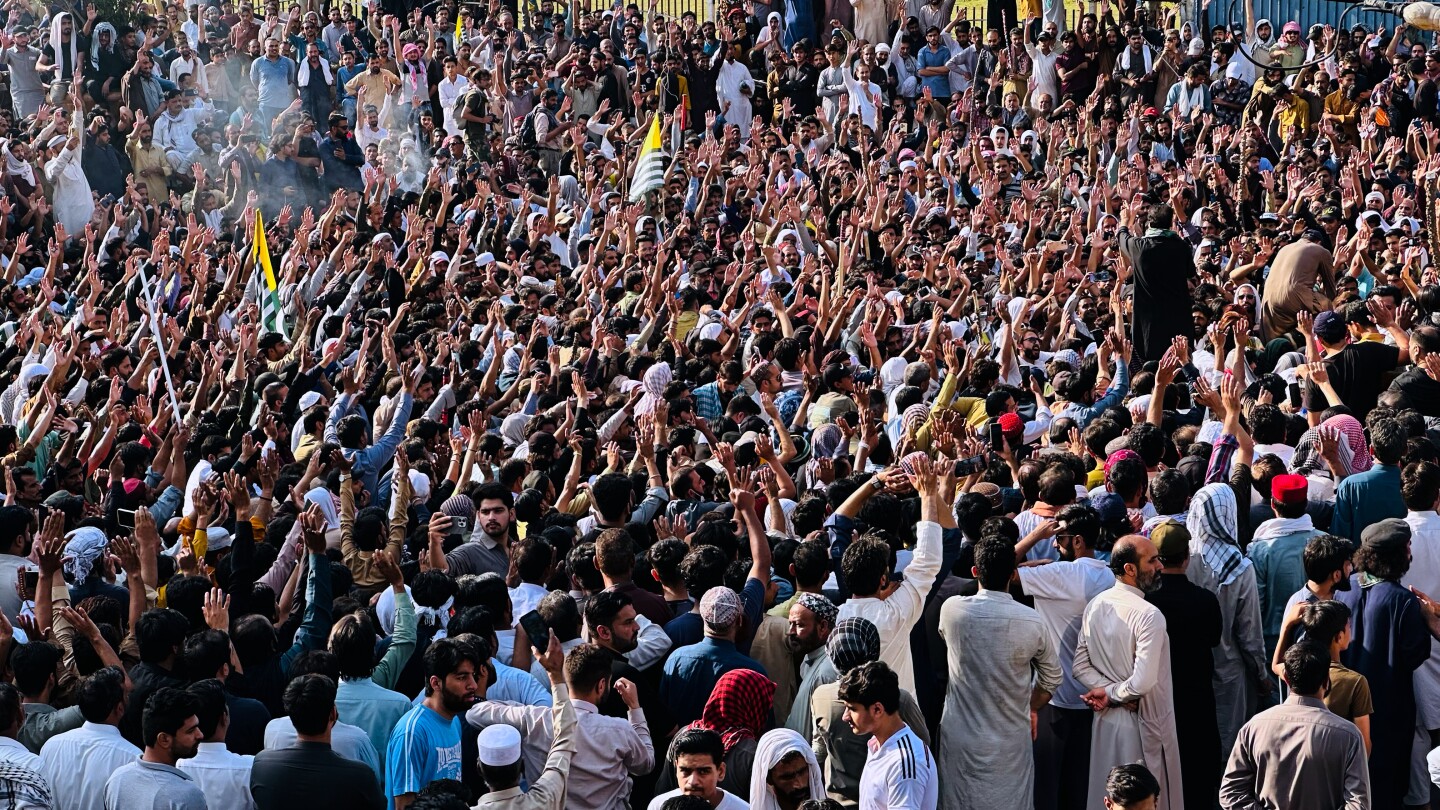
Pakistani authorities reached a peace deal with a civil rights alliance in Pakistan-administered Kashmir, ending days of violent protests that resulted in at least 10 deaths. The agreement includes continued subsidies for wheat and electricity, and addresses demands for improved public services and reduced government size. The protests have now dispersed, and both sides expressed satisfaction with the outcome, hoping for the full implementation of the promises made.
Fears of civil war resurgence grow in South Sudan as President Salva Kiir charges First Vice-President Riek Machar and others with serious crimes, undermining the 2018 peace accord and raising concerns of renewed conflict, with international calls for restraint and continued peace efforts.
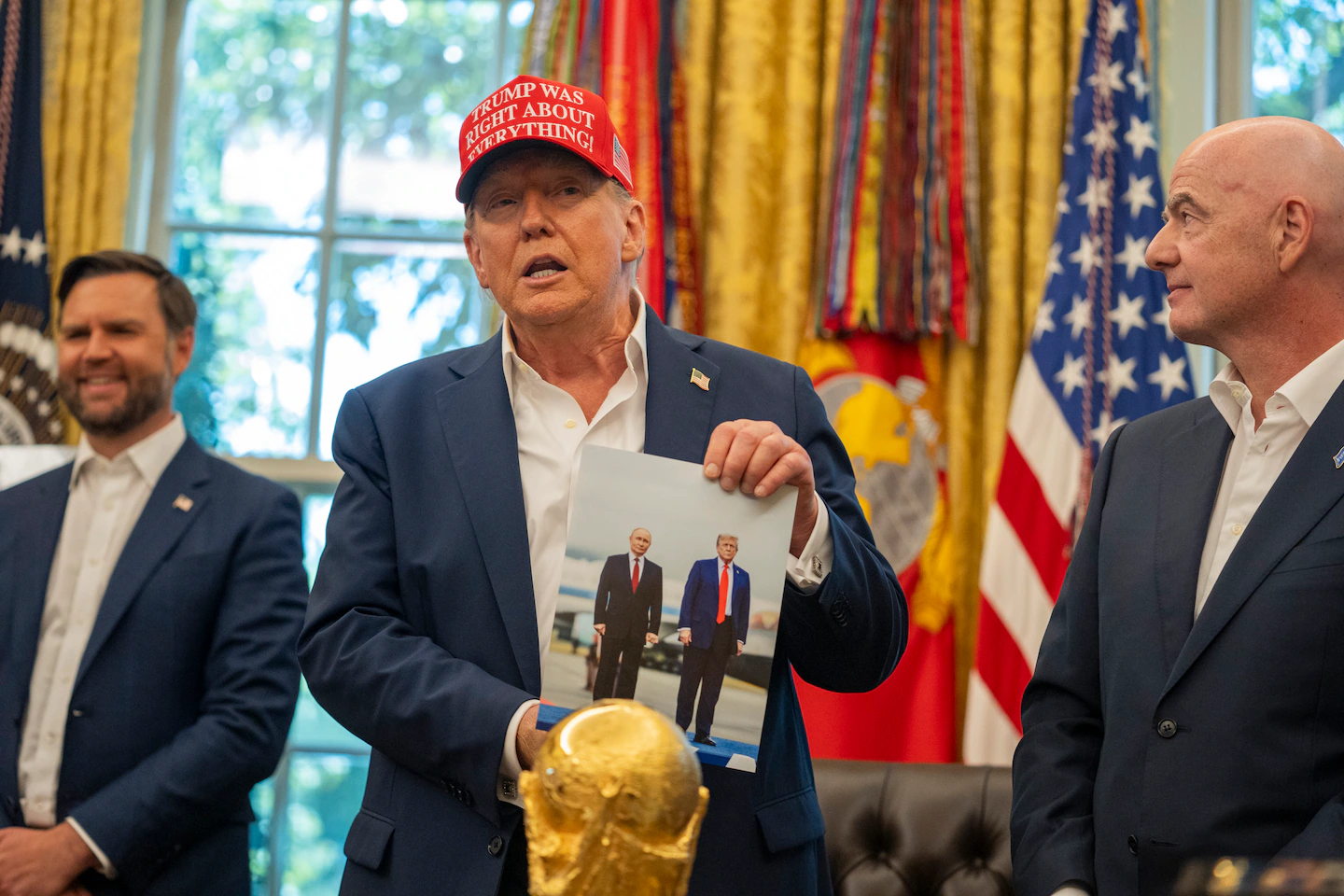
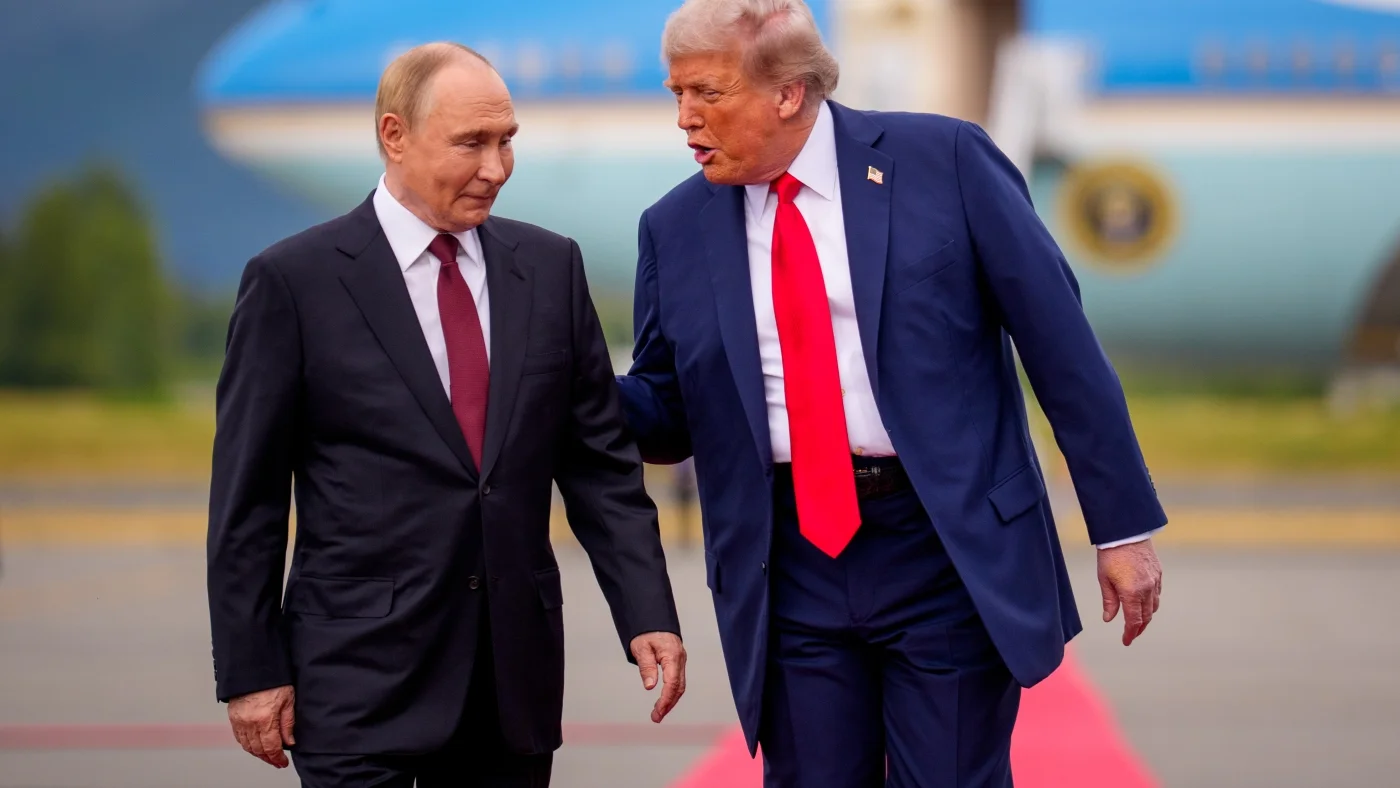
President Donald Trump expressed frustration over rising casualties and the lack of progress in reaching a peace agreement in Ukraine, indicating waning confidence in the deal.
After initially supporting a ceasefire, President Trump reversed his stance and now advocates for a comprehensive peace agreement in the Russia-Ukraine war, aligning more closely with Putin's position, which contrasts with Ukrainian President Zelenskyy's call for an immediate ceasefire to halt ongoing fighting and facilitate negotiations.
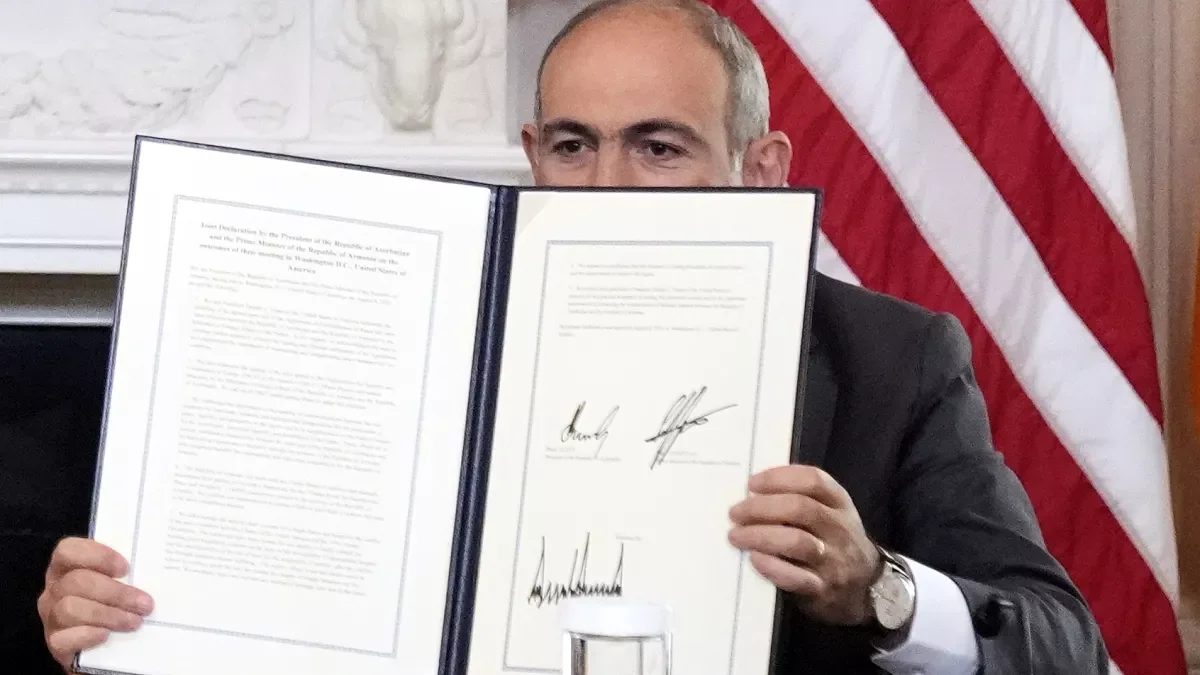
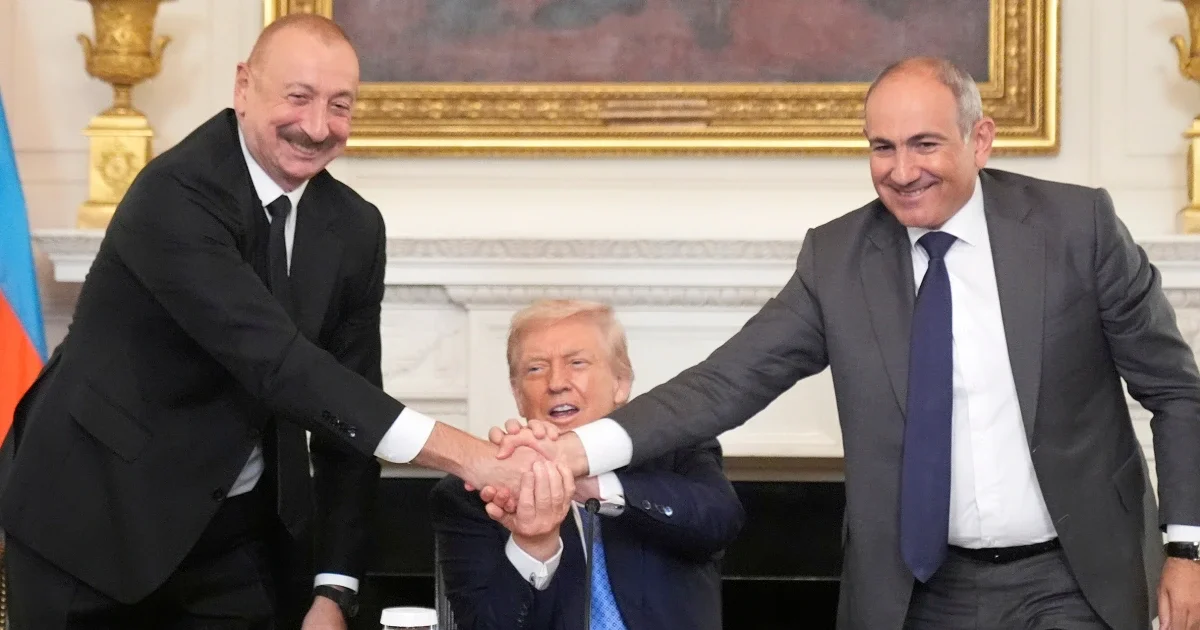
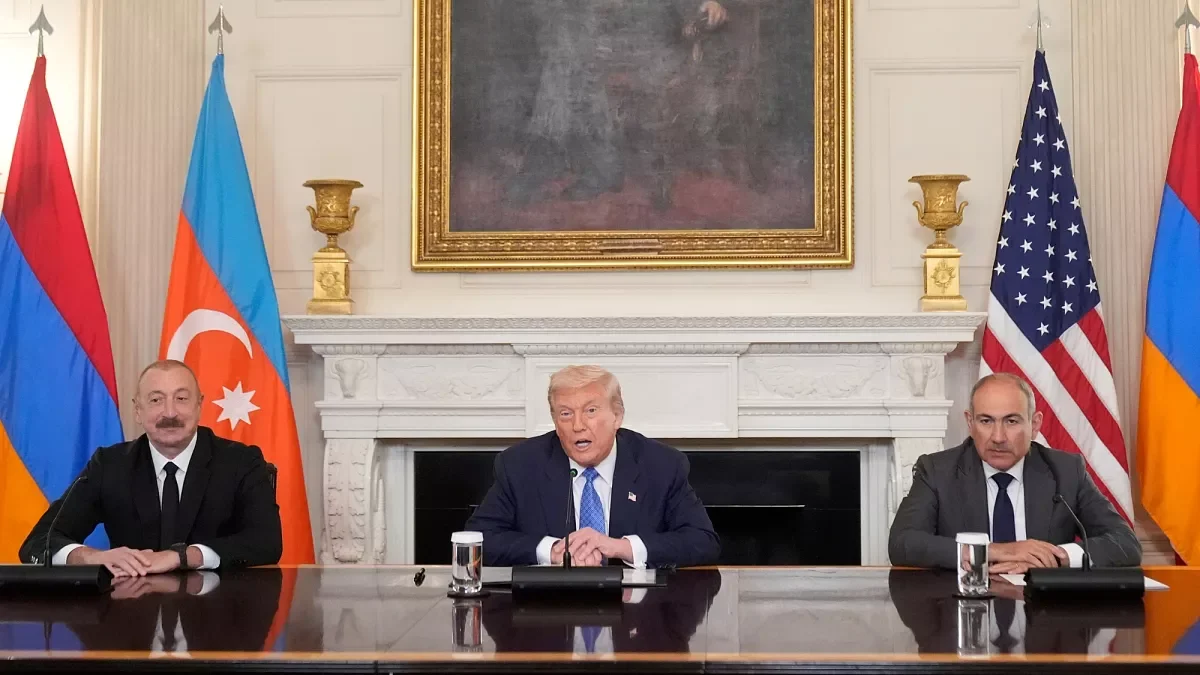
Armenia and Azerbaijan have signed a US-brokered peace deal to end decades of conflict, with international reactions largely positive, though Iran has expressed concerns over a planned corridor. The agreement, signed in Washington by leaders Pashinyan and Aliyev in the presence of US President Trump, marks a significant step towards normalization and stability in the region, following Azerbaijan's recent control of Nagorno-Karabakh. Russia, Georgia, the EU, and the UN have welcomed the deal, emphasizing its importance for regional peace.
Leaders of Armenia and Azerbaijan signed a peace deal at the White House, facilitated by President Trump, which includes reopening transportation routes and creating a transit corridor named the Trump Route, marking a significant step towards regional stability and reducing Russian influence in the South Caucasus.
Armenia and Azerbaijan signed a historic peace agreement in Washington, ending decades of conflict over Nagorno-Karabakh, with US President Trump playing a key role. The deal includes the creation of the 'Trump Route' transit corridor, normalizes relations, and dissolves the OSCE Minsk Group, signaling a shift away from Moscow's influence and towards Western engagement.