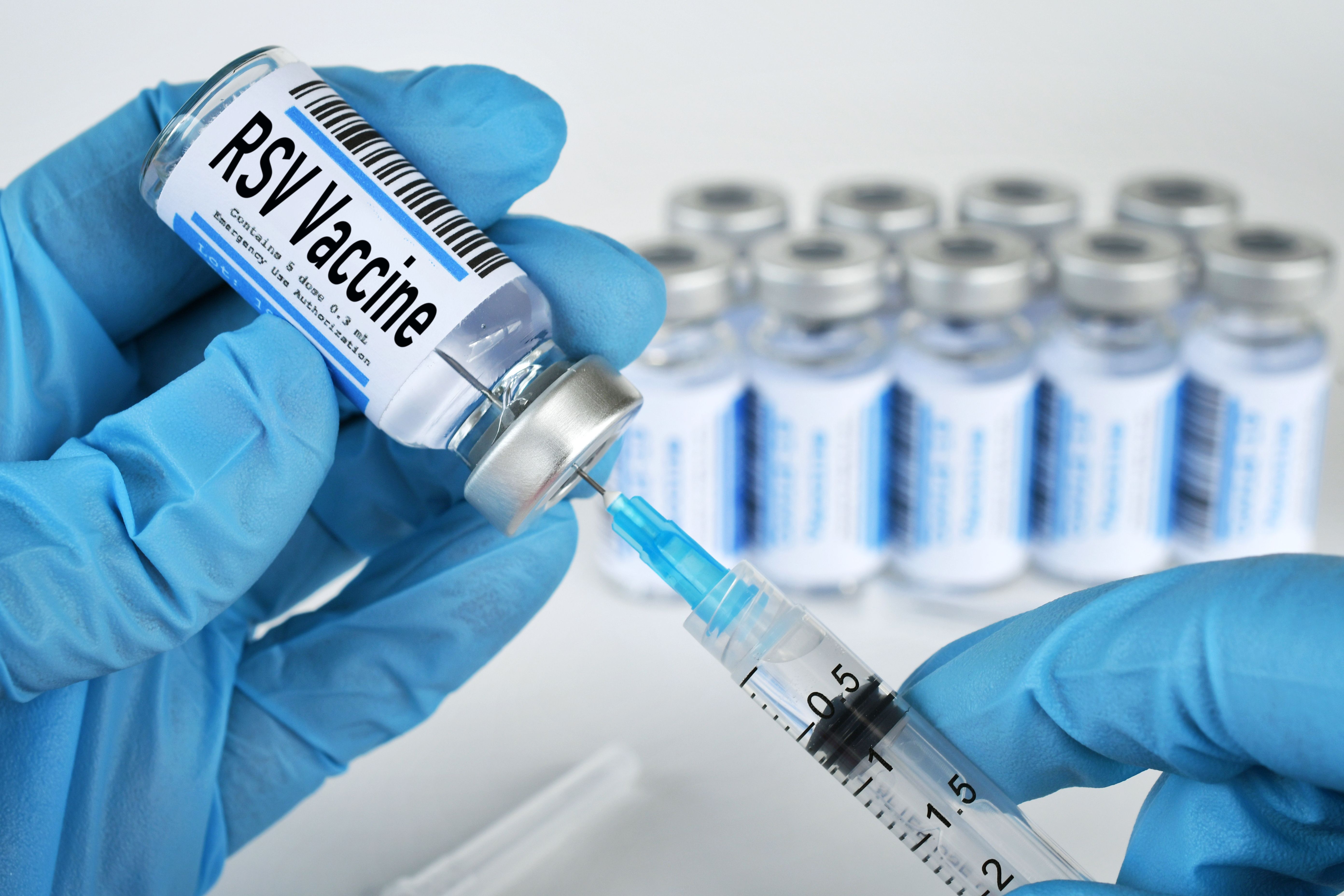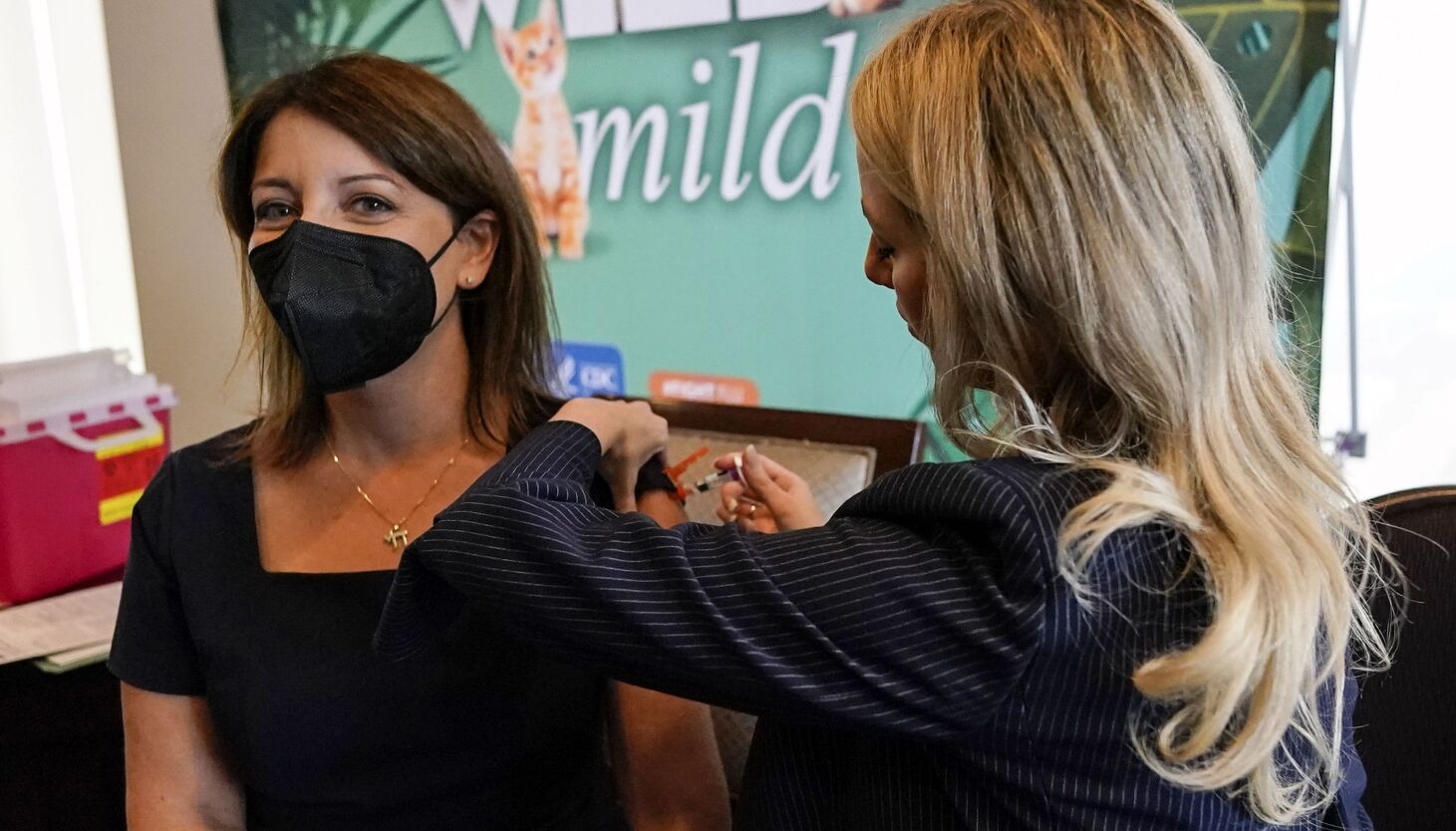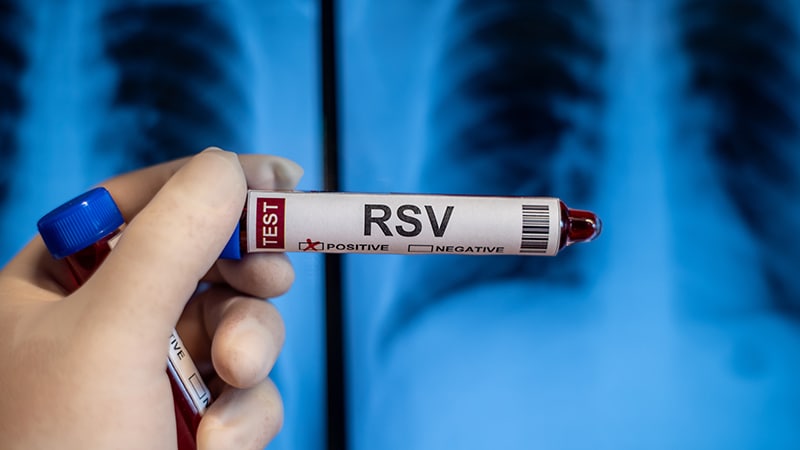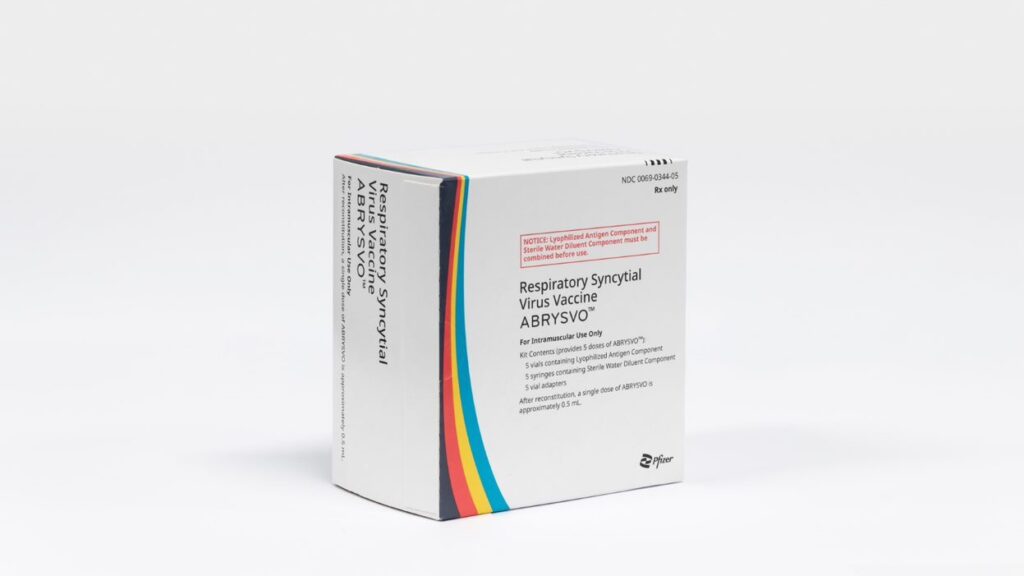
New data from the CDC and FDA suggests a small increased risk of developing Guillain-Barré syndrome (GBS) after receiving RSV vaccines, particularly the Pfizer vaccine, among individuals aged 60 and older. However, it is still too early to determine the true risk and quantify its size. Vaccine safety experts are conducting further analysis, and the CDC continues to support the use of RSV vaccines in this age group due to the burden of RSV disease. The CDC is also considering changing its recommendation for RSV vaccination, and both Pfizer and GSK are conducting post-marketing safety studies to monitor GBS cases among vaccine recipients.
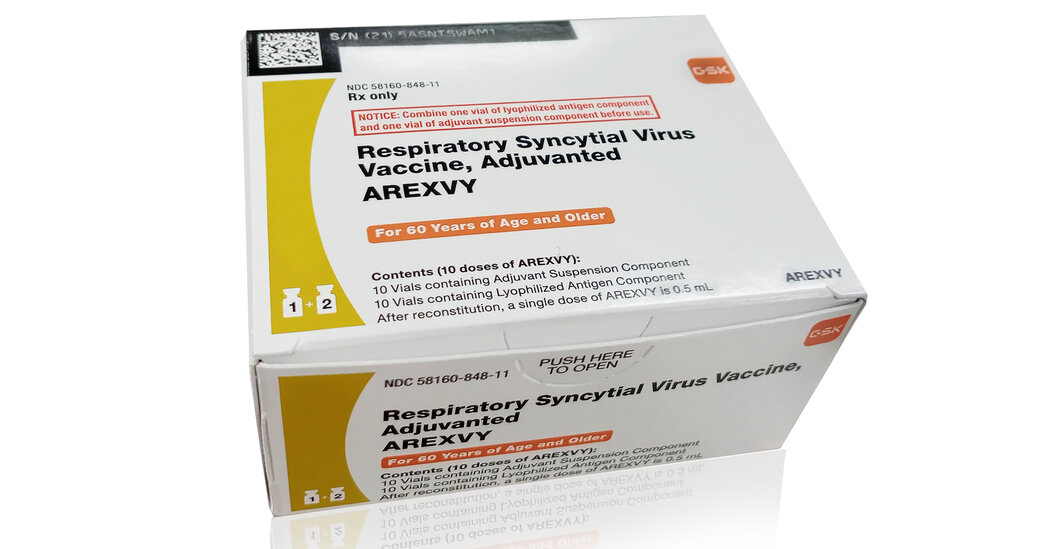
Federal health officials presented data suggesting a potential link between R.S.V. vaccines and Guillain-Barré syndrome, a rare neurological condition, but emphasized that the connection is still uncertain. The reported cases were small, with an estimated two cases per 100,000 vaccinated people or fewer, and further data is needed to determine the risk. The vaccines in question, Abrysvo by Pfizer and Arexvy by GSK, were approved by the FDA in 2023, and the CDC recommended them for adults aged 60 or older. Ongoing surveillance will provide more clarity on the potential increased risk of Guillain-Barré syndrome after R.S.V. vaccination.
The Centers for Disease Control and Prevention (CDC) has recommended two different vaccines to protect against respiratory syncytial virus (RSV) - one for pregnant people and one for infants. The maternal vaccine, Abrysvo, is recommended for people who are 32 to 36 weeks pregnant during the RSV season to prevent lower respiratory infection in infants. The infant vaccine, Beyfortus, can be given to babies under 8 months old entering their first RSV season, and children 8 to 19 months old at increased risk of severe disease entering their second season. It is important to consult with a doctor to determine the best option based on eligibility and preference.
The development of safe and effective respiratory syncytial virus (RSV) vaccines for infants and children has faced setbacks, including enhanced RSV disease (ERD) caused by previous vaccine attempts. However, recent advancements offer hope, such as the approval of RSV vaccines for adults and the use of passive immunity through monoclonal antibodies and maternal vaccines. Vaccine developers are exploring various strategies, including mRNA vaccines and live-attenuated vaccines, to achieve active immunity and prevent RSV infection and transmission in infants and young children. Intranasal delivery of live recombinant vaccines shows promise in providing a safe and potent immune response. Despite challenges, progress is being made in RSV vaccine development to protect this vulnerable population.
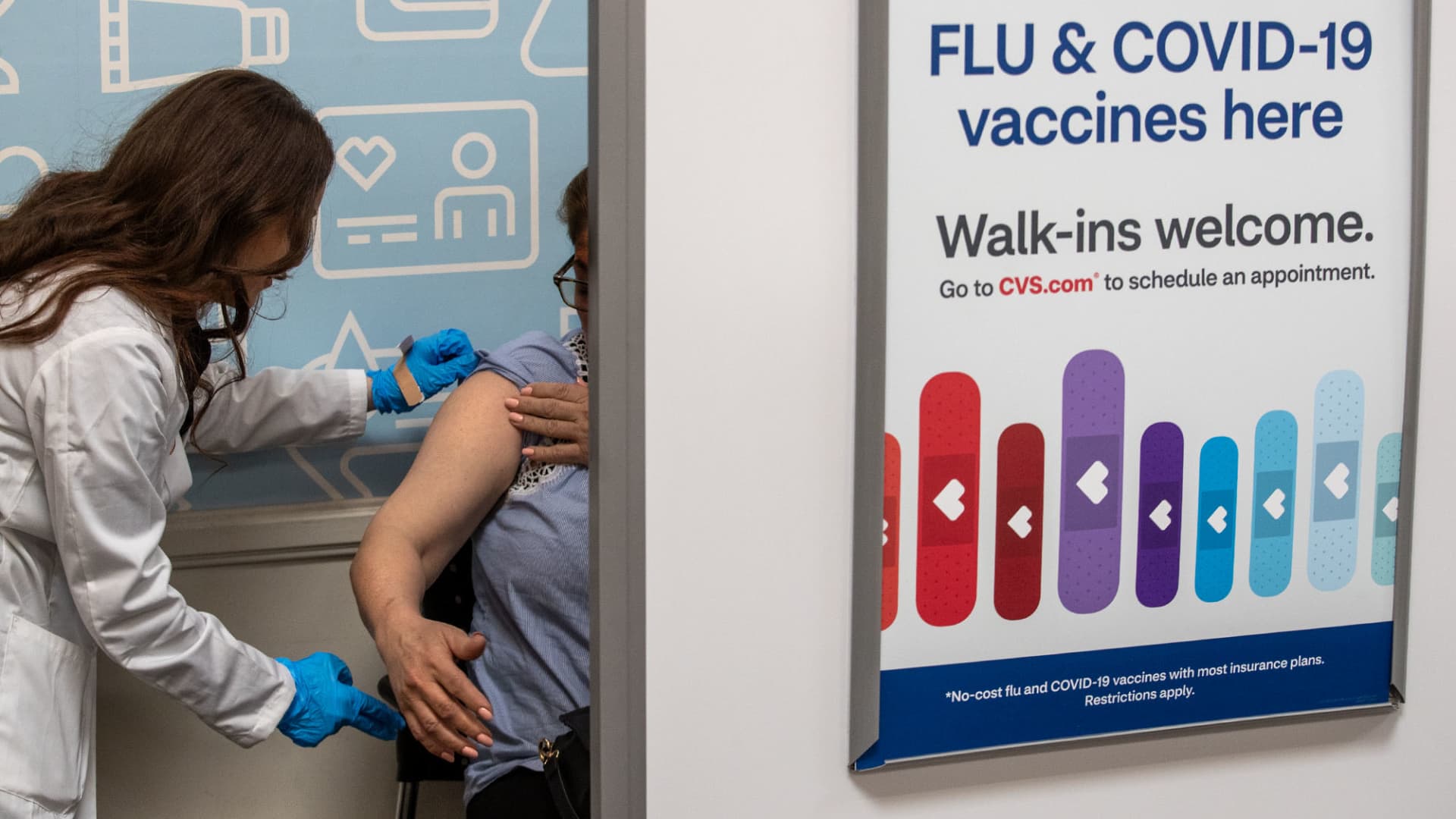
Vaccines for Covid-19, flu, and respiratory syncytial virus (RSV) are now available in the US, and public health officials are encouraging eligible individuals to receive all three shots to prevent a potential "tripledemic." Taking the Covid-19 and flu vaccines together is safe and effective, according to experts. However, there is limited research on administering the RSV vaccine with other vaccines. Individuals can choose to take the RSV shot separately if they prefer. Taking all three shots simultaneously offers convenience and may help prevent missed doses. Those who opt to space out the vaccines should prioritize the Covid-19 shot, followed by the RSV vaccine and then the flu jab, with a one-week interval between each.
Updated COVID-19 vaccines, targeting the omicron descendant XBB.1.5, are expected to be approved within days and will be available to most Americans, even if they have never been vaccinated. Health officials are optimistic that the updated shots will offer crossover protection against the evolving coronavirus variants. In addition to COVID-19 shots, the CDC recommends getting a yearly flu shot, especially for high-risk groups. A new vaccine for RSV, a virus that can be deadly for children and the elderly, is also rolling out, and there is a lab-made antibody injection available to protect babies from RSV. Getting booster shots and maintaining vaccination against COVID-19, flu, and RSV is crucial to avoid overwhelming hospitals during the upcoming respiratory season.
Updated COVID-19 vaccines are expected to be approved soon, alongside flu shots, to help prevent a potential "tripledemic" of flu, RSV (respiratory syncytial virus), and COVID-19. The new COVID-19 shots target the omicron descendant XBB.1.5 and are expected to offer crossover protection against other coronavirus variants. The CDC recommends flu shots for everyone aged 6 months and older, with three specific shots recommended for seniors. RSV vaccines for older adults and pregnant women are also rolling out, and a new injection of lab-made antibodies is available to protect babies from RSV.
Updated COVID-19 vaccines, targeting the omicron descendant XBB.1.5, are expected to be approved within days, just in time to be paired with flu shots. The first vaccines for respiratory syncytial virus (RSV) are also rolling out for older adults and pregnant women. Health officials hope that widespread vaccination will help prevent another "tripledemic" like last year, with flu, RSV, and COVID-19 overwhelming hospitals. The FDA will decide if vaccine makers have met safety standards, and the CDC must sign off before vaccinations begin. The CDC advises yearly flu shots for everyone aged 6 months and older, and there are three flu shots specifically recommended for seniors. RSV vaccines are approved for adults 60 and older, and the FDA has approved Pfizer's RSV vaccine for use in late pregnancy. Advice on whether RSV vaccines should be given together with flu and COVID-19 shots is still to come. Additionally, an injection of lab-made antibodies to protect babies from RSV has been approved by the FDA.
Updated COVID-19 vaccines are expected to be approved within days, just in time for the flu season. These updated shots target the omicron descendant named XBB.1.5 and are expected to offer crossover protection against other coronavirus variants. Health officials are optimistic about their effectiveness, but it will depend on the emergence of new mutants. In addition to COVID-19 shots, the CDC recommends getting a yearly flu shot, especially for high-risk groups. The CDC is also rolling out the first vaccines for RSV, a respiratory virus that can be severe for certain groups. There is a new RSV vaccine for adults and pregnant women, and an injection of lab-made antibodies to protect babies from RSV.
Updated COVID-19 vaccines are expected to be approved within days, just in time for the flu season. These updated shots target the omicron descendant XBB.1.5 and are expected to offer crossover protection against other coronavirus variants. In addition to COVID-19 vaccines, health officials are urging people to get their yearly flu shots, especially those in high-risk groups. Furthermore, the first vaccines for respiratory syncytial virus (RSV) are rolling out for older adults and pregnant women. RSV can be particularly dangerous for children under 5, the elderly, and those with certain health conditions. The CDC is also considering recommendations on whether RSV vaccines should be given together with flu and COVID-19 shots.
Updated COVID-19 vaccines are expected to be approved within days, just in time for the flu season. These updated shots target a new variant called XBB.1.5 and are expected to offer crossover protection against other coronavirus variants. The CDC is urging people to get their booster shots to maintain a normal way of life. In addition to COVID-19 and flu shots, vaccines for respiratory syncytial virus (RSV) are also rolling out for older adults and pregnant women. RSV can be particularly dangerous for children under 5, the elderly, and those with certain health problems. The FDA has also approved a lab-made antibody injection to protect babies from RSV.
Updated COVID-19 vaccines are expected to be approved within days, just in time to be administered alongside flu shots. Additionally, vaccines for respiratory syncytial virus (RSV) are being rolled out for older adults and pregnant women. Health officials hope that widespread vaccination will help prevent a "tripledemic" this fall, as COVID-19 hospitalizations are increasing and RSV is already on the rise in some areas. The updated COVID-19 shots target a new variant called XBB.1.5, and early testing suggests they will offer crossover protection against other variants. The CDC recommends flu shots for everyone aged 6 months and older, with specific recommendations for seniors. Flu shots and COVID-19 shots can be administered simultaneously. RSV vaccines are also available for adults and pregnant women, and a new injection of lab-made antibodies is available to protect babies from RSV.
Some health insurance plans, including Medicare Part D and private prescription drug coverage, are not covering the cost of the new respiratory syncytial virus (RSV) vaccines for adults aged 60 and up. This leaves individuals responsible for paying out-of-pocket costs, which can amount to over $300. The lack of coverage is due to fragmented policies and loopholes in insurance coverage. While Medicare Part D should cover the RSV vaccines, Medicare enrollees without a Part D plan may have to pay depending on their non-Medicare prescription drug coverage. Private health insurers have used language loopholes and the absence of RSV on the CDC's annual vaccine schedule as reasons for not covering the vaccine. It is advised to check with your insurance plan before scheduling an appointment for the RSV vaccine.
The Centers for Disease Control and Prevention (CDC) has issued guidance on two newly approved respiratory syncytial virus (RSV) vaccines for adults aged 60 and older. RSV is a common cause of respiratory illness in older adults, leading to hospitalizations and deaths. The vaccines have shown moderate to high effectiveness in preventing symptomatic RSV-associated lower respiratory tract disease. However, there have been reported cases of inflammatory neurologic events following vaccination, and further research is needed to determine any potential risks. The CDC recommends that older adults at highest risk for severe RSV and those most likely to benefit from the vaccines should be targeted. Individuals with certain medical conditions and compromised immunity are at higher risk for RSV-associated hospitalization. Vaccinations should ideally be given before the start of the RSV season, but the timing has been disrupted by the COVID-19 pandemic.