
Advancements in Quantum Light Manipulation and Optical Technologies
Originally Published 2 years ago — by SciTechDaily
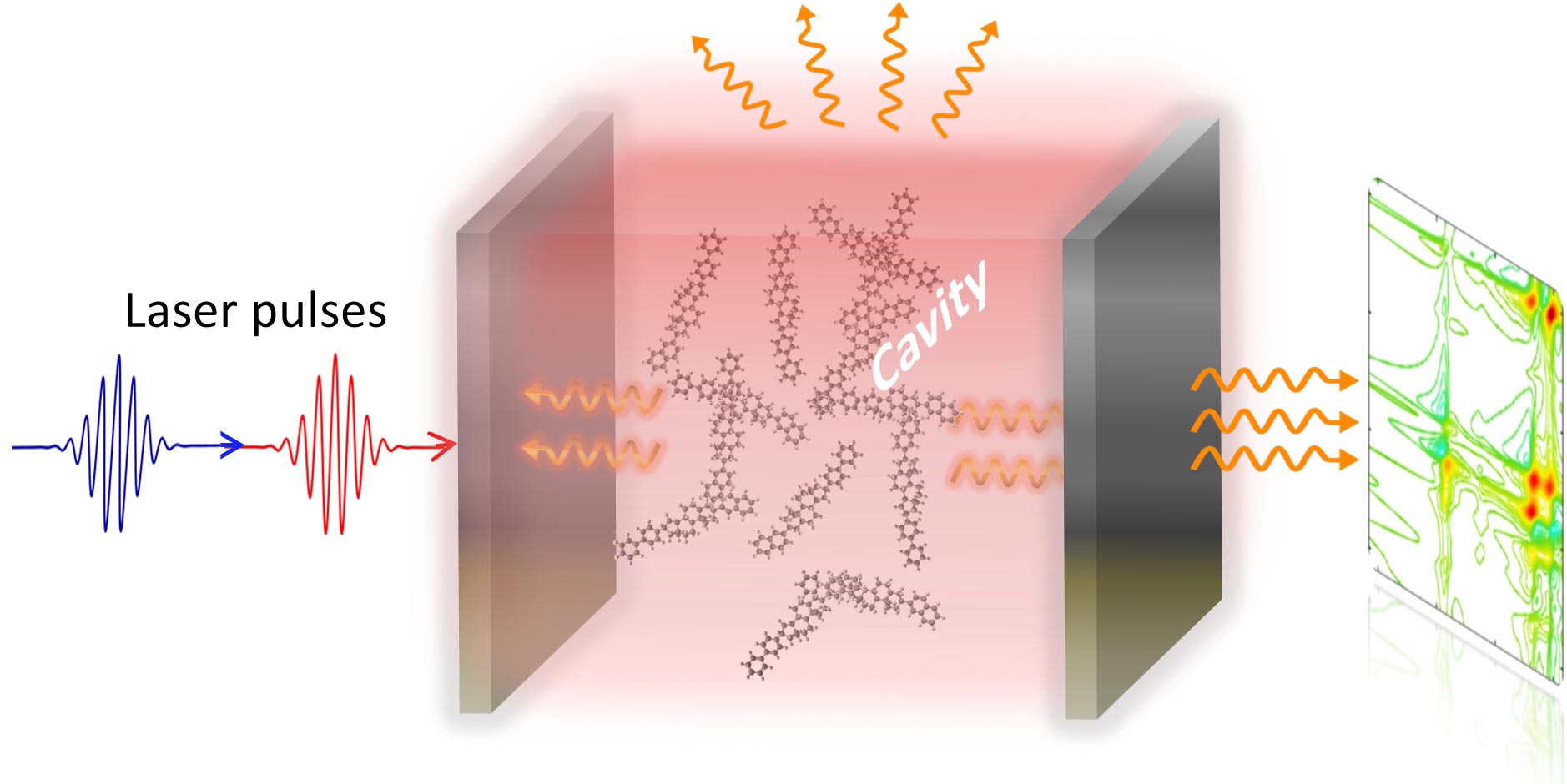
Scientists at the City University of Hong Kong have developed a new quantum theory that explains the "light-induced phase" of matter, offering potential for advancements in quantum photonics and control at room temperature. The theory improves our understanding of excited state dynamics and optical properties of molecules, leading to breakthroughs in optical communications, biological imaging, and quantum metrology. The theory integrates advanced quantum electrodynamics into ultrafast spectroscopy, enabling the precise control and sensing of particle motion at room temperature. It also facilitates the design of next-generation light-harvesting and emitting devices, as well as laser operation and detection, with potential applications in various fields such as optical communications and energy-efficient light-harvesting devices.