Tag

Rna World

All articles tagged with #rna world

science1 year ago

"Deciphering RNA's Ancient Code: Unveiling Life's Secrets"

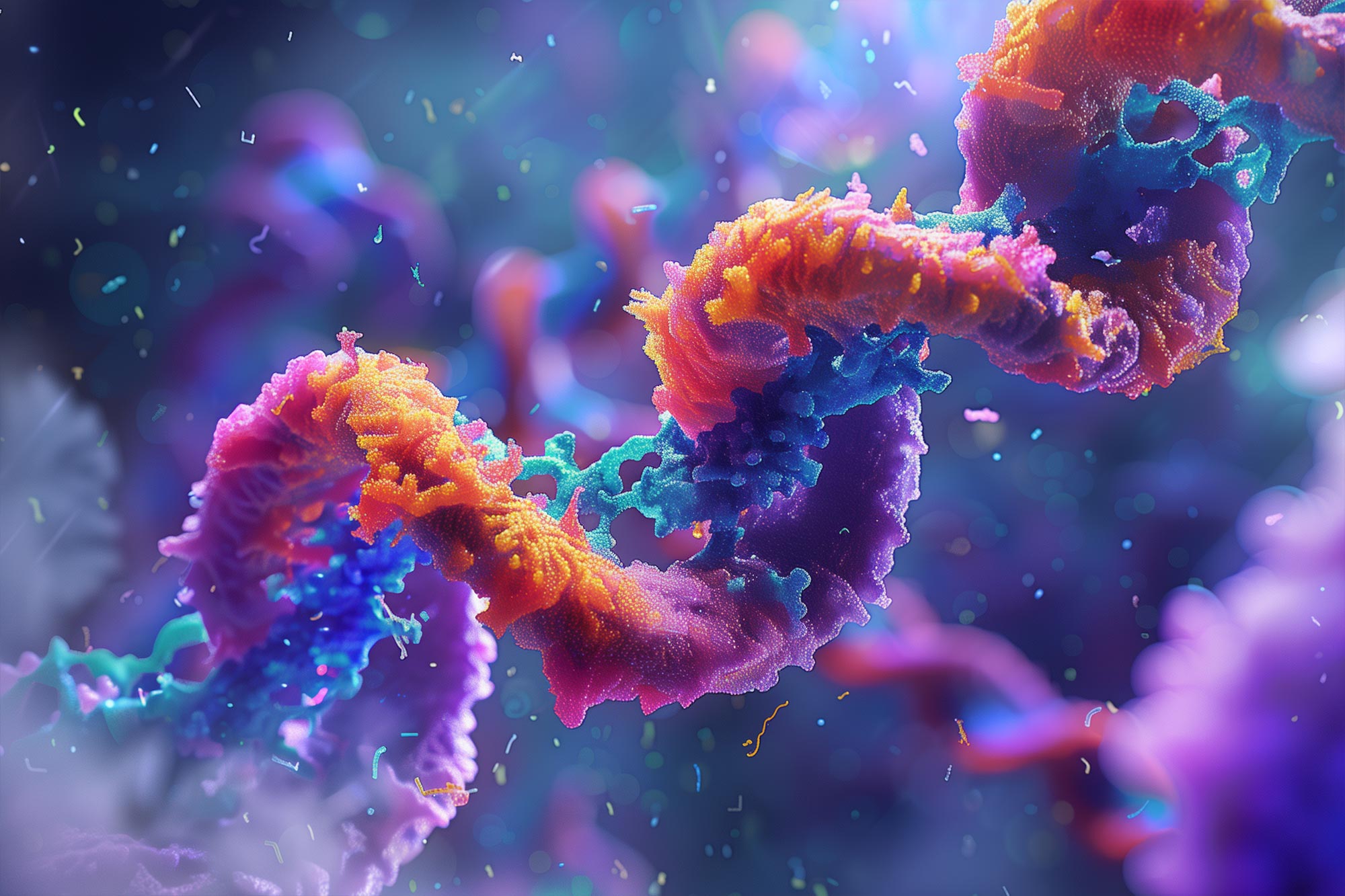
Scientists at the Salk Institute have discovered an RNA enzyme that can accurately replicate and evolve RNA strands, providing strong evidence for the RNA World hypothesis and shedding light on the origins and complexity of life. This breakthrough brings researchers closer to synthesizing RNA-based life in the laboratory, offering insights into early evolution and the potential for autonomous RNA life. The study underscores the critical role of replication fidelity in enabling evolution and paves the way for future experiments testing other ideas about the origins of life.
science1 year ago

"RNA: The Key to Life's Origins on Earth"

Researchers have discovered a ribozyme that could have facilitated the emergence of RNA-based life on Earth, shedding light on the potential origins of life and the transition from simple molecules to complex organisms. This finding supports the RNA World hypothesis, which suggests that RNA played a crucial role in kickstarting Earth's biology without the involvement of DNA or proteins. The team's experiment demonstrated a higher-fidelity RNA polymerase ribozyme that produced RNA strands with greater accuracy, offering insights into the early stages of evolution and the possibility of autonomous RNA replication in the near future.

science1 year ago

"Uncovering the RNA World: Modeling the Origins of Life"

New research at the Salk Institute provides compelling evidence supporting the RNA World hypothesis, suggesting that the origins of life may have involved molecular-scale evolution in RNA. The study unveils an RNA enzyme capable of making accurate copies of other functional RNA strands and allowing new variants to emerge over time, bringing scientists closer to re-creating RNA-based life in the laboratory. The findings highlight the critical importance of replication fidelity in making evolution possible and pave the way for future experiments testing other ideas about the origins of life.
science2 years ago

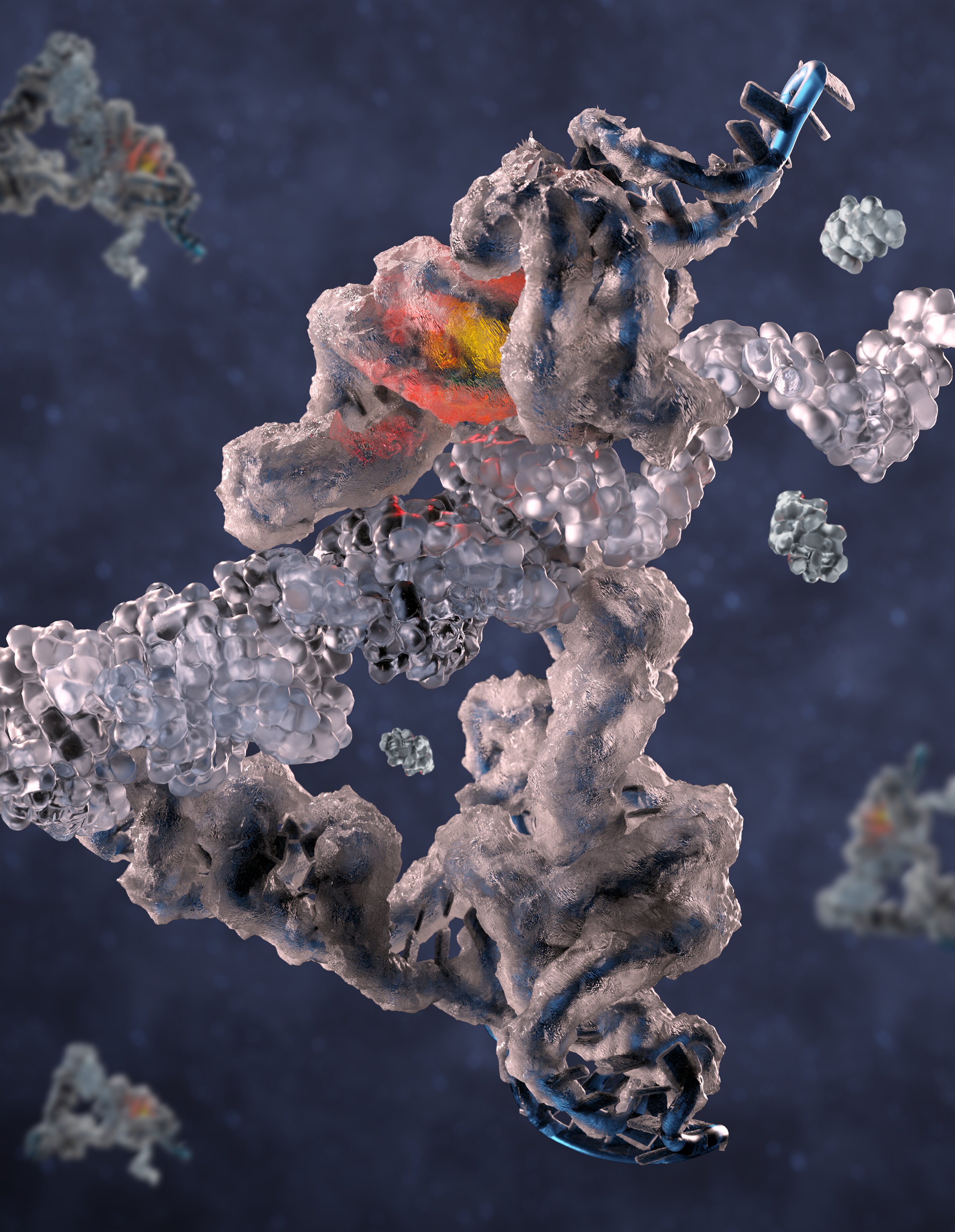
"Nano-sized Copy Machine Uncovered in Origin of Life Study Using Cryo-microscopy"

Cryogenic electron microscopy (cryo-EM) has revealed the first atomic structure of an RNA replicase, a nano-sized copy machine implicated in the origin of life. The RNA replicase, developed to be efficient at copying long templates using nucleotide triplets in eutectic ice phase, shows similarities to protein-based polymerases. Researchers conducted a comprehensive mutational study to understand its crucial elements and built a model for RNA-based RNA copying consistent with experimental data. The study provides insight into designing more efficient replication mechanisms and may lead to advancements in RNA nanotechnology and medicine.

science2 years ago

The Possibility of Multiple Life Evolutions: Researchers Nearing a Conclusion.

Scientists are trying to determine if life on Earth evolved only once or if different living beings emerged from different origins. The origin of life is a central question in modern biology, and probably the hardest to study. The current scientific consensus is that life emerged from non-living molecules in a natural process called abiogenesis, most likely in the darkness of deep-sea hydrothermal vents. Abiogenesis could have happened more than once, but all extant life beings descend from a single shared last universal common ancestor of life (LUCA).

science2 years ago

The Possibility of Multiple Life Evolutions: Researchers Nearing a Conclusion.

Scientists are trying to determine if life on Earth evolved only once or if different living beings emerged from different origins. The origin of life is a central question in modern biology, and probably the hardest to study. The current scientific consensus is that life emerged from non-living molecules in a natural process called abiogenesis, most likely in the darkness of deep-sea hydrothermal vents. Abiogenesis could have happened more than once, but all extant life beings descend from a single shared last universal common ancestor of life (LUCA).