Scientists have discovered a new class of circular, protein-free RNA structures called obelisks in bacteria within the human microbiome, which do not match known viruses or genetic elements, potentially offering insights into early life and microbial ecology.
Scientists at the University of Basel discovered that certain food molecules, specifically dietary RNAs, can trigger a mild stress response in nematodes that promotes healthier aging by activating cellular cleanup processes and reducing harmful protein buildup, suggesting diet influences healthspan and aging.
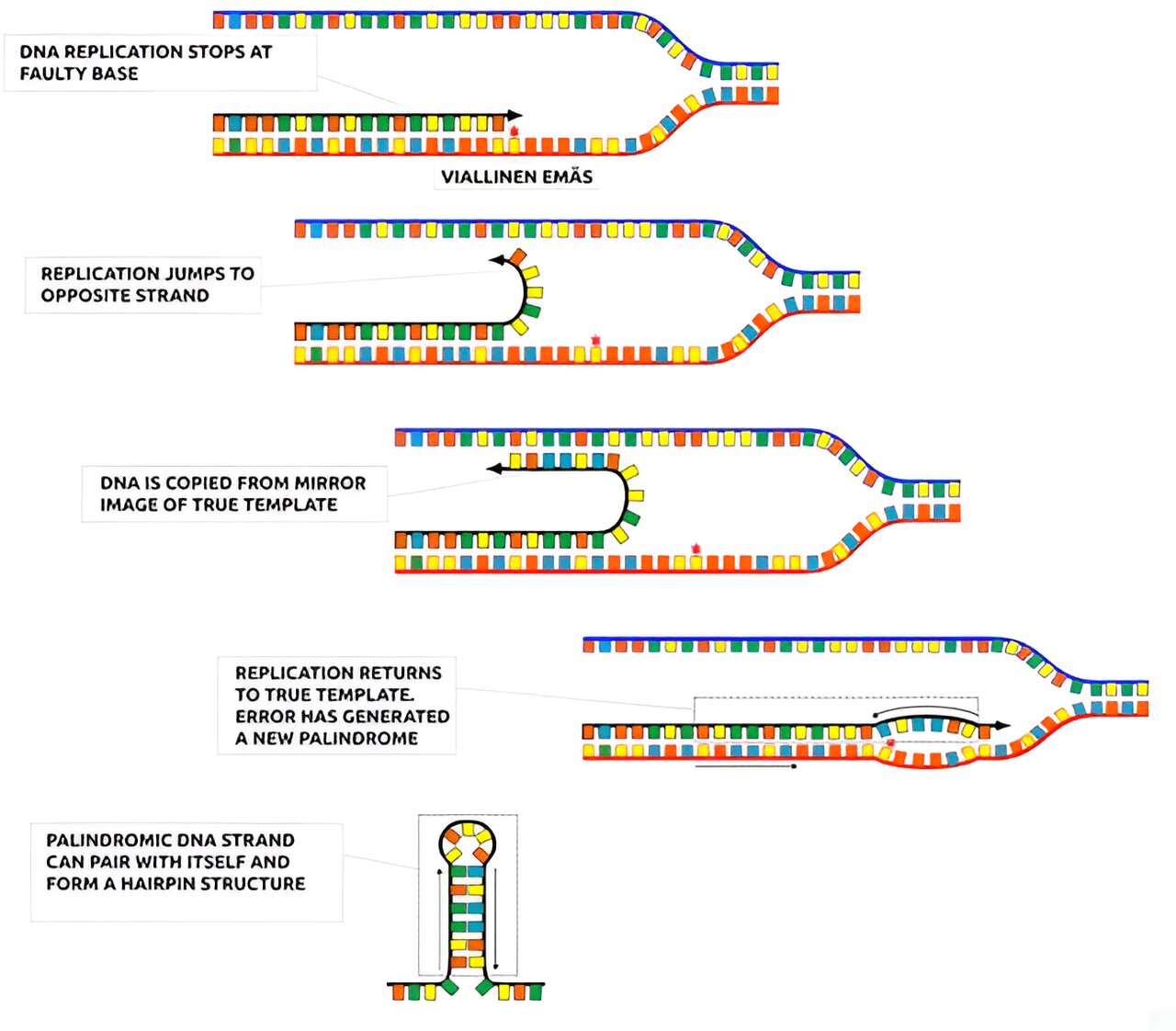
Researchers at the University of Helsinki have discovered a mechanism that can generate complete DNA palindromes, leading to the creation of new microRNA genes from previously noncoding DNA sequences. By studying errors in DNA replication, the researchers found that certain errors can copy DNA backward, creating palindromic sequences. These palindromes can then fold into hairpin structures, which are crucial for the function of microRNA molecules. The researchers believe that this mechanism can explain the origin of at least a quarter of novel microRNA genes and may have broader implications for understanding the evolution of RNA genes and the basic principles of biological life.