Tag

Risk Factor

All articles tagged with #risk factor

"Hypermobility Linked to Increased Long COVID Risk, Study Finds"

Originally Published 1 year ago — by ScienceAlert

Featured image for "Hypermobility Linked to Increased Long COVID Risk, Study Finds"
Source: ScienceAlert

A study by researchers from King's College London and Brighton and Sussex Medical School has found that individuals with generalized joint hypermobility (GJH), also known as double-jointedness, have a 30 percent higher risk of experiencing long COVID symptoms. The study, based on survey data from 3,064 COVID-19 patients, suggests a link between GJH and persistent fatigue, a key symptom of long COVID. The findings highlight the need for further investigation into the biological mechanisms underlying this association and the development of improved methods for identifying and supporting individuals at higher risk of long COVID.


"Link Between Herpes Virus and Doubled Dementia Risk Confirmed in New Study"

Originally Published 1 year ago — by Medical Xpress

Featured image for "Link Between Herpes Virus and Doubled Dementia Risk Confirmed in New Study"
Source: Medical Xpress

A new study from Uppsala University confirms that people who have had the herpes virus are twice as likely to develop dementia compared to those who have never been infected. The research, published in the Journal of Alzheimer's Disease, followed 1,000 70-year-olds over 15 years and found that herpes simplex virus infection doubles the risk of dementia. The study suggests the need for further investigation into whether existing anti-herpes virus drugs can reduce dementia risk and the potential development of new vaccines.

Gut Infections Tied to Alzheimer's Risk

Originally Published 2 years ago — by Neuroscience News

Featured image for Gut Infections Tied to Alzheimer's Risk
Source: Neuroscience News

A study conducted by Charité – Universitätsmedizin Berlin and McGill University suggests that symptomatic Helicobacter pylori infections after the age of 50 are associated with an 11% increased risk of developing Alzheimer's disease, which escalates to a 24% higher risk a decade post-infection. H. pylori is a common gut microbe that can potentially reach the brain, causing inflammation, neuron damage, and impairing the absorption of Vitamin B12 and iron. The findings highlight H. pylori as a possible modifiable risk factor for Alzheimer's, opening up new avenues for prevention and treatment strategies. However, further research is needed to determine the extent to which eradicating H. pylori could affect the development of Alzheimer's disease.

The Surprising Link Between Cats and Schizophrenia: What the Research Reveals

Originally Published 2 years ago — by Medical Xpress

Featured image for The Surprising Link Between Cats and Schizophrenia: What the Research Reveals
Source: Medical Xpress

Researchers have found that children who own cats have more than double the risk of developing schizophrenia later in life. The increased risk is likely due to exposure to the parasite Toxoplasma gondii, which is commonly found in cat feces. The parasite has been linked to neurological impairments and behavioral changes, including schizophrenia. The exact age or specific time frame of exposure to cats that poses the highest risk is still unclear, and further research is needed to better understand this relationship.

Deep Sleep Deficiency Increases Dementia Risk: Study Reveals

Originally Published 2 years ago — by PsyBlog

Featured image for Deep Sleep Deficiency Increases Dementia Risk: Study Reveals
Source: PsyBlog

A study tracking the sleep and cognitive function of nearly 350 people over two decades found that getting just 1% less deep sleep each year increases the risk of dementia by 27%. Deep sleep, which occurs mostly in the first three hours of the night, supports the aging brain by facilitating the clearance of metabolic waste, including proteins that aggregate in Alzheimer's disease. Maintaining or enhancing deep sleep could potentially reduce the risk of dementia.

"Groundbreaking Drug Slashes Heart Disease Risk by 96%"

Originally Published 2 years ago — by Freethink

Featured image for "Groundbreaking Drug Slashes Heart Disease Risk by 96%"
Source: Freethink

An experimental drug called lepodisiran has shown promising results in reducing blood levels of lipoprotein(a) (Lp(a)), a currently untreatable risk factor for heart disease. In a phase 1 trial, a single injection of lepodisiran lowered participants' high Lp(a) levels by as much as 96% from their baseline. Lepodisiran works by interfering with the genetic material that produces Lp(a), offering a potential solution for individuals with high Lp(a) levels who are unable to reduce this risk factor through lifestyle changes. Further trials are needed to confirm the drug's safety and effectiveness, but the initial results are encouraging.

The Link Between American Football and Parkinson's Disease: New Study Findings

Originally Published 2 years ago — by PsyPost

Featured image for The Link Between American Football and Parkinson's Disease: New Study Findings
Source: PsyPost

A study published in JAMA Network Open found that male athletes who played American football had a 60% higher likelihood of developing Parkinson's disease compared to those who played other sports. The risk increased with longer duration of football play and higher levels of the sport. The study suggests that repetitive head impacts sustained in football may contribute to the development of Parkinson's disease or parkinsonism. However, the study's limitations include a selected group of participants and the inability to establish a cause-and-effect relationship.

"Link Found Between Low Sexual Satisfaction and Cognitive Decline"

Originally Published 2 years ago — by SciTechDaily

Featured image for "Link Found Between Low Sexual Satisfaction and Cognitive Decline"
Source: SciTechDaily

A study conducted by researchers from Penn State suggests that decreased sexual satisfaction and erectile function in middle-aged men may serve as early warning signs of future cognitive decline. The study, which examined the relationship between sexual satisfaction, erectile functionality, and cognitive abilities in men aged 56 to 68, found that declines in sexual satisfaction and erectile function were correlated with future memory loss. The findings highlight a potential novel risk factor for cognitive decline and suggest that improvements in sexual satisfaction could potentially boost memory function.

The Devastating Impact of Loneliness on Diabetes Patients

Originally Published 2 years ago — by Insider

Featured image for The Devastating Impact of Loneliness on Diabetes Patients
Source: Insider

Loneliness is found to be a greater risk factor for heart disease in patients with diabetes than a poor diet, smoking, lack of exercise, or depression, according to a study published in the European Heart Journal. The study followed over 18,500 UK adults with diabetes and found that those who reported the highest loneliness scores had a 26% higher risk of developing heart disease. Social isolation without loneliness did not show any cardiovascular problems. Patients with diabetes should prioritize quality connections and be assessed for loneliness, with referrals to mental health services when needed.

Insomnia Symptoms Linked to Higher Stroke Risk

Originally Published 2 years ago — by The Washington Post

Featured image for Insomnia Symptoms Linked to Higher Stroke Risk
Source: The Washington Post

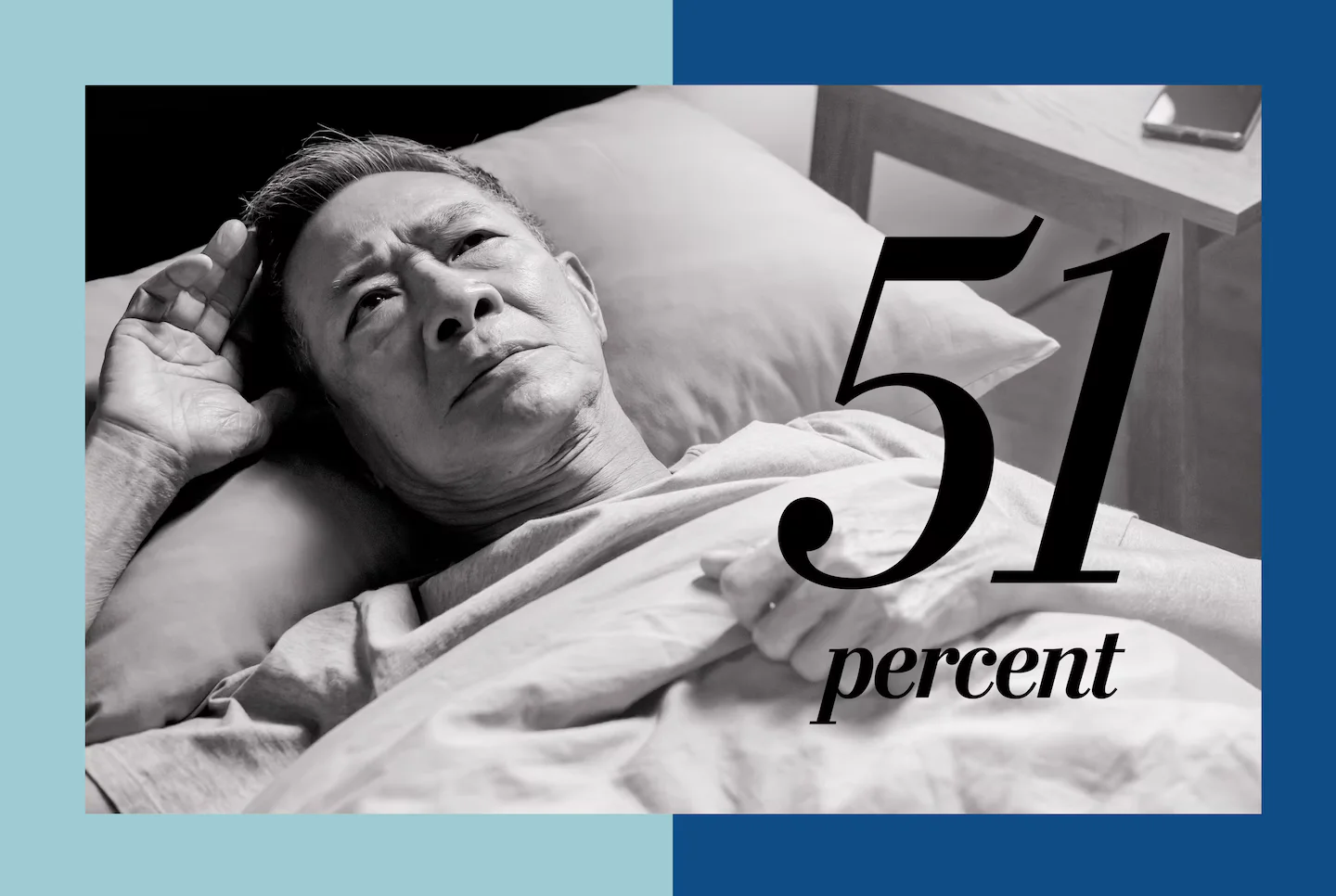
People suffering from insomnia may have up to a 51% greater chance of having a stroke than those who do not have trouble sleeping, according to a study. The degree of risk for stroke rose as the number of insomnia symptoms increased. The findings do not prove that insomnia causes strokes but rather identified insomnia symptoms as a risk factor for stroke. Health experts consider insomnia a common sleep disorder, and treatment usually starts with lifestyle changes to address the causes.

"Link Found Between Internet Use and Dementia Risk"

Originally Published 2 years ago — by Medscape

Featured image for "Link Found Between Internet Use and Dementia Risk"
Source: Medscape

Regular internet use, but not overuse, in older adults is linked to a lower dementia risk, according to a study. The research found that regular internet use was associated with about a 50% reduction in dementia risk compared with their counterparts who did not use the internet regularly. Longer duration of regular internet use was associated with a reduced risk of dementia, although excessive daily internet usage appeared to adversely affect dementia risk. The study was published online in the Journal of the American Geriatrics Society.

The Link Between Restless Legs, Low Bone Density, and Dementia Risk.

Originally Published 2 years ago — by Medscape

Featured image for The Link Between Restless Legs, Low Bone Density, and Dementia Risk.
Source: Medscape

Restless legs syndrome (RLS) may be a risk factor for dementia or an early noncognitive sign of dementia, according to a large population-based cohort study. Adults with RLS were significantly more likely to develop dementia over more than a decade than their peers without RLS. RLS is associated with poor sleep, depression/anxiety, poor diet, microvasculopathy, and hypoxia ― all of which are known risk factors for dementia. Regular check-ups for cognitive decline in older patients with RLS may facilitate earlier detection and intervention for those with dementia risk.