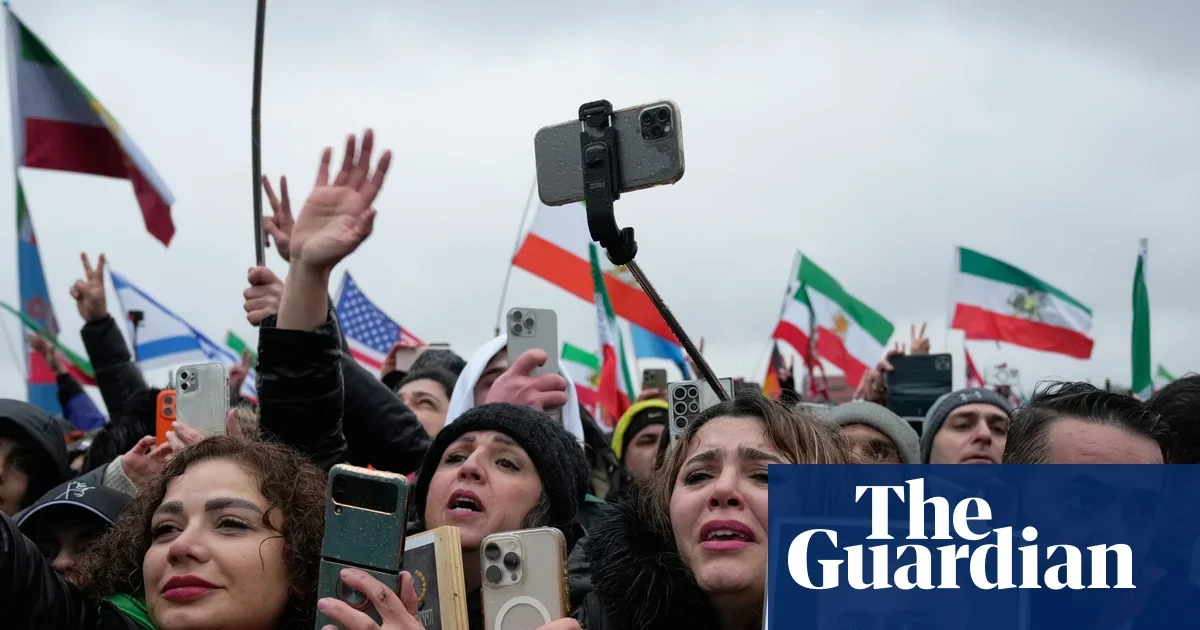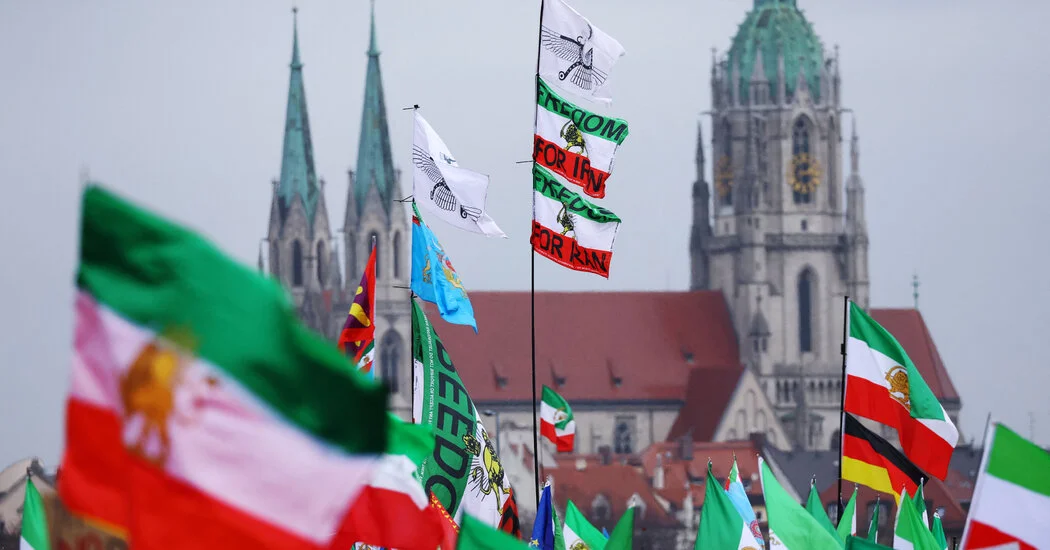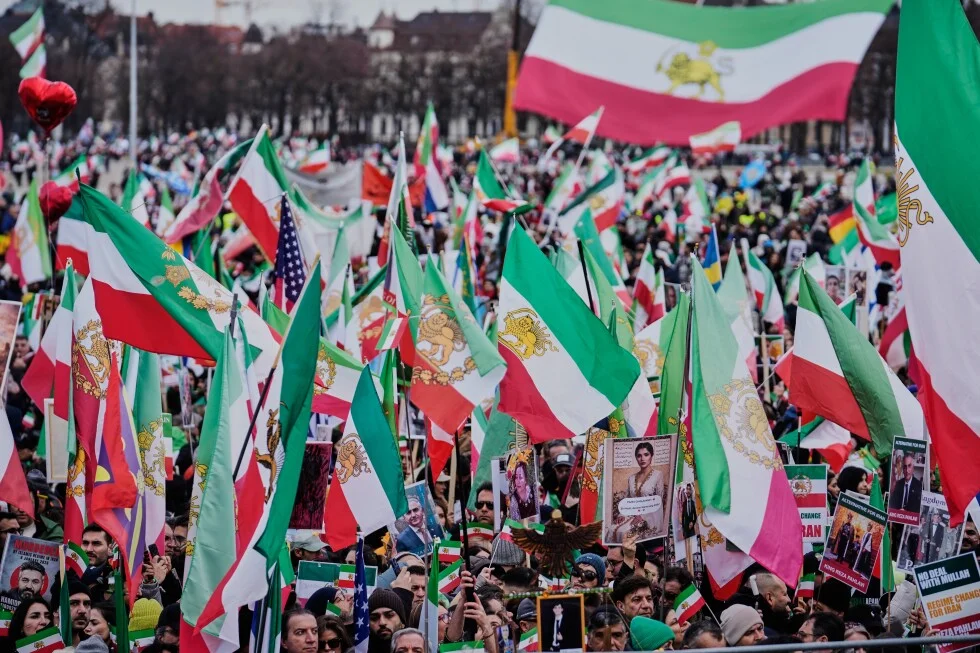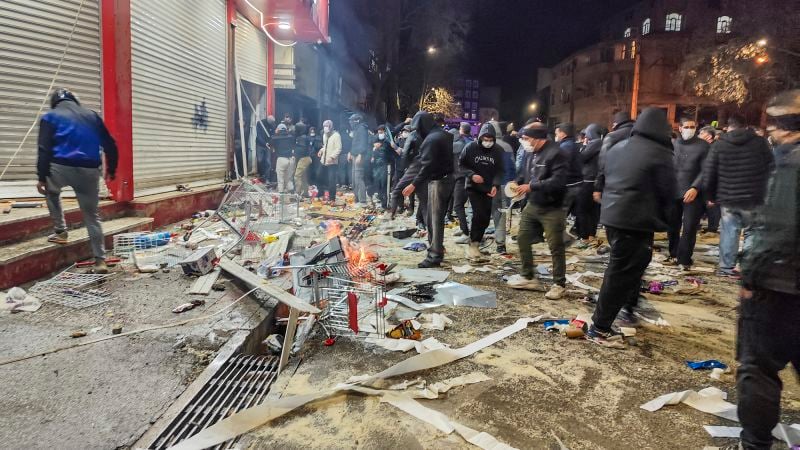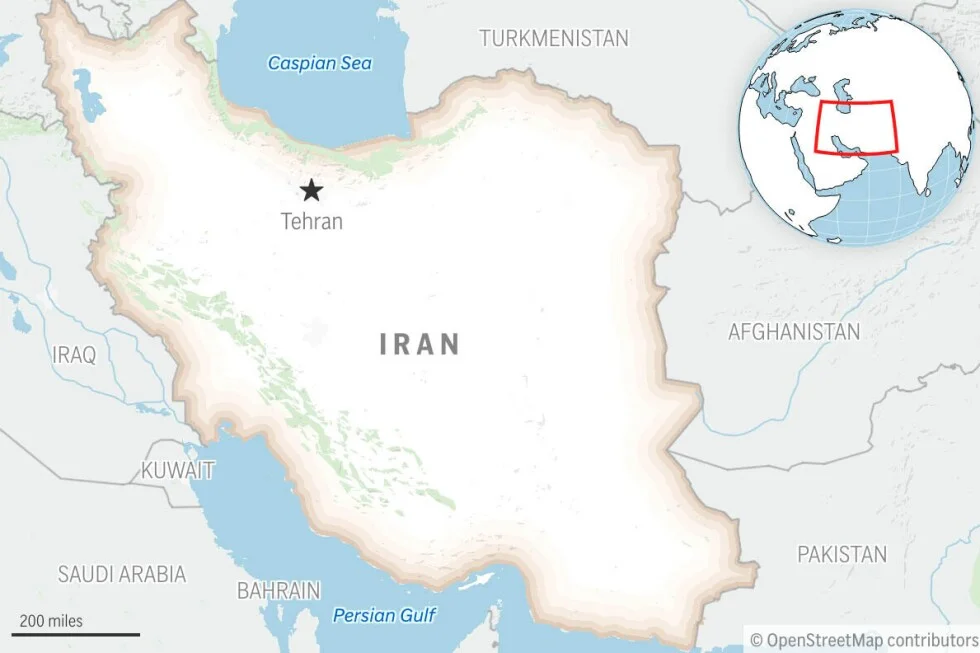
Iran is experiencing widespread protests with at least 65 reported deaths amid a government crackdown and ongoing internet blackout, as demonstrators call for regime change and the return of the monarchy, drawing international concern and support for the protesters.
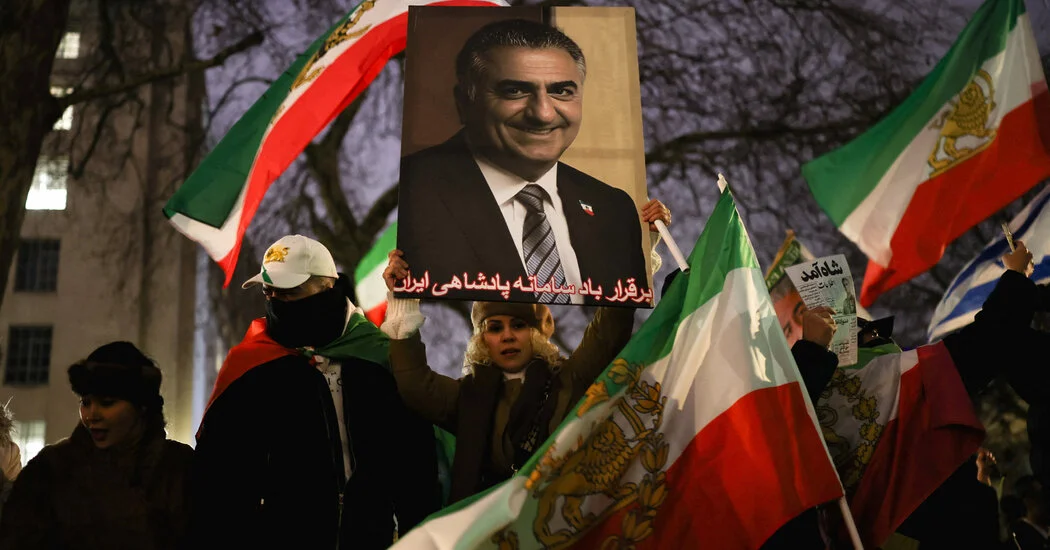
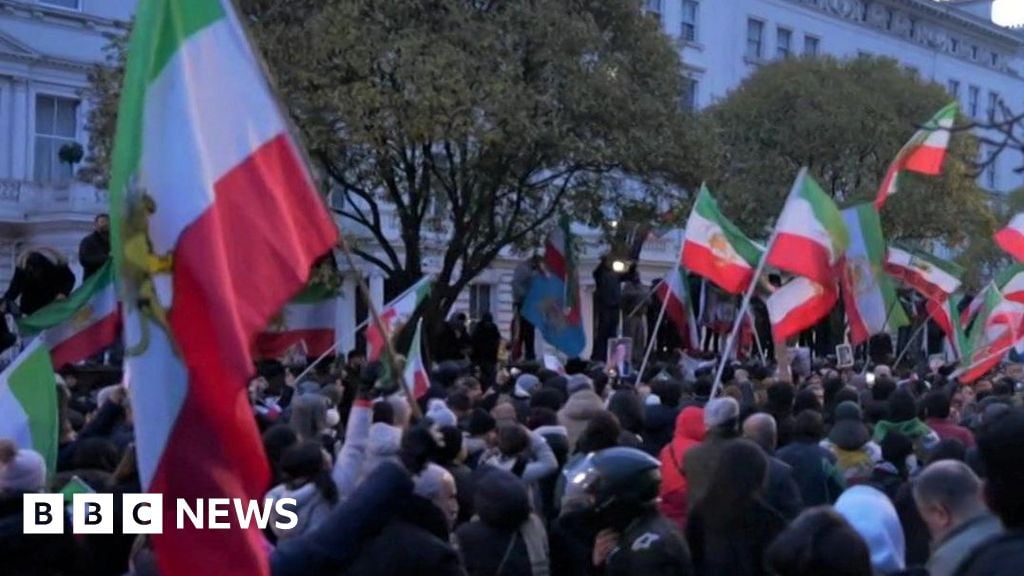
A protester climbed onto the balcony of the Iranian embassy in London during a demonstration against Iran's government, which included waving flags, shouting slogans, and tearing down the Iranian flag. The protest was part of a broader series of anti-government protests across the world, sparked by recent violence and economic issues in Iran. Police arrested two individuals, and additional officers were deployed to maintain order. The protests have been ongoing for 13 days, with international condemnation of Iran's crackdown on protesters.
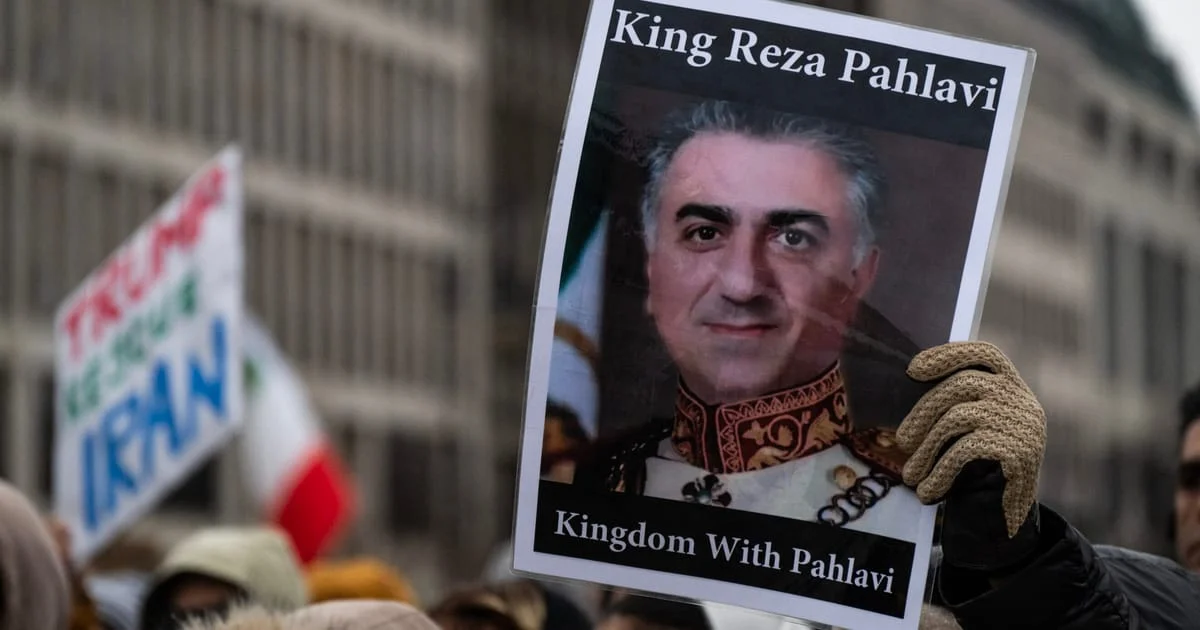
Iran's Supreme Leader signals a crackdown on protests amid rising death toll and internet shutdown, with tensions escalating as protesters chant against the government and call for intervention from the US and opposition figures like Reza Pahlavi.
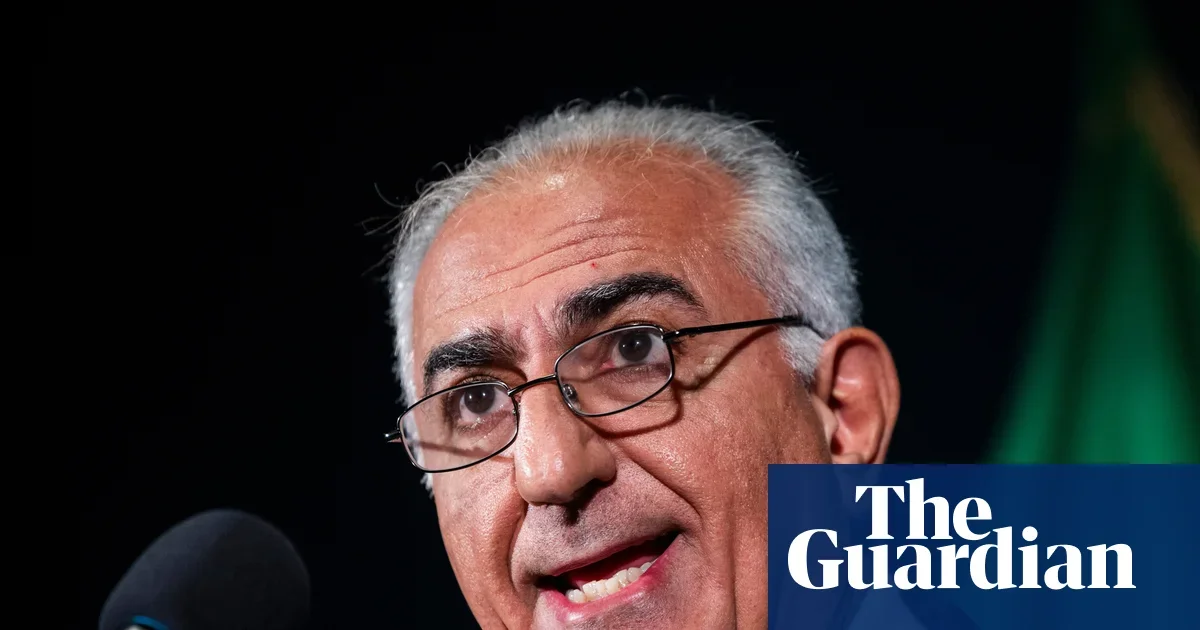
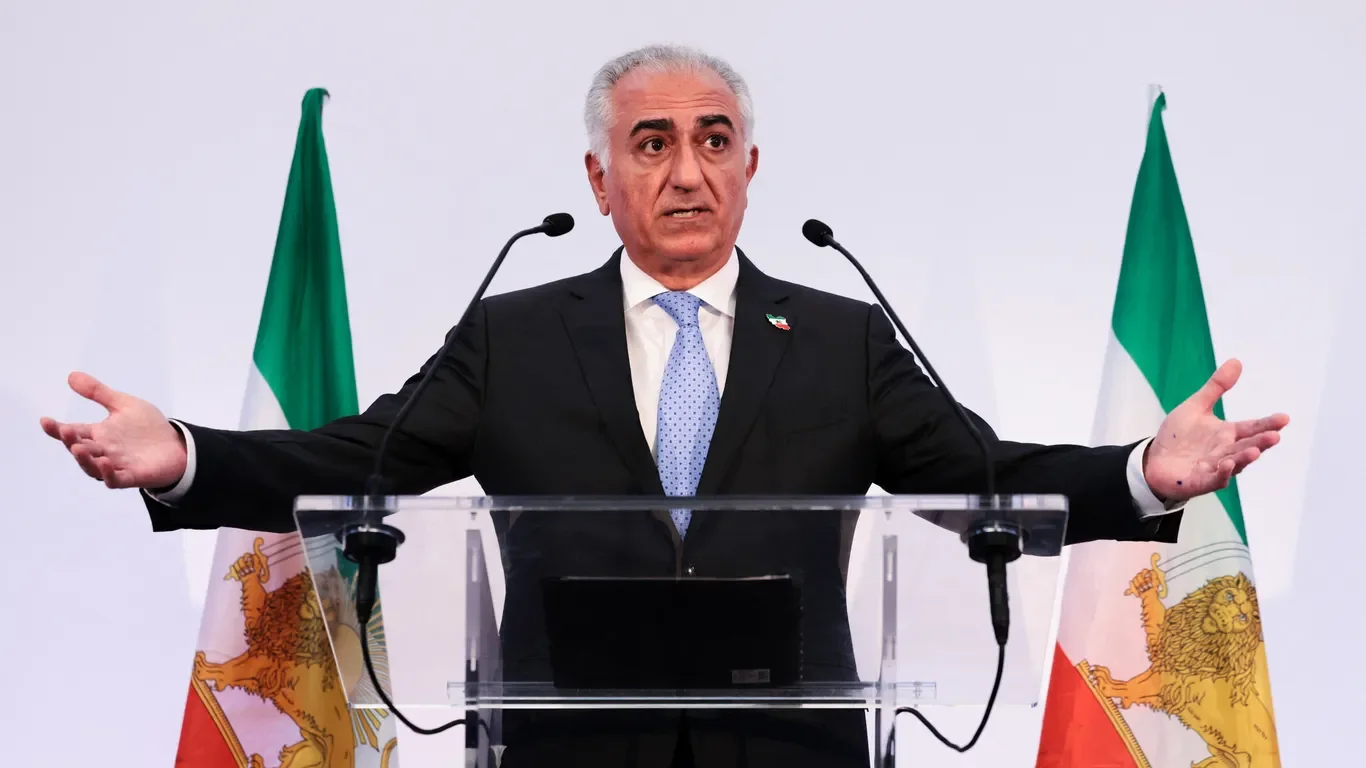
Reza Pahlavi, the exiled son of Iran's last shah, has become a symbolic figure in Iran's opposition movement, calling for democratic reforms and gaining support during recent protests, though his influence remains uncertain due to limited internal support and political challenges.
The Iranian regime is weakening due to domestic unrest and economic crises, but opposition groups are fragmented and lack a clear successor, with some analysts suggesting the military might lead a nationalist, non-Islamic change rather than the current clerical regime.
Experts highlight the lack of a unified opposition in Iran to replace the current regime if it falls, and express skepticism about Reza Pahlavi emerging as a leader, amidst ongoing regional tensions and debates about regime change in Iran and Israel.
Iranian President Ebrahim Raisi warned that Iran will destroy Haifa and Tel Aviv if Israel takes "the slightest action" against it during his Army Day address. Raisi also called for the departure of extra-regional and American forces from the region. Meanwhile, former crown prince of Iran Reza Pahlavi visited Israel on Holocaust Remembrance Day and emphasized unity between the people of Israel and Iran, but the Islamic Republic consistently threatens Israel in various ways.
Reza Pahlavi, the son of Iran's last shah, arrived in Israel to rebuild relations between the two nations. Pahlavi's visit will focus on Israeli water technology and renewing ties. He called for a peaceful revolution that would replace clerical rule with a parliamentary monarchy, enshrine human rights, and modernize its state-run economy. Israel and Iran maintained close ties during the reign of Shah Mohammad Reza Pahlavi, who was overthrown in a popular 1979 uprising led by Islamist clerics. The two countries have since become bitter enemies.
Reza Pahlavi, the exiled son of the Iranian Shah toppled in the 1979 Islamic revolution, will visit Israel this week to take part in the official Holocaust memorial ceremony. Israel called him the "most senior Iranian personality" to ever pay a public visit to Israel and said the visit is meant to create "a bridge between Israel and the Iranian people, and expressing joint opposition to the Ayatollah regime." Pahlavi expressed hope for a democratic Iran that will renew ties with Israel and Arab neighbors.
Reza Pahlavi, the son of the last Iranian shah, plans to visit Israel to restore the "ancient bond" between the two nations and focus on Israeli water technology and Holocaust commemoration. During the trip, he plans to deliver a speech outlining his vision for an Iranian democracy. Pahlavi claims millions of Iranians reject the regime's anti-Israel and antisemitic policies and hopes for the eventual restoration of diplomatic ties. Public sentiment toward Israel in Iran can be difficult to gauge due to the regime's tight control of daily life.
Reza Pahlavi, the eldest son of the deposed Shah of Iran, is visiting Israel to attend Holocaust Memorial Day events with President Issac Herzog and Prime Minister Benjamin Netanyahu. He hopes to speak of his vision for a democratic Iran and renewed ties with Israel. Pahlavi is seen as the hope of liberal Iranians and believes his family is still revered. He is expected to address the threats from Iran at the national event to be held at Yad Vashem in the evening. Pahlavi is scheduled to visit a water desalinization plant to learn about Israel's advanced technology in the field while Iran's water infrastructure is falling apart.