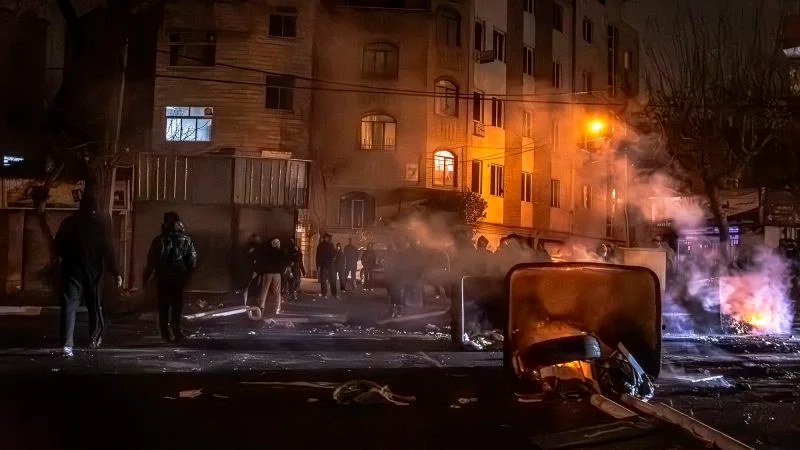
Reza Pahlavi, the exiled son of Iran’s last shah, argues that Iran is undergoing a revolution amid ongoing protests, signaling a shift in momentum that challenges the Islamic Republic and sparks questions about future leadership.
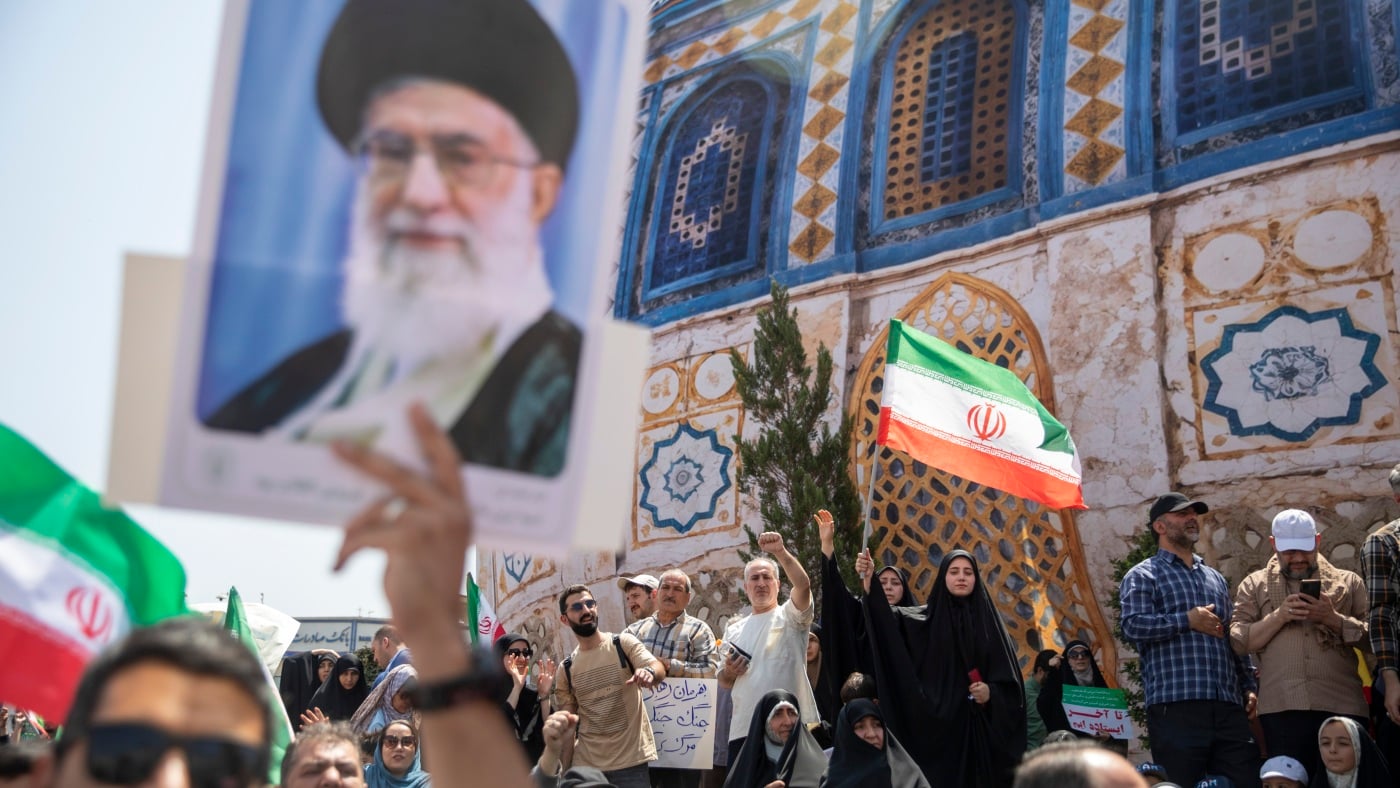
CNN’s analysis argues that Iran’s current unrest differs from prior uprisings because three dynamics are at play: the Islamic Republic is weaker after its regional Gaza-Israel conflict and related strikes; a looming succession crisis around aging Supreme Leader Ali Khamenei threatens decision-making; and there is now a credible external threat from the United States that could alter calculations. Together with steadfast protesters, a repressive security apparatus, and mounting U.S. pressure, these forces could push political change without guaranteeing an immediate collapse.
Following Iran's recent conflict with Israel, questions have arisen about the potential successors to Supreme Leader Ayatollah Khamenei, with speculation ranging from hardline clerics to reform-minded figures, amid concerns about Iran's political stability and future direction.
The article discusses a forthcoming conflict that is expected to significantly transform Iran's Islamic Republic, highlighting the geopolitical tensions and potential consequences of this war.
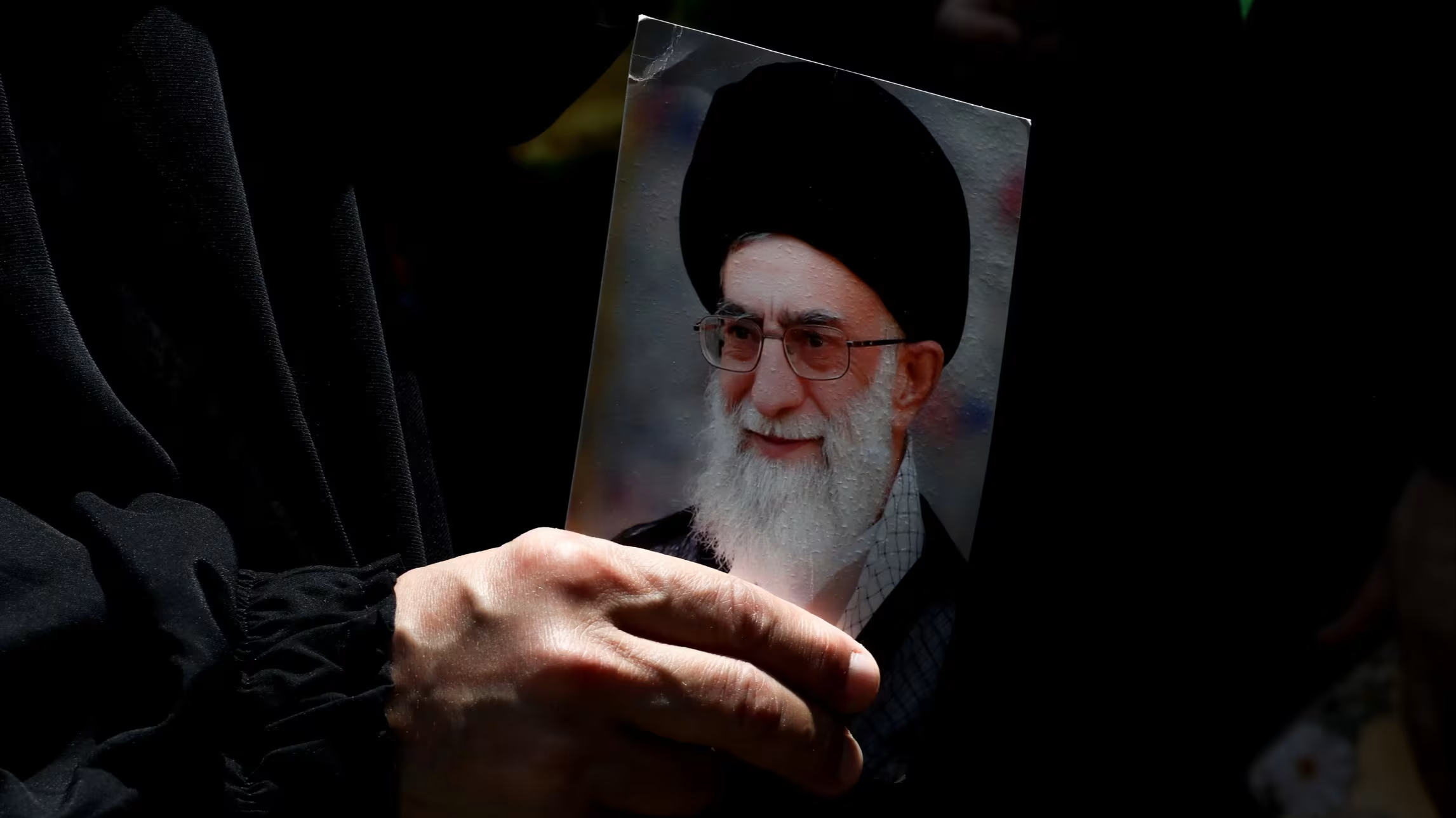
Iran's "Supreme Guide," Ayatollah Ali Khamenei, has a history of talking big but taking a cautious approach in conflicts, as seen in the recent Hamas-Israel fighting. Despite boasting about the "Resistance Front" and its military prowess, Khamenei has been hesitant to directly engage in conflicts, opting for a low profile and limited involvement through proxies. This approach has led to criticism and skepticism about Iran's actual capabilities and intentions in the region.