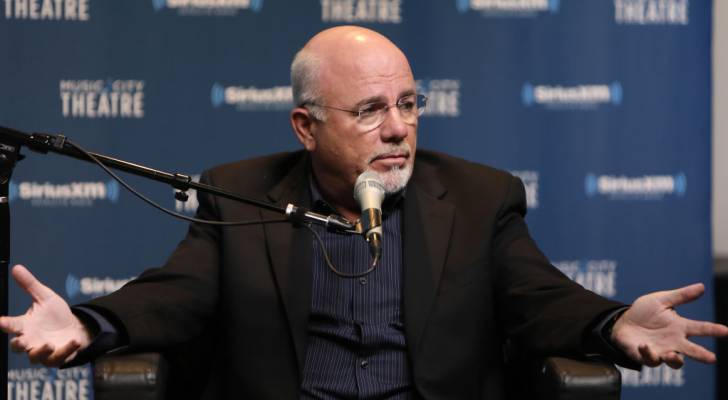
Dave Ramsey warns nearly half of Americans make a major Social Security mistake and emphasizes the importance of saving at least 15% of income for retirement, especially as current savings rates are too low to ensure a secure future.
Americans believe they need $1.46 million for a comfortable retirement, a 15% increase from last year, while the average nest egg has dropped to $88,400, far below the target. The study reveals a growing retirement crisis, with a significant gap between retirement goals and reality across all generations. Suggestions for avoiding a retirement crisis include working past the age of 65 and considering various factors such as income, marital status, and life expectancy when determining the size of the needed nest egg.
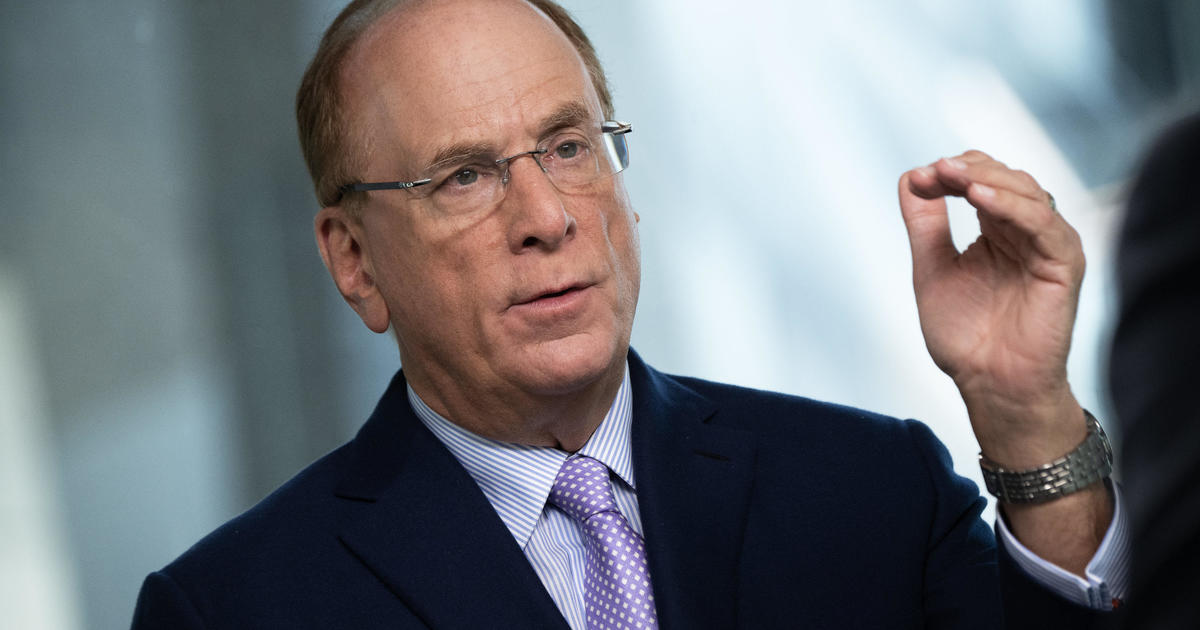
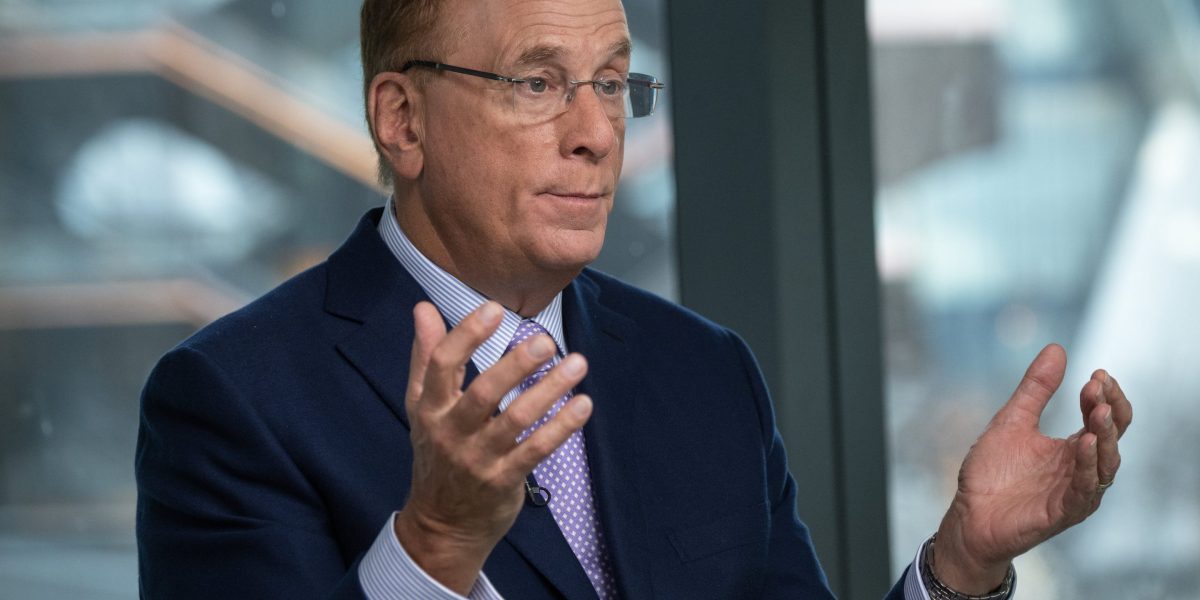
BlackRock CEO Larry Fink suggests that Americans should work longer before retiring to address the strain on the U.S. retirement system caused by changing demographics and longer life expectancies. This comes amid a debate about the future of Social Security, with some proposing to raise the retirement age. However, experts argue that aging in the workplace and health issues often lead to earlier-than-planned retirements. Fink's comments are notable given his firm's vested interest in retirement accounts, and he also promotes a new target-date fund. He emphasizes the need for public policy changes to make retirement investing more automatic for workers and calls on his generation to help fix the nation's retirement problems.
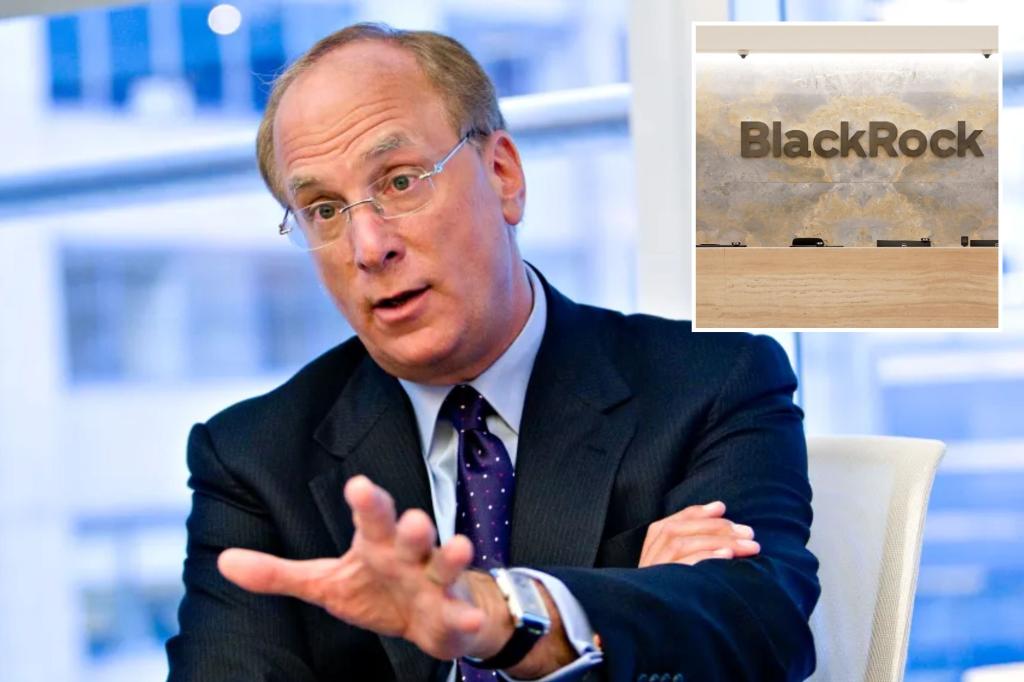
BlackRock's CEO Larry Fink has warned of a looming financial crisis facing retirees and announced the launch of "LifePath Paycheck" next month to address the issue, aiming to make it available for 500,000 employees as defined contribution plans. Fink emphasized the need for an organized effort to ensure future generations can retire with dignity, citing data showing nearly half of Americans aged 55 to 65 have no retirement savings. He also highlighted climate transition as a major economic trend and discussed BlackRock's ESG policies, which have been a topic of discord, particularly in Republican states.
BlackRock CEO Larry Fink addressed the retirement crisis in his annual letter to shareholders, emphasizing the need for government and business leaders to take action. With lifespans increasing and many Americans lacking retirement savings, Fink suggested leveraging capital markets and adjusting the retirement age or encouraging later work as potential solutions. He also highlighted the importance of employer benefits and state-level retirement programs in addressing the issue.
BlackRock CEO Larry Fink warns of a looming retirement crisis in the US and urges baby boomers to help younger generations save for their futures to prevent disillusionment with capitalism and politics. Fink calls for a high-level effort to rethink the retirement system, questioning the conventional retirement age and emphasizing the need for corporate leaders and politicians to take action. He also addresses the shift from defined benefit to defined contribution pensions and announces upcoming initiatives to address retirement challenges. Fink's annual letter also highlights BlackRock's focus on energy pragmatism, the urgency of the US public debt situation, and the firm's excitement about business opportunities in bond management.
BlackRock CEO Larry Fink warns of an impending retirement crisis as the world's population continues to age, emphasizing the need for individuals and governments to prioritize financial planning and address the challenges posed by longer life expectancies and inadequate retirement savings.
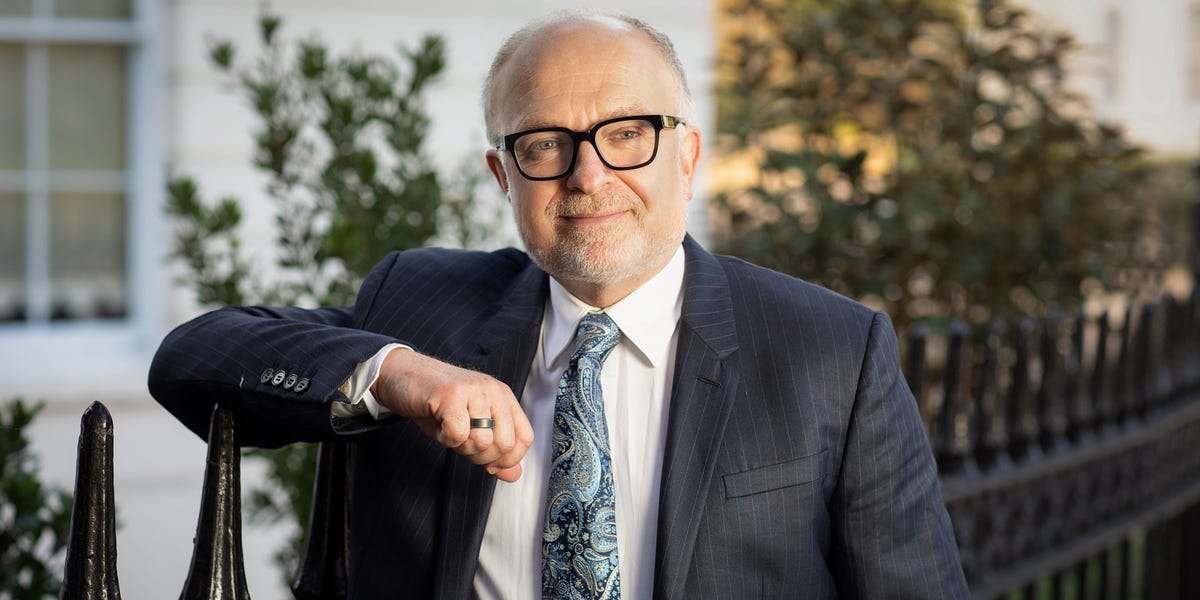
Economist Andrew J. Scott believes that the aging population will be one of the defining issues of the 21st century, calling for a transition to an "evergreen economy" that channels the world's aging population to address inequality and boost growth. As life expectancy increases, challenges such as strain on the pensions system, labor-market shortages, and a rise in age-related diseases are becoming more prominent. Scott emphasizes the need for governments, companies, and individuals to rethink aging, invest in preventive health initiatives, and adapt to the reality of living longer, in order to address the looming retirement crisis and ensure sustainable health and skills for older individuals.
A new study by personal finance website GoBankingRates has revealed the varying retirement ages and savings needed for workers in each state in the US. The study found that the average retirement age in America is now 61, up from 57 in 1991. However, retirement ages can vary significantly by state, with workers in Hawaii needing to retire at 75 or older, while workers in Kansas can retire as early as 52. The study highlights the impact of inflation and higher interest rates on workers' ability to save for retirement, contributing to concerns about a nationwide "retirement crisis."
A new survey from the Alliance for Lifetime Income (ALI) reveals that more than half of Americans close to retirement or recently retired are not prepared for retirement. The retirement crisis is due to the shift from pensions to personal savings, and the fact that many Americans are at risk of running out of money in their retirement. The survey also shows that consumer demand for annuities has skyrocketed to an all-time high amid concerns about unprecedented market volatility and falling retirement investments. Annuities can be a valuable part of a diversified portfolio and may be a good choice if Social Security isn’t enough to cover basic expenses, you expect to live a long time and could potentially outlive your savings, or you want to reduce risk and protect part of your portfolio.