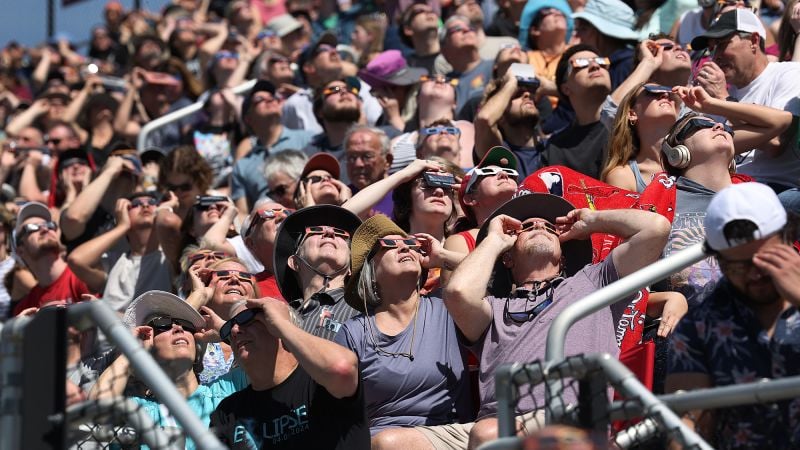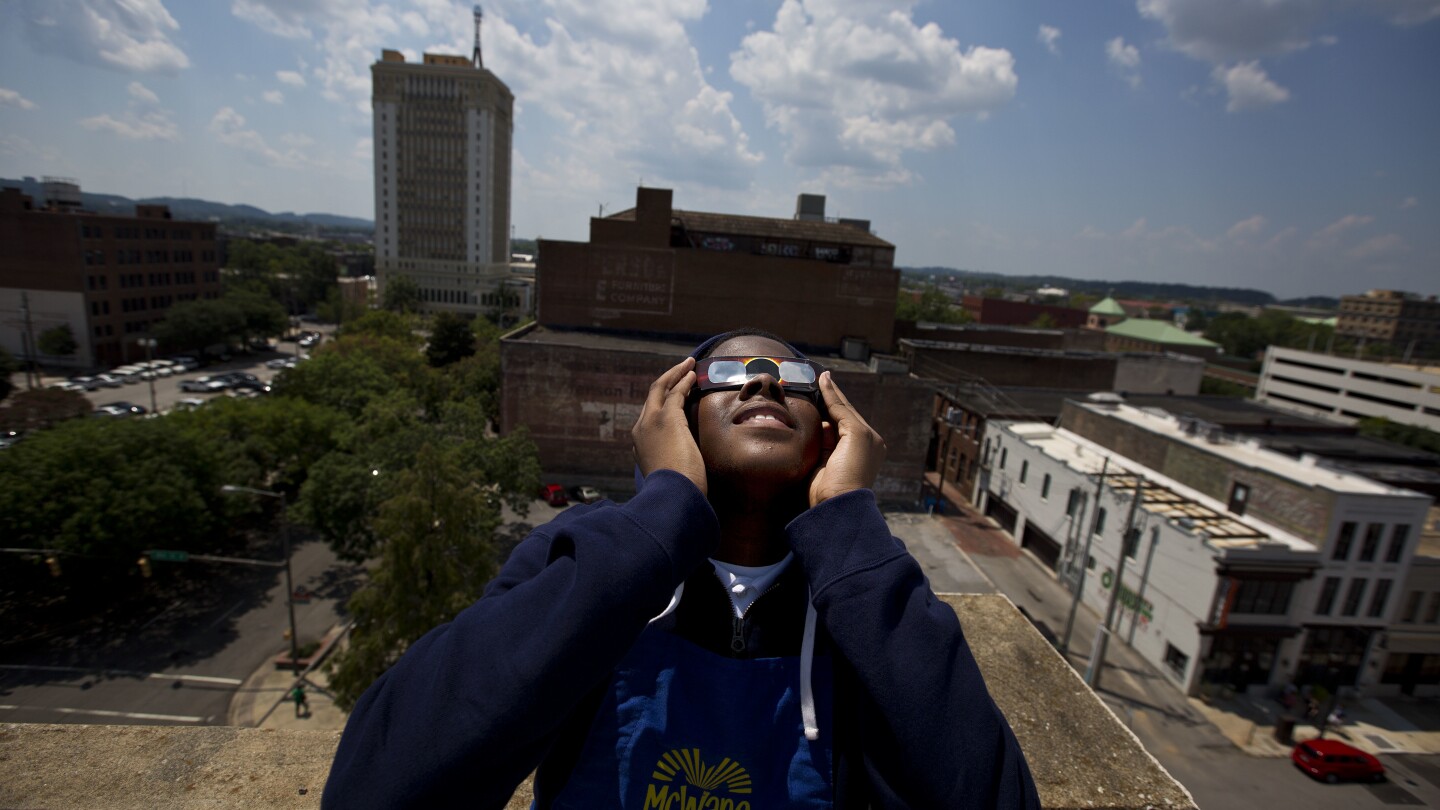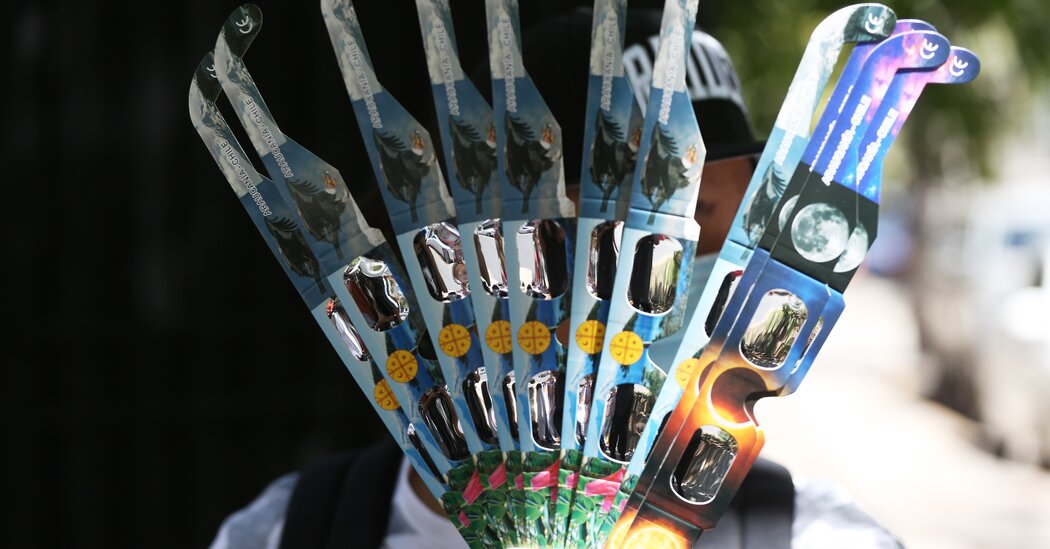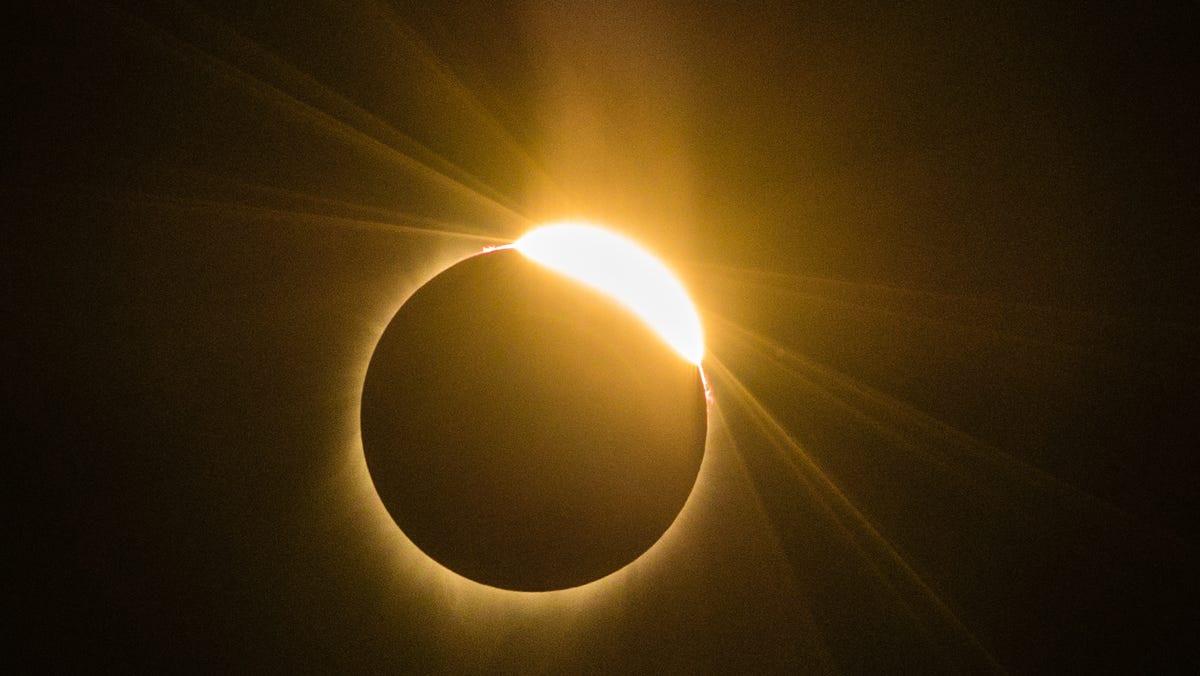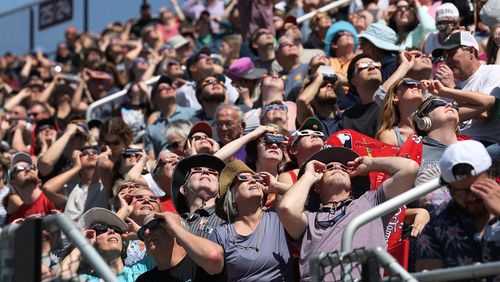
Viewing the solar eclipse without proper eye protection can result in solar retinopathy, causing permanent retinal damage. Symptoms of eye damage may include loss of central vision, altered color vision, or distorted vision, which can manifest hours or days after exposure. If experiencing any symptoms or discomfort, seek immediate medical attention. There is no treatment for solar retinopathy, and prevention is the only option. Parents should talk to their children about potential symptoms of eye discomfort and seek medical help if there are concerns about exposure during the eclipse.
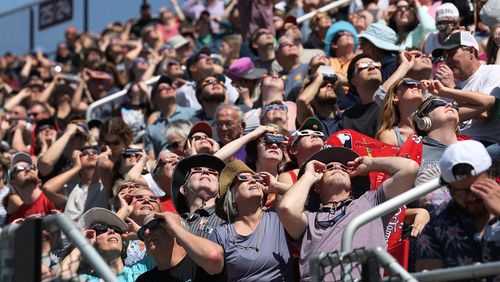
Viewing the solar eclipse without proper eye protection can result in solar retinopathy, causing retinal damage from exposure to solar radiation. Symptoms of eye damage may include loss of central vision, altered color vision, or distorted vision, and can manifest hours or days after viewing the eclipse. If experiencing eye discomfort, it's important to seek immediate medical attention. There is no treatment for solar retinopathy, and the damage can be permanent. Parents should talk to their children about potential symptoms of eye discomfort if they viewed the eclipse without proper protection.
Viewing the solar eclipse without proper eye protection can result in solar retinopathy, causing permanent retinal damage with symptoms like altered color vision or distorted vision. The damage may not cause immediate pain or discomfort, but can manifest within hours or days. If you experience any symptoms or eye discomfort after viewing the eclipse, seek immediate medical attention. There is no treatment for solar retinopathy, and the changes in vision depend on the type of damage done, which can occur in one or both eyes.
Staring directly at the sun during a solar eclipse can cause permanent eye damage, and it's crucial to use proper eclipse glasses from reputable vendors that comply with safety standards. Alternatives like pinhole projectors can also be used to view the eclipse indirectly. Eye experts warn against using phone cameras to view the eclipse. Damage to the retina from the sun's bright rays can lead to symptoms like blurred vision and color distortion, and even a brief glance at the eclipse without protection can be risky.
Ophthalmologists warn of the dangers of looking at the sun during a solar eclipse without proper eye protection, citing a case where a woman suffered permanent retinal burns in the shape of the sun's corona after viewing the 2017 eclipse. They advise that even brief glances at the sun can cause damage in less than a minute, emphasizing the importance of using proper precautions to avoid long-term eye injuries.
Looking directly at the sun during the upcoming 2024 solar eclipse can cause permanent damage to the retina, leading to a condition called solar retinopathy, which has no known treatment. Symptoms include a missing spot or wavy lines in vision, and damage can occur within seconds. To protect your eyes, use special ISO 12312-2 certified eclipse glasses or filters, and avoid using sunglasses, welding goggles, or homemade filters. Even during totality, it's unsafe to look at the sun without proper eye protection, and anyone suspecting eye damage should seek a fully dilated eye exam from an eye doctor.
The Ohio Department of Health advises against looking directly at the sun during a solar eclipse to prevent "eclipse blindness" or retinal burns, which can cause permanent damage to the eyes. Proper eye protection, such as ISO standard solar eclipse glasses, welder's glass, or mylar filters, should be used at all times when viewing a solar eclipse, except during the very brief time the sun is in total eclipse, and even then, with caution. Seek treatment from an eye care professional if any changes in vision occur after viewing a solar eclipse.